



Exploring the Ambitions of Young Employees Towards Management Positions in Japan
Examining Young Employees’ Management Aspirations
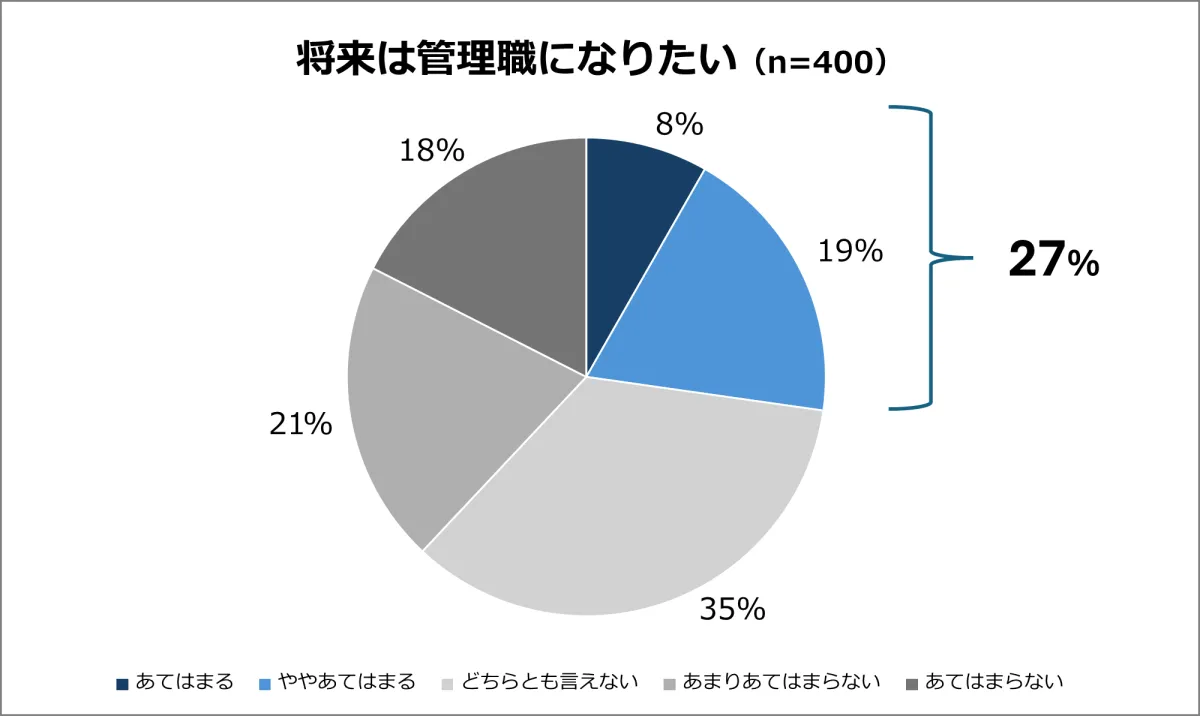
In a recent study conducted by Tabanel Inc., based in Osaka, it was discovered that only 27% of young employees aged between 20 to 29 years express a desire to attain management positions. This survey, which included responses from 400 individuals, highlights a growing concern regarding the limited ambition shown by the younger workforce in taking on managerial roles.
Key Findings
1. Desire for Management Roles: Among the surveyed young employees, only 8% stated they strongly agree with the statement, "I want to become a manager in the future," while 19% indicated somewhat agreement. This totals to a mere 27% who are inclined towards pursuing management roles.
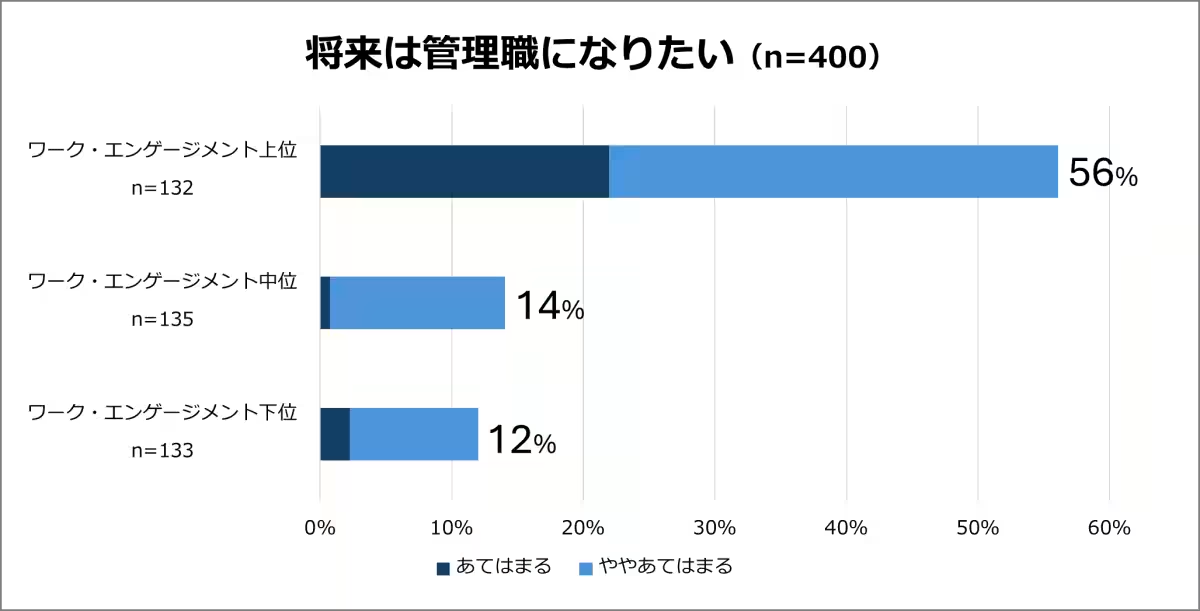
2. Work Engagement Correlation: The study further revealed that those with a higher interest in management roles are primarily those who report greater job engagement. Engagement levels are measured through factors such as vigor, enthusiasm, and immersion in their work. Employees with high work engagement revealed an impressive 56% management aspiration rate, in stark contrast to 14% from those with moderate engagement and only 12% from low engagement groups.
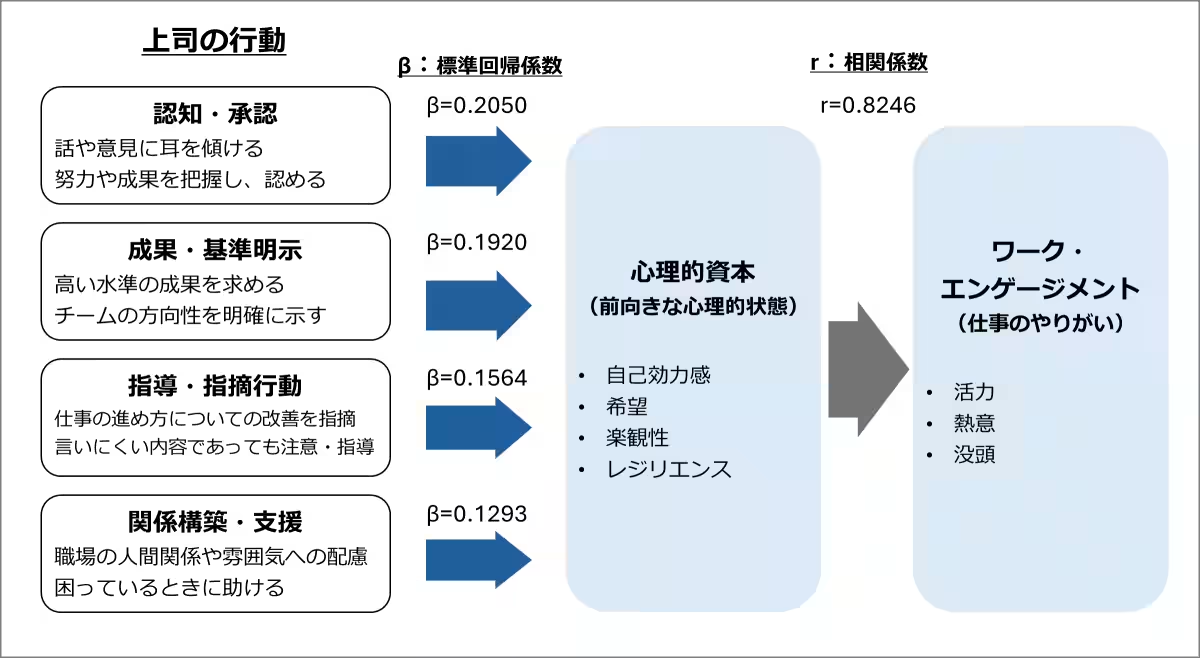
3. Interconnection of Positive Psychological States: The results also indicated a significant correlation between a young employee's positive psychological state, known as psychological capital, and their work engagement. With an exceptionally high correlation coefficient of 0.8246, it suggests that these factors are intertwined, meaning that employees who feel psychologically positive are likely to experience a greater sense of job engagement.
4. The Role of Management Styles: Interestingly, the study identified that bosses who foster a positive psychological state among their employees combine both kindness and firmness. Effective management includes not only recognition and support but also setting clear expectations and providing constructive criticism. All four managerial behaviors analyzed were found to be statistically significant in relation to psychological capital, emphasizing the need for a balanced approach in leadership practices that nurture both employees' sense of nurturance and challenge.
Implications and Recommendations
The findings of this survey suggest that the limited desire to pursue management careers among young employees is not purely based on negative perceptions of managerial responsibilities or pressures. Instead, it emphasizes the crucial role of maintaining a sense of workplace engagement and fostering positive psychological states in facilitating career ambitions.
Importantly, the study underlines that young employees see work engagement and a positive mindset as closely linked, reinforcing that a proactive and purposeful approach to work leads to a sense of engagement, ultimately fostering aspirations towards management roles.
Despite the current management trend leaning towards a preference for supportive approaches, the results of this analysis highlight that it’s insufficient on its own. The necessity for managers to also demand high performance, provide clear objectives, and occasionally deliver tough feedback is equally consequential in shaping young employees' motivational states and their engagement in work.
In conclusion, addressing the issue of young employees’ lack of interest in managerial roles requires a reevaluation of daily management quality. It calls on leaders to create an environment conducive to positive employee engagement through a balanced combination of kindness and firmness, while demonstrating genuine commitment towards achieving both results and personal growth.
Survey Overview
- - Method: Internet-based survey
- - Participants: Full-time employees aged 20-29
- - Valid Responses: 400 individuals (200 males and 200 females)
- - Conducted on: January 16, 2026
For further information regarding this study, please visit Tabanel Inc.'s official website.
Company Overview
Tabanel Inc.
Located in Osaka, Tabanel Inc. was founded to foster engagement and growth among the younger workforce, led by CEO Kazuhira Okuda.
Topics Other)
【About Using Articles】
You can freely use the title and article content by linking to the page where the article is posted.
※ Images cannot be used.
【About Links】
Links are free to use.