



Exploring the Future of Maritime Training with the Toba Maru Experience
A Glimpse into the Future of Shipping with Toba Maru
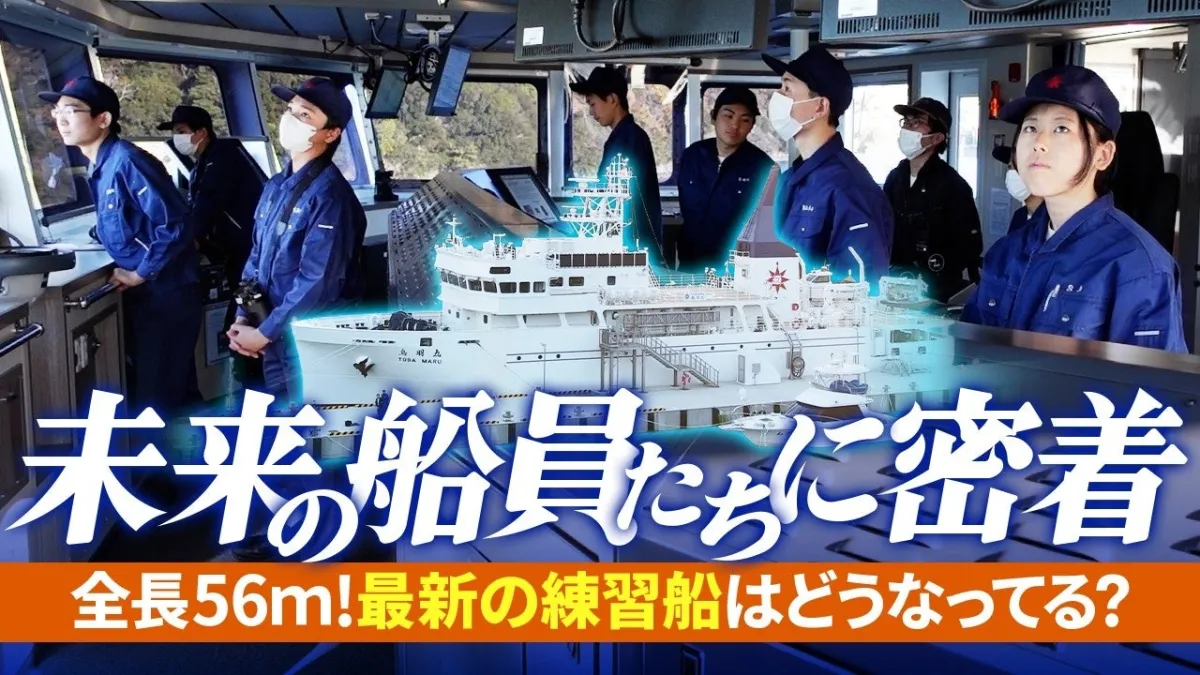
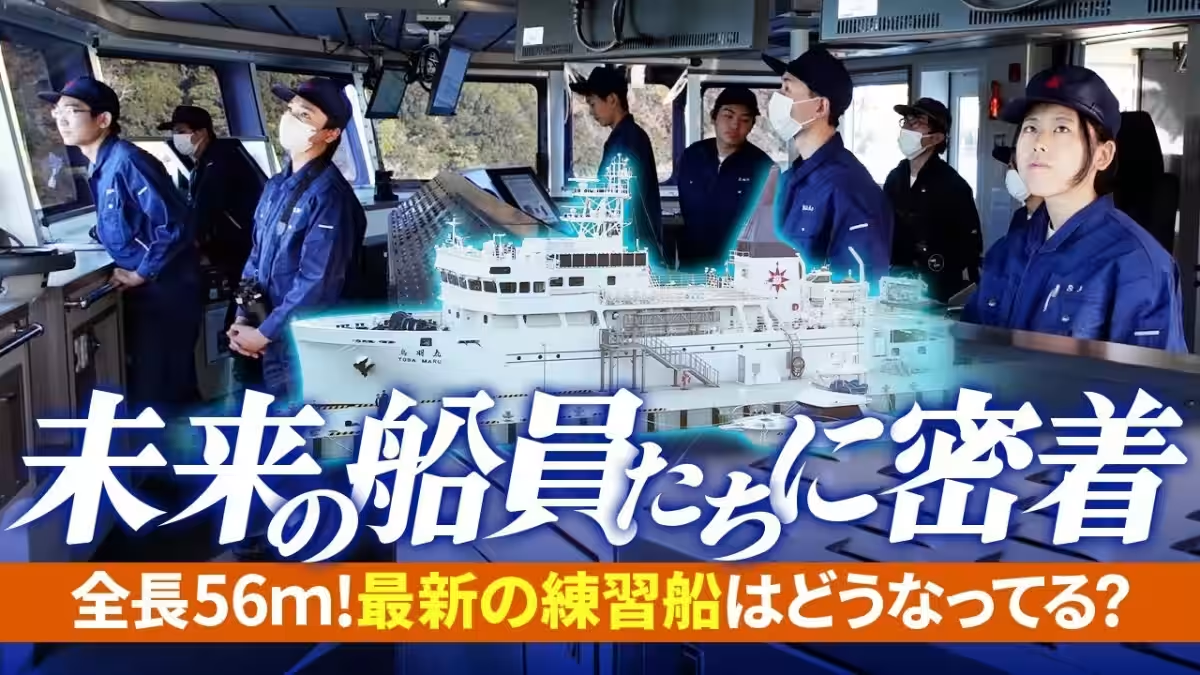
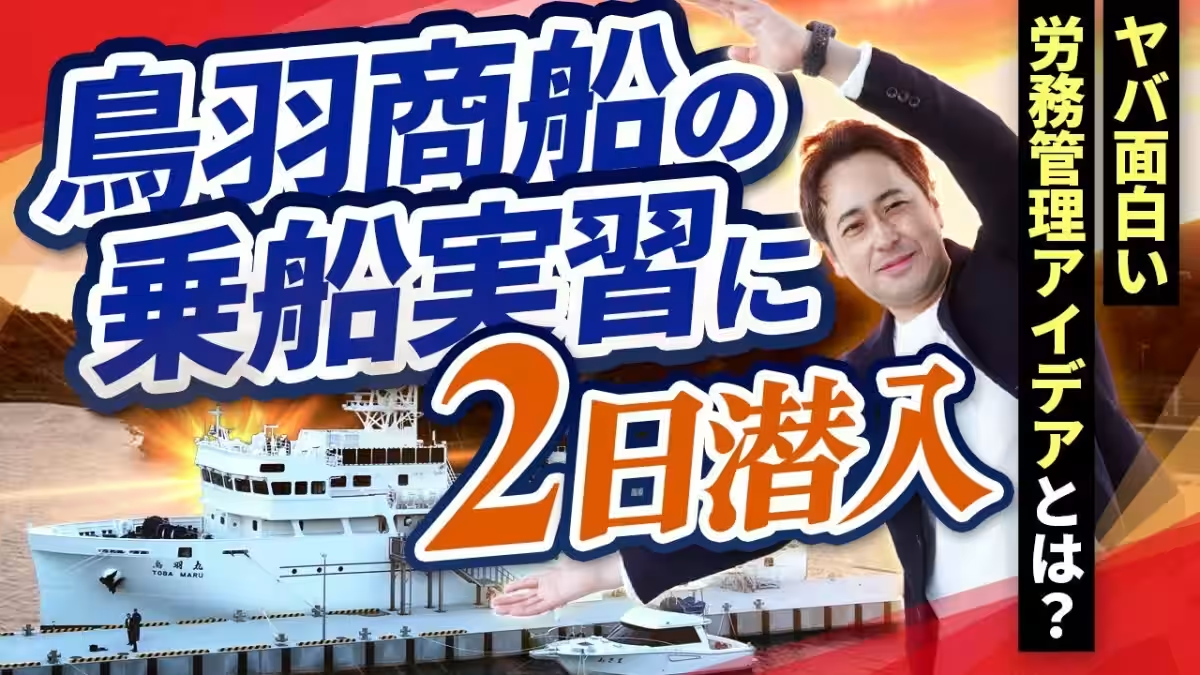
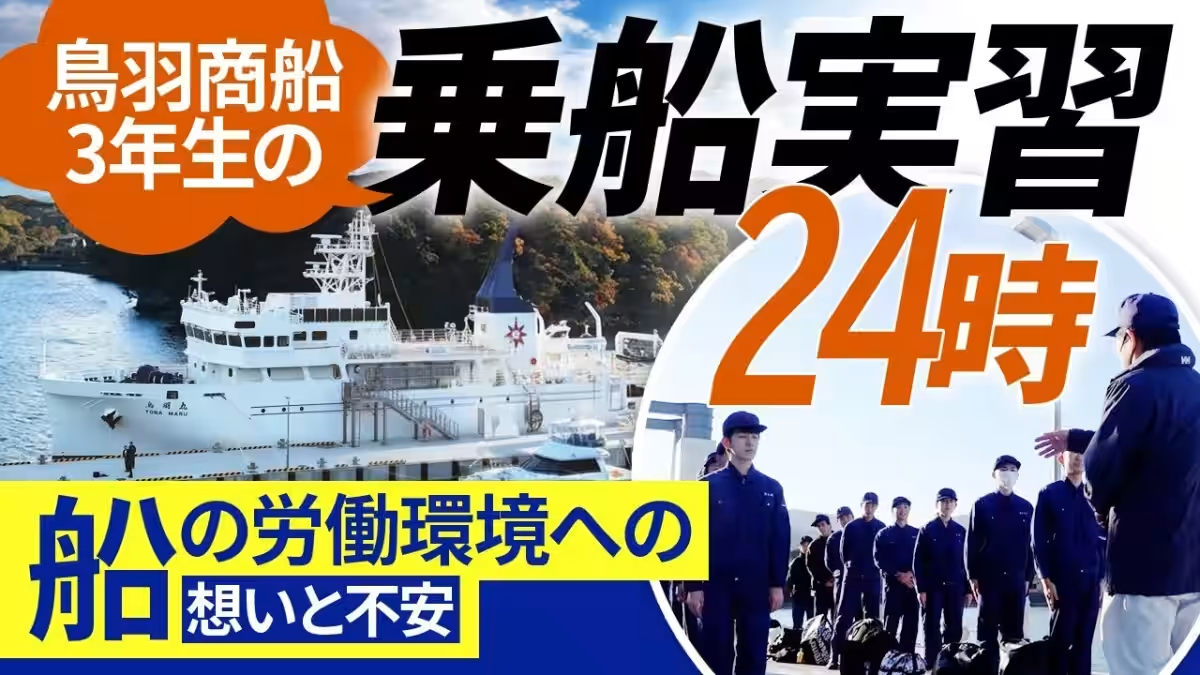
Recent developments in maritime education have seen the introduction of advanced training vessels like the Toba Maru, which offers a state-of-the-art platform for aspiring sailors. AIS Corporation (headquartered in Chiyoda, Tokyo), has released a video on the Tora Kuru Channel showcasing an experiential voyage undertaken by students from Toba National College of Maritime Technology aboard this impressive 56-meter training ship.
Experience on the Toba Maru
Toba Maru is not just a vessel; it is a sophisticated educational environment that simulates real-life maritime conditions, preparing students for careers at sea. The video captures the essence of a rigorous training atmosphere where students collaborate as a team, communicate effectively, and create real-life sailing scenarios. One notable aspect presented in the footage is the unique tension and responsibility that come with working aboard a ship, contrasting markedly with traditional classroom learning.
While continuity in daily operations onboard is crucial, students quickly learn that even minor lapses in planning and information sharing can have significant impacts on safety and work efficiency. The video encapsulates the spirited efforts of these future seafarers, providing insights into what the next generation values and what aspects prompt them to feel uncertain.
Navigating with TRANS-Crew
In addition to showcasing life aboard Toba Maru, the video introduces the labor management system TRANS-Crew. This software was integrated into the training session, offering students hands-on experience with a tool designed to enhance their future work environments. Prior to the sailing experience, AIS conducted a class focusing on the recent changes in maritime labor laws and the significance of effective labor management, framing the necessity of systems like TRANS-Crew.
This session aimed to reveal essential conditions for “DX actually used in the field” by presenting real ship operations. Opinions from students post-experience highlighted critical observations, including:
- - Functionalities that are genuinely helpful at sea
- - Strategies to minimize the burden of record-keeping and data input
- - Essential structures for sustainable daily operations
The TRANS-Crew operation scenes, along with the students' feedback, present valuable insights from future primary stakeholders in the industry that can guide effective implementation and acceptance of such technologies.
Creating a Desirable Workplace for Mariners
The experiential voyage included interviews with the students, delving into their school lives, motivations for pursuing seafaring careers, and their expectations for a supportive workplace environment. Their candid reflections provide pivotal insights into what this new generation prioritizes as they approach joining the workforce, alongside their concerns about job stability and working conditions. Understanding these preferences not only aids in recruitment and training but also informs strategies for reforming maritime work cultures and implementing workplace innovations like shipboard DX.
This video thus serves as a significant resource for maritime companies keen on aligning their workplace environments with the needs and expectations of the next generation of seafarers.
Captivating Footage from Toba Maru
Among the highlights of the video are visually stunning scenes captured with drones, presenting Toba Maru navigating through picturesque waters bathed in morning light. This dynamic imagery not only emphasizes the thrilling aspects of maritime work but effectively conveys the urgency and excitement of life at sea, while also promoting the message surrounding the theme of shipboard DX.
Understanding TRANS-Crew
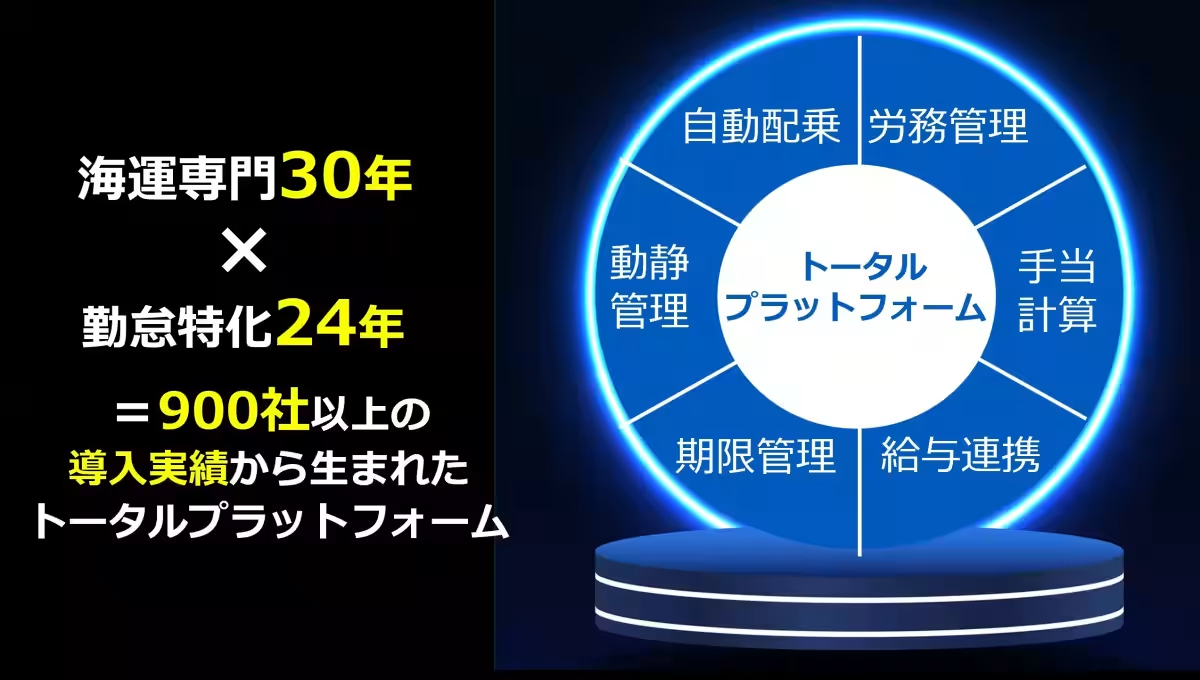
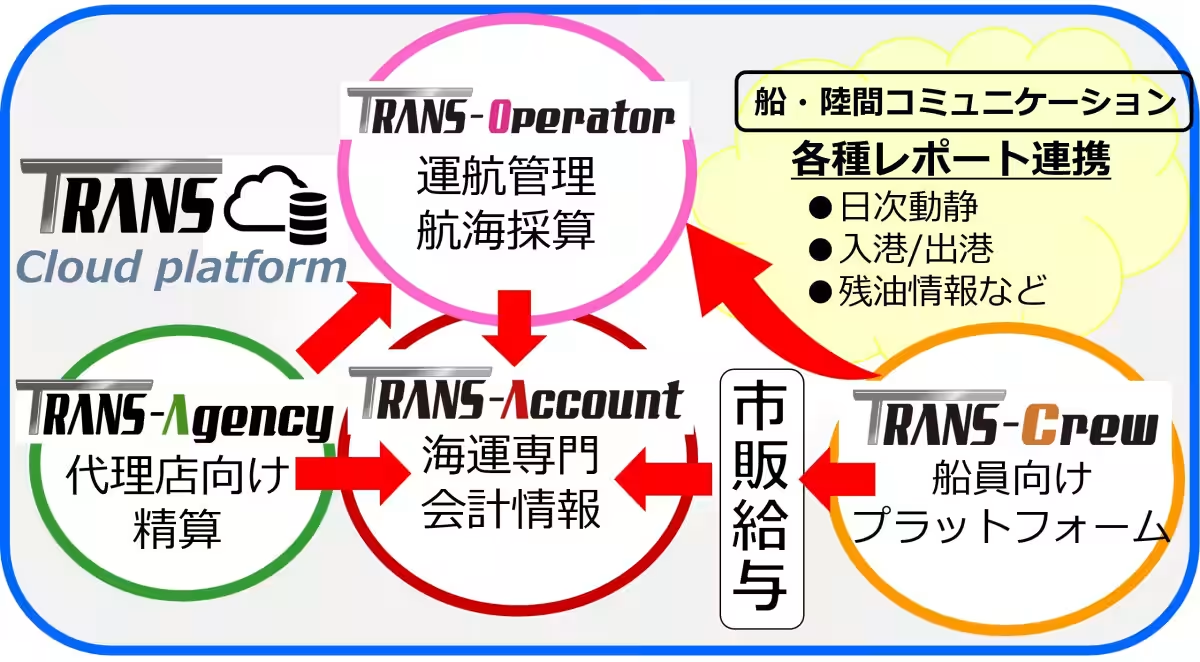
TRANS-Crew stands as a comprehensive platform designed for seafarers, consolidating various onboard operational needs such as crew assignment planning, labor management, wage calculation, qualifications tracking, and real-time activity logs. By streamlining these complex processes, it aims to boost productivity alongside enhancing the work-life balance for maritime professionals, thereby fostering continual digital transformation (DX) within the shipping industry.
This engaging initiative also raises interesting questions about why there has been a surge in applications to work as seafarers; insights into how companies like Oura Shipping have kickstarted labor management digital transformations and light-hearted moments showcase the excitement behind this evolving field.
For more insights and an inside look at the Toba Maru experience, check out the full video on the Tora Kuru Channel. As we navigate the waters of innovation, AIS is committed to supporting a transformative approach to working conditions in Japan's maritime industry.
Topics Other)
【About Using Articles】
You can freely use the title and article content by linking to the page where the article is posted.
※ Images cannot be used.
【About Links】
Links are free to use.