



Significant Increase in Divorce Consultations Mentioning Joint Custody Post-Law Revisions
The Shift in Divorce Consultations Towards Joint Custody
Overview
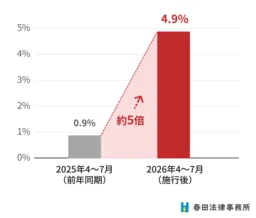
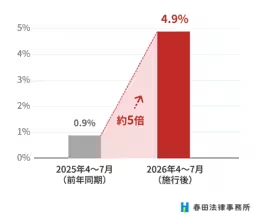
The topic of joint custody has come into sharp focus in divorce consultations since the implementation of revised civil law in April 2026. A striking analysis conducted by Haruta Law Firm, which operates across 12 locations in Japan, indicated that the percentage of inquiries mentioning joint custody increased to 4.9% during the April to July 2026 period. This marks a dramatic rise from just 0.9% in the same timeframe the previous year, a staggering fivefold increase.
Background: Revised Civil Law and Joint Custody
The revised civil law, effective from April 2026, introduced joint custody as an option for separating parents. Previously, the system predominantly recognized sole custody, often favoring the mother as the primary caregiver. With the new legal framework, both parents can now share custody, drastically altering the dynamics of post-divorce child-rearing.
A Quantitative Leap in Joint Custody Inquiries
In the aftermath of the law's enactment, the noticeable uptick in consultations reflects not only a newfound interest in shared parenting but also a shift in public perception concerning parental rights post-divorce. The data analysis revealed that the increase in inquiries from parents indicates a proactive approach to understanding their rights and options available under the new custodial arrangements.
From April to July 2026, approximately 4.9% of divorce-related consultations involved discussions around joint custody—an impressive rise from the previous year's 0.9%. The story surrounding these consultations was not merely about an increase in numbers but also about an awakening interest in ensuring both parents can remain active in their children's lives, even after a divorce.
The Profile of Consultations
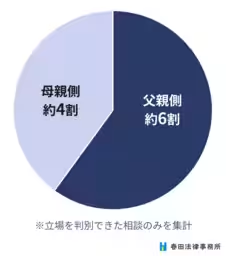
Out of the cases where the inquirer’s relationship status could be determined, around 60% were from fathers, with the remaining 40% coming from mothers. Traditionally, under a sole custody system, fathers often found their ability to maintain a relationship with their children restricted. The new law appears to be empowering fathers, who previously perceived themselves as at a disadvantage when it came to custodial rights, to voice their interest and seek information about joint custody.
This shift illustrates a potential transformation in how fathers view their role post-divorce and indicates a growing acceptance of shared responsibilities in parenting.
Challenges and Concerns
While many consultations expressed a desire to pursue joint custody, there were also voices of caution. Some individuals remarked on the


Topics Other)









【About Using Articles】
You can freely use the title and article content by linking to the page where the article is posted.
※ Images cannot be used.
【About Links】
Links are free to use.