



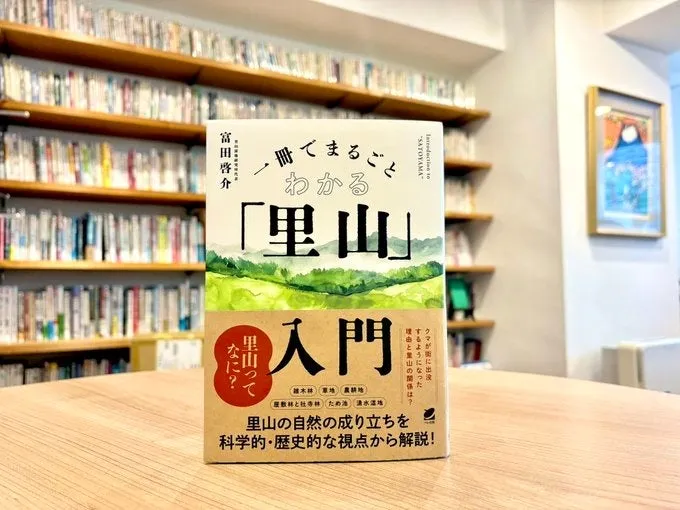
Understanding Satoyama: A Comprehensive Guide to Japan's Ecosystem
Unveiling the Significance of Satoyama in Japan's Eco-System
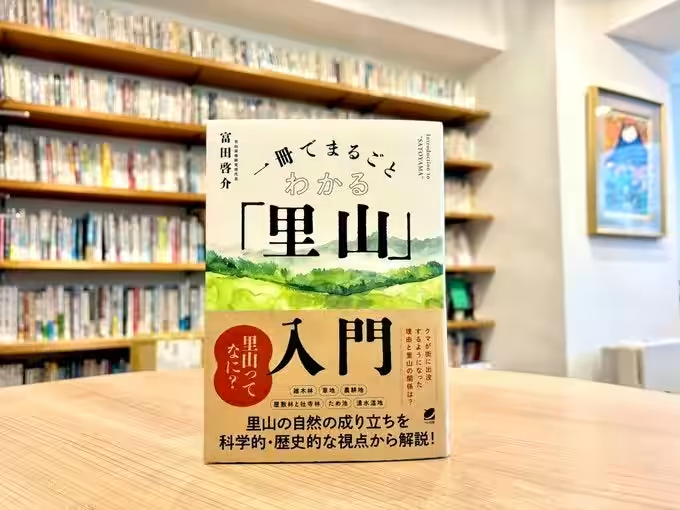
In recent years, the frequency of wildlife-related damages and the invasion of non-native species have become significant concerns. These issues, however, are rooted in the deterioration of Japan’s vital ecological zones known as Satoyama. On November 20, 2025, Beret Publishing will release a new book titled _Understanding Satoyama: A Comprehensive Guide_ by Keisuke Tomita, a detailed work that offers insights into the historical, scientific, and social dynamics of these unique environments.
What is Satoyama?
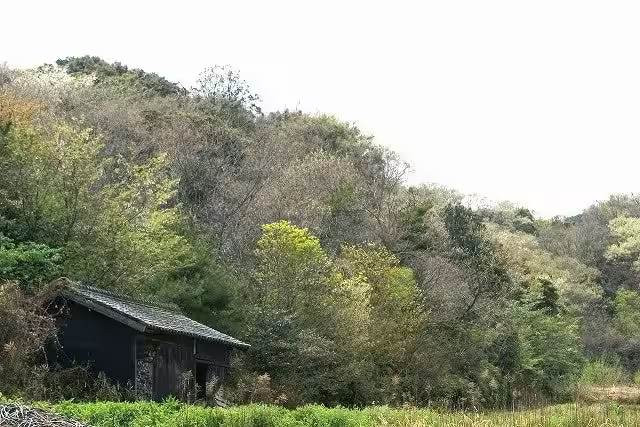
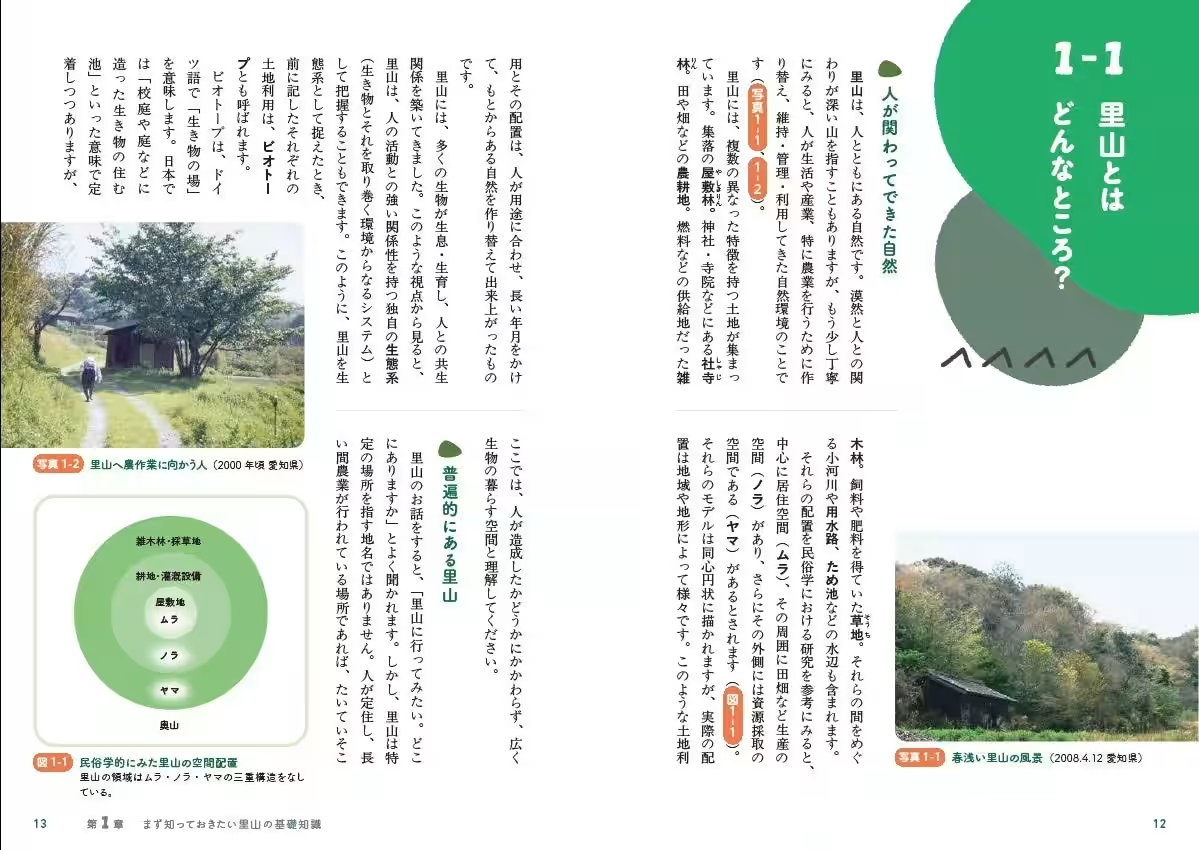
Satoyama, covering approximately 40% of Japan's land, embodies a three-tiered structure, interconnected by the villager (Murah) habitation, the wild (Nora) agricultural production, and the resources drawn from the mountains (Yama). It serves as a linchpin linking human life with nature, providing essential resources such as firewood, charcoal, fertilizers, and food. Moreover, these areas support diverse ecosystems, thereby maintaining biodiversity.
The Consequences of Satoyama Deterioration
Unfortunately, the recent trends in urban development and a lack of agricultural stewardship have led to an alarming 420,000 hectares of abandoned farmlands. The management of woodlands has collapsed, leading to overgrowth of bamboo forests, which significantly hampers the natural habitat.
This deterioration has dire repercussions, with losses from wildlife damage to agriculture soaring to 16.4 billion yen annually. The encroachment of wild animals into urban areas and the introduction of foreign species have intensified, causing far-reaching impacts on local communities and natural environments. Such challenges are largely consequences of the loss of Satoyama, emphasizing the crucial role it plays in sustaining both ecosystems and human societies.
The Importance of Reviving Satoyama
This book meticulously explores the structure, ecology, and contemporary issues surrounding Satoyama while presenting various conservation efforts. Although aimed at newcomers, it covers a wide array of relevant topics. The author utilizes scientific data, historical context, and social importance to articulate Satoyama's multifaceted role.
From a global standpoint, the book also ties in the relevance of Satoyama to all 17 Sustainable Development Goals (SDGs), highlighting its significance in international conservation movements.
Author’s Expertise
Keisuke Tomita, a prominent researcher specializing in natural geography, has dedicated years to the study and preservation of Satoyama. With hands-on experience, he includes practical insights into pond and wetland conservation as well as community collaboration initiatives. By breaking down complex subject matter with photographs and diagrams, the book ensures an accessible read for those curious about wetlands, environment issues, or human-nature relationships.
This resource will cater to a broad audience including conservation enthusiasts, educators aiming to teach the interdependence of humans and nature, or anyone interested in environmental matters. The intricate relationship between Satoyama and both social and ecological challenges underscores its value and necessity for future conservation efforts.
Book Details
- - Title: Understanding Satoyama: A Comprehensive Guide
- - Author: Keisuke Tomita
- - Price: 2090 yen (including tax)
- - Release date: November 20, 2025
- - ISBN: 978-4-86064-807-7
- - Publisher: Beret Publishing
- - Publisher's Website
By focusing on Satoyama, this book reiterates its importance in maintaining a balanced relationship between humans and their natural surroundings. With its wealth of information and innovative presentation, _Understanding Satoyama_ is an essential read for anyone looking to explore the intricacies of this vital ecological zone.
Topics Environment)
【About Using Articles】
You can freely use the title and article content by linking to the page where the article is posted.
※ Images cannot be used.
【About Links】
Links are free to use.