



Exploring Physical AI: A Seminar Report on the Future of Manufacturing
Exploring Physical AI: A Seminar Report on the Future of Manufacturing
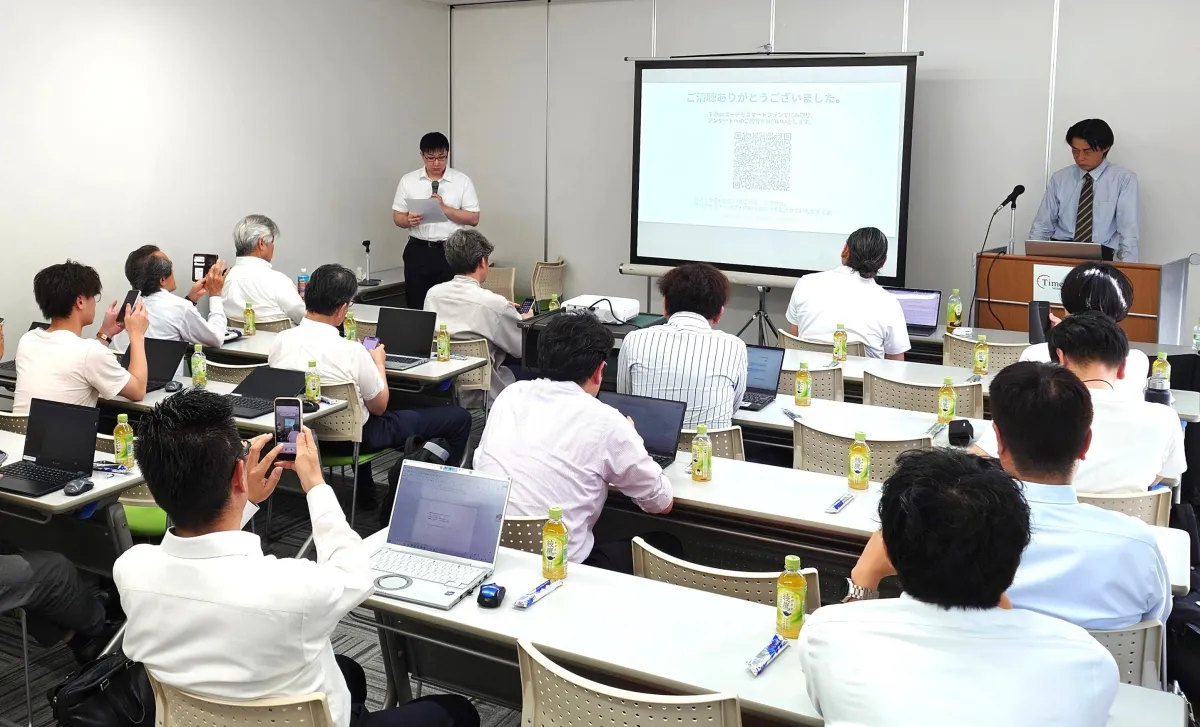
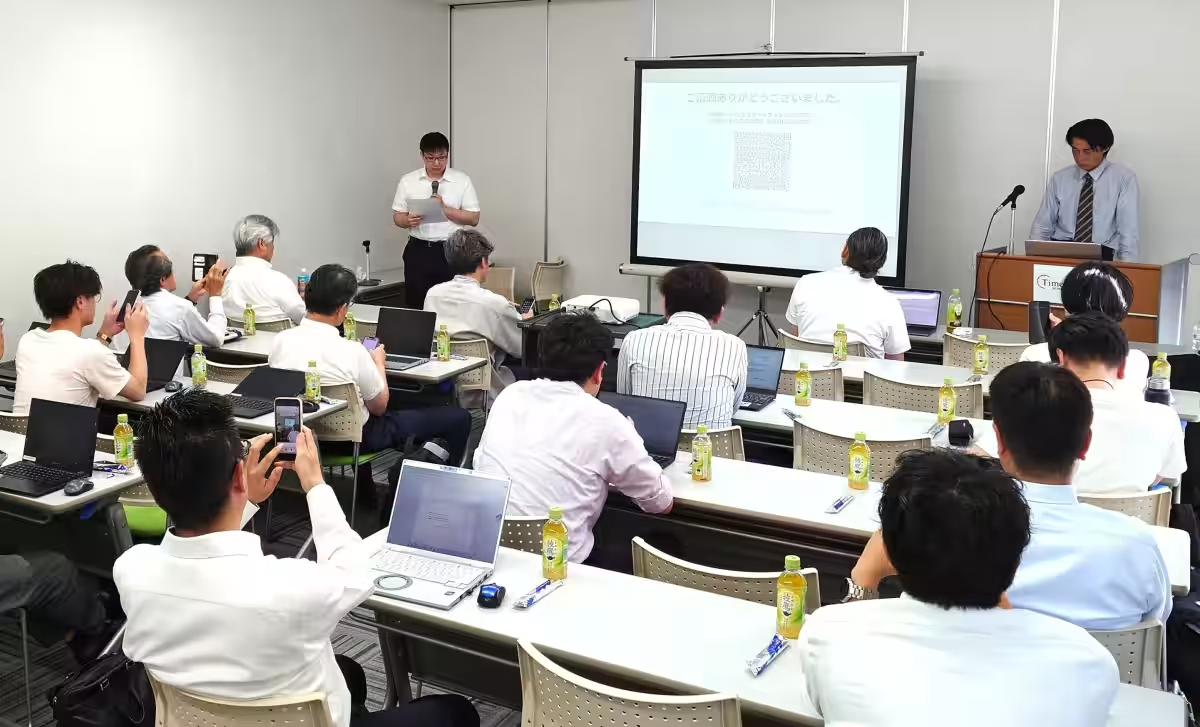
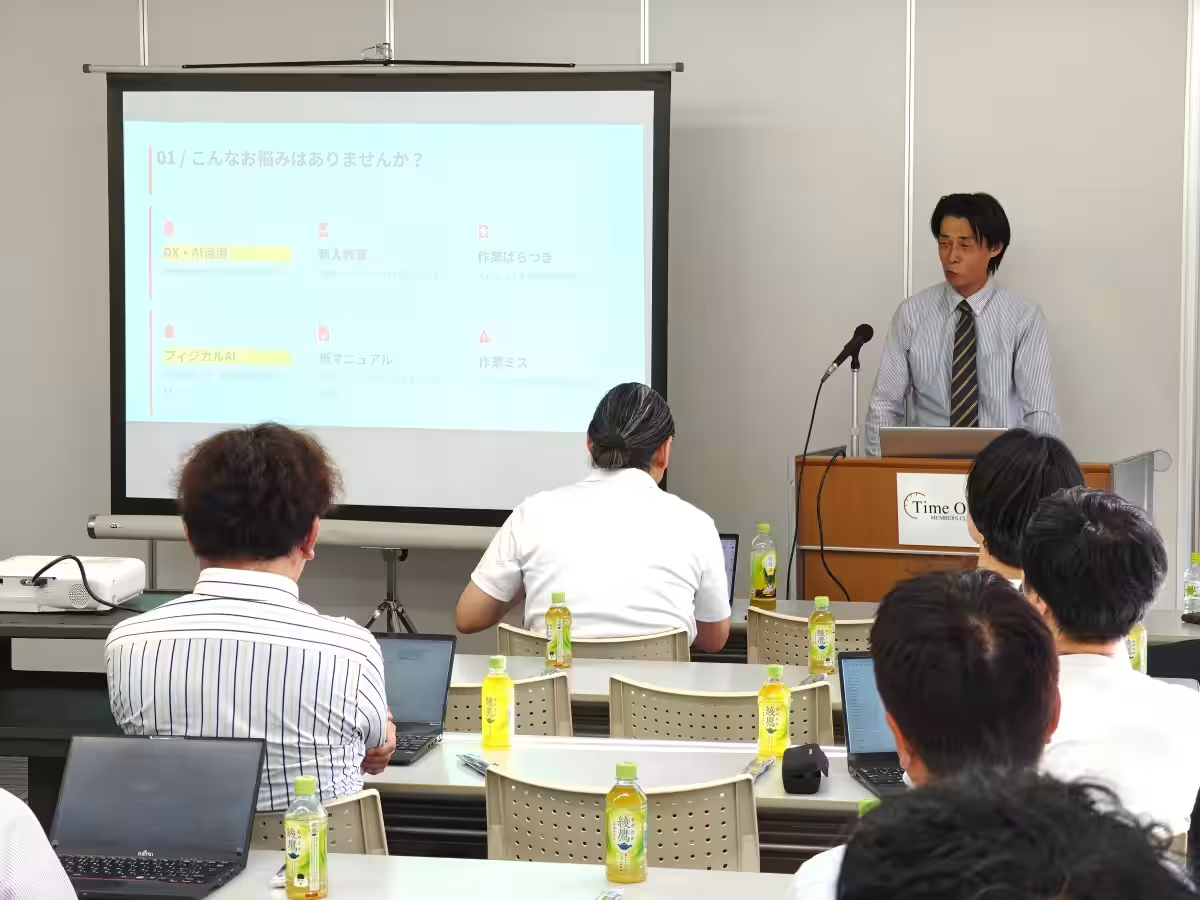
On July 16, 2026, Uhuru Corporation, led by CEO Takashi Sonoda, and C-UNIT SQUARE, headed by President Kenji Ueda, co-hosted a significant seminar titled "First Steps Towards Physical AI - What Manufacturing Sites Can Do Now". This event aimed to engage professionals from the manufacturing industry, particularly amidst the increasing interest in collaborative Human-Robot technologies known as Physical AI.
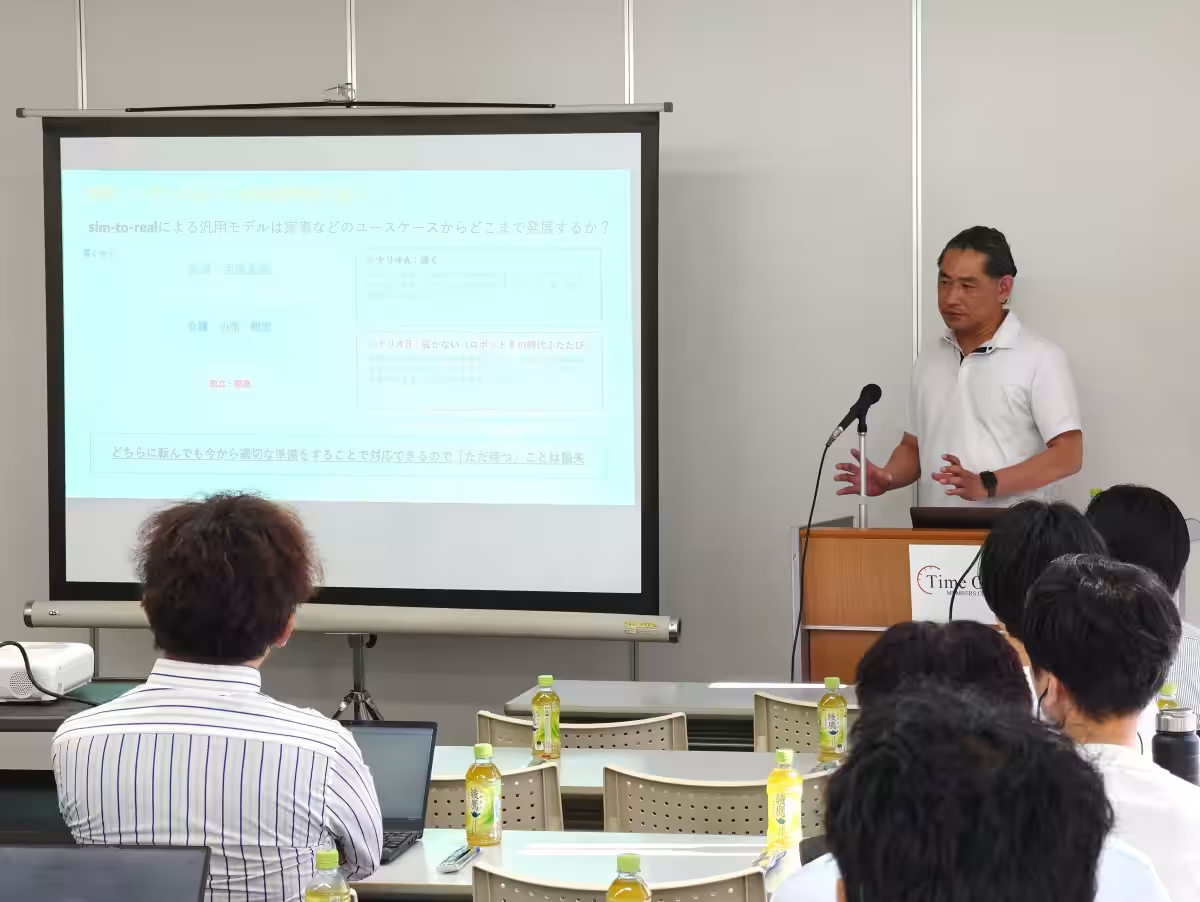
The seminar's goal was to deepen the understanding of data utilization, digital transformation, and the distribution of roles between humans and AI that manufacturing sites must address now, while anticipating future practical implementations. The Chief Research Officer of Uhuru, Atsushi Kojo, gave a keynote presentation highlighting the latest trends surrounding Physical AI and the essential preparations manufacturing sites should undertake immediately.
Participants included a wide array of companies and organizations from the manufacturing sector, who engaged in active discussions during the Q&A sessions, which revolved around topics such as physical AI, digitalization of manufacturing sites, and the utilization of data, AI, and AR technologies.
Atsushi Kojo emphasized that while advancements in humanoid robots and Vision-Language-Action (VLA) models are rapidly evolving, manufacturing environments are still held back by challenges related to equipment, safety, and site-specific knowledge. He suggested that substantial real-world application would require more time. Kojo illustrated this by detailing the introduction of an "AI Manufacturing Operation Support System" implemented in a musical instrument factory in Vietnam. This system integrates AR, Vision Language Model (VLM), and multimodal RAG to provide workers with necessary information in real-time, thus laying the groundwork for the Physical AI era through retrofitting existing equipment.
During his presentation, Kojo stressed the importance of not merely waiting for Physical AI's advent but rather proactively preparing for it. It is vital to create a robust foundation for future technological advancements, which includes the digitalization of working environments, the datafication of procedures and tacit knowledge, and a clear delineation of responsibilities between humans and AI.
Understanding the Five Levels of Physical AI Implementation
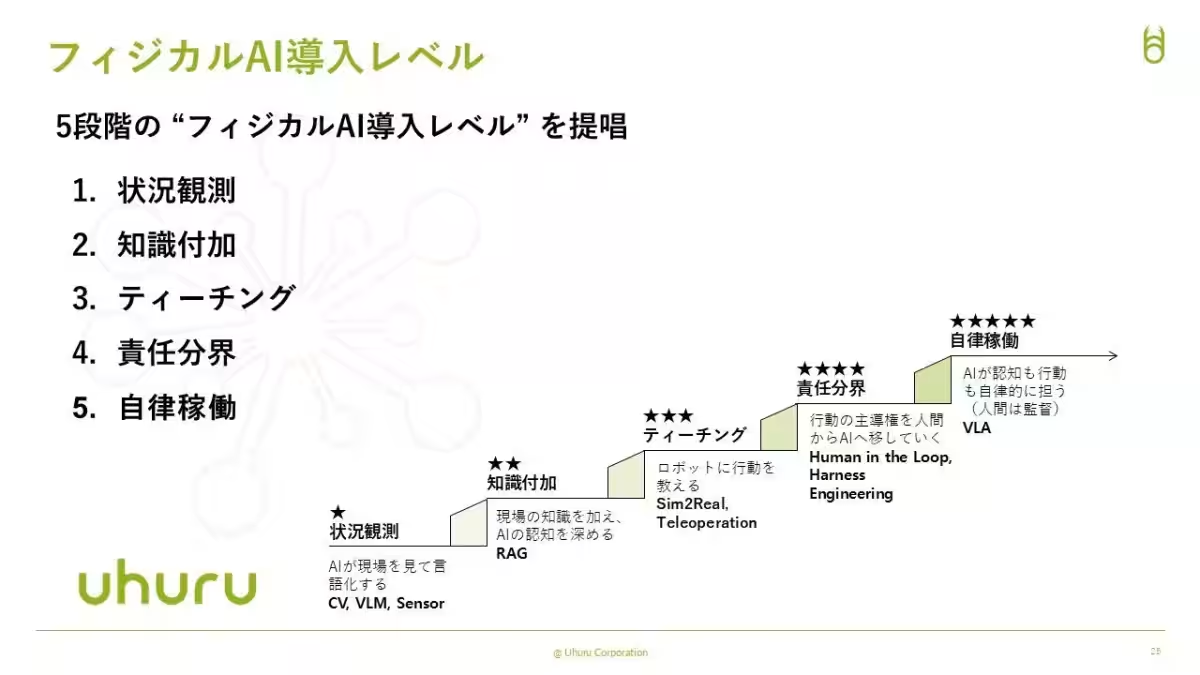
Moreover, Uhuru presented a five-level framework for the Physical AI implementation process, which includes: Situation Monitoring, Knowledge Augmentation, Teaching, Responsibility Division, and Autonomous Operation. This framework suggests initiating AI utilization through simpler methods that do not require robots, allowing companies to progressively integrate AI into their operations.
In another segment, Yoshida, the head of the Technical Development Department at C-UNIT SQUARE, discussed the potential of AR technologies in the manufacturing sector. He shared successful case studies demonstrating how AR could enhance training, operational assistance, and quality improvements in manufacturing settings. By offering necessary information visually to operators, AR can support skill transfer and boost work quality. Yoshida further explored the role of AR in creating collaborative environments where humans and AI coexist harmoniously.
Following the lectures, numerous questions addressed practical preparations for Physical AI implementation were raised, along with inquiries concerning data organization in manufacturing environments, the division of roles between AI and humans, and AR application. The networking session provided an excellent platform for participants to share challenges and initiatives, exchanging ideas on future technology utilization and collaboration possibilities.
Uhuru continues to support data and AI utilization in businesses and local governments, collaborating with research institutions like Nagoya University. Their involvement in the Cabinet Office's Strategic Innovation Creation Program (SIP) is notable, particularly regarding their research and development of new working styles leveraging virtual spaces, branded as "Meta Work". This reflects Uhuru's commitment to pioneering advancements towards the era of Physical AI.
Moving forward, Uhuru's expertise cultivated through research and corporate support will play a crucial role in aiding the manufacturing sector and other industries in leveraging data and AI for value creation, while also promoting the implementation of Physical AI through information dissemination and collaboration among companies.
Topics Consumer Technology)
【About Using Articles】
You can freely use the title and article content by linking to the page where the article is posted.
※ Images cannot be used.
【About Links】
Links are free to use.