



Creating a Plastic-Free Ocean: A Dream from Karatsu for the Next Generation
A Vision for a Plastic-Free Ocean
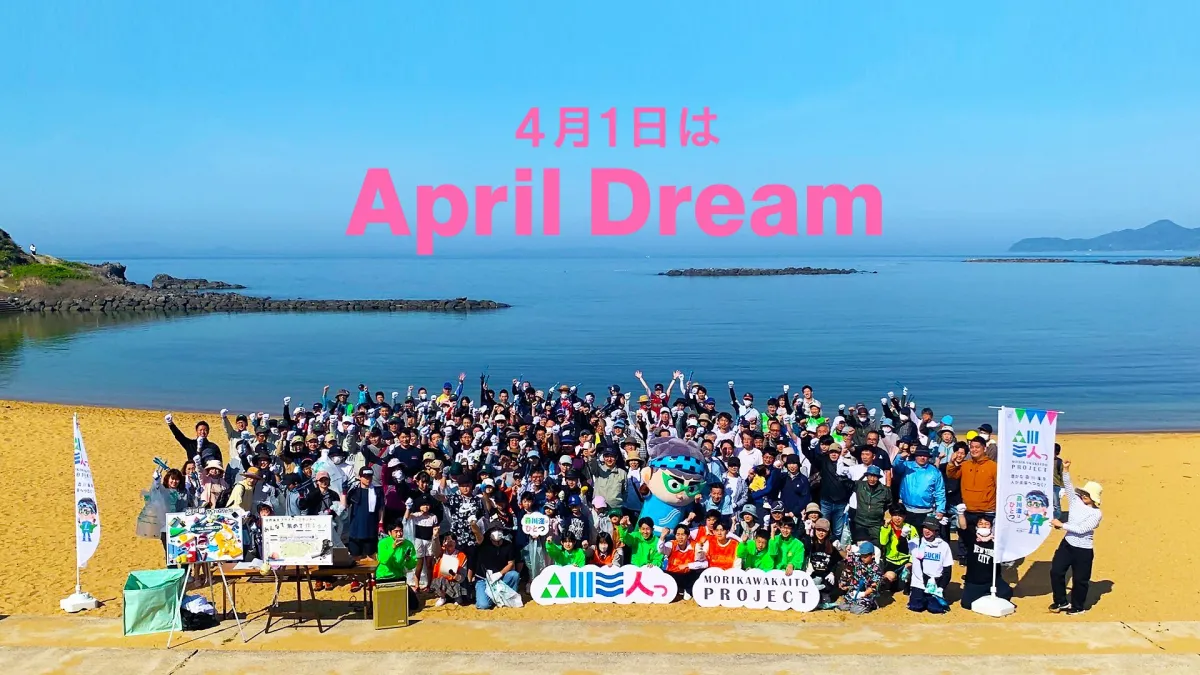
In a world increasingly threatened by plastic pollution, the NPO Karatsu Farm & Food dares to dream big. With a strong commitment to making Karatsu a significant player on the global stage, they advocate for a future where children will no longer need to collect marine debris, as part of the innovative April Dream campaign launched on April 1st. This initiative aims to broadcast their vision for a cleaner ocean to the world.
Understanding the Crisis
The statistics on ocean plastic are alarming. It’s estimated that by 2050, the weight of plastic in our oceans will exceed that of fish. The warning signals have been growing louder since the 1980s, during which we’ve seen a tenfold increase in ocean plastic. Reports from the UN’s scientific body, IPBES, have found that a significant proportion of marine wildlife—86% of sea turtles, 44% of seabirds, and 43% of marine mammals—are already impacted by plastic pollution. As this contamination spreads, it poses grave threats to the food chain, ultimately affecting human health.
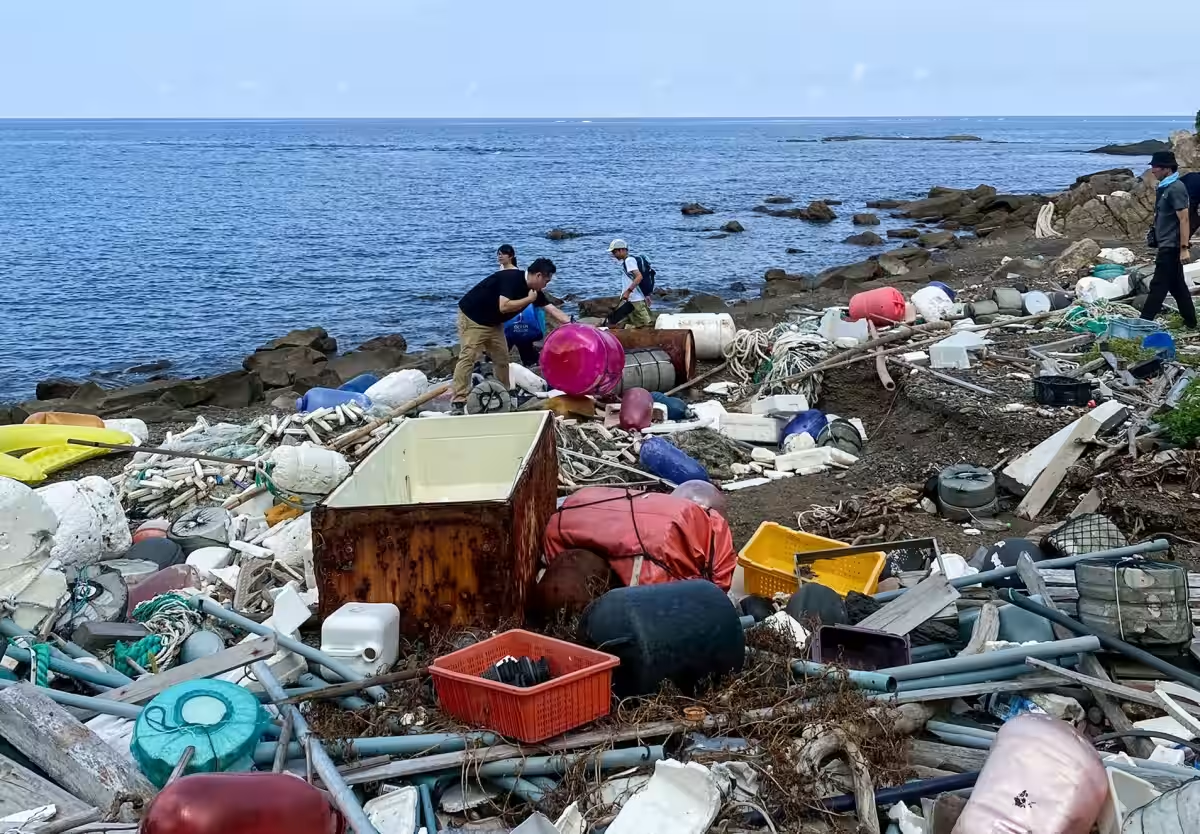
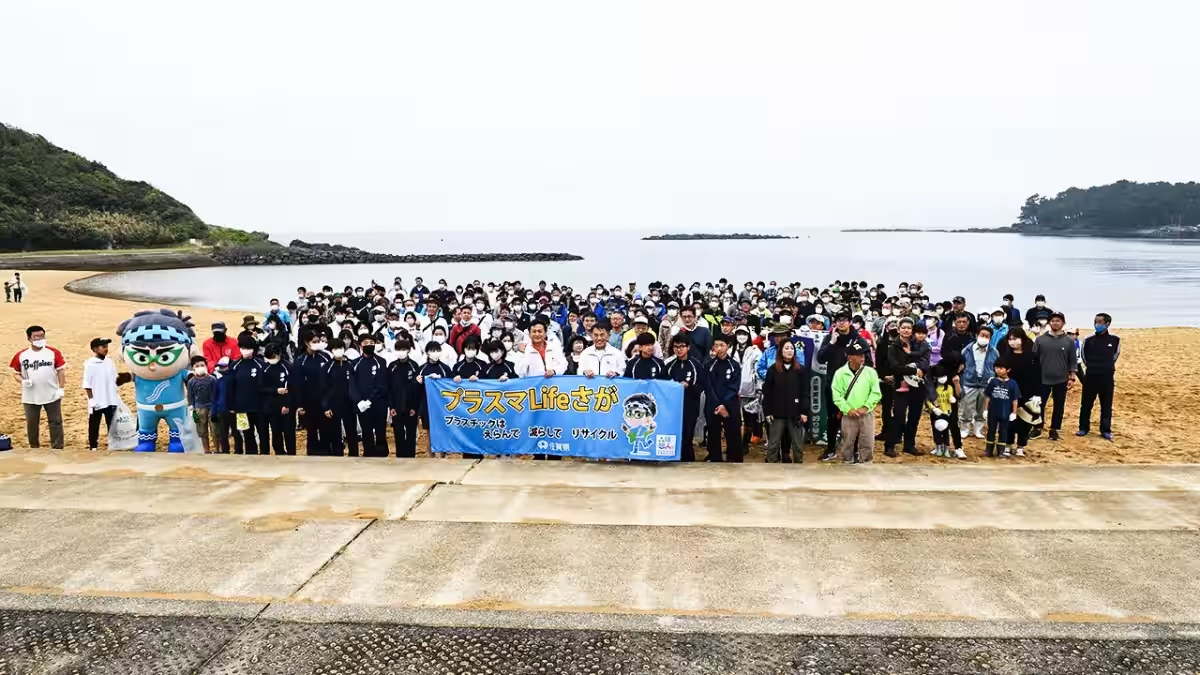
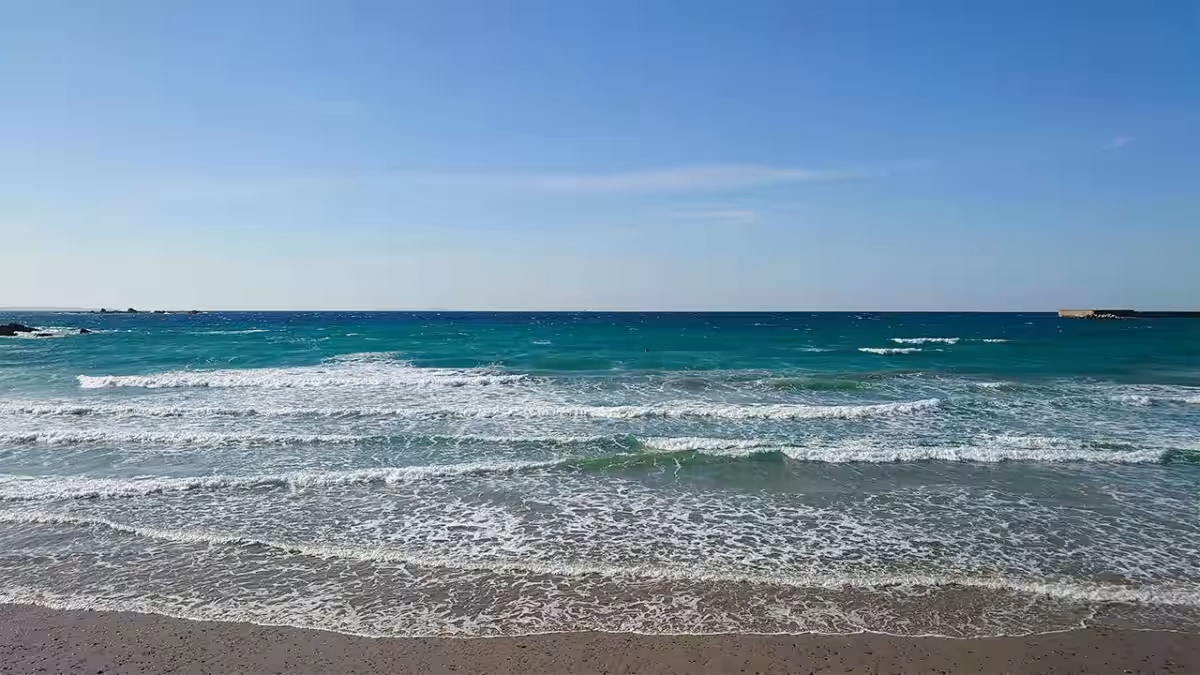
In Karatsu, the beauty of the ocean clashes sharply with the reality of ever-present waste. Yearly, over 8,000 cubic meters of debris (equal to around 320 truckloads) finds its way onto beaches, including the iconic Tsushima and Kujika beaches. No matter how many clean-ups are conducted, new trash washes ashore by the next day. Faced with this relentless cycle of pollution, the only solution is not to keep picking up trash.
From Waste to Resource
The team at Karatsu Farm & Food understands the necessity for a transformative approach. Rather than merely cleaning beaches, they have embraced the concept of a circular economy, which treats recovered plastic not as waste, but as a valuable resource.
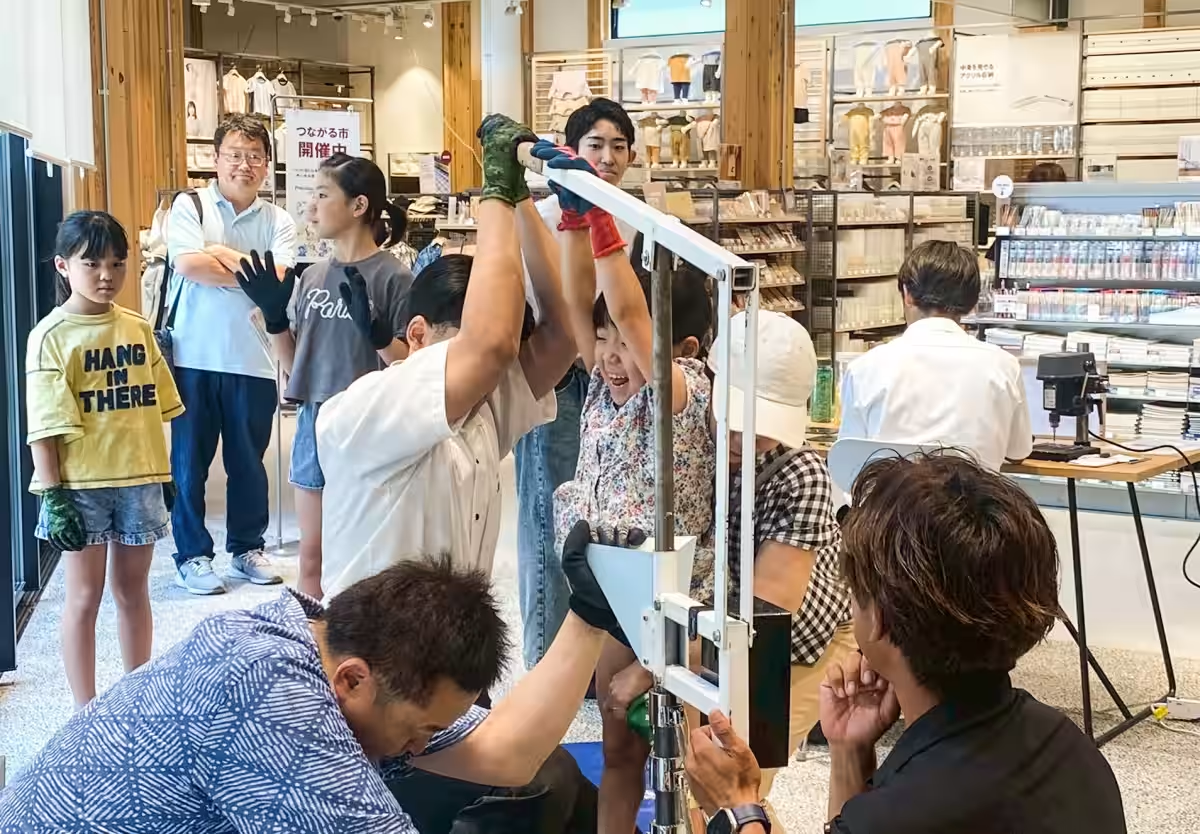
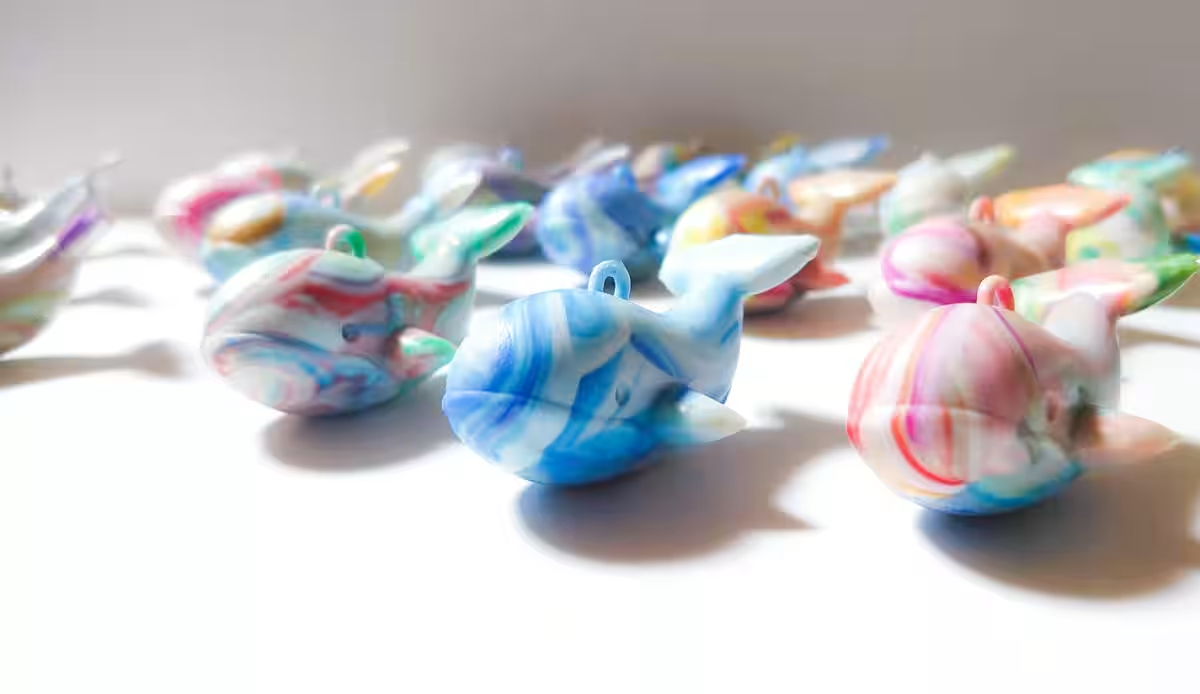
Participating in the global open-source project “Precious Plastic,” they have developed a program that uses specialized recycling machines to upcycle discarded plastics into new products. For example, plastic bottle caps can be transformed into whale-shaped keychains, while other collected plastics might become stylish sunglasses. When children collect these caps, they magically turn into medals for those competing in endurance events.
This notion, that one person's trash can become another's treasure, is a powerful sentiment that Karatsu seeks to spread from their town to the wider nation, and beyond.
Proven Impact
In just a short time, tangible evidence of their efforts has started to mount. The cumulative total of collected plastic has reached an impressive 2,272 kg (roughly 910,000 bottle caps), and over 11,241 participants have taken part in hands-on recycling experiences through a series of workshops. Having carried out a total of 123 SDGs workshops, their commitment has visibly resonated in the local community.
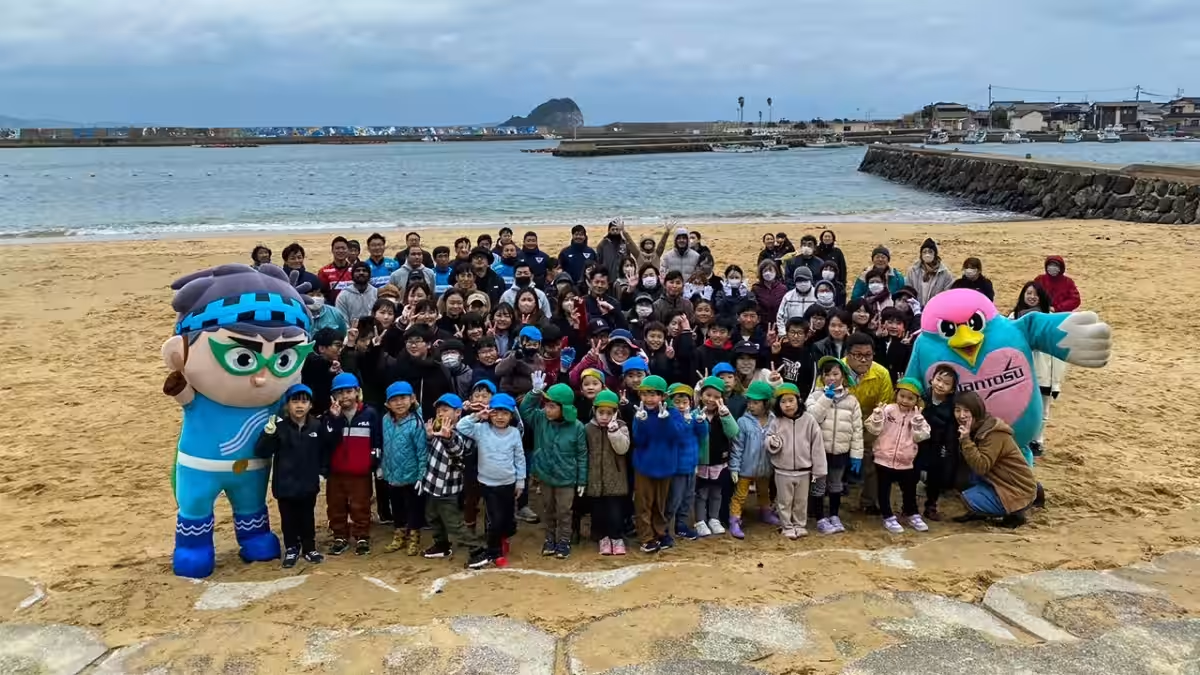
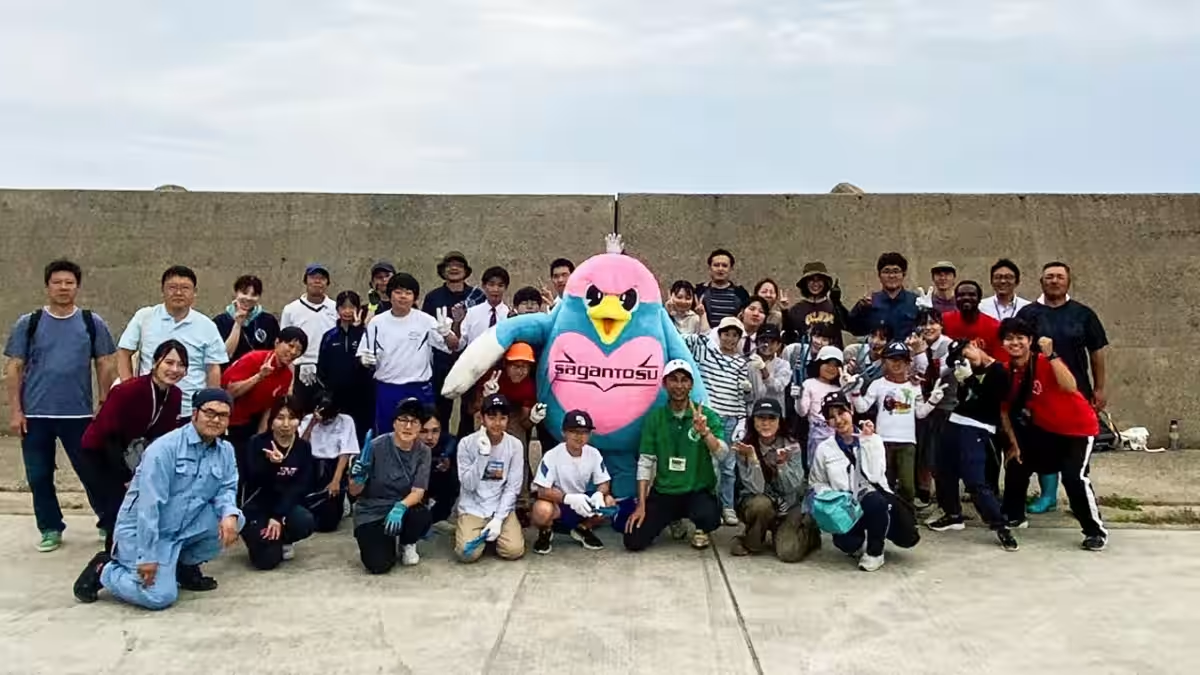
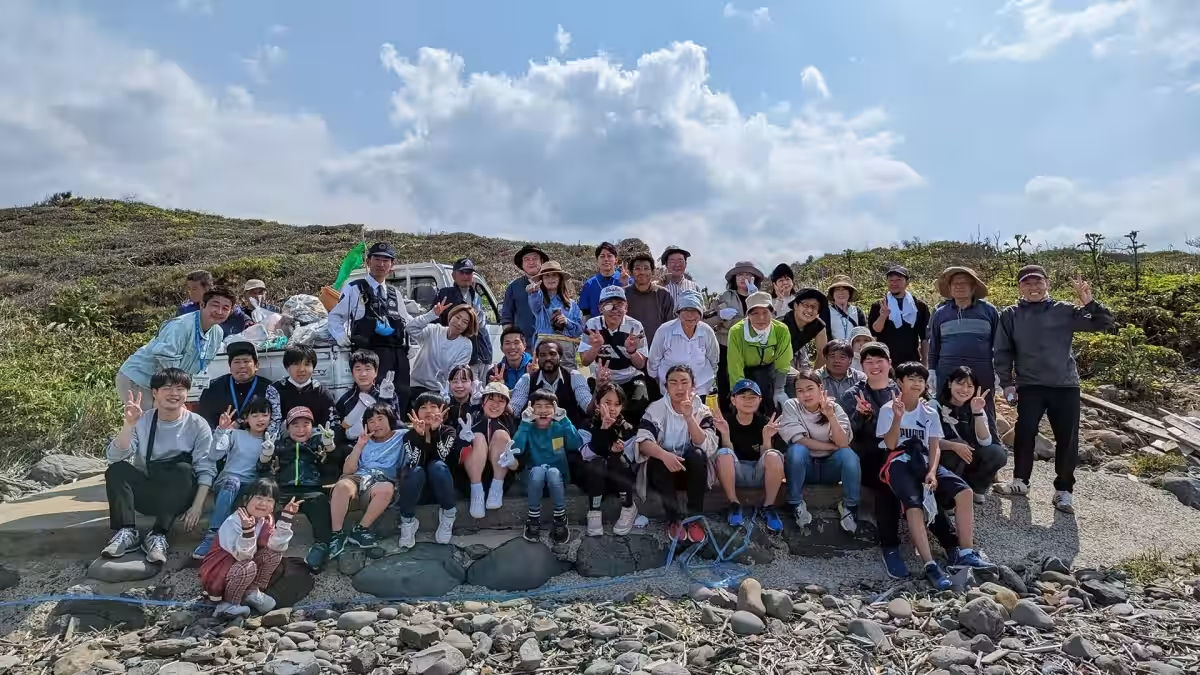
Projects have unfolded across various locations, including Hado Cape, Yobuko, and on islands including Mawatari and Ogawashima, engaging schools and local governments in collaborative beach clean-ups and recycling initiatives.
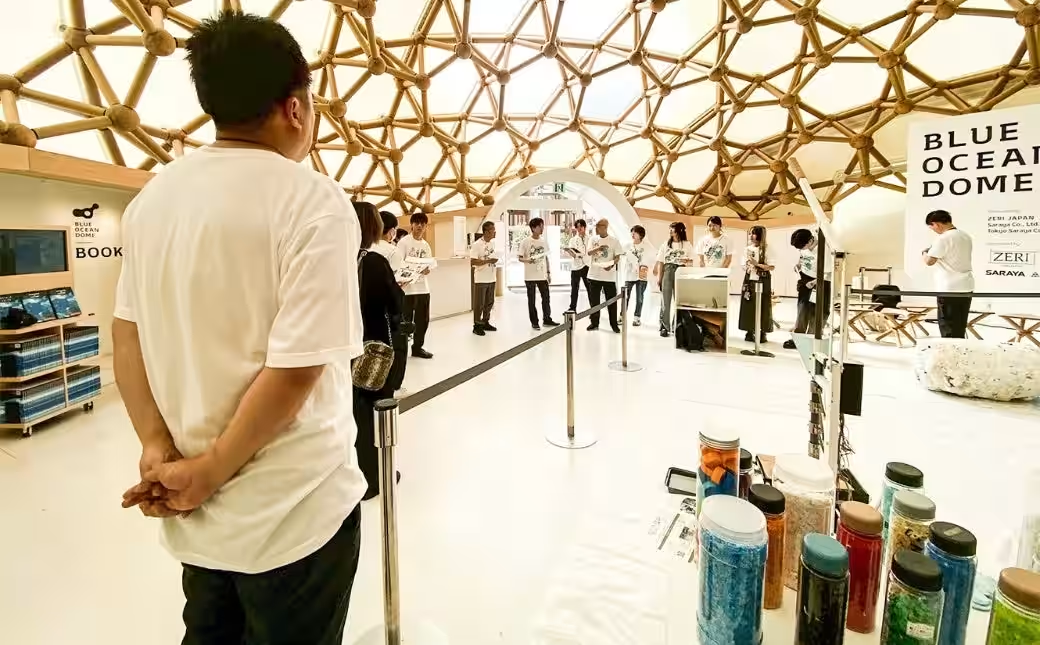
The upcoming EXPO 2025 in Osaka/Kansai also provides a platform for the NPO to showcase their cause. Students from Karatsu Minami High School will participate in a youth forum, discussing “realizing a circular economy for plastic resources,” linking local efforts to international discourse.
Empowering Future Generations
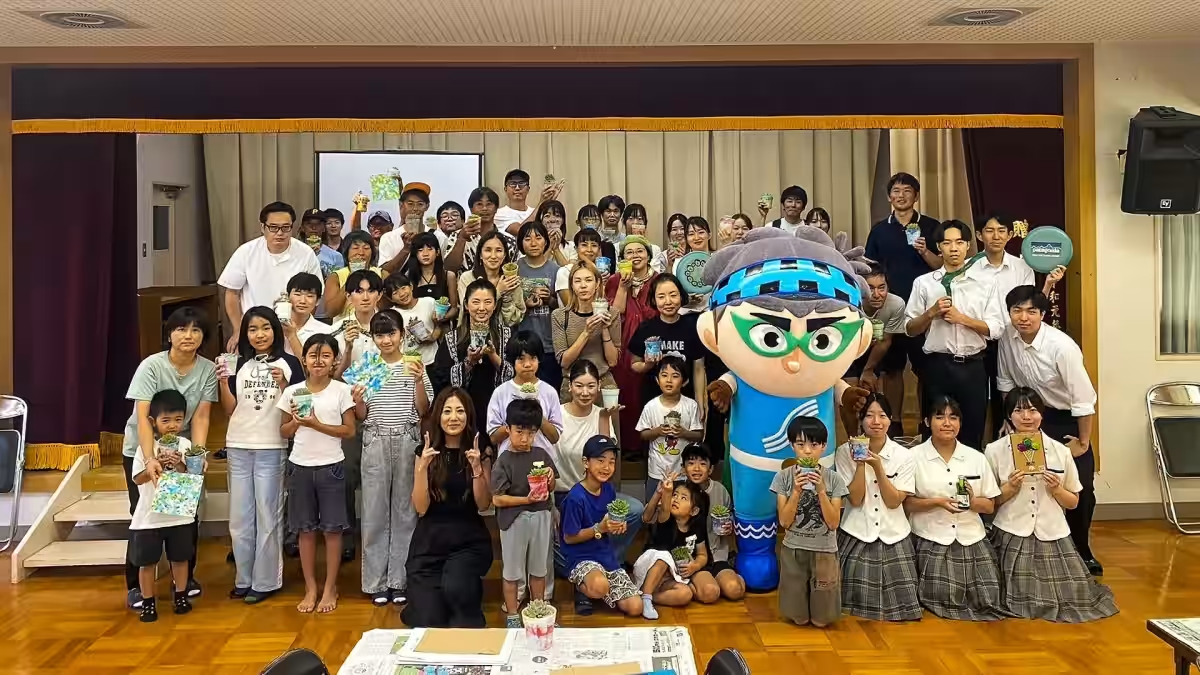
One of the cornerstones of their mission is working with children. For instance, elementary students at Yobuko Elementary School have organized their own beach clean-up, drawing in over 100 participants. Each participant created keychains from collected caps as memorable keepsakes. Such initiatives encourage kids to believe that small changes can lead to significant shifts globally.
The reflections from middle schoolers on Mawatari Island affect all present, reminding them that small efforts can ripple outward, creating monumental change. Their successful workshop at Kojima Elementary School—the first of its kind in Nagasaki—demonstrates the growing awareness and impact of these children's projects.
Such activities underscore the NPO’s larger goal: to cultivate a world where children don’t have to clean up the oceans. They aim to eliminate the source of pollution and foster a society where plastic is not just recycled, but effectively integrated into a sustainable economy through adult responsibility.
Collaborative Efforts
Karatsu’s mission is not one that can be accomplished in isolation. Partnering with organizations like “Kyushu Exploration Team” at Daimaru Hakata, they are expanding outreach both domestically and internationally. Their collaboration with Tsushima City and Waseda University’s “Precious Plastic Waseda” exemplifies their ambition to weave together urban and regional resource-circulation projects. Additionally, workshops are being developed alongside brands like Patagonia and Ayano Kyushu to extend their reach.
Conclusion
Through tireless efforts and a clear vision, Karatsu Farm & Food imagines a world where the ocean is free from plastic. Guided by the principle of recycling and reducing reliance on single-use plastics, they aspire to share their message beyond the borders of Japan, making an impact that resonates globally.
This is not merely an initiative; it is a passionate commitment to a dream.
About NPO Karatsu Farm & Food
- - Location: 3-7-22 Higashi-Karatsu, Karatsu City, Saga Prefecture
- - Established: 2019
- - Main Activities: Precious Plastic Karatsu, Nature Coexistence Site management, ESD environmental education, beach clean-ups, satoyama conservation
- - Plastic Recovery: 2,272 kg (about 910,000 bottle caps)
- - Recycling Participants: 11,241
- - SDGs Workshops: 123
- - EXPO2025 Participation: Blue Ocean Dome
Topics Environment)
【About Using Articles】
You can freely use the title and article content by linking to the page where the article is posted.
※ Images cannot be used.
【About Links】
Links are free to use.