




Public Perception of SDGs as Deadline Approaches 2030: Insights from 3000 Residents
Insights into Public Awareness of SDGs Ahead of 2030 Deadline
In light of the approaching 2030 deadline for the Sustainable Development Goals (SDGs), Loyalty Marketing, the operator of the common points service "Ponta", has conducted a comprehensive survey among 3,000 residents to assess their awareness and perceptions regarding SDGs. The insights unveiled significant trends and concerns as people reflect on the future beyond 2030, as well as the social issues that need urgent attention.
Main Survey Findings
Awareness of SDGs Timing
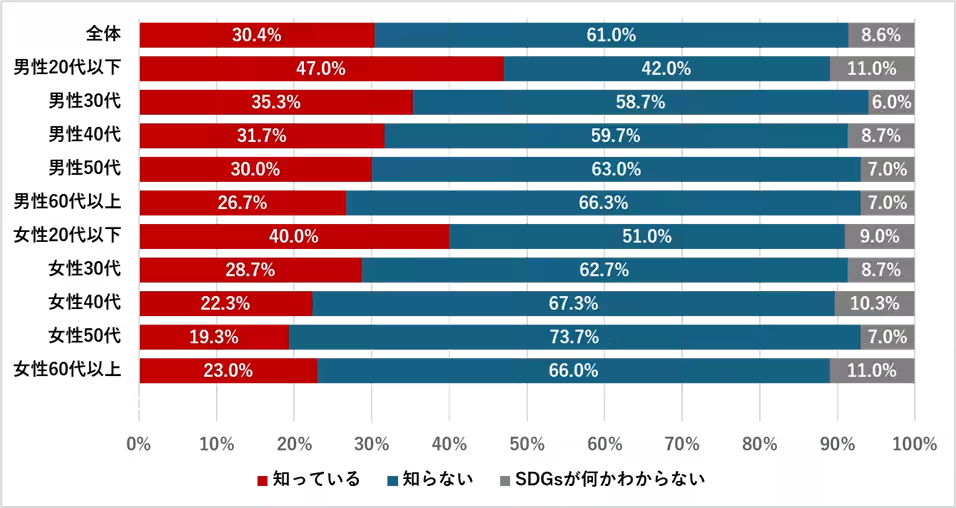
A staggering 61% of participants admitted to being unaware that the SDGs are set to be achieved by 2030. This figure highlights a considerable knowledge gap, especially among demographics such as women in their 50s, where the unawareness rate peaked at 73.7%. In stark contrast, familiarity with the SDGs was higher among younger males in their 20s, with nearly 47% acknowledging their knowledge of the goals.
Beliefs on Achieving SDGs by 2030
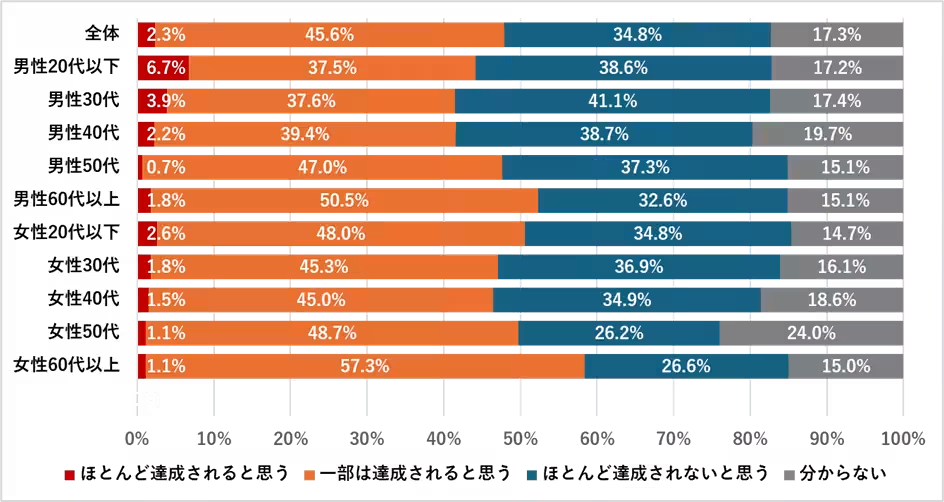
When questioned about the attainability of the SDGs by 2030, the most common response—45.6%—indicated that respondents believed only some goals would be achieved. This reflects a level of skepticism, particularly among older women, where 57.3% expressed this belief.
Sustainable Framework Beyond 2030
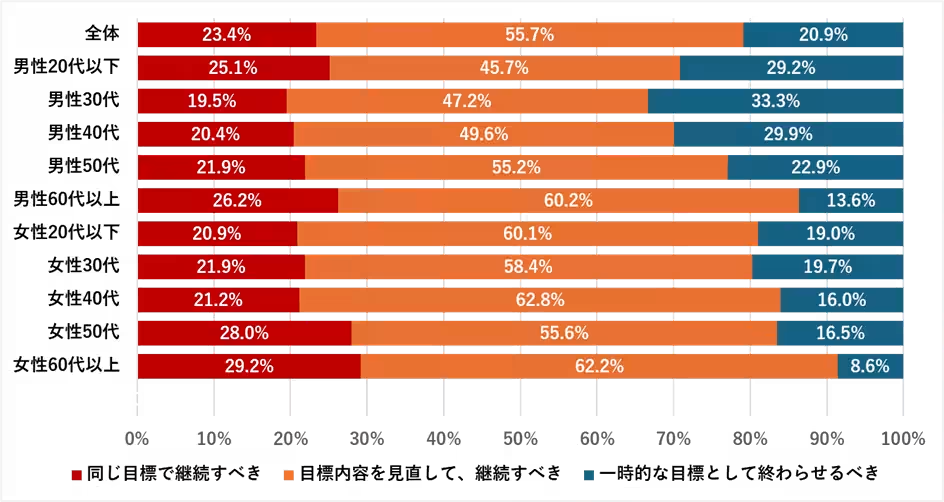
As the survey explored visions for the future of global frameworks like the SDGs post-2030, a dominant 55.7% proposed a review and continuation of the goals. Notably, nearly 80% of respondents leaned towards sustaining some sort of initiative rather than letting it become a finished project.
Priorities for Global Social Issues
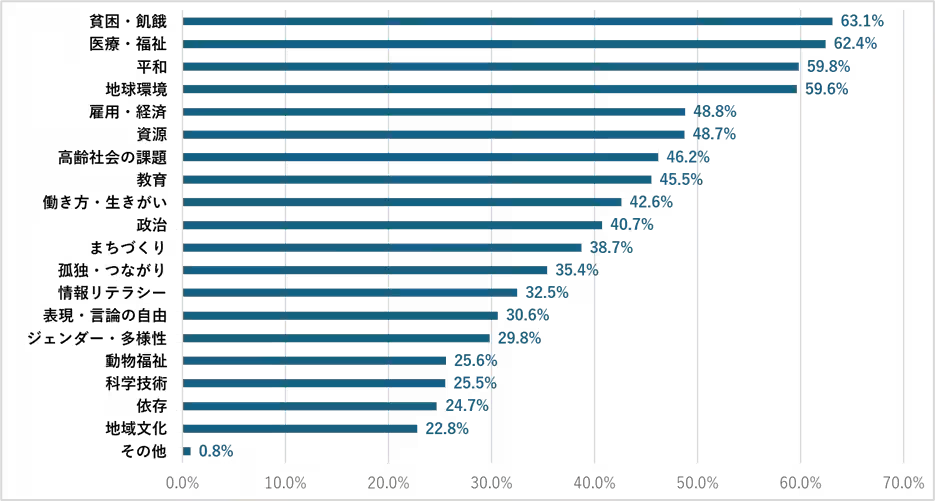
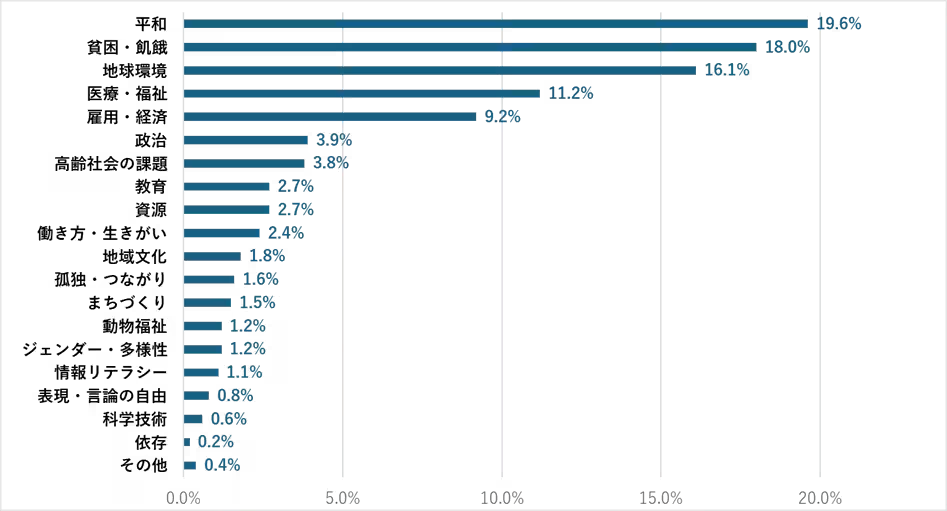
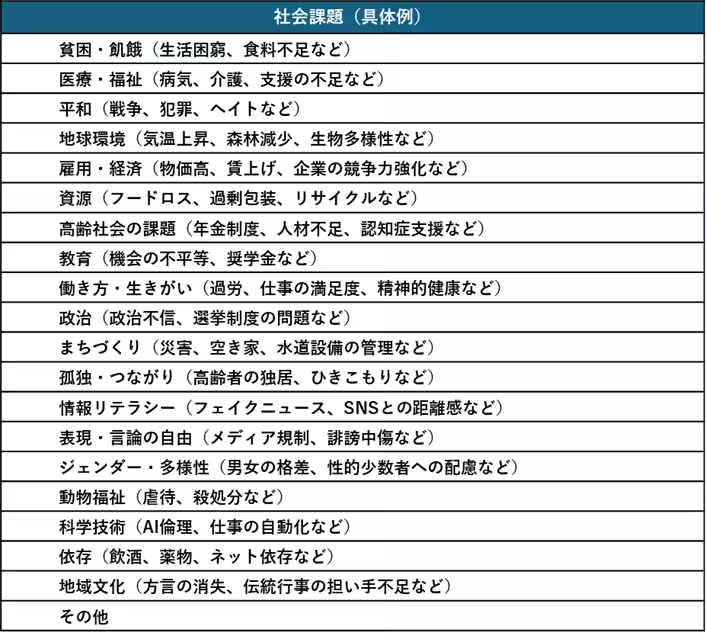
Among the social issues deemed most critical to address moving forward, peace emerged as the top priority at 19.6%. Other significant areas included poverty, hunger, healthcare, and environmental concerns. This reflects a wide concern for immediate global challenges, showcasing a collective desire for actionable solutions.
Engaging with SDGs: Awareness to Action
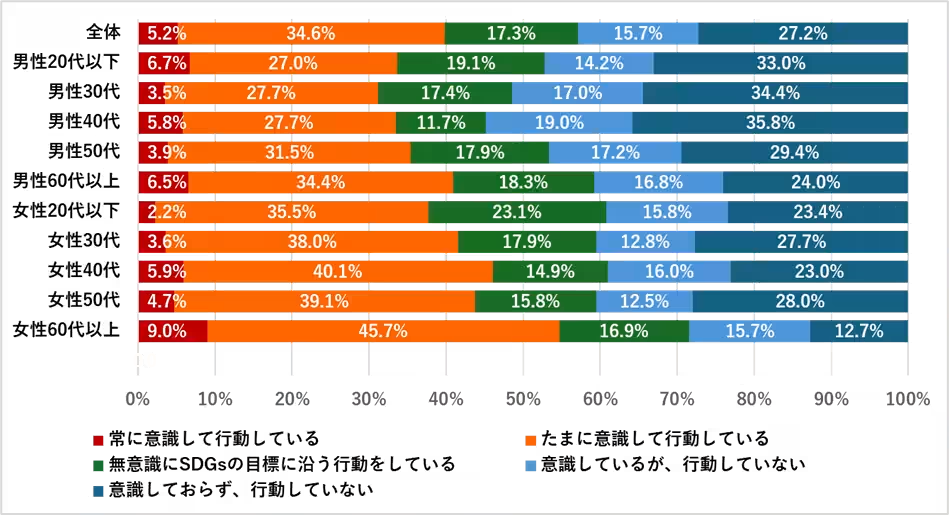
Despite a recognized awareness of SDGs, behavior largely reflected ambivalence. About 34.6% of respondents admitted to occasionally considering SDGs in their actions, while 27.2% confessed to not incorporating them at all. Notably, only 5.2% reported consistently aligning their actions with SDGs—demonstrating a disconnect between recognition and practical application.
Challenges Encountered in SDG Activities
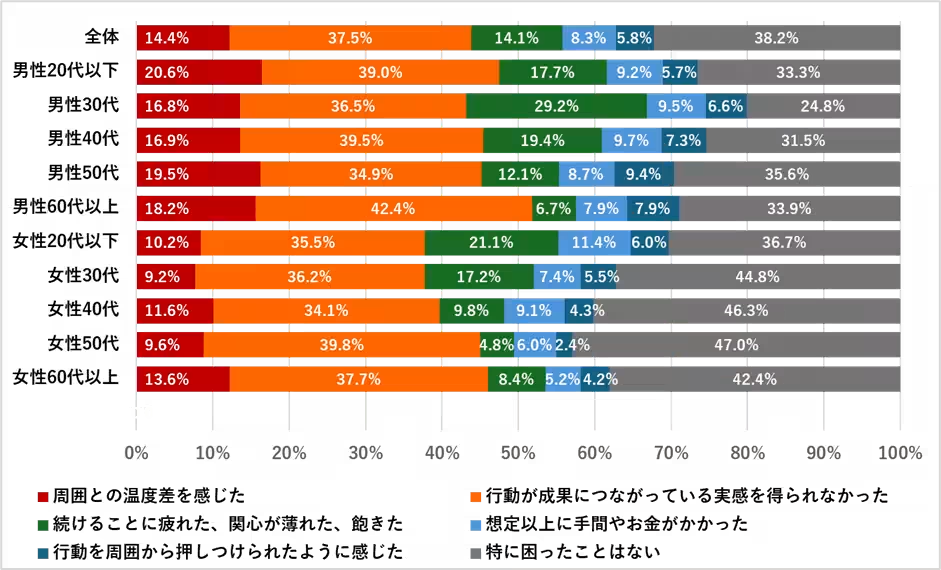
Respondents reported generally low levels of frustration with SDG-aligned actions, with 38.2% noting no significant challenges. However, 37.5% admitted they couldn't perceive the outcomes of their actions, indicating a need for clearer metrics of success.
Reasons for Inaction on SDGs
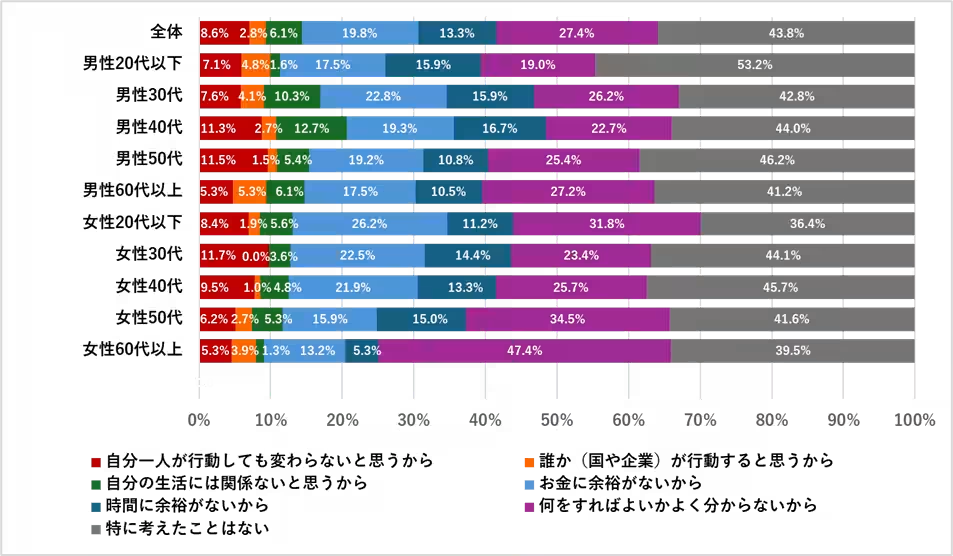
Among those not actively engaging with SDGs, a dominant 43.8% stated they hadn't thought much about it, while 27.4% said they didn’t know how to get involved. This underscores the necessity for more accessible information and meaningful engagement strategies.
Call for Adaptive Practices
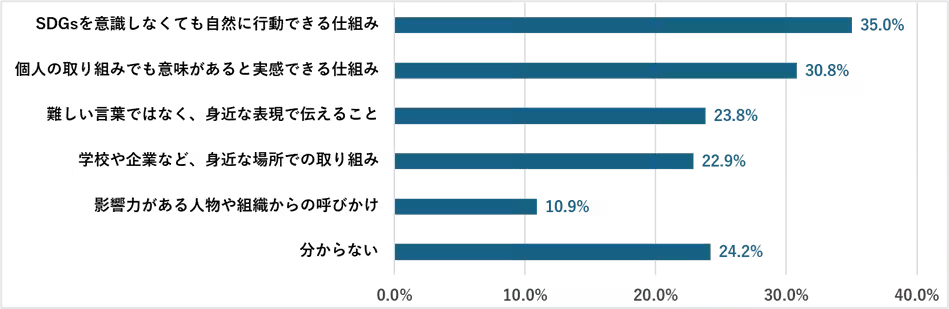
To promote greater adherence to SDGs, respondents collectively agreed that establishing systems that make it easier to act aligned with these goals without constant conscious thought is essential. They also expressed a need for structures that affirm individual contributions can indeed make a difference.
Conclusion
The results from this survey illustrate a critical juncture for public awareness and engagement with SDGs as 2030 approaches. They call for not only increased education on sustainable practices but also for innovative, structured ways to encourage actionable steps towards achieving these global goals.
For further engagement, check out the Green Ponta Project and methodology for action through the Green Ponta Action app.

Topics Other)
【About Using Articles】
You can freely use the title and article content by linking to the page where the article is posted.
※ Images cannot be used.
【About Links】
Links are free to use.