


Analysis of Tokyo's Major Office Market Trends in 2025
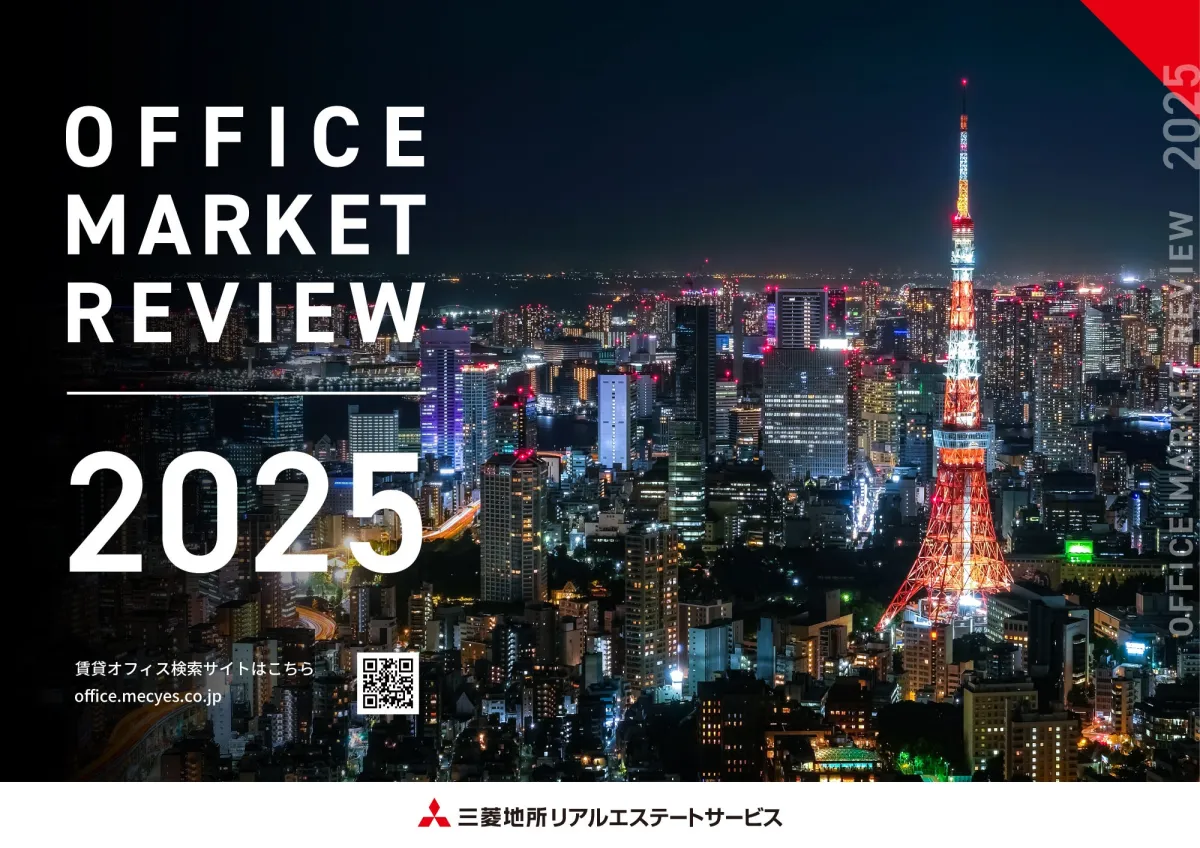
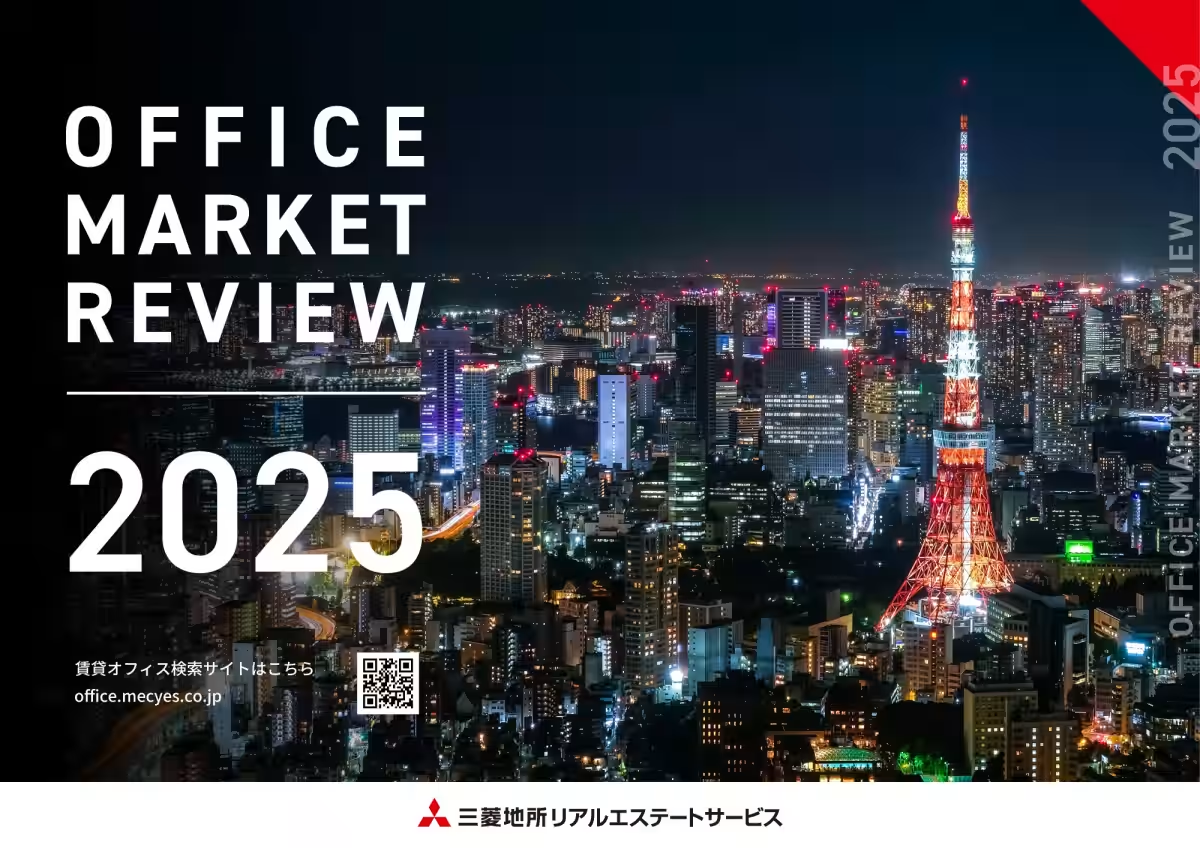
Mitsubishi Estate's 2025 Office Market Review
Mitsubishi Estate Real Estate Services has released its much-anticipated report, 'OFFICE MARKET REVIEW 2025', detailing the projected market trends for large office buildings in Tokyo's central districts—all set to unfold over the course of 2025. The focus areas include five key wards: Chiyoda, Chuo, Minato, Shinjuku, and Shibuya, alongside the surrounding areas of Shinagawa and Koto. This analysis covers properties with a total floor area exceeding 3,000 tsubo (approximately 9,900 square meters).
Declining Vacancy Rates and Average Lease Pricing
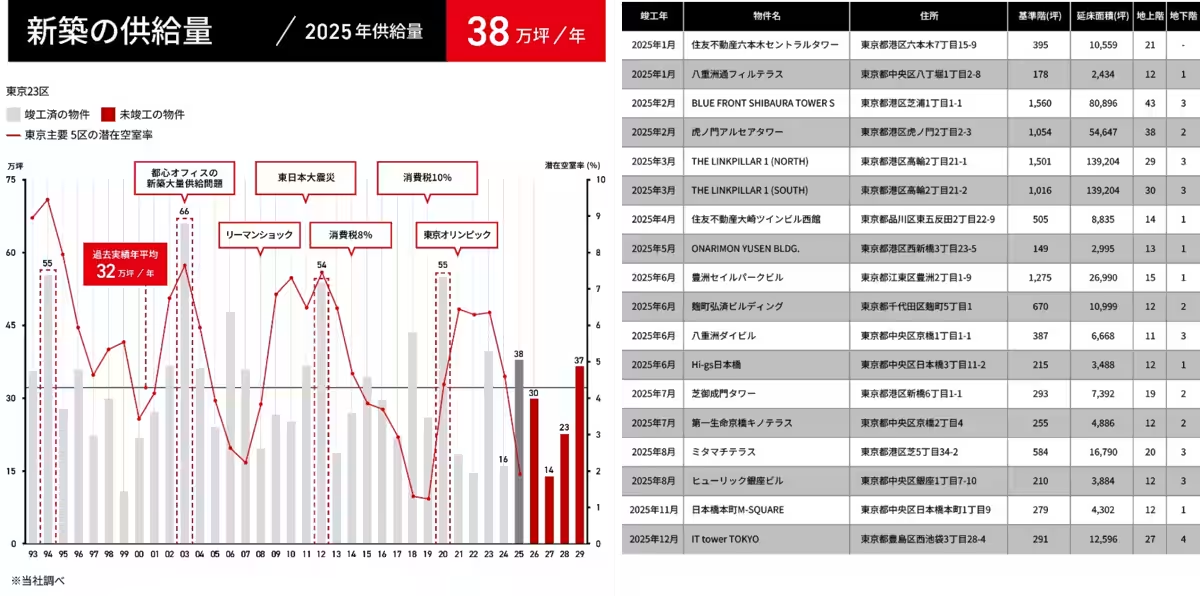
The report highlights a continuous decline in the potential vacancy rates for these major districts. As of January 2025, Chiyoda and adjacent wards recorded a potential vacancy rate of 4.43%, which is projected to dip significantly to 1.92% by the end of December 2025—a reduction of 2.64 percentage points year-on-year. Notably, the potential vacancy rate fell to the 1% range for the first time since May 2020, hitting 1.96% in October—a testament to a strong demand for office spaces.
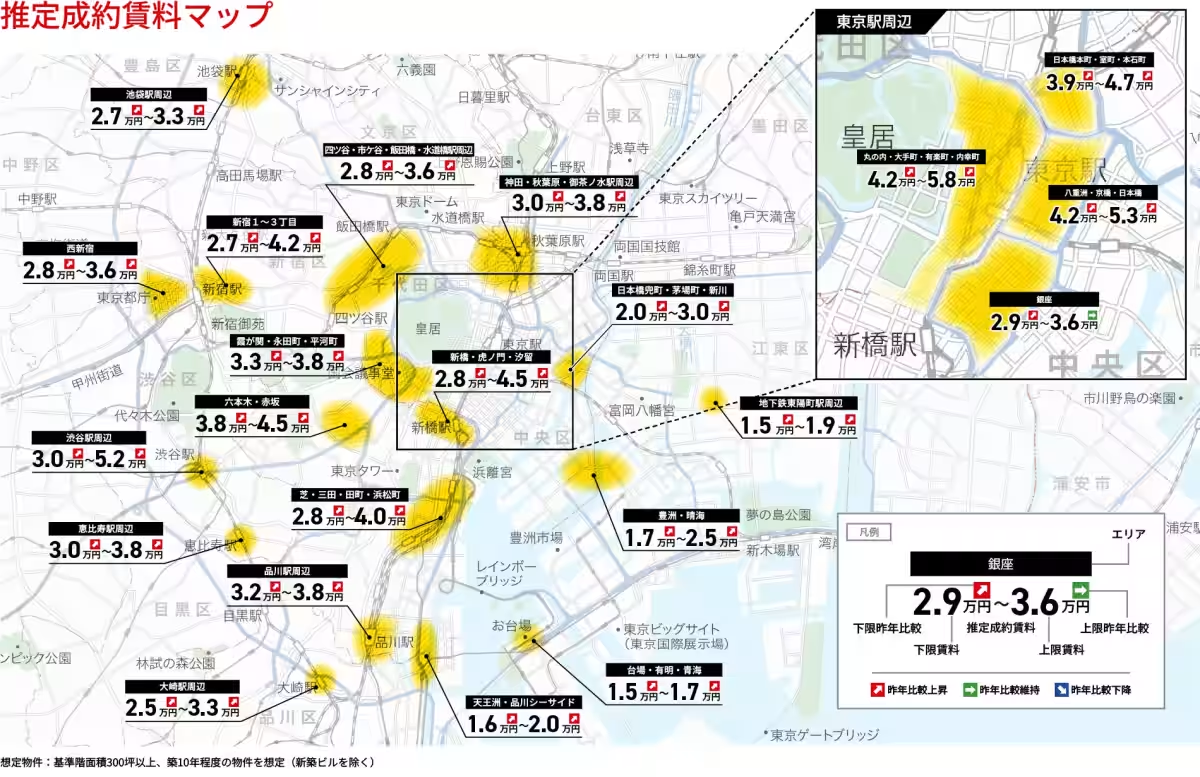
Additionally, the potential vacancy rate for the overall seven districts reduced from 4.52% to 2.31% in the same period. On the pricing front, the average asking rental rate in the major five wards reached ¥32,306 per tsubo, reflecting a rise of ¥568 compared to the previous year. Meanwhile, the average asking rent in the seven wards decreased to ¥27,944 per tsubo, a drop of ¥1,306 year-on-year. This decline in the broader seven districts is attributed to high-grade properties being filled first due to overwhelming demand, leaving lower-priced properties more available for lease.
Surge in New Office Supply and Development Outlook
The projected supply of new office buildings in Tokyo's central five wards is poised to exceed 380,000 tsubo, more than doubling the 160,000 tsubo supplied in 2024. As companies continue to address existing vacancy rates effectively and new constructions complete during 2025, the market appears to be recovering healthily.
This surge in construction boasts a remarkably high occupancy rate for new buildings completed in 2025, with nearly all properties already fully rented or close to full occupancy, except for some developments in the coastal areas. Looking ahead to the projects scheduled for completion in 2026, there are already signs of a robust initial occupancy rate. However, projections indicate a decline in supply levels from 140,000 to 230,000 tsubo between 2027 and 2028, leading to continuous downward trends in vacancy rates until at least 2028. Post-2029, pending successful development schedules, the expected increase in supply could lead to rising vacancy rates if initial occupancy doesn't meet targets. There are also concerns of delays due to escalating construction costs, necessitating careful monitoring.
Trends in Office Relocation
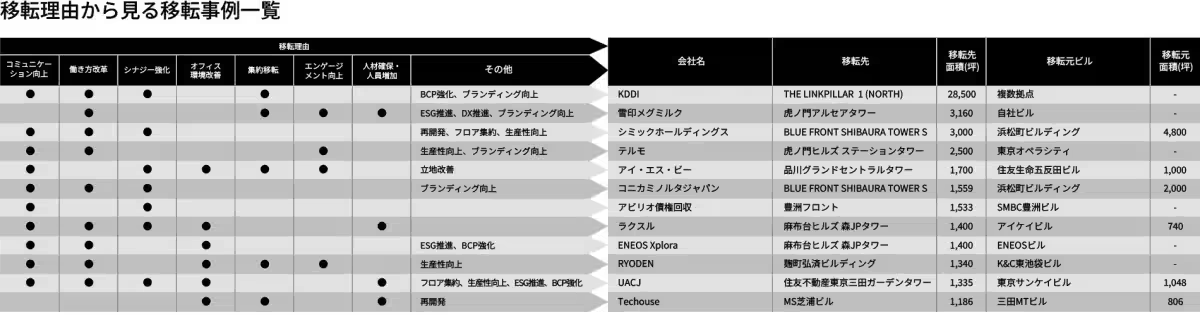
The landscape of office relocation has dramatically transformed in 2025, spotlighting the strong emphasis on optimizing the value of 'real offices' as companies strive to harness opportunities post-pandemic. Many organizations have implemented work-style reforms to enhance remote work environments but have realized that while these setups support operational efficiency, they fall short in nurturing organizational culture and fostering innovation—crucial elements for long-term growth.
Thus, a noteworthy trend has emerged wherein companies are consolidating their dispersed offices to enhance communication, streamline decision-making, and accelerate synergies. Businesses are increasingly viewing office spaces not merely as locations to conduct work but as pivotal investments aimed at boosting employee engagement. The impetus for refining the work environment this year underscores the necessity to capitalize on the tangible benefits of working in-person, promoting an office design that enhances interaction and community.
As we delve deeper into these trends, it becomes clear that the office market in Tokyo presents a compelling dynamic characterized by strong demand, low vacancy rates, and a clear pivot towards enriching the workplace environment for sustained organizational success.
Conclusion
Mitsubishi Estate Real Estate Services continues to adapt to a rapidly evolving market, leveraging its comprehensive industry insights and longstanding expertise to meet diverse client needs. With Tokyo's office market exhibiting resilience and strategic shifts towards enhancing workplace experience, the future holds promising potential for stakeholders across the sector.
For detailed insights and additional resources, please refer to the complete report.
Topics Consumer Products & Retail)


【About Using Articles】
You can freely use the title and article content by linking to the page where the article is posted.
※ Images cannot be used.
【About Links】
Links are free to use.