



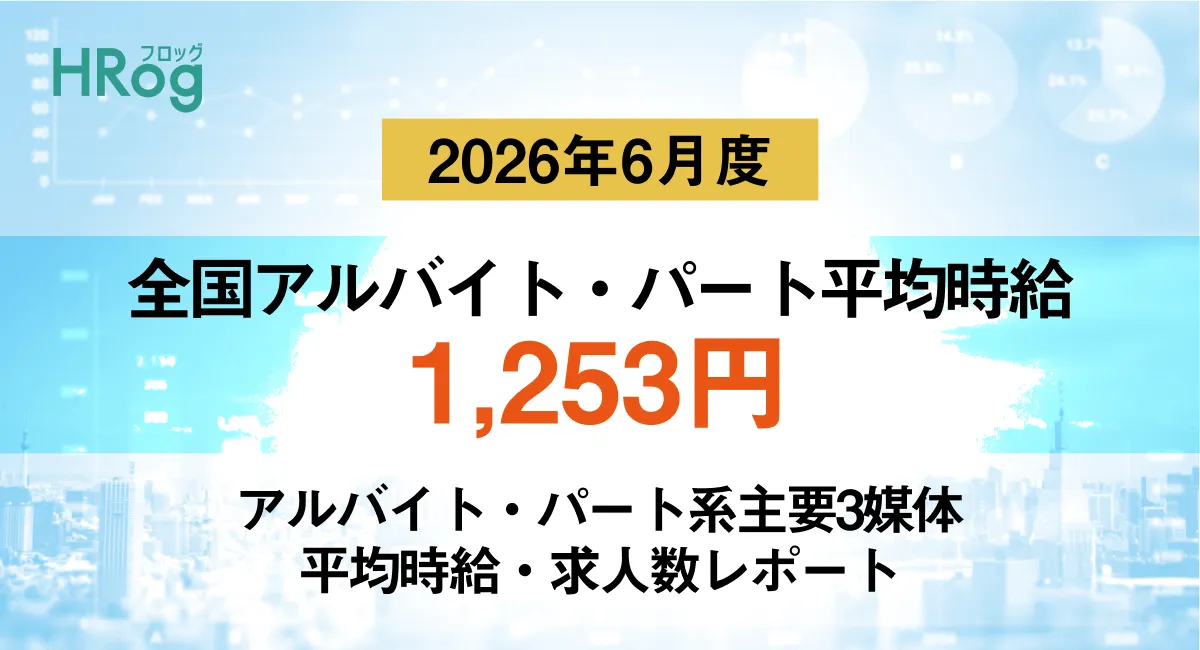
Analysis of Part-Time and Temporary Employment Trends in Japan for June 2026
Overview of Part-Time Employment Trends in Japan
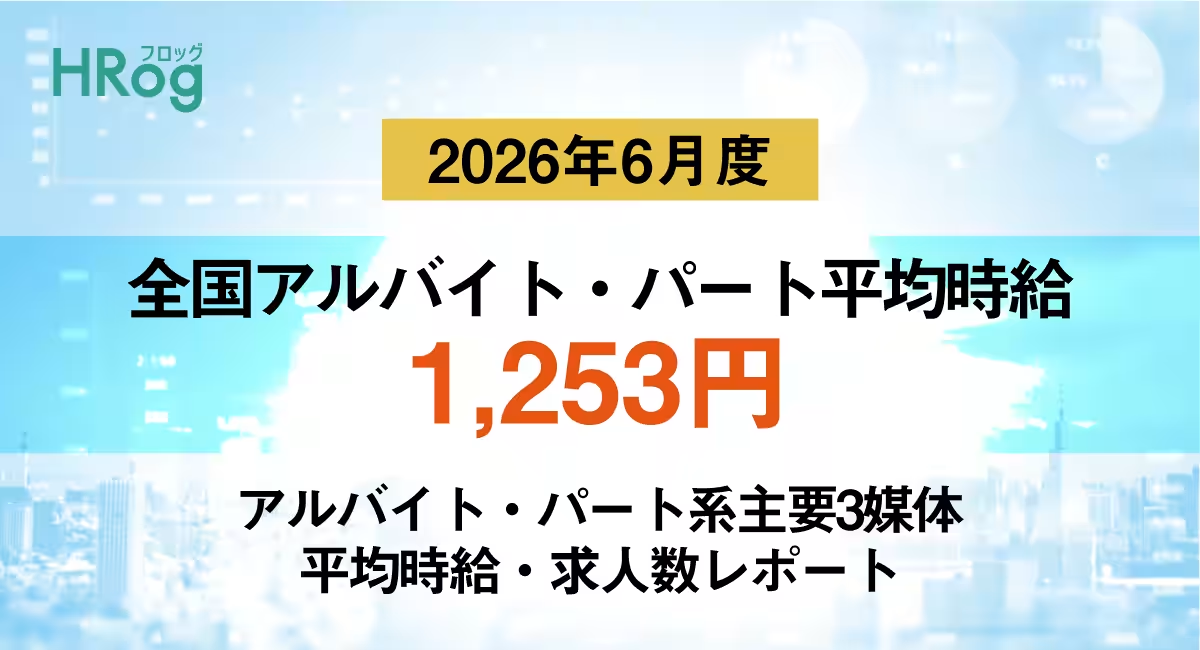
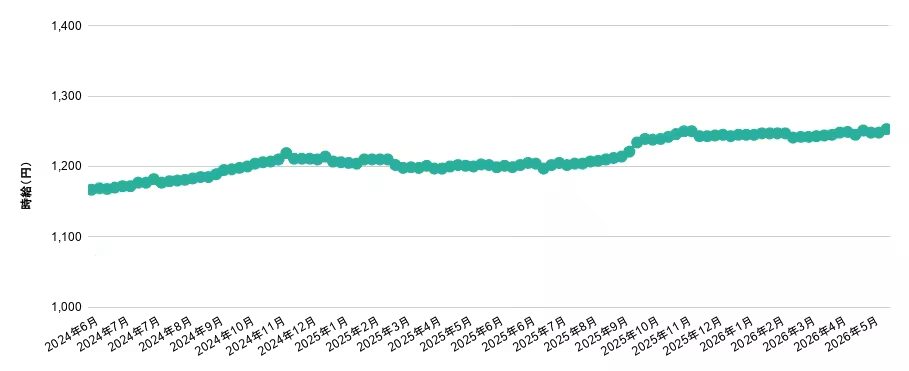
In June 2026, the average hourly wage for part-time and temporary workers in Japan reached 1,253, marking a notable increase of 4.50% compared to the same month last year. This report, provided by Frog Inc., which specializes in job market analytics, captures essential trends in hourly wages and job openings across the country's various sectors.
Wage Growth
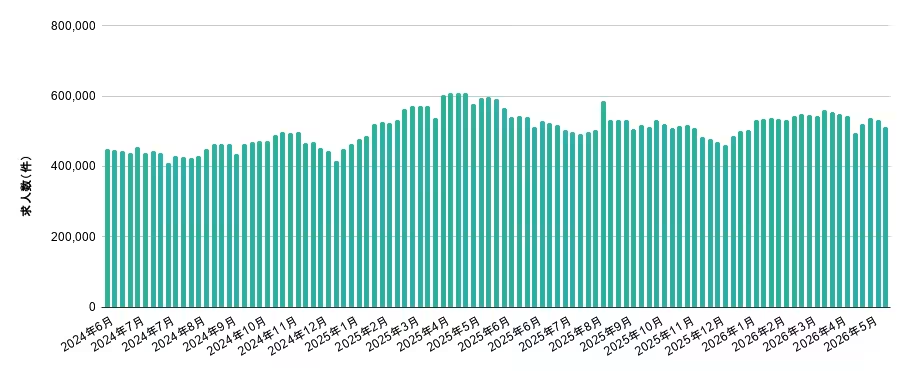
The data shows that the average wage rose by 8 from the previous month, translating to a 0.64% increase. When compared to the same month last year, this figure reflects a growth of 54 in hourly pay. The total number of part-time job listings has reached 513,291, an increase of 18,324 from May, though it shows a decline of 51,813 when compared to June of the previous year. This indicates a complex job market where wages are climbing, but the availability of positions has decreased year-on-year.
Sector-Specific Wage Trends
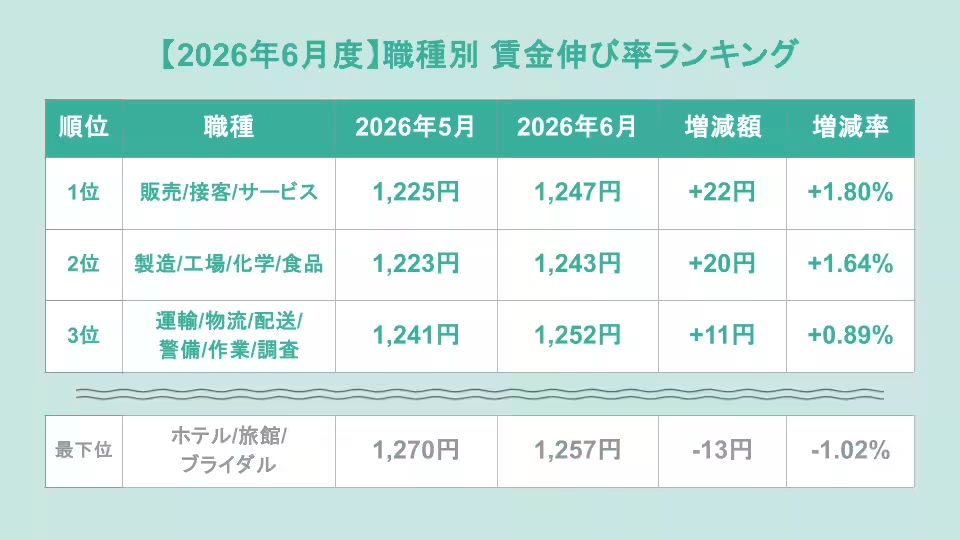
Ranking the sectors by hourly wage growth from the previous month:
1. Sales/Customer Service: Increased by 22 (1.80%)
2. Manufacturing/Chemicals/Food Production: Increased by 20 (1.64%)
3. Transportation/Logistics/Security: Increased by 11 (0.89%)
Conversely, the sector with the lowest wage growth was Hotel/Travel/Wedding services, which experienced a decrease of 13 (1.02%).
Job Openings by Sector
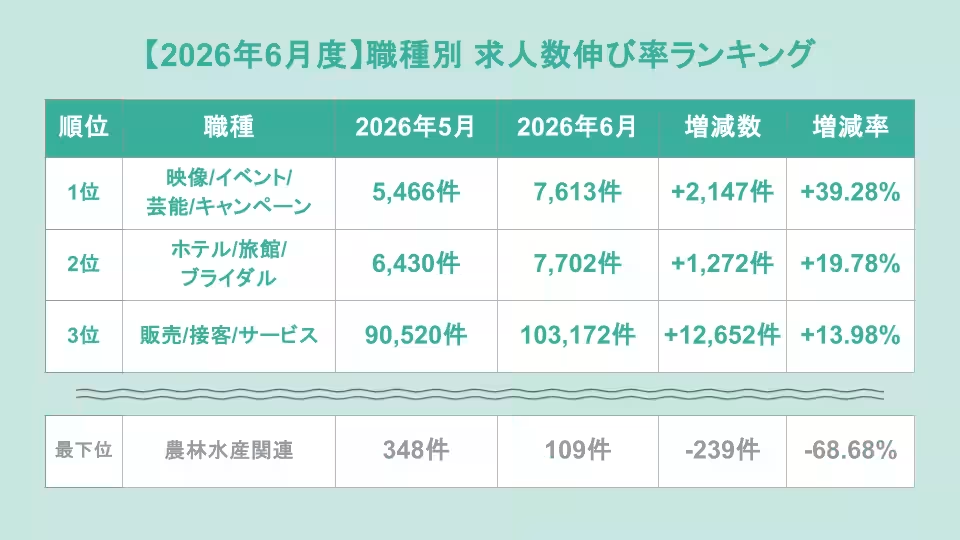
The job openings also showed varied data by sector:
1. Film/Event/Entertainment: Increased by 2,147 listings (39.28%)
2. Hotel/Travel/Wedding: Increased by 1,272 listings (19.78%)
3. Sales/Customer Service: Increased by 12,652 listings (13.98%)
The most significant decline was in the Agriculture, Forestry, and Fisheries sector, with a decrease of 239 listings (68.68%).
Regional Wage Analysis
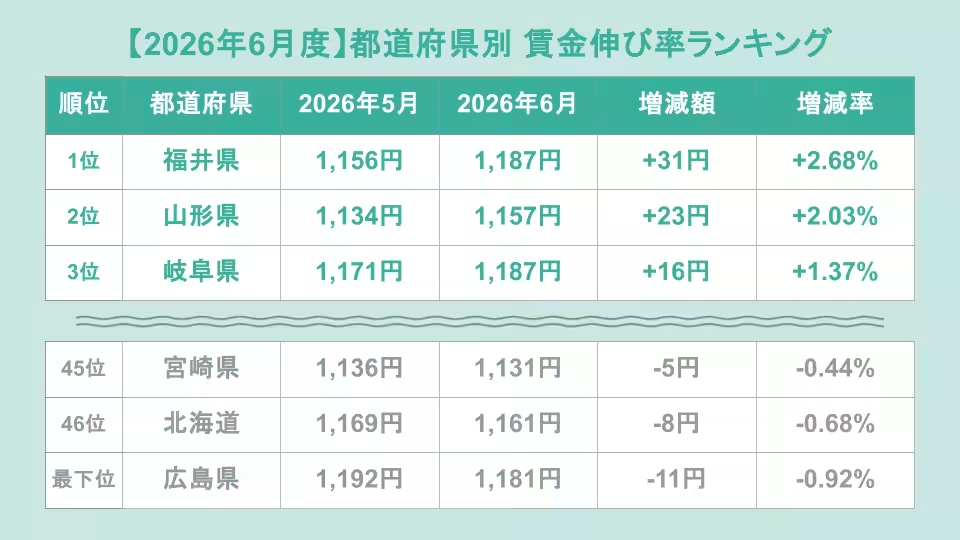
Examining regional trends, the following prefectures saw the highest increases in average hourly wages:
1. Fukui: Increased by 31 (2.68%)
2. Yamagata: Increased by 23 (2.03%)
3. Gifu: Increased by 16 (1.37%)
At the opposite end, the biggest decreases were noted in Miyazaki, Hokkaido, and Hiroshima, where the decrease in wages ranged from 5 to 11.
Job Openings by Prefecture
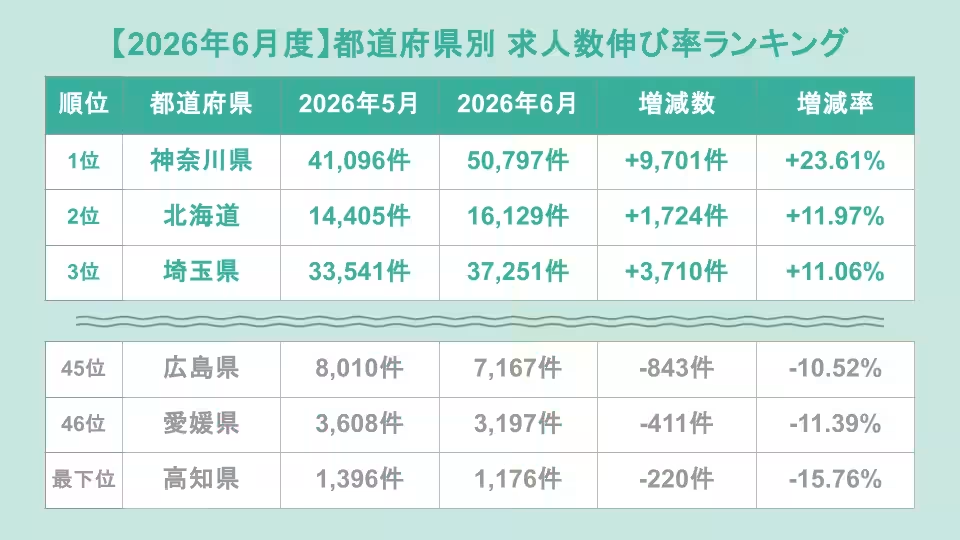
In terms of job openings, Kanagawa led with an increase of 9,701 listings (23.61%), followed by Hokkaido and Saitama with increases of 1,724 and 3,710 listings, respectively. Conversely, Hiroshima, Ehime, and Kochi registered declines in job openings, with Kochi experiencing a significant drop of 220 positions, marking a 15.76% decrease.
Conclusion
This comprehensive analysis of job trends for June 2026 reveals crucial insights into the changing dynamics of the part-time job market in Japan. The wage increases across several sectors are encouraging but come alongside a notable decline in job availability year-on-year. As we continue to monitor these changes, it’s vital for job seekers and employers alike to adapt to this evolving landscape. For those interested in data-driven insights and further details, please contact Frog Inc. for access to comprehensive reports and analytics.
To request additional materials, please follow this link: Contact HRog.
About Frog Inc.
Founded in 2021, Frog Inc. specializes in big data analysis related to employment, providing valuable insights into labor market trends. With a core mission to harness data for better employment outcomes, we actively serve researchers, government agencies, and human resources professionals through our HRog platform.
For inquiries about HRog and our services, please contact our sales team at [email protected].
Topics Business Technology)


【About Using Articles】
You can freely use the title and article content by linking to the page where the article is posted.
※ Images cannot be used.
【About Links】
Links are free to use.