



Transforming Leadership Training: Experience-Based Learning for New Chiefs
Transforming Leadership Training
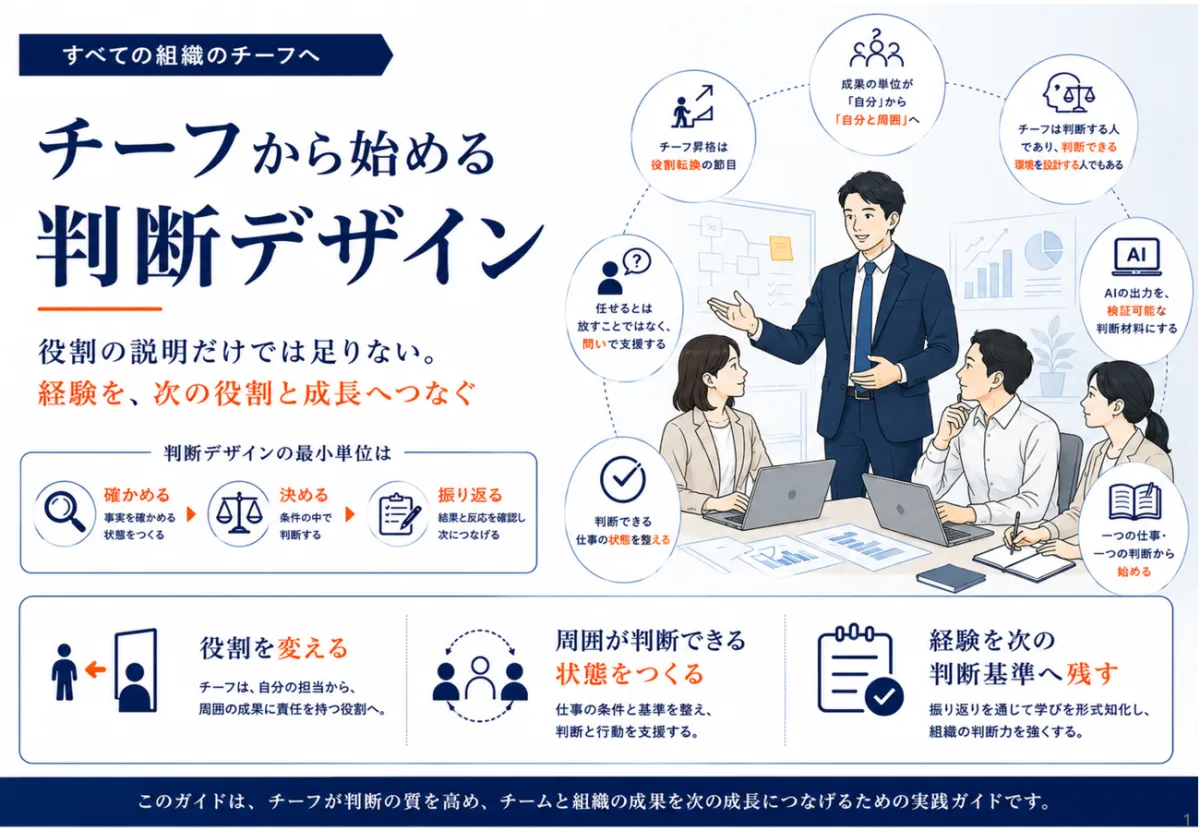
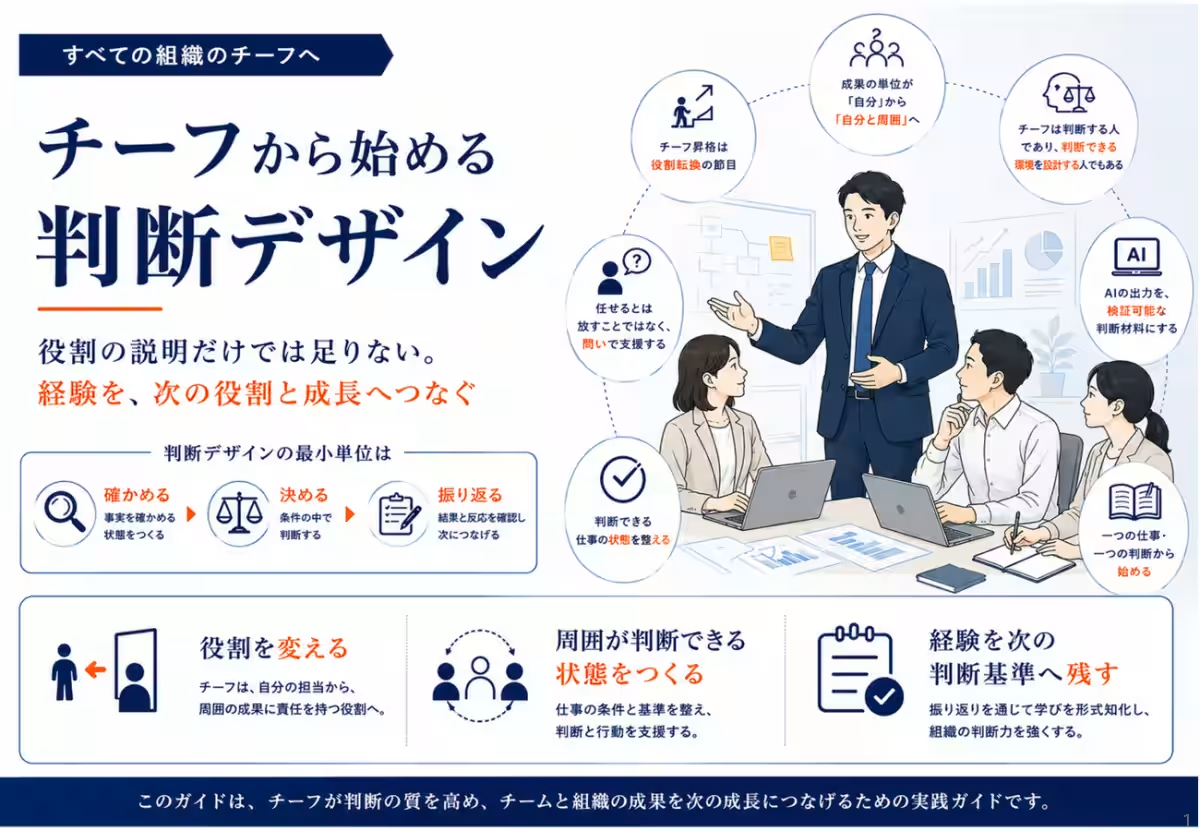
In an era where organizations demand effective decision-making from their leaders, Request Corporation unveils a new approach to nurturing the first layer of management. Their latest 10-page document titled 'Chief Design Start' is a pivotal resource aimed at supervisors, team leaders, and foremen, informing them to transition from mere role descriptions to practical decision-making experiences.
Understanding the Role of a Chief
The term 'Chief' encapsulates the initial leaders in organizations who not only manage their tasks but also drive the workflow forward for their teams. The focus of this transformative material isn't just to declare the knowledge and responsibilities expected from a Chief, but rather to pivot towards how they can evolve their personal work experiences into decisions that propel the outcomes of their team and organization.
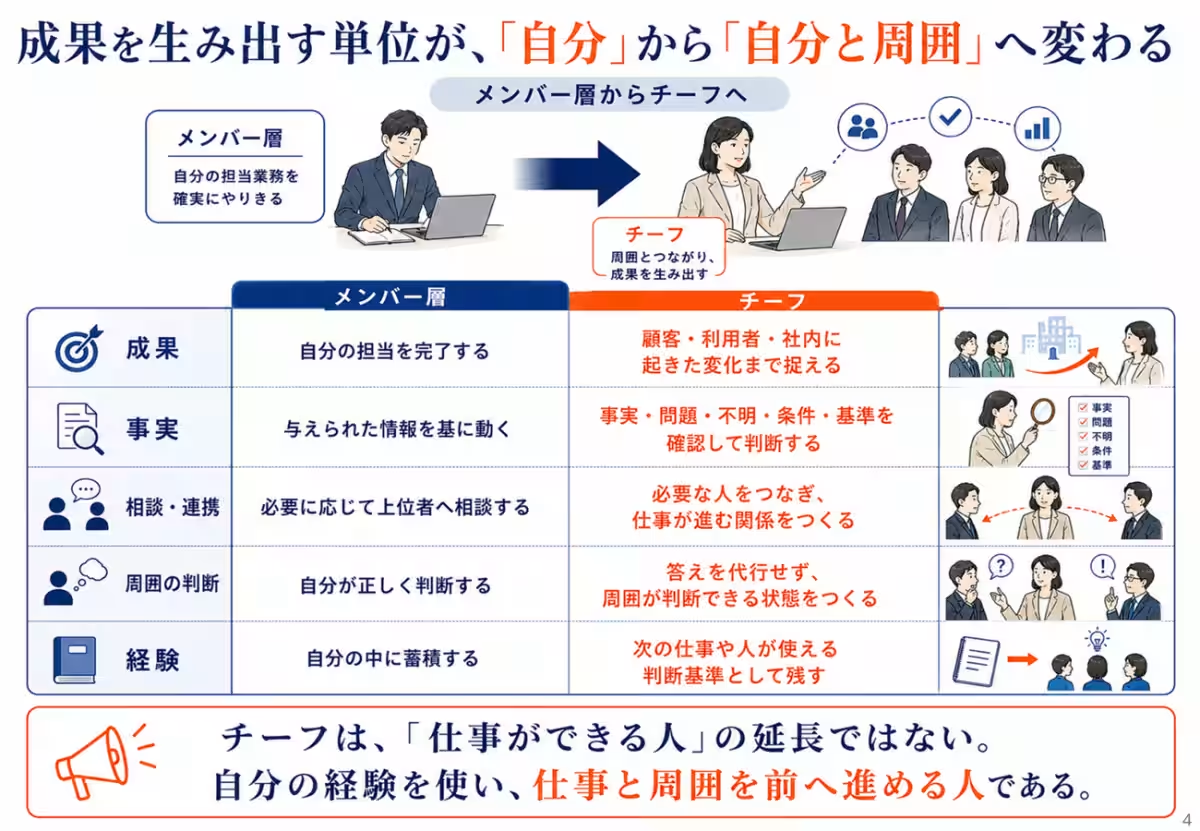
As employees rise to leadership positions, the shift isn't merely about amplifying accountability; it's about shifting the focus from individual achievements towards collaborative outcomes.
The Change in Perspective During Promotion
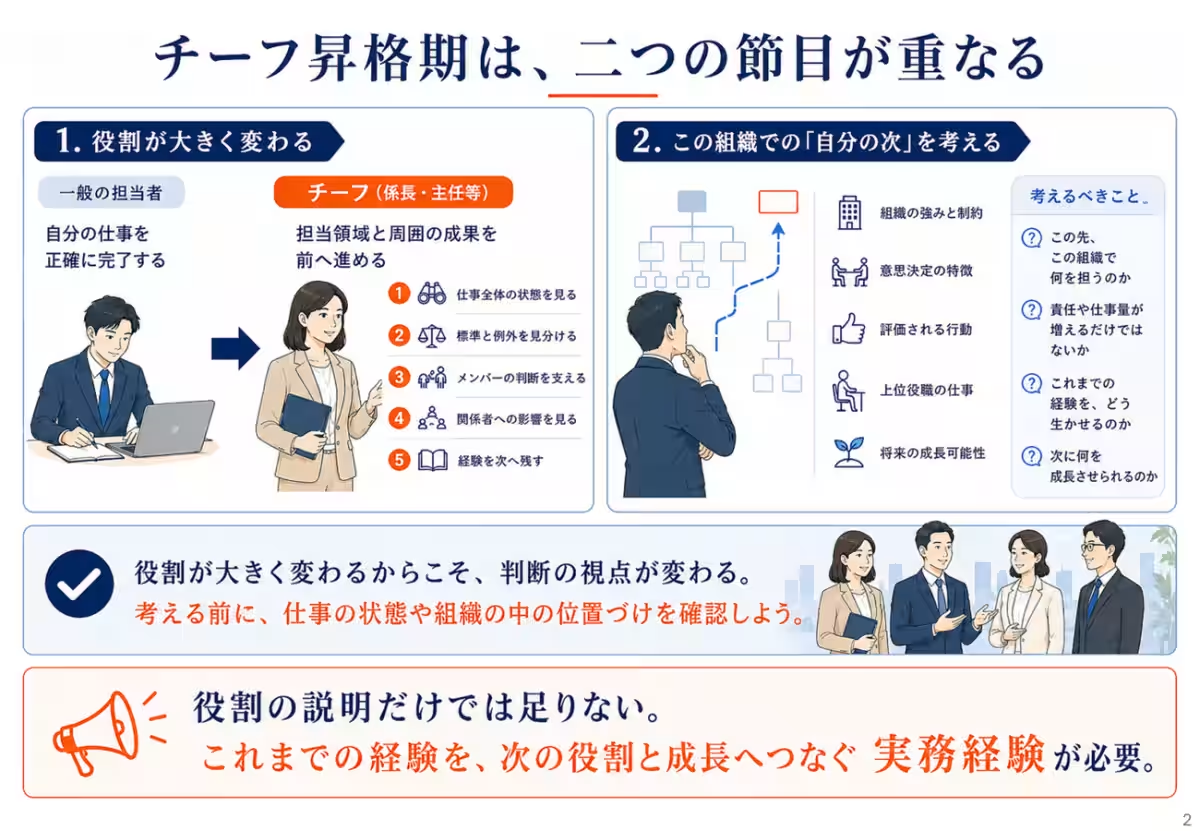
In lower tiers, success revolves around completing assigned tasks effectively. However, rising to a Chief role requires a broader perspective:
- - Is the surrounding work progressing?
- - Are key personnel connected and engaged?
- - Can team members make informed decisions?
- - Who contributes to problem-solving and decision-making?
- - Is knowledge from previous experiences being utilized effectively?
Such a shift signifies a fundamental transformation in how success is defined—from individual accomplishments to collective achievements. Achieving this without a structured experience in real job situations is certainly a daunting challenge.
Building on Practical Experiences
Most newly promoted Chiefs come with significant existing experience—interacting with clients, managing unexpected job hurdles, liaising with various departments, and addressing issues, including failures. As they grow in their roles, more complex elements of organizational dynamics also become clearer:
- - The strengths and constraints of their organization.
- - The distinctive features of their decision-making processes.
- - Valued behaviors and responsibilities of senior management.
This shift calls for reflection on their personal strengths and areas for development, posing essential questions regarding:
- - What responsibilities are now increasing?
- - How will past experiences shape future roles?
- - What future contributions can they make to the organization?
From Explaining Roles to Designing Decisions
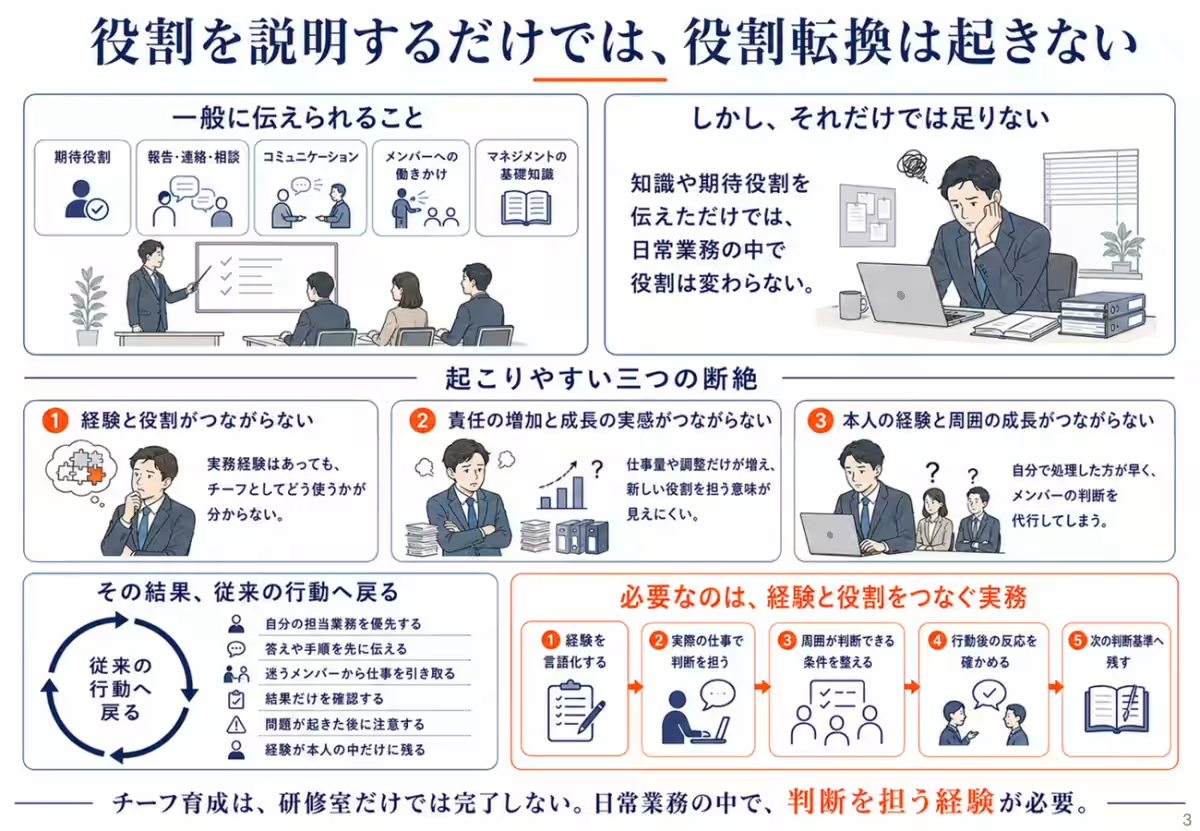
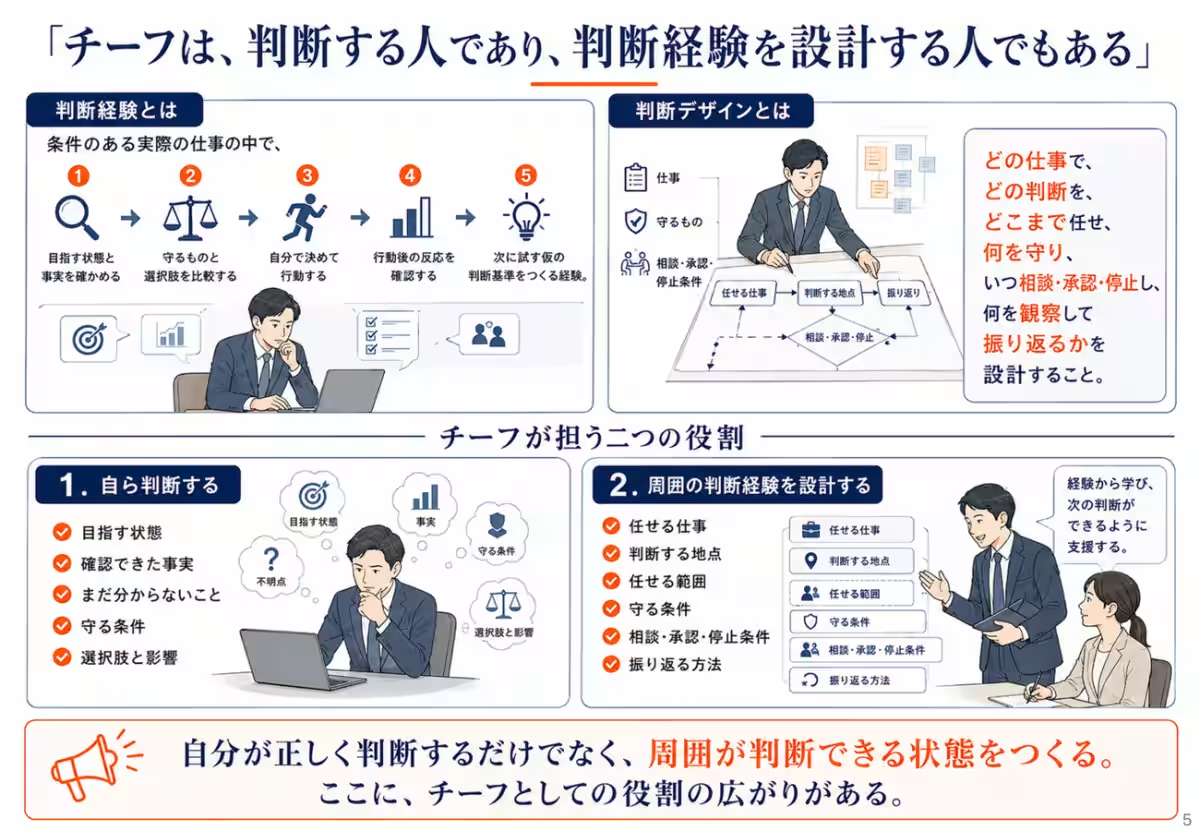
While new leaders must absorb a substantial amount of knowledge, understanding this knowledge does not guarantee functional change in actual work roles. Each distinct situation demands clear judgement on various aspects:
- - What to validate?
- - What decisions to make?
- - Whom to consult?
- - Where to delegate responsibility?
- - Where senior management begins to take over decision-making?
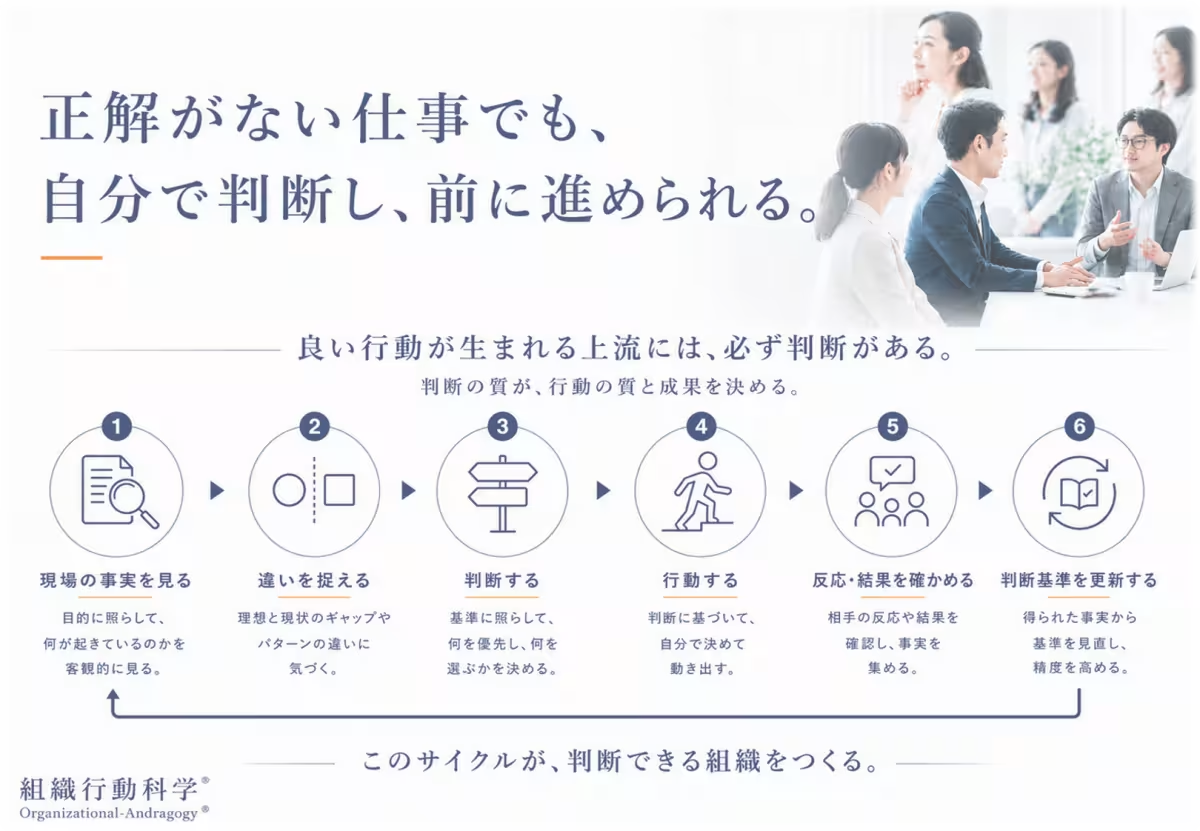
A focus solely on individuals can often lead to a return to established behaviors in pressured contexts, where chiefs might revert to handling tasks themselves instead of cultivating team autonomy. Therefore, Request Corporation suggests adopting a scientific approach based on empirical data from 980 companies and 338,000 individuals.
Re-defining Experiential Learning
This new methodology emphasizes real-world decision-making experiences rather than traditional role-oriented training. It lays out a structure to create a work environment conducive for individuals to make informed decisions based on their assessments.
Focus Areas of the Material
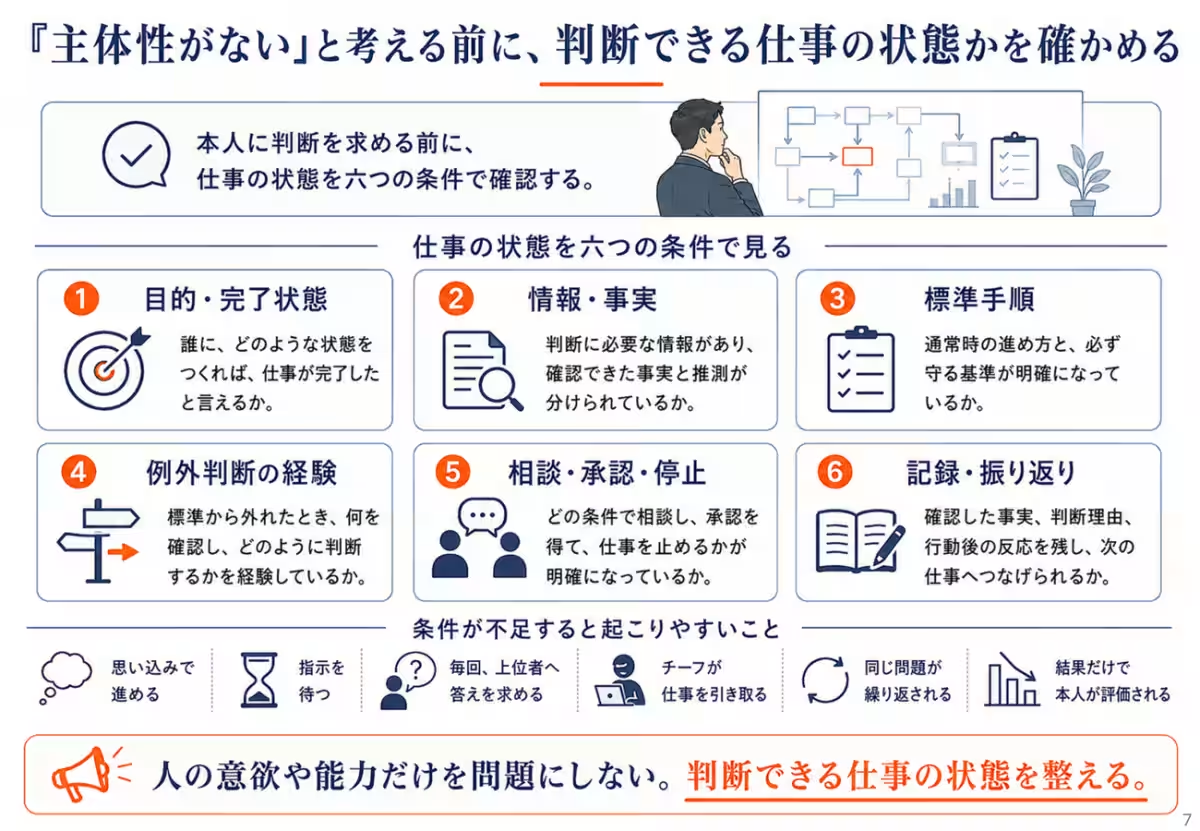
The 'Chief Design Start' document places emphasis on assessing the current work conditions affecting individual decision-making capabilities. The resource critically analyzes:
- - Is there adequate information for decision-making?
- - Is the work's objective clear?
- - Are the conditions that need safeguarding understood?
- - Are consultation boundaries appropriately established?
- - Are there opportunities to reflect on decisions made?
This holistic evaluation empowers organizations to separate personal attributes from work structure, ensuring training and job design coexist effectively, leading to a healthier learning environment.
Delegation and Distinction
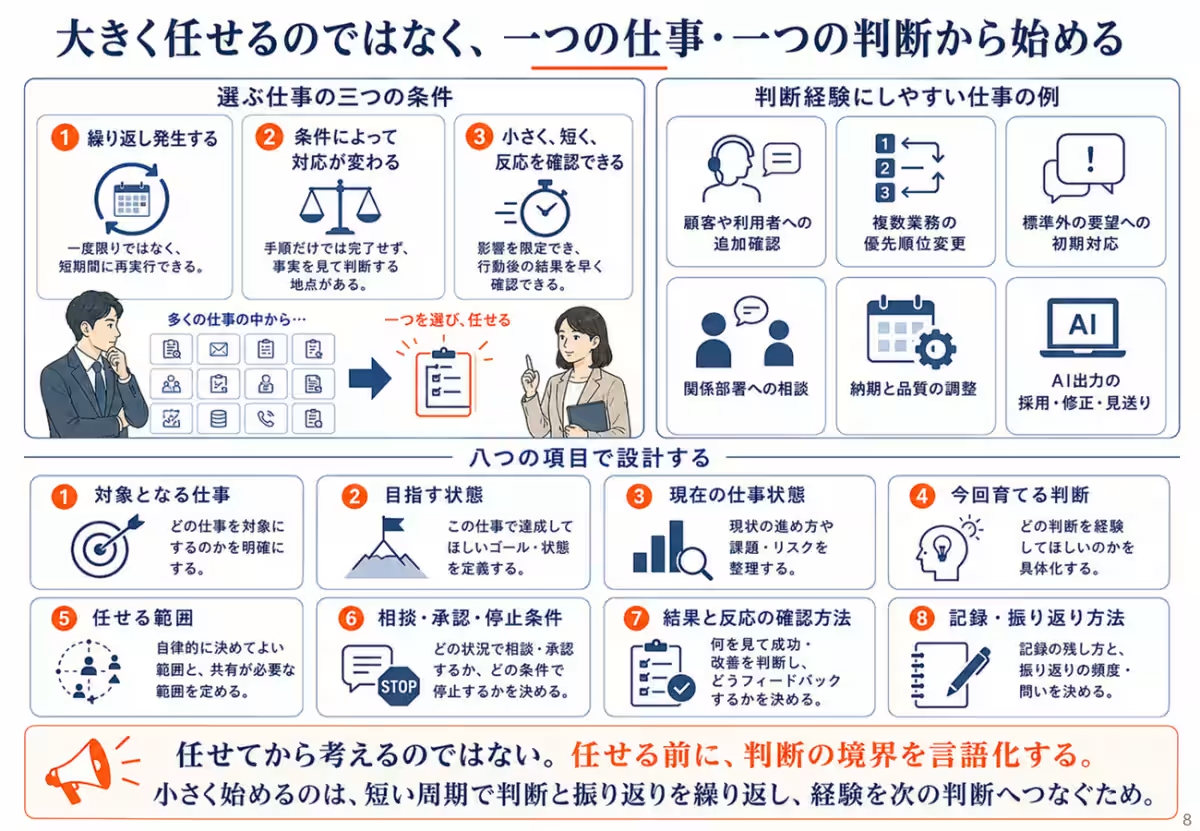
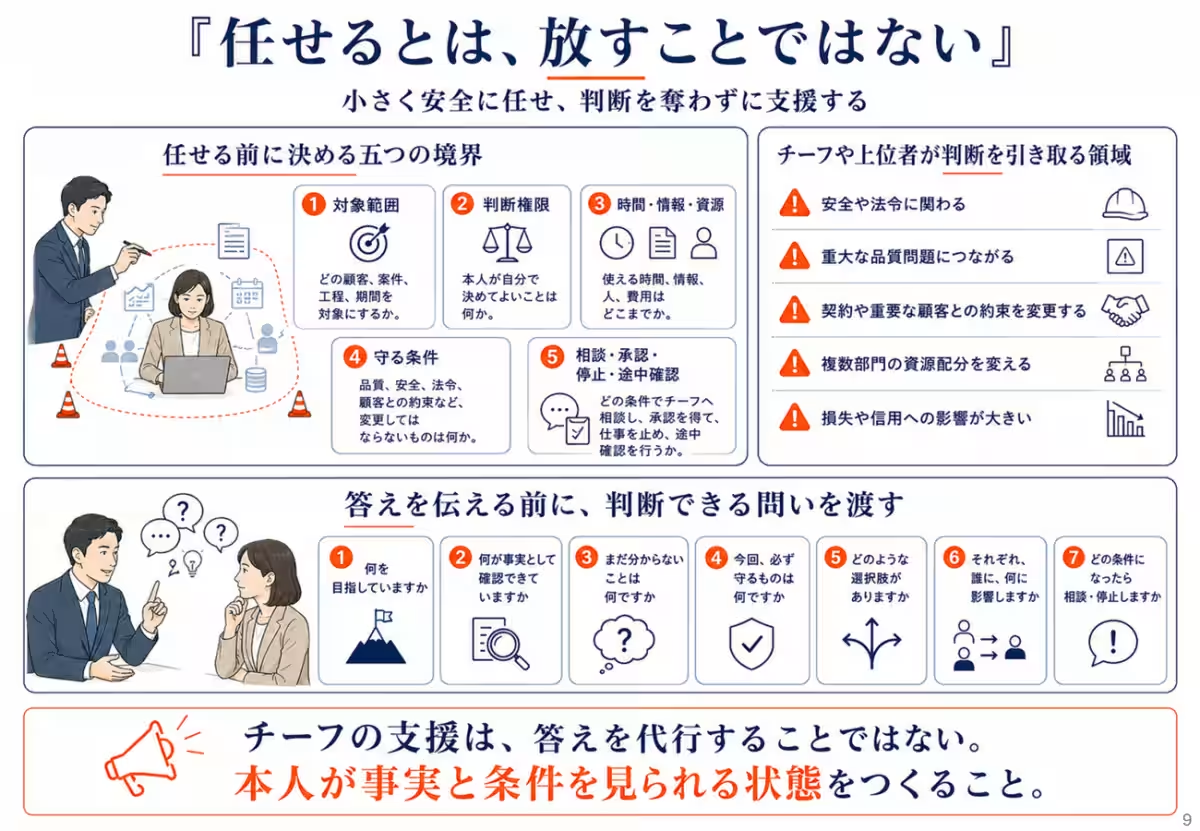
To cultivate talent, leaders must delegate responsibilities while defining the parameters for delegation, thus avoiding confusion and uncertainty. Effective delegation avoids forcing employees into unnecessary uncertainty while enhancing their decision-making journey.
Questioning is Key
It’s crucial for experienced Chiefs to guide their teams with meaningful queries rather than just furnishing answers. This promotes a culture of independent thinking and cultivates an environment where team members learn to analyze situations critically.
AI’s Role in Decision-Making
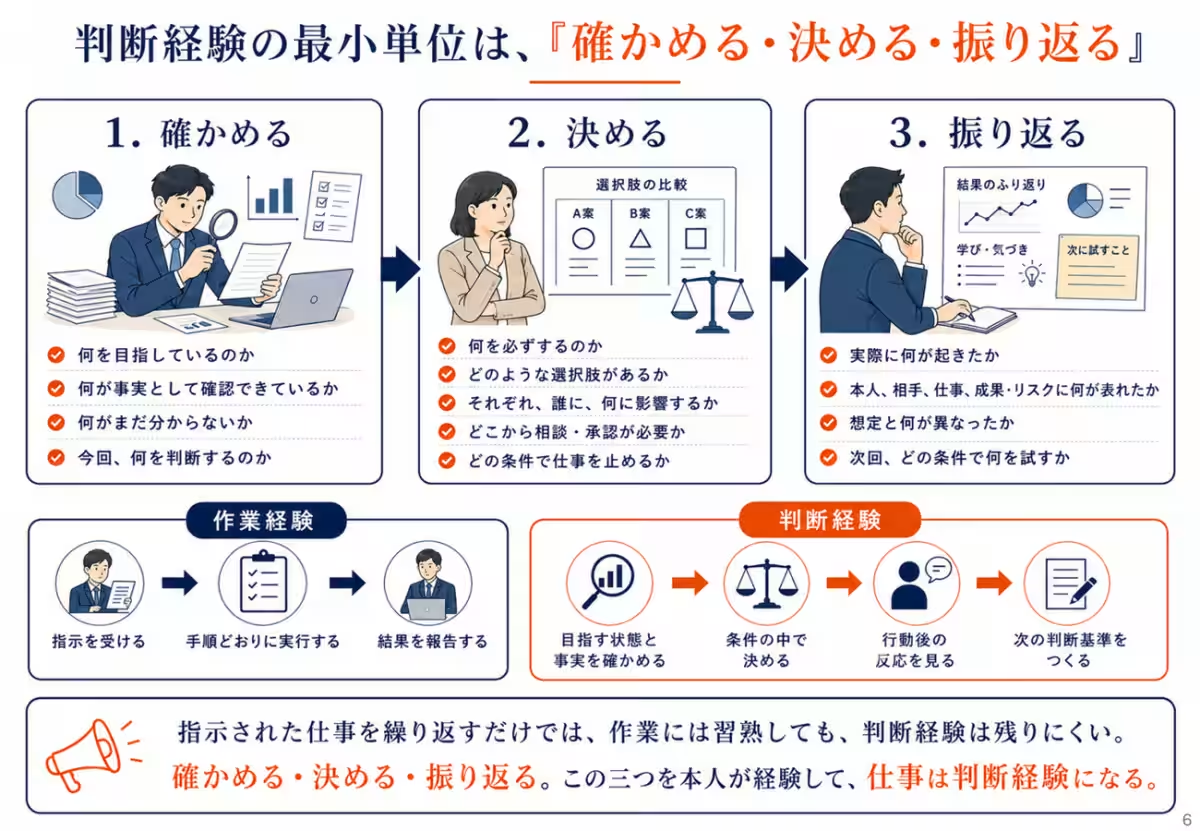
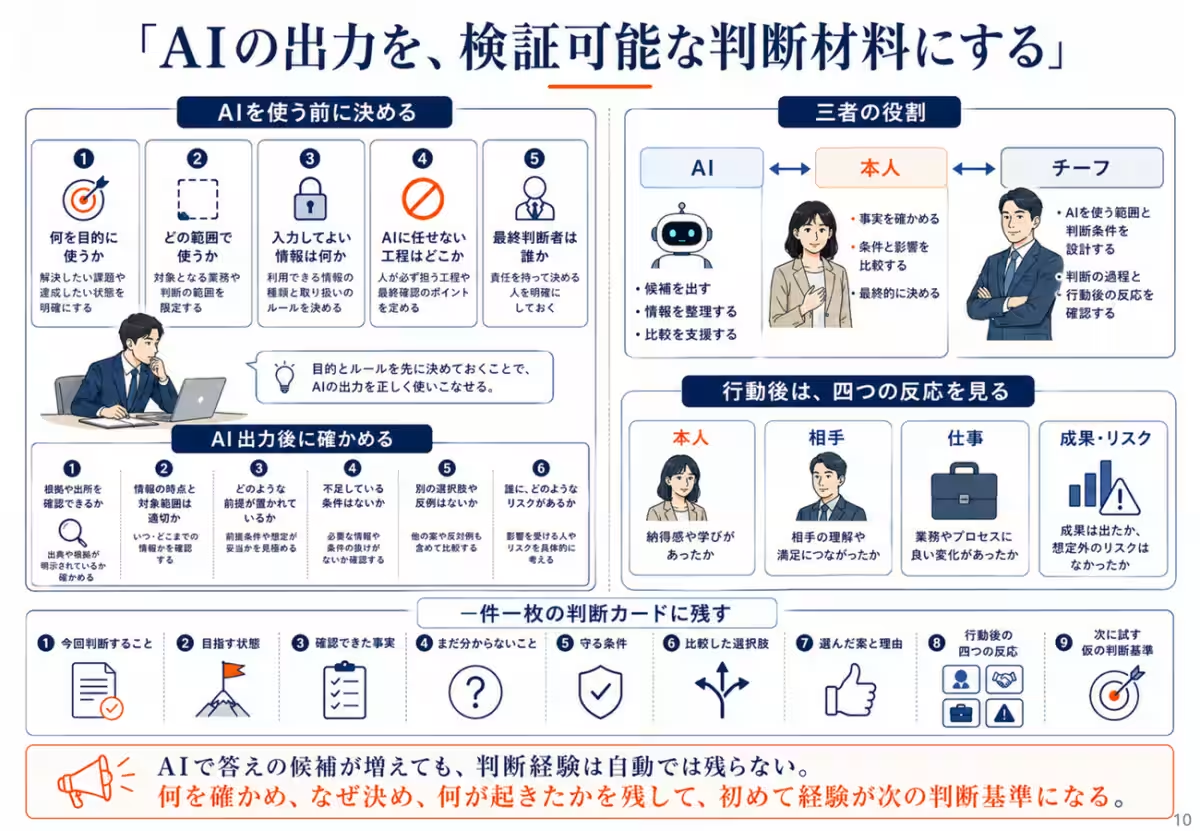
Integrating AI into the decision-making landscape permits better organization of information but should never replace individual judgment. Individuals must continue to verify information, understand frameworks for comparing options, and recognize the principles that guide their final choices.
Learning Beyond Training Rooms
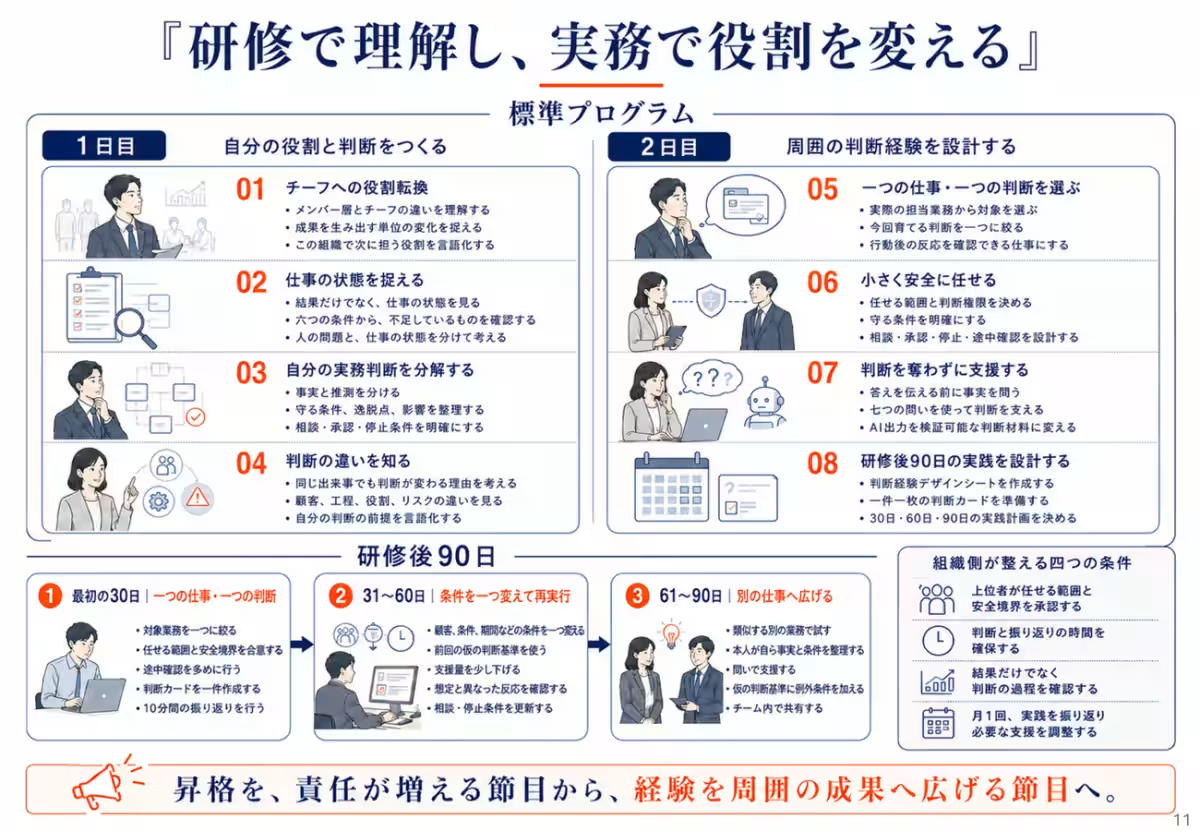
True judgment arises not from theoretical knowledge, but from actual responsibilities cultivated in workplace settings. The goal is to ensure that training sessions transition into practical learning opportunities where small judgments are gradually entrusted to team members, and experiences become benchmarks for others.
Application Across Various Scenarios
The 'Chief Design Start' resource is not industry-specific. It can be utilized in:
- - New leadership training programs
- - On-the-job training before and post-promotion
- - One-on-one meetings with supervisors
- - Empowering team members in their daily responsibilities
- - Cultivating next-generation leaders and enhancing team member autonomy
By focusing on actual job performance and weaving in judgmental experiences, Request Corporation aims not just to raise 'capable employees' but to build a robust organization that thrives on collaborative decision-making. The document can serve as a catalyst for a holistic organizational change towards developing impactful decision-making frameworks.
Conclusion
With the 'Chief Design Start' initiative, Request Corporation seeks to redefine the promotion process, transforming it from merely an increase in responsibility to an opportunity for individuals to leverage their experiences into collective organizational success. The underlying principle remains: effective actions stem from sound judgments, which are founded on real facts and evaluative processes, creating a framework where organizations evaluate who makes decisions and the nature of the decision-making experience left behind.


Topics Business Technology)
【About Using Articles】
You can freely use the title and article content by linking to the page where the article is posted.
※ Images cannot be used.
【About Links】
Links are free to use.