



Local Ingredients Inspire Bakeries to Tackle Bread Waste in Japan
Local Ingredients Inspire Bakeries to Tackle Bread Waste in Japan
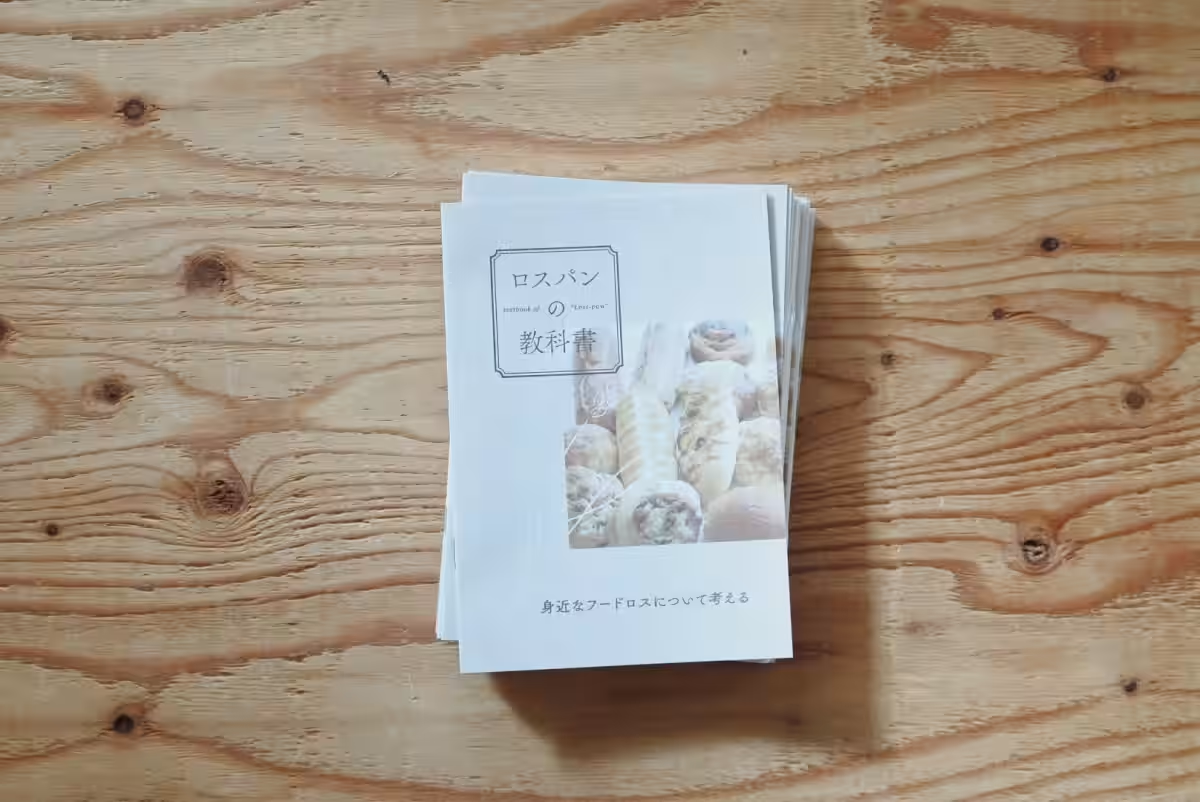
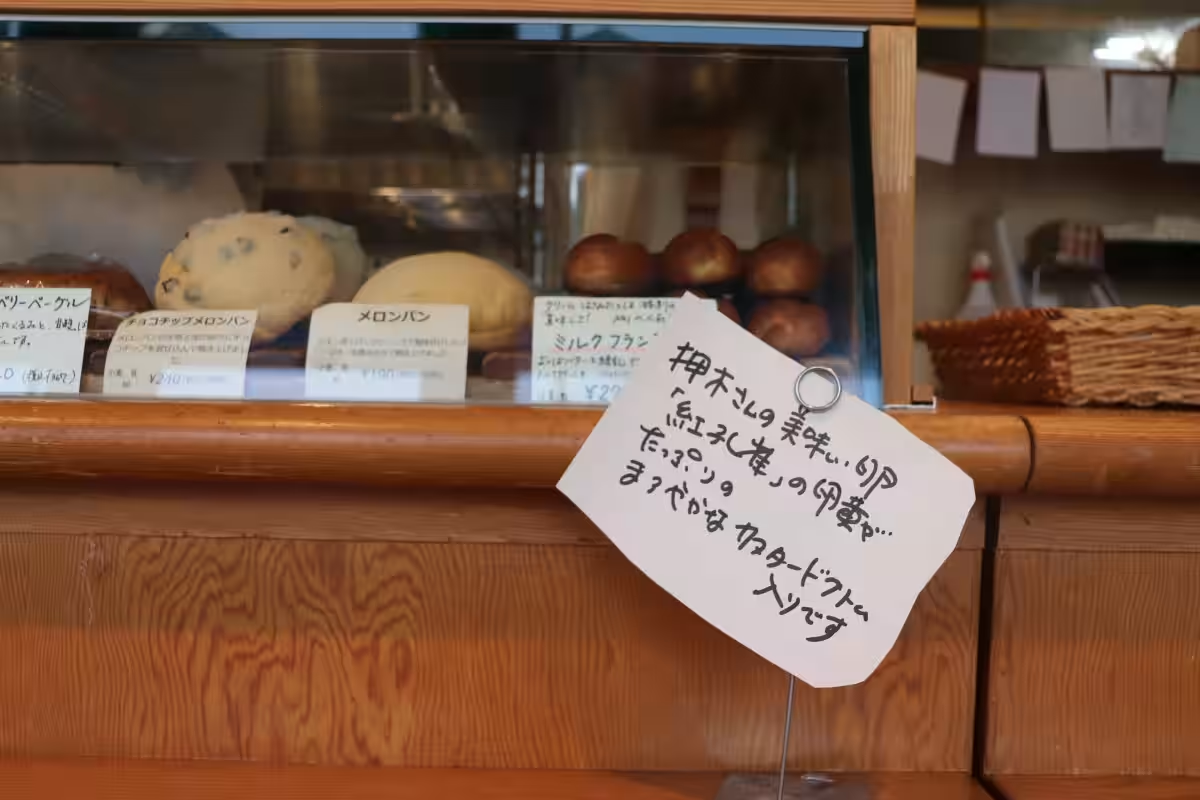
In a commendable effort to combat bread waste, the Japanese company Quagga has launched an initiative titled "Textbook of Lost Bread". This project emphasizes the responsible use of local ingredients in bread production and aims to decrease the amount of bread that is deemed unsellable, often labeled as 'lost bread'. Since its inception, the initiative has received backing from an impressive 47 bakeries across Japan and will begin distribution of the guide in February 2024.
The "Textbook of Lost Bread" offers insights into the importance of using local ingredients to reduce waste and promotes a collective responsibility among bakeries to ensure minimal food loss. With participants from Hokkaido to Okinawa, the guide is further strengthened by the collaborative spirit shared among bakeries, particularly those located in wheat-producing regions like Gunma and Fukuoka Prefectures.
Recent interviews with bakery owners revealed a heightened sense of responsibility towards utilizing local ingredients, partly stemming from their commitment to minimize food waste. The movement not only addresses bread waste but fosters a deeper connection with local food systems, encouraging bakeries to work towards a more sustainable future.
Understanding the Textbook of Lost Bread
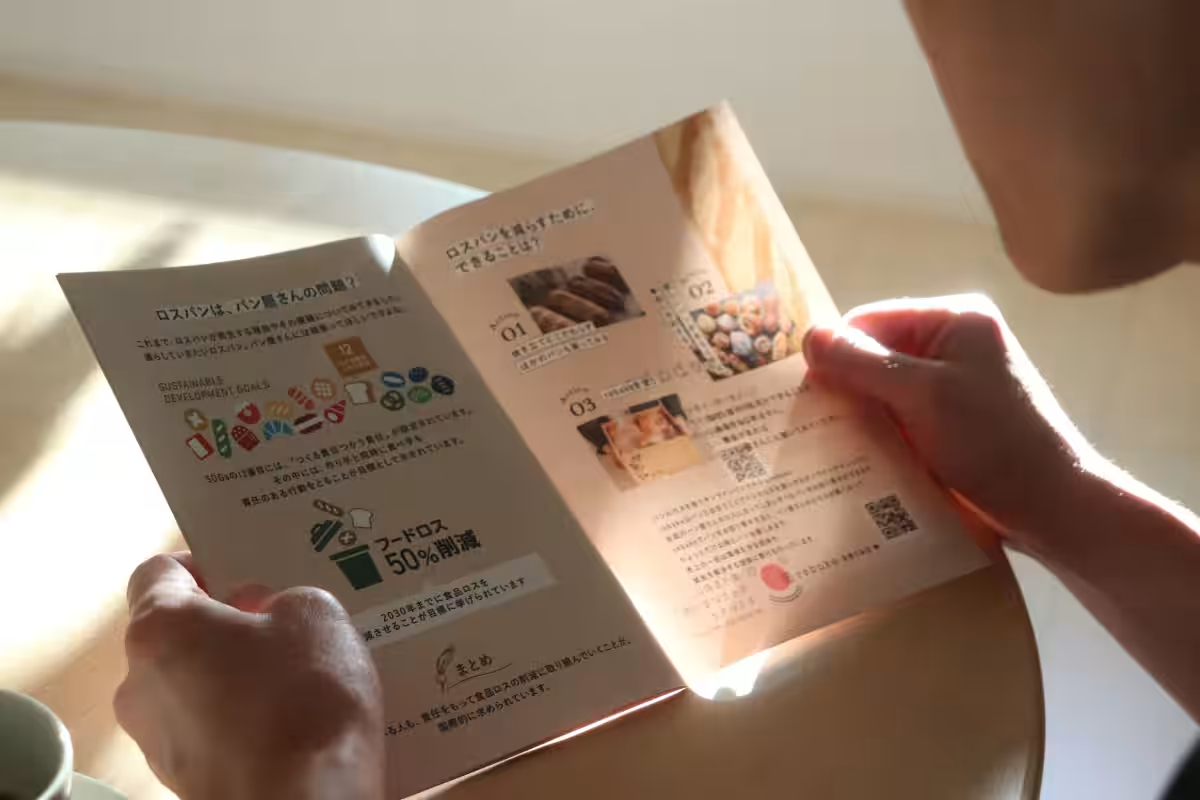
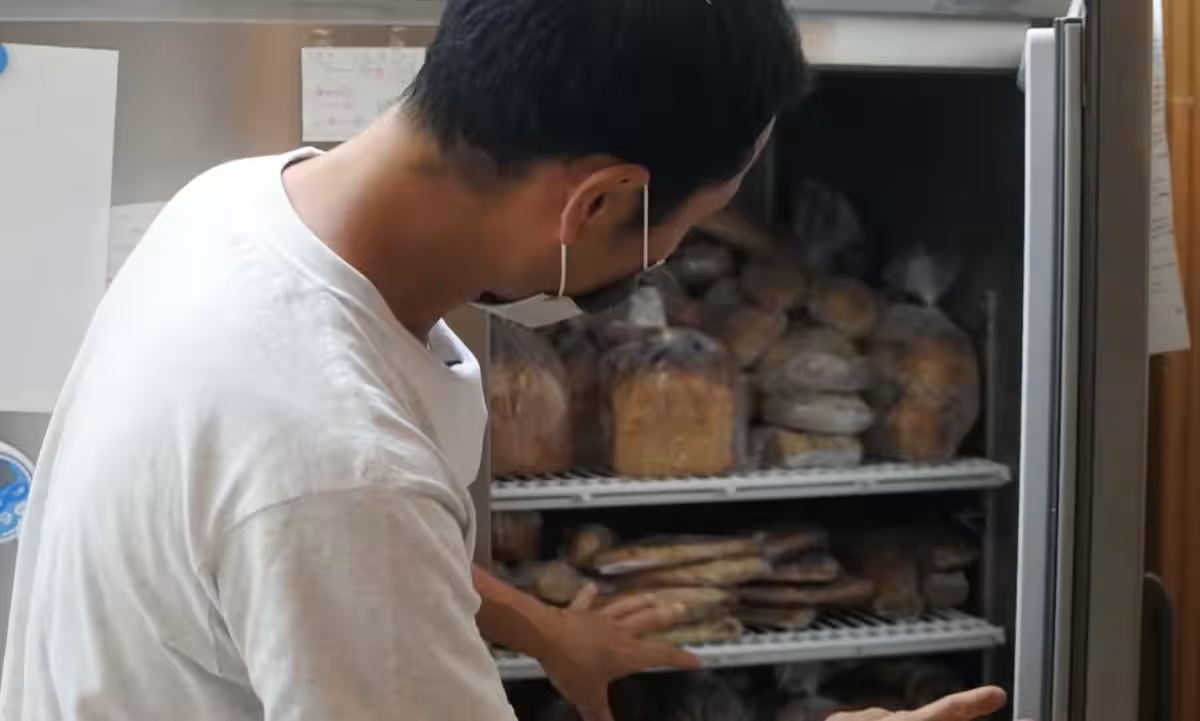
The "Textbook of Lost Bread" serves as an informative guide focused on the realities of unsold bread, offering bakeries the tools needed to address this challenge. More than 15% of the bakeries operating across Japan's manufacturing and retail sector have registered with rebake, which actively promotes the sale of lost bread to reduce waste.
Gathering insights from both producers and consumers, the textbook tackles misconceptions surrounding unsold bread and serves as a bridge to foster collaboration between bakeries and patrons. Despite the challenges involved, many bakers have stepped up to share their experiences with lost bread, paving the way for a mutually beneficial understanding within the community.
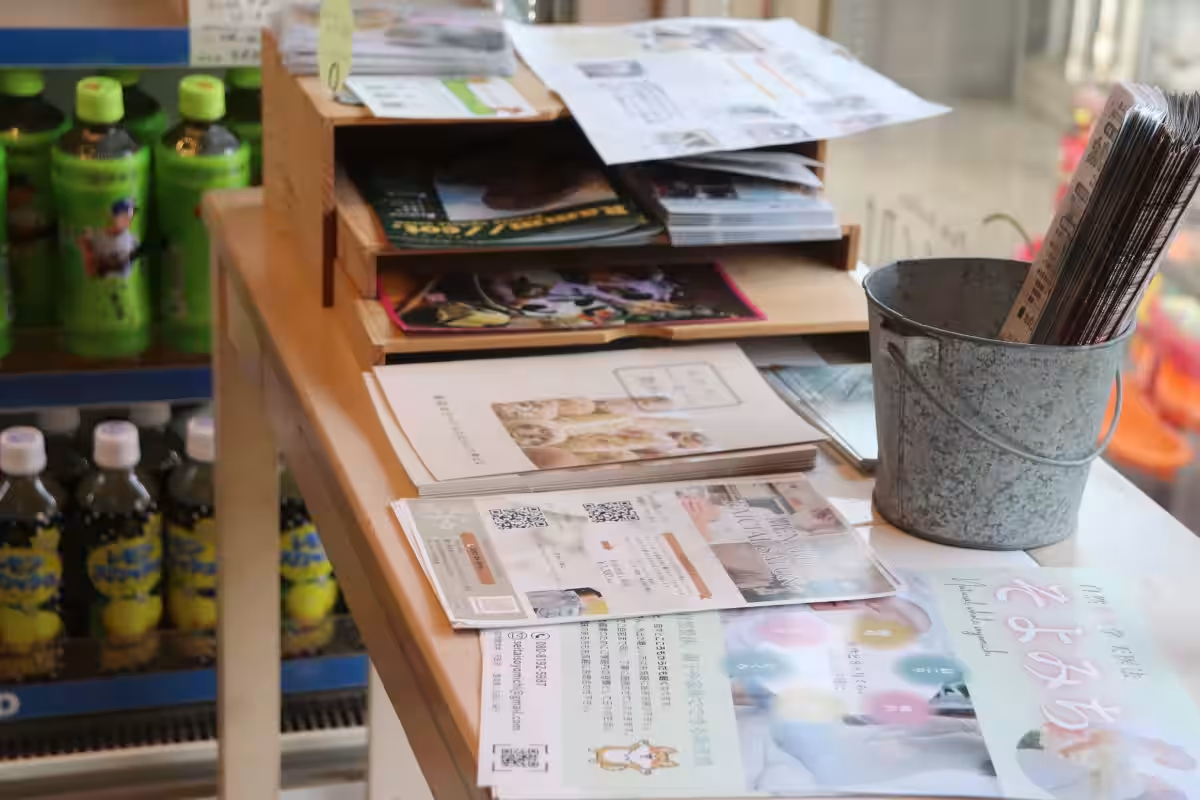
Since its initial distribution in February 2024 by rebake, the guide has seen overwhelming support, with over 20,000 copies reaching consumers nationwide. Various platforms, from bakery storefronts to community events, have facilitated its delivery.
The Role of Textbook Supporters
The initiative’s supporting bakeries, risks aside, express a solid commitment to the cause. As of March 2026, 47 bakeries have rallied behind the textbook, collaborating to ensure the message reaches current and future consumers. These supporters value the significance of local ingredients in their recipes, especially since over 40% actively incorporate local produce into their offerings.
Regions showing strong representation include Kanagawa, Tokyo, and Gunma, all home to a significant number of supporting bakeries. This active participation indicates a growing awareness and willingness to take ownership in addressing food loss.
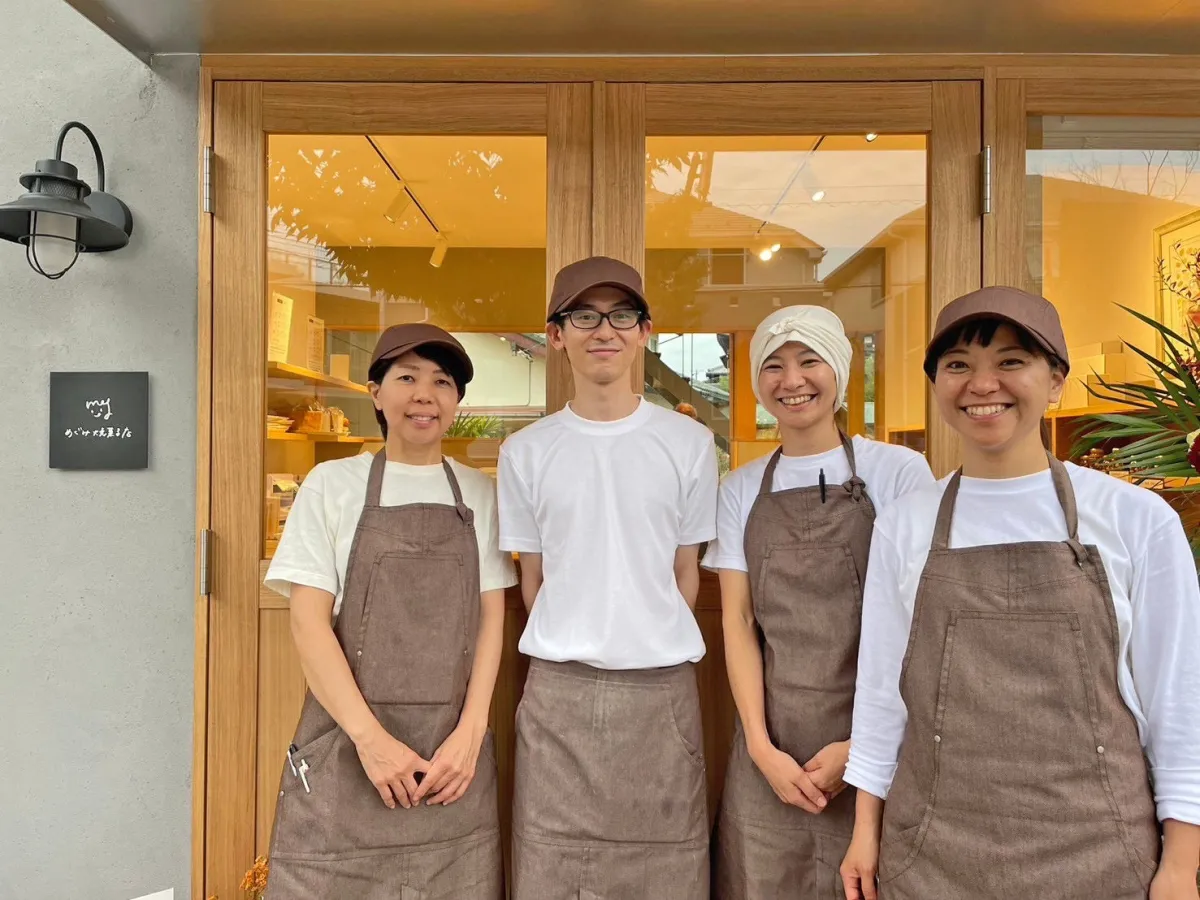
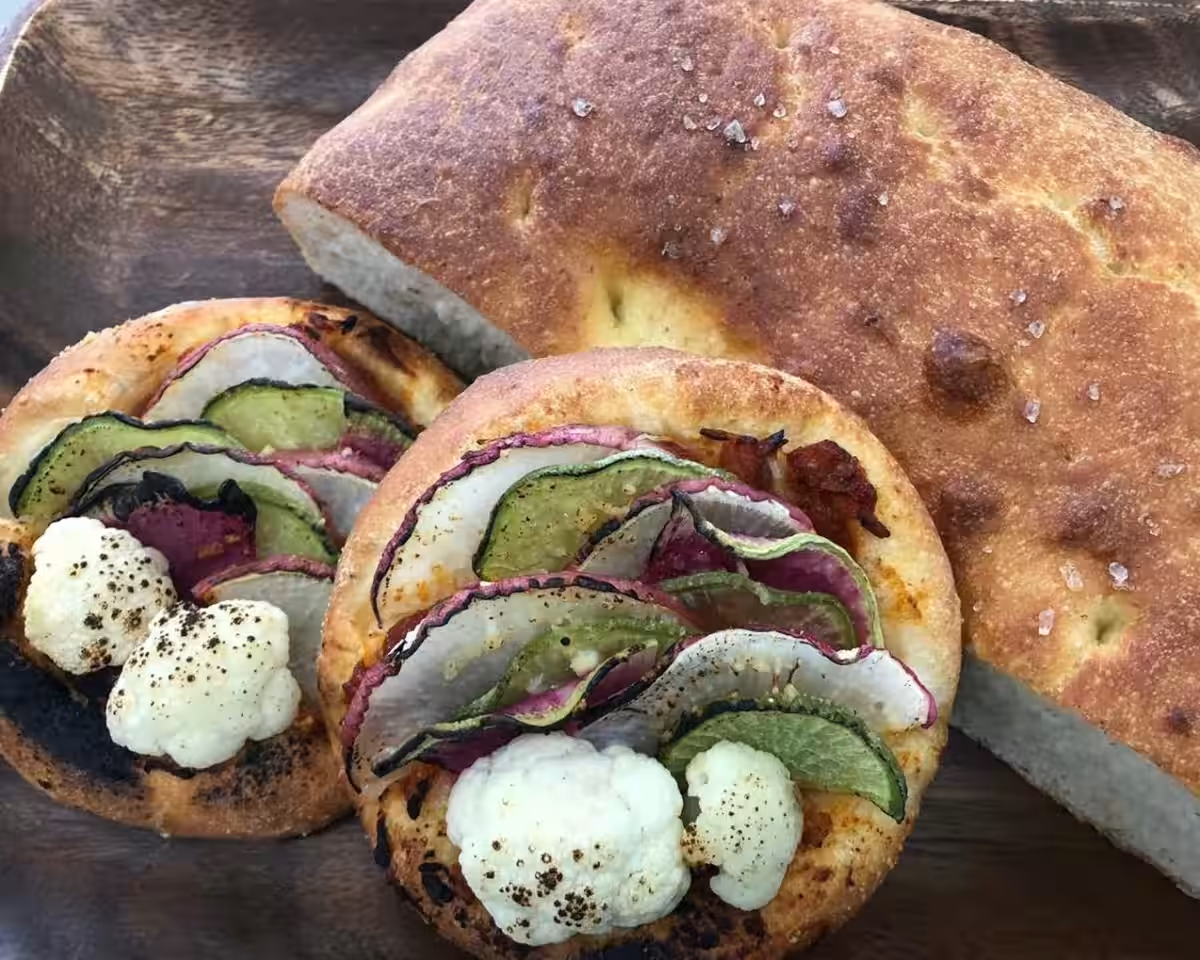
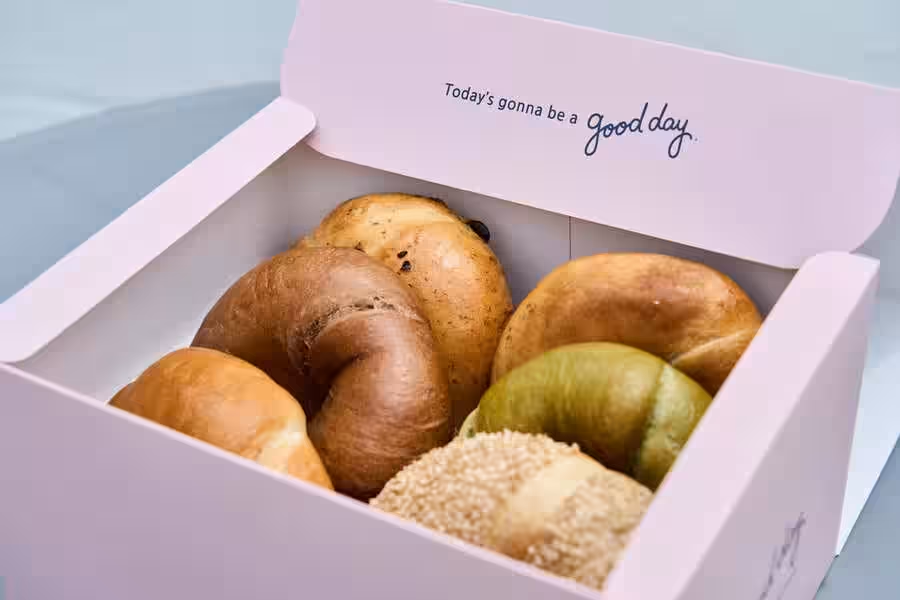
Examples include Good Day Bagel & Coffee from Gunma, known for their innovative use of local wheat, as well as Chikopain from Fukuoka, which actively integrates regional ingredients into its bread-making process.
Bakers who champion local sourcing often express a deeper connection to the ingredients they use. For instance, a bakery owner in Kanagawa confirmed using local vegetables in their products, articulating how this closeness strengthens their commitment to minimize bread loss. Another in Ibaraki noted that their relationships with local farmers have encouraged them to utilize regional wheat in their baking, ushering in a newfound focus on responsible consumption.
Voices from the Community
Feedback from consumers who have explored the textbook indicates its positive impact. Many fans of bread appreciate being able to enjoy their favorite loaves, knowing their choice plays a role in reducing waste. One reader articulated their intent to advocate for rebake within their community, inspired by their understanding of the fresh perspectives on food waste.
A Broader Impact
The efforts of the Textbook of Lost Bread resonate beyond simply reducing numerical waste. They encapsulate a cultural shift towards more sustainable practices within the baking community. As bakeries collectively embrace local ingredients, they build a network rooted in environmental consciousness and cultural appreciation for regional farming.
This initiative not only seeks a reduction in unsold bread but also actively invites producers and consumers alike to consider their impact on the food system. By fostering a united front, the movement stands at the forefront of addressing food waste, championing local sourcing, and cultivating a responsible baking culture in Japan.
Through the "Textbook of Lost Bread", rebake continues its mission to bridge the gap between bakeries and consumers, generating fruitful dialogues around food sustainability while spreading the love of bread across the nation. For more details and to support, anchor your interest with the following link: rebake official website.


Topics Consumer Products & Retail)








【About Using Articles】
You can freely use the title and article content by linking to the page where the article is posted.
※ Images cannot be used.
【About Links】
Links are free to use.