




Insightful Survey Reveals Hearing Impairment Trends Among Seniors
Understanding Hearing Impairment Among Seniors
Overview
Recent research conducted by Cosmo Health, a company specializing in senior marketing, has shed light on the current state of hearing health among the elderly population. Through a comprehensive survey targeting individuals aged 50 and above, the study provides insights into the prevalence of hearing issues, including diminished hearing and tinnitus, as well as the response—or lack thereof—by those affected.
Key Findings
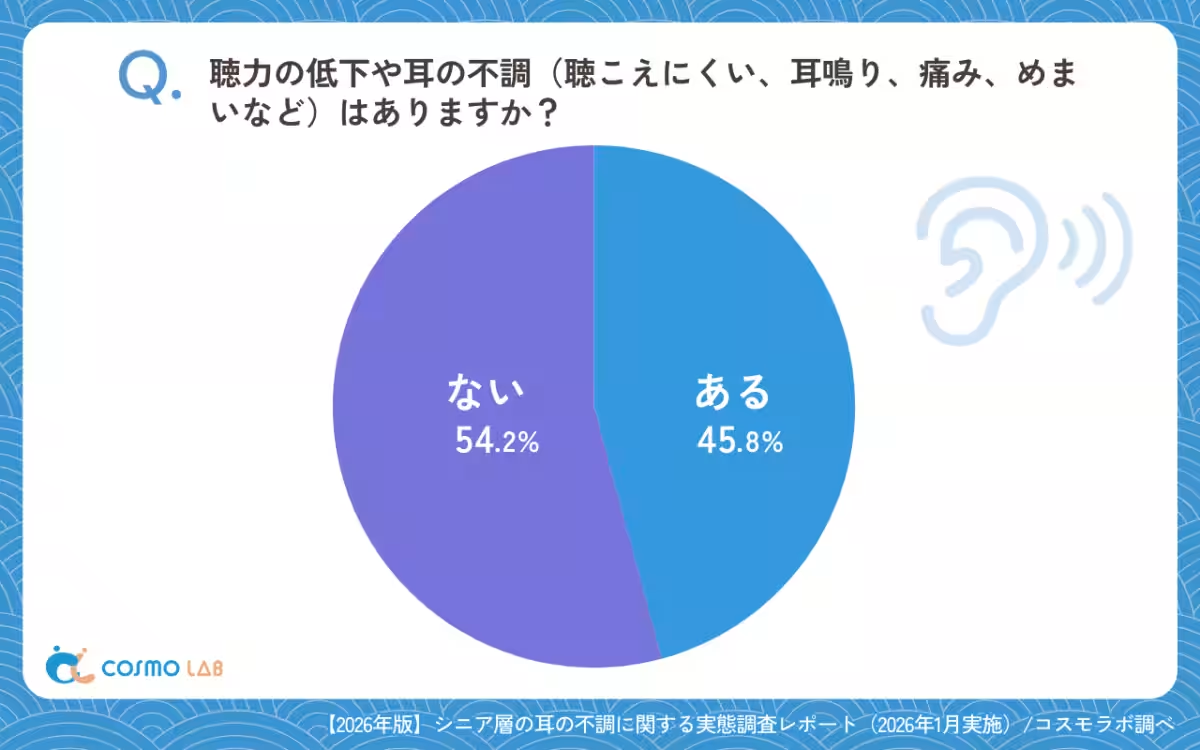
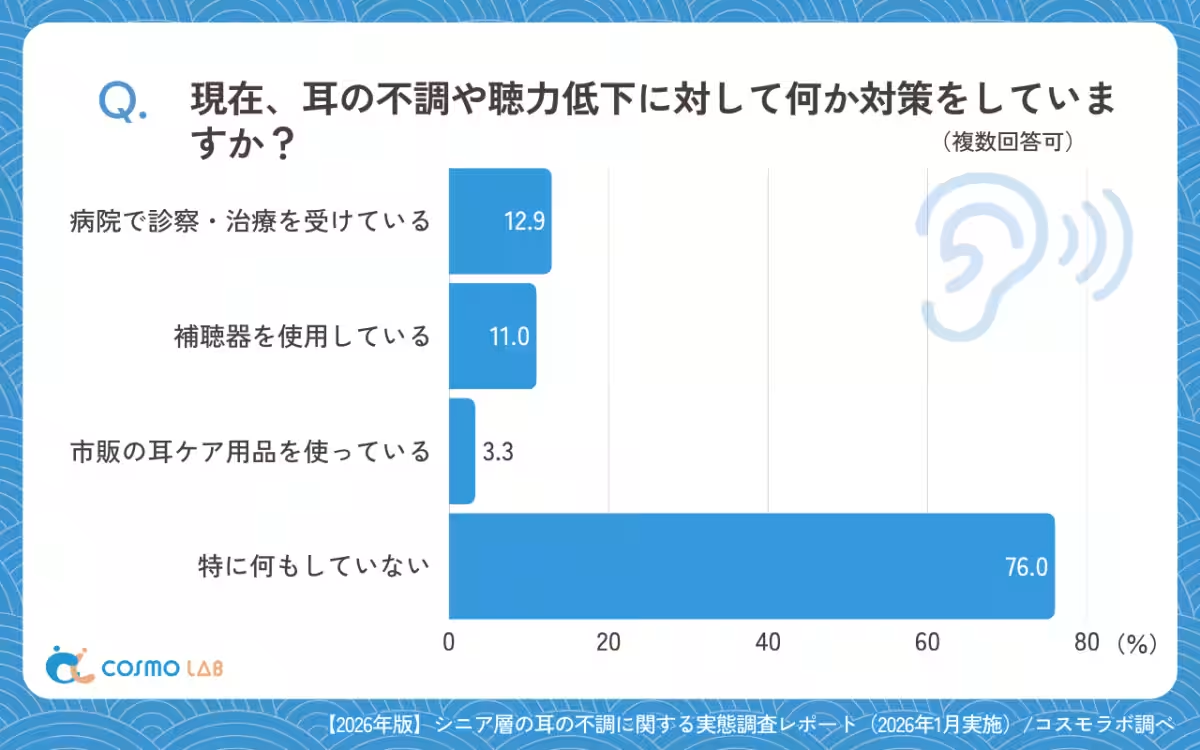
1. Prevalence of Hearing Issues: A significant 45.8% of respondents reported experiencing some form of ear discomfort. This discomfort does not always translate into action, as roughly 76% of those with hearing issues indicated they had not taken any effective steps to address their situation.
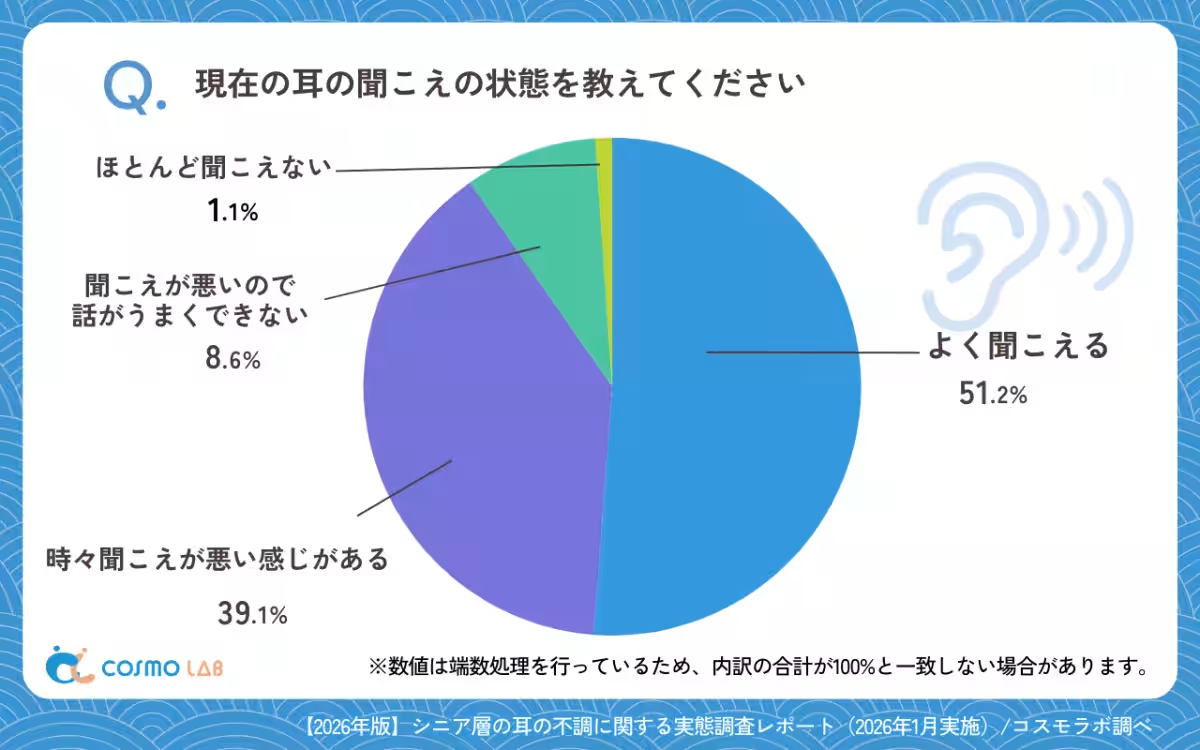
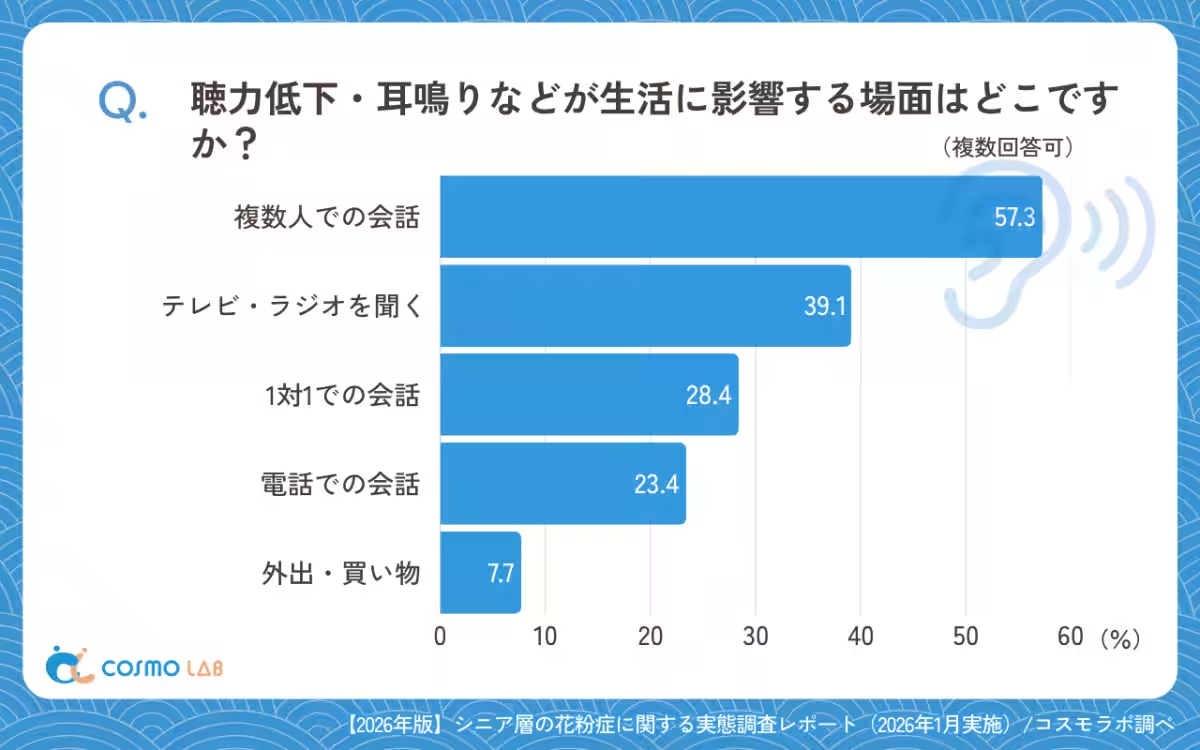
2. Communication Challenges: The most troubling situations arise during group conversations, with 57.3% of respondents expressing difficulties in such settings, followed by challenges while listening to television or radio (39.1%). Interestingly, 23.4% noted that telephone conversations were similarly affected, suggesting broader implications for everyday communication and interaction.
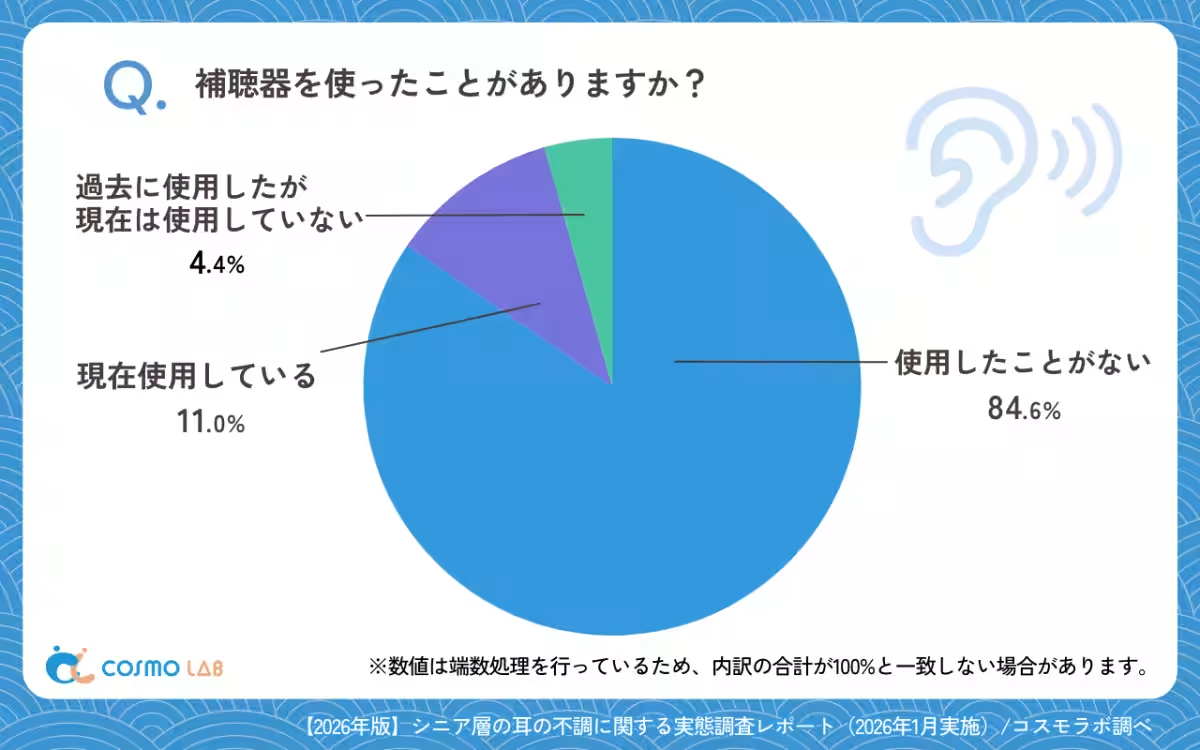
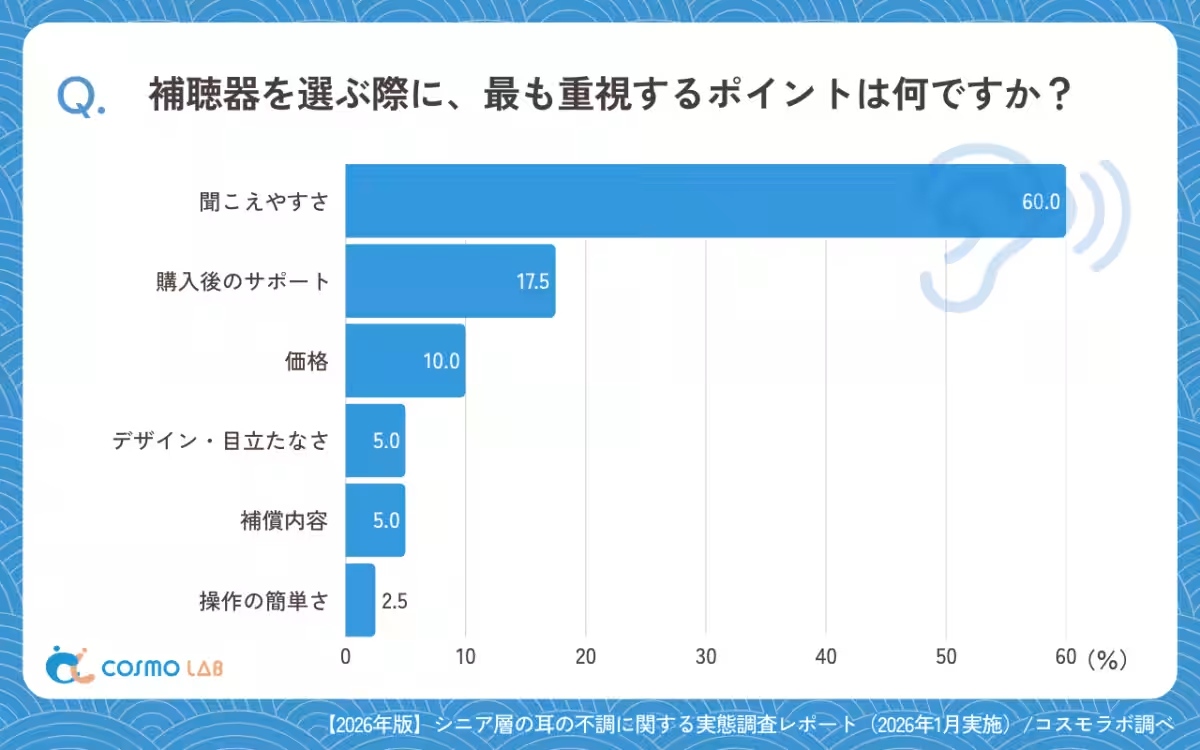
3. Hearing Aid Usage: Alarmingly, 84.6% of those surveyed stated they have never used hearing aids. When considering the selection of hearing aids, 60% emphasized ease of hearing as the most critical factor, with post-purchase support also deemed important by 17.5% of respondents. This highlights a potential area for improvement in how these devices are marketed and supported post-sale.
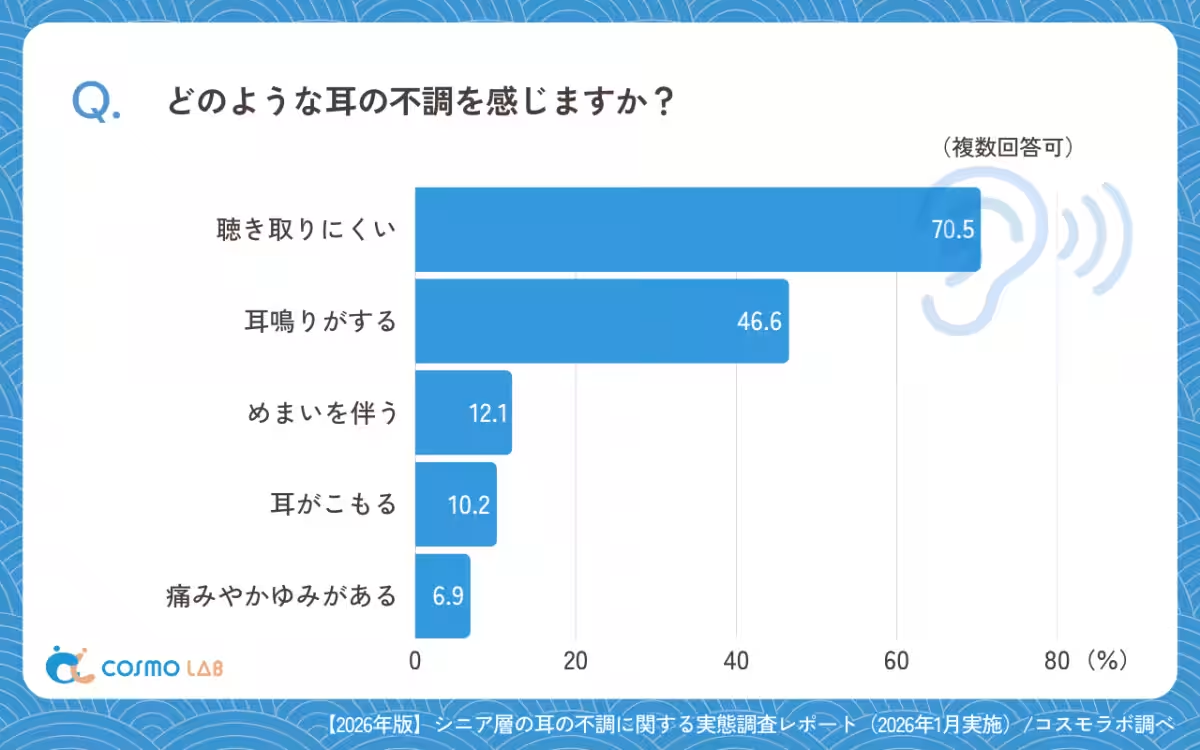
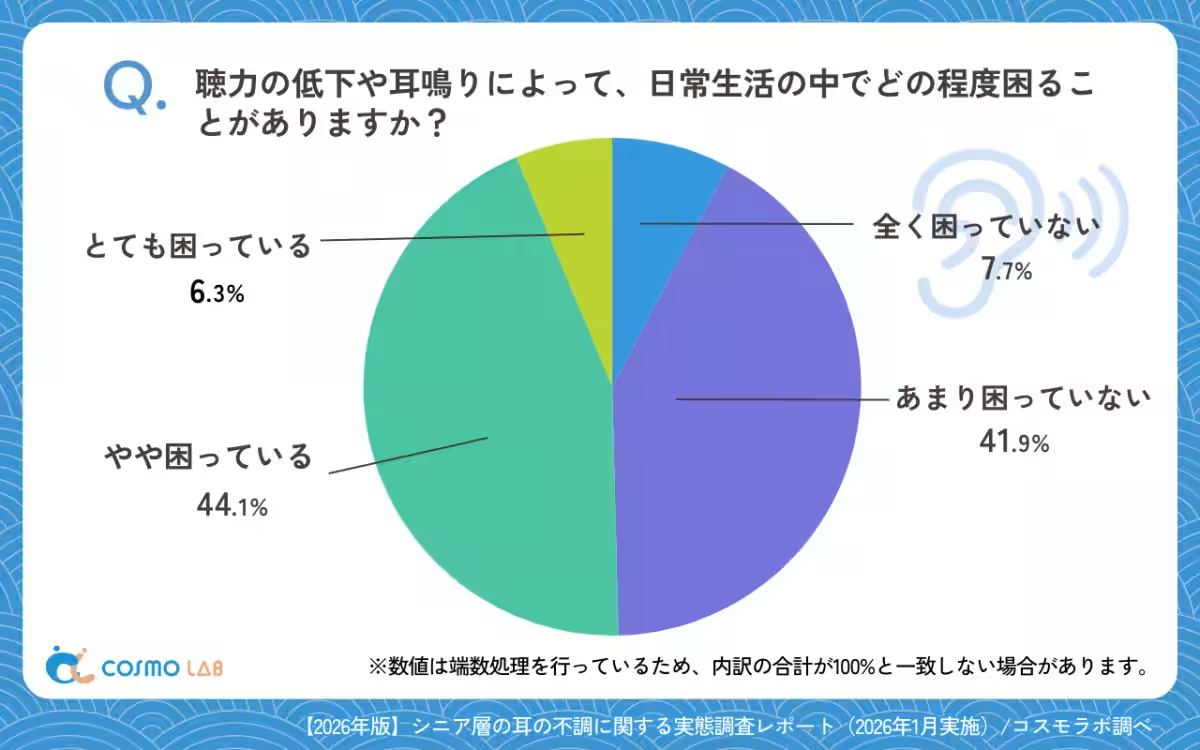
4. Individual Awareness and Action: Most individuals reported being aware of their hearing difficulties, with symptoms like difficulty hearing (70.5%) and tinnitus (46.6%) being prevalent. Despite this awareness, the majority are not seeking treatment or assistance, indicating a disconnect between recognition of issues and proactive measures to address them.
Insights into Behavioral Trends
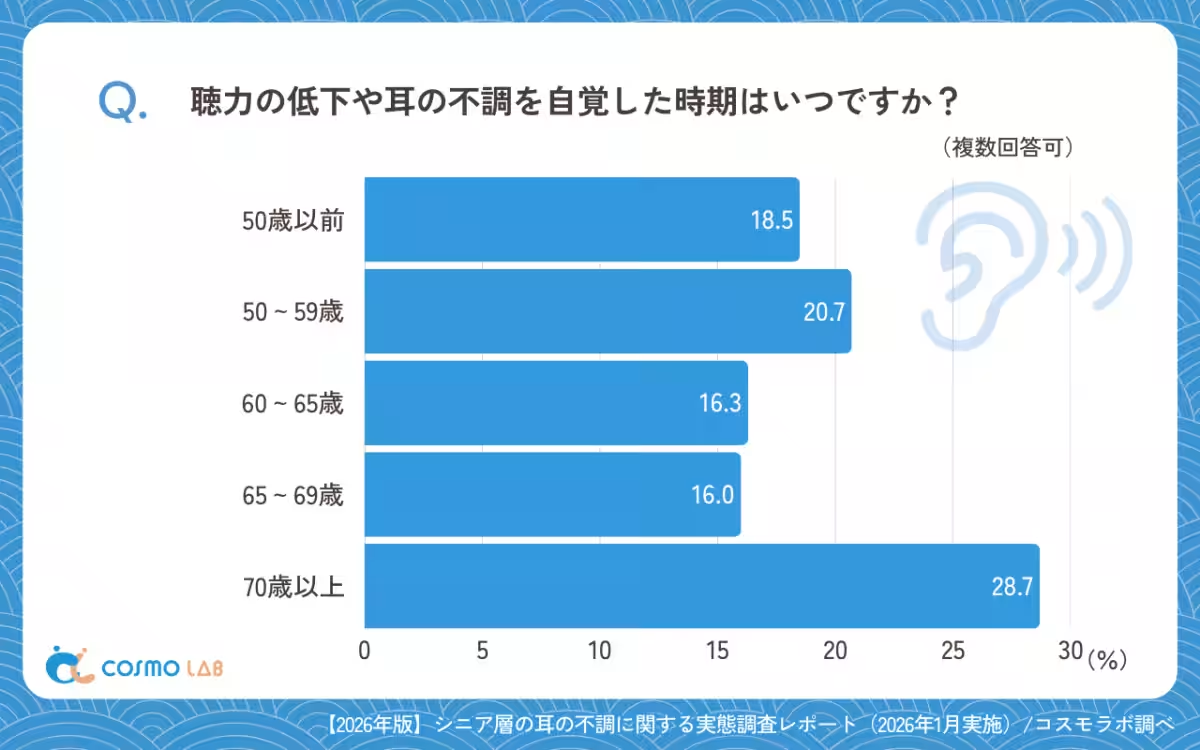
The survey results suggest the elderly population may often delay action due to various psychological barriers and perceived minor severity of their conditions. Addressing these barriers through clear communication about the importance of early diagnosis and treatment options is essential.
Suggestions for Improvement
1. Awareness Programs: Initiatives aimed at educating seniors about the signs of hearing impairment and the importance of early intervention can help bridge the gap between awareness and action. Simplifying and clarifying the process related to consultations and assessment may encourage those facing slight discomfort to seek help.
2. Accessibility of Hearing Aids: Step-by-step guidance regarding the use and access to hearing aids is crucial, especially considering the percentage of seniors who have never tried them. Making the process less daunting could lead to higher rates of adoption among the elderly.
3. Tailored Communication Strategies: Since the findings indicated that group conversations pose significant challenges, creating tailored recommendations on improving communication in social settings would benefit the senior demographic.
Conclusion
The results of this survey from Cosmo Health highlight an important gap in the treatment of hearing issues among seniors. While the acknowledgment of hearing challenges exists, the action taken is minimal. By addressing the psychological and logistical barriers preventing seniors from seeking help, improved healthcare and awareness programs can make a substantial difference in their quality of life. The data reflects a growing concern that requires attention from both healthcare professionals and marketing experts focused on serving the senior community.
For further analysis and exploration of other senior-focused research topics, visit the Cosmo Lab website and discover insights into the modern senior experience, encompassing areas like health, disaster preparedness, and consumer trends.

Topics People & Culture)

【About Using Articles】
You can freely use the title and article content by linking to the page where the article is posted.
※ Images cannot be used.
【About Links】
Links are free to use.