




Survey Reveals IT Engineers Struggle with Job Description Gaps and Workplace Realities
Survey Overview
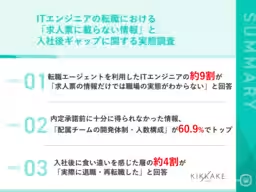
A recent investigation conducted by Kikkake Creation Co., Ltd. has unveiled concerning insights regarding IT engineers' job transitions. The study targeted 101 IT engineers who used recruitment agents to find new employment within the past three years. Key findings indicate that nearly 90% of participants believe that job descriptions don’t accurately reflect the realities of the workplace. Furthermore, over 70% experienced significant discrepancies in information post-employment, especially regarding team development structures.
Key Findings
1. Inaccurate Job Descriptions: Approximately 90% of IT engineers reported that they could not comprehend the true nature of their prospective workplaces based solely on job postings.
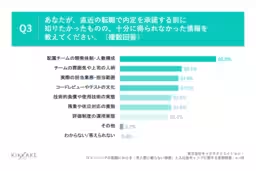
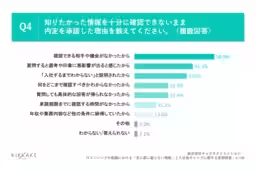
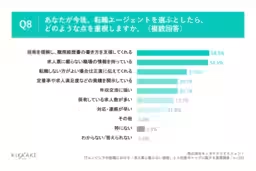
2. Critical Pre-employment Information Lacking: The most crucial information that applicants felt they lacked before accepting job offers was related to their assigned teams' development structures and team composition (60.9%).
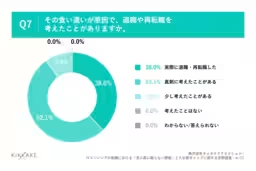
3. Post-employment Discrepancies: About 38% of engineers who felt misled by pre-employment information subsequently quit or considered re-entering the job market.
Detailed Analysis
The Disconnect Between Job Descriptions and Reality
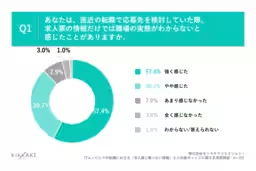
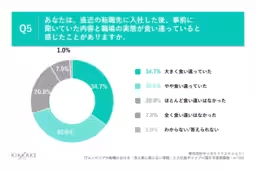
In response to questions about their job search experiences, an alarming 57.4% of survey respondents strongly felt that job postings did not convey the actual environment. A further 30.7% had similar feelings but to a lesser extent. This discrepancy underscores a critical gap that can lead to dissatisfaction among new hires.
Information Adequacy Pre-Job Offer
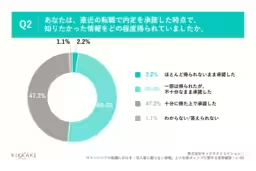
Among those who felt they lacked vital information, 51.6% either received insufficient details or none at all prior to accepting offers. The inability to obtain adequate information is primarily attributed to a lack of opportunity or appropriate contacts for reaching out to potential employers.
Significant Workplace Mismatches Post-Employment
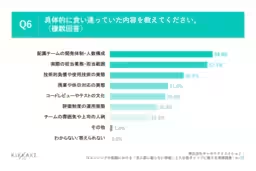
Once on the job, 70.3% of engineers reported feeling a substantial gap between the information they were given and the actual conditions they encountered at their new workplace. The areas of greatest disparity included team development structures and ranges of assigned responsibilities.
Reasons for Discrepancies
The survey results indicate that the inability to clarify concerns before accepting job offers contributes significantly to later dissatisfaction. A prominent reason for this was a lack of feasible opportunities to verify essential details (56.5%). Applying candidates frequently feared that inquiries might negatively affect their chances in the selection process.
Impact of Discrepancies on Career Trajectories
The consequences can be serious; around 38% of respondents who identified a significant disparity in their new jobs actually left their role or sought other opportunities. This raises crucial questions about employer accountability and the transparency of job descriptions.
A Call to Action
This investigation raises important considerations for job seekers within the IT sector. As recruitment challenges persist, employers must recognize the double jeopardy of early turnover due to mismatches spurred by misleading job descriptions. Effective communication of the workplace environment could mitigate these issues, influencing the decision-making process of prospective hires when choosing a recruitment agent.
Conclusion
The findings of this survey reveal a harsh reality for IT engineers. Most face significant challenges in understanding workplace dynamics prior to accepting roles, contributing to a cycle of dissatisfaction and turnover. Moving forward, enhancing transparency and clarity regarding job descriptions will be crucial in aligning expectations and fostering long-term career satisfaction in the tech sector.


Topics People & Culture)

【About Using Articles】
You can freely use the title and article content by linking to the page where the article is posted.
※ Images cannot be used.
【About Links】
Links are free to use.