



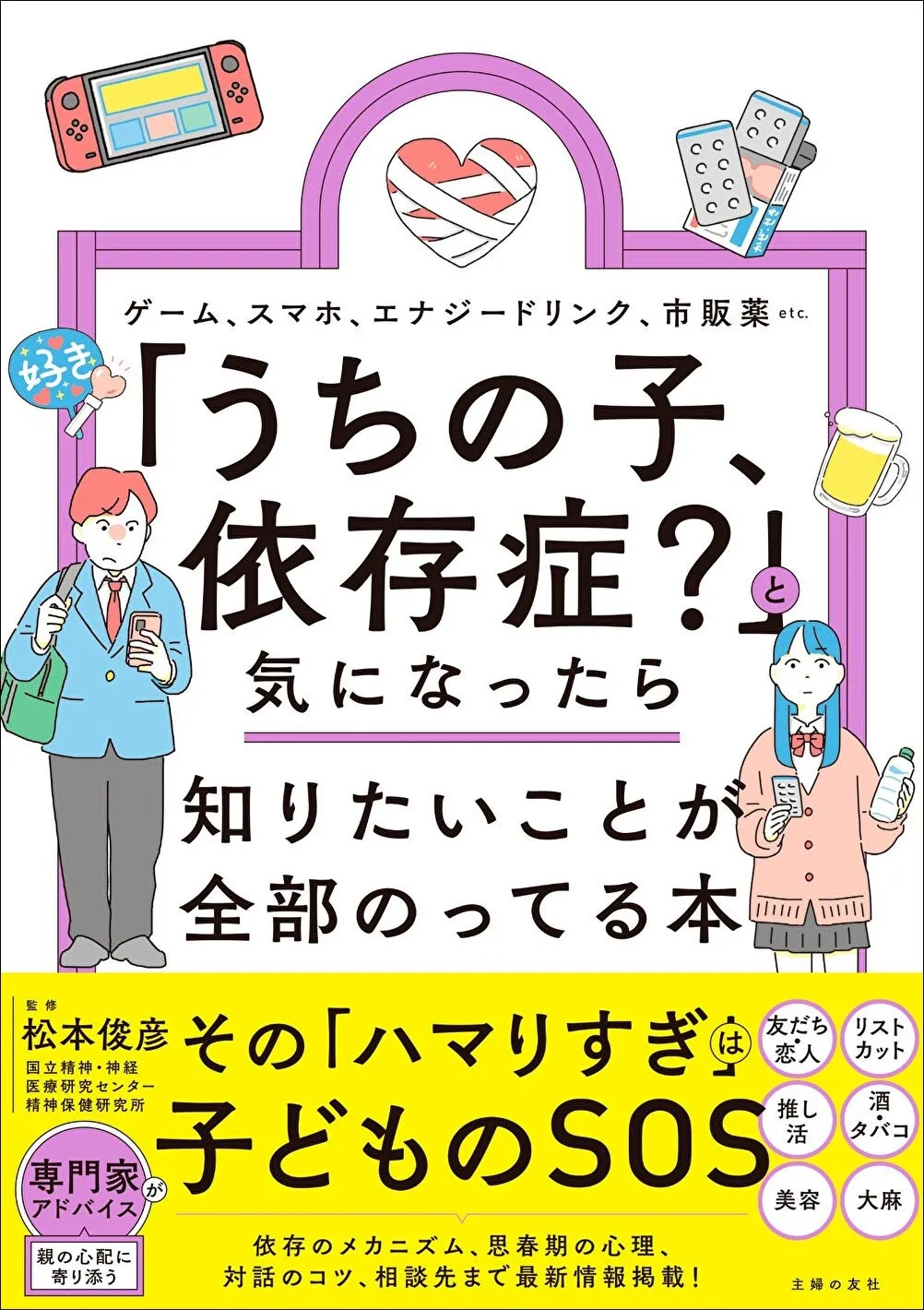
Understanding Modern Addiction: A Guide for Parents on Youth Dependency Issues
Understanding Modern Addiction: A Guide for Parents on Youth Dependency Issues
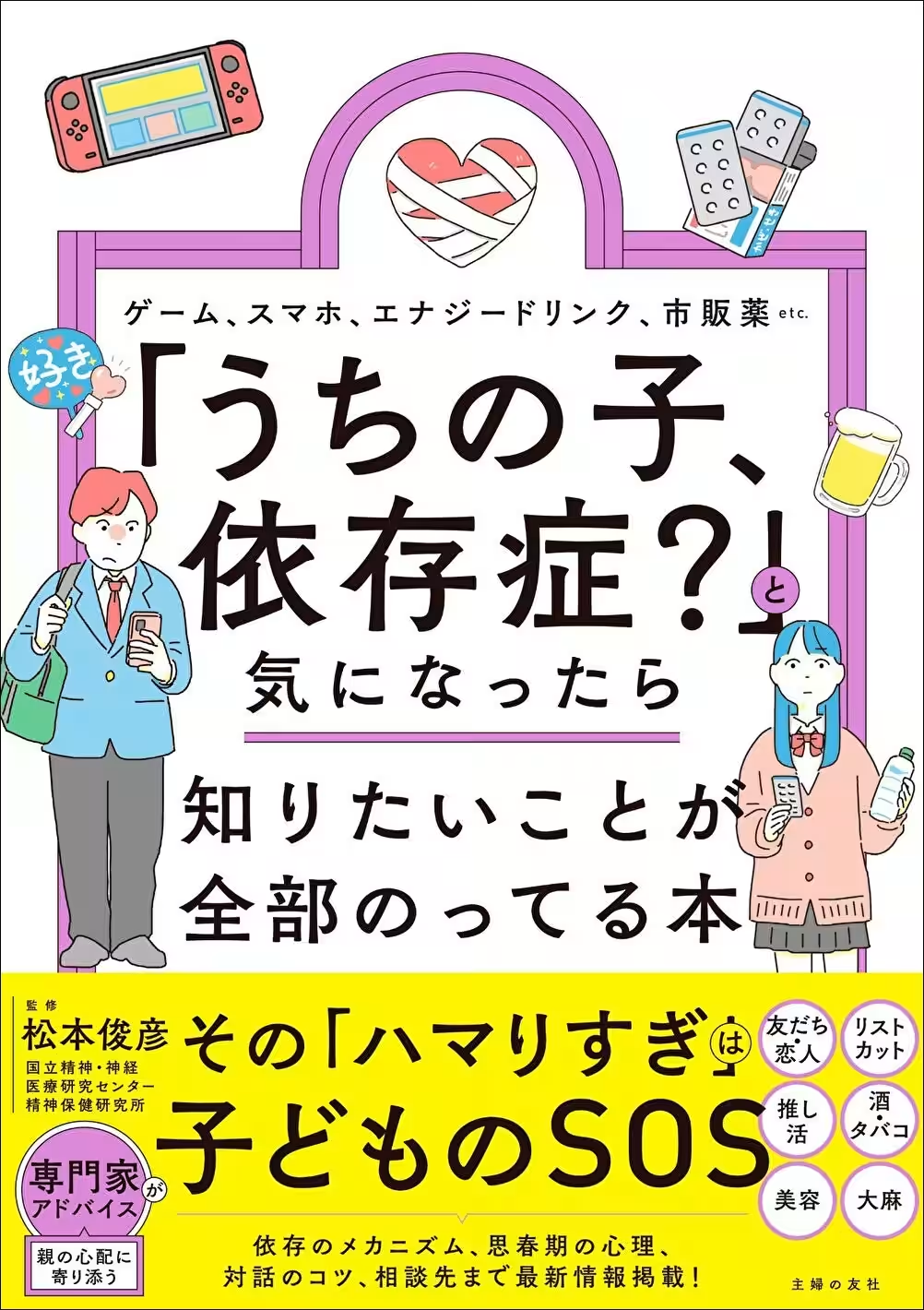
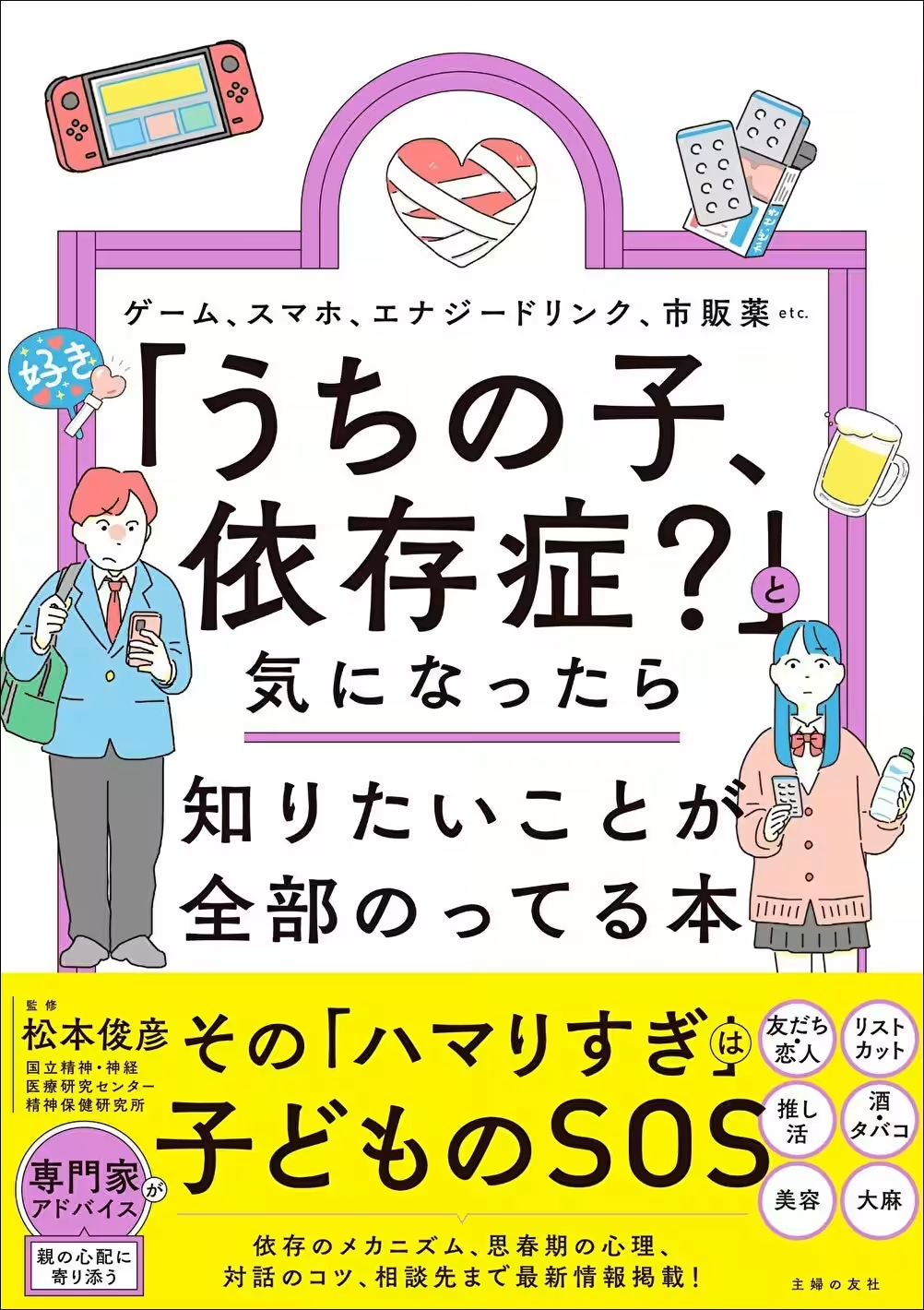
On July 29, 2026, Syufu no Tomosha Co. will release a practical guide titled "Is My Child Addicted? Everything You Want to Know", which addresses contemporary issues surrounding youth dependency on gaming, smartphones, over-the-counter medications, and energy drinks. This comprehensive book aims to enlighten parents about the increasing trends of addiction among today's youth and offers effective communication strategies to tackle these challenges.
The Rise of Addictive Behaviors in Youth
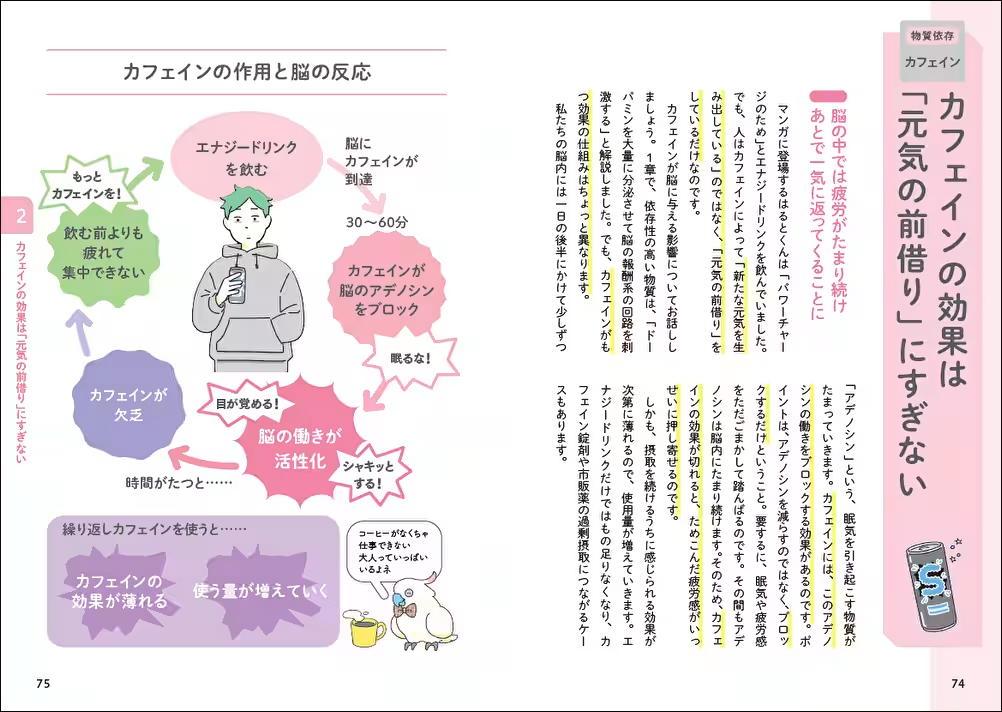
Today's youth are facing a unique landscape filled with potential addiction triggers that differ significantly from previous generations. Parents are alarmed at the growing immersion in online games and smartphones, but an even more critical concern lies in the rising consumption of energy drinks and over-the-counter medications. Often, children turn to energy drinks to cope with academic and extracurricular pressures. It is crucial to understand that caffeine merely masks fatigue, providing a temporary boost followed by an inevitable crash. The book advises limiting energy drink consumption for children under 16.
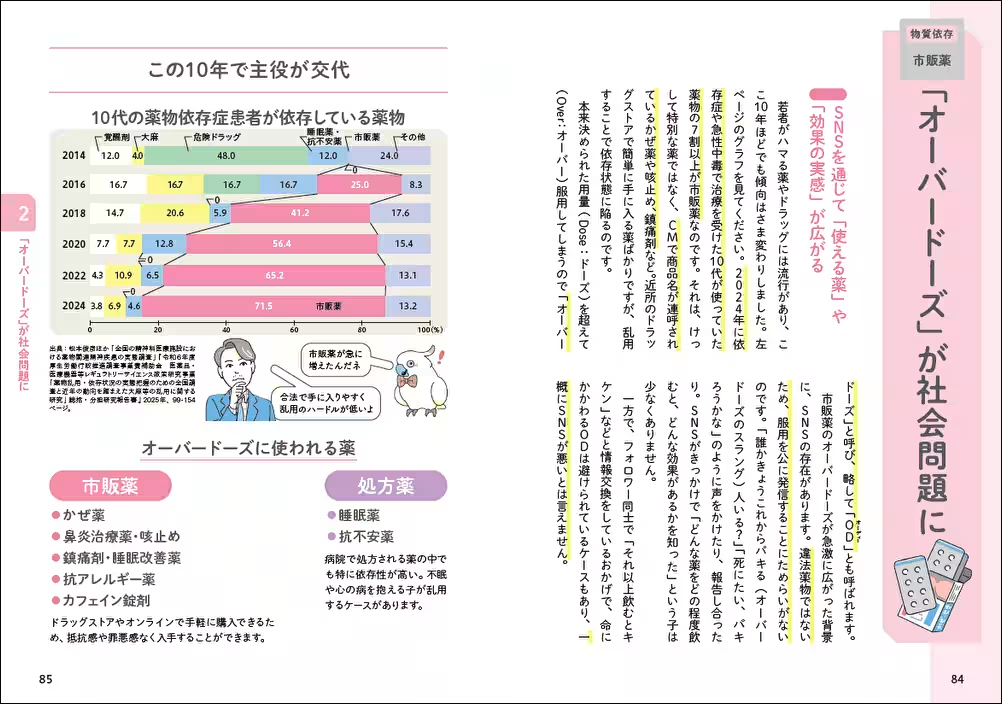
Moreover, a worrying trend has emerged regarding overdosing on easily accessible medications like cold medicine. A 2024 study indicated that 71.5% of substances used by teens undergoing treatment for addiction were over-the-counter drugs. The reliance on these substances stems from underlying emotional and social difficulties, not the rebellious behaviors often associated with past youth cultures.
Misguided Parental Responses
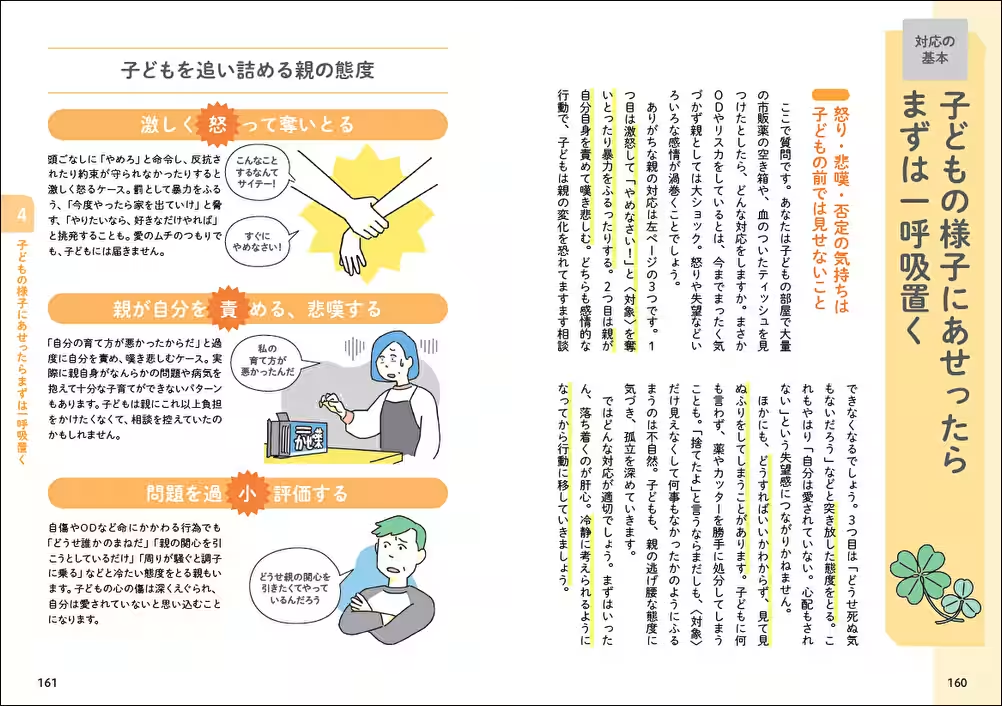
When confronted with their child’s excessive gaming or smartphone use, parents may instinctively react with anger, demanding that their child stops immediately. However, such responses can exacerbate the situation. For many kids grappling with anxiety and emotional distress, their 'addictions' serve as coping mechanisms, much like a crutch. Abruptly taking away their means of escape may push them into secrecy and deeper struggles.
Common Parent Missteps
Here's a glance at typical reactions and their unintended consequences:
- - Immediate Reactivity: Yelling or forcefully confiscating devices can lead to children hiding their behavior and lying to avoid conflict.
- - Self-Blame: Parents blaming themselves for their child’s behavior may lead to increased secrecy as the child seeks to protect their parent from added stress.
- - Underestimation: Dismissing a child's problems as mere attention-seeking can instill feelings of worthlessness, resulting in deeper emotional wounds.
Effective Communication with Children: The PIUS Method
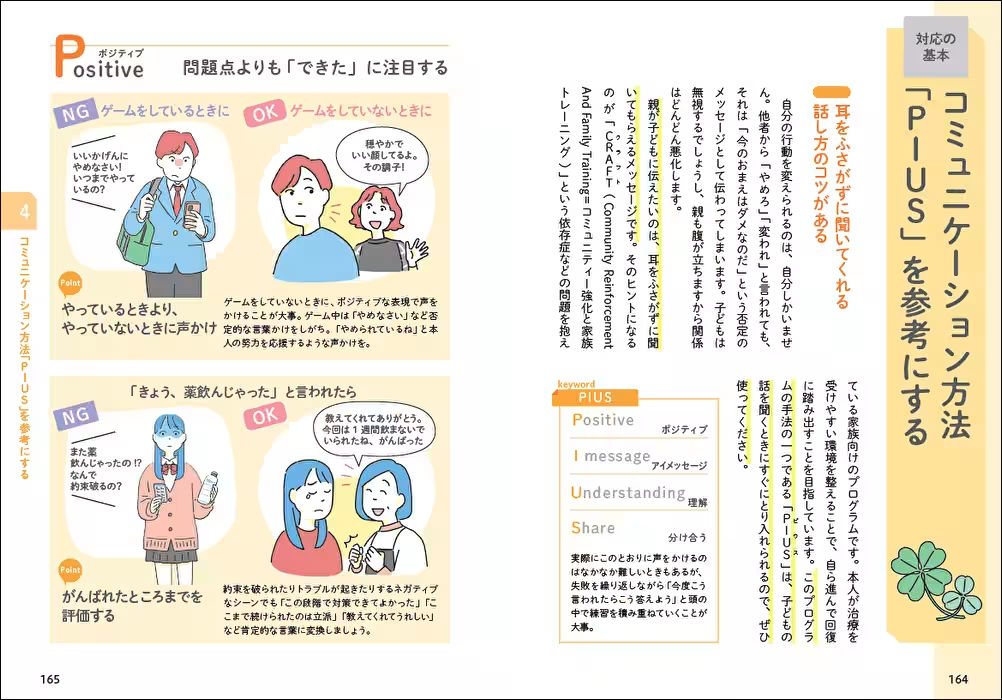
To foster openness, parents should not resort to prohibition alone. Creating an environment where children feel safe to express their struggles is essential. The book introduces the PIUS method—an effective communication technique derived from family programs like CRAFT (Community Reinforcement and Family Training).
Components of the PIUS Method
- - Positive Reinforcement: Acknowledge and affirm positive behavior when children are not engaged in their addiction, fostering their self-esteem.
- - I-Messages: Shift the focus from accusatory questions to expressing personal concern, thus facilitating open dialogue.
- - Understanding: Validate their feelings without judgment, recognizing that their struggles are valid and shared by many.
- - Sharing Responsibility: Offer support by asking what role you can play in alleviating their burdens, fostering an alliance between parent and child.
The Deeper Issues Behind Self-Harm
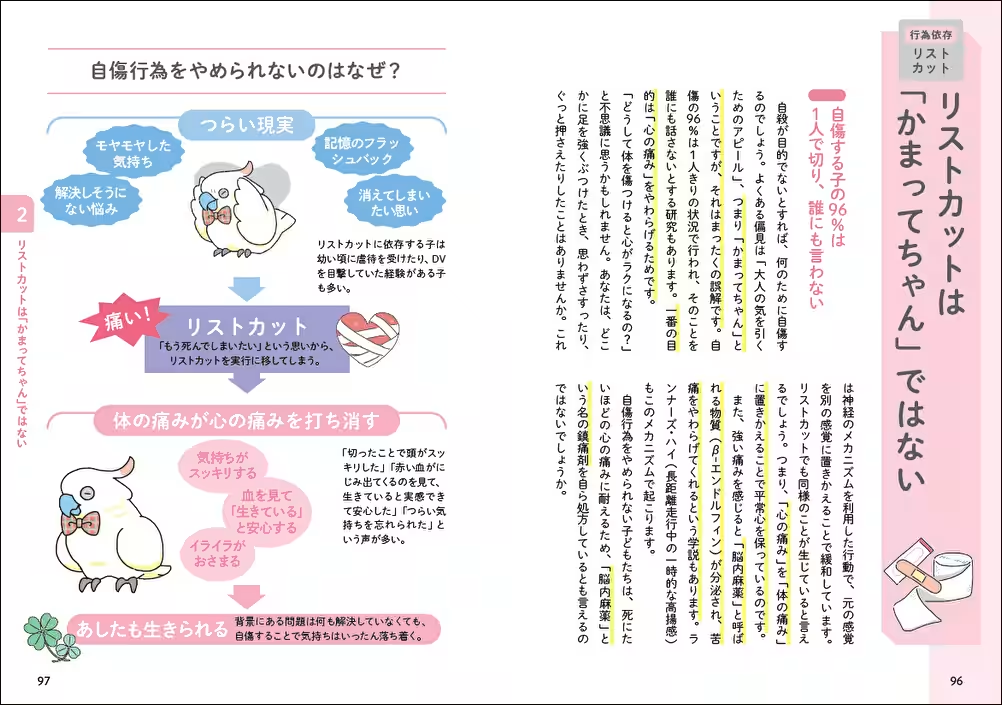
The book also addresses the alarming rise in self-harming behaviors among teenagers, such as cutting. It emphasizes that these acts are not merely cries for help, but serious signs of pain, representing the need to alleviate emotional suffering through physical means. Understanding that behaviors like this arise from deep psychological struggles is imperative for parents and guardians.
Furthermore, it discusses the psychological backgrounds of other contemporary addictions—relationships, beauty standards, and even marijuana. It encourages parents to engage with their children with empathy and knowledge, creating a nurturing environment that may offer respite from the pressures of modern life.
Conclusion
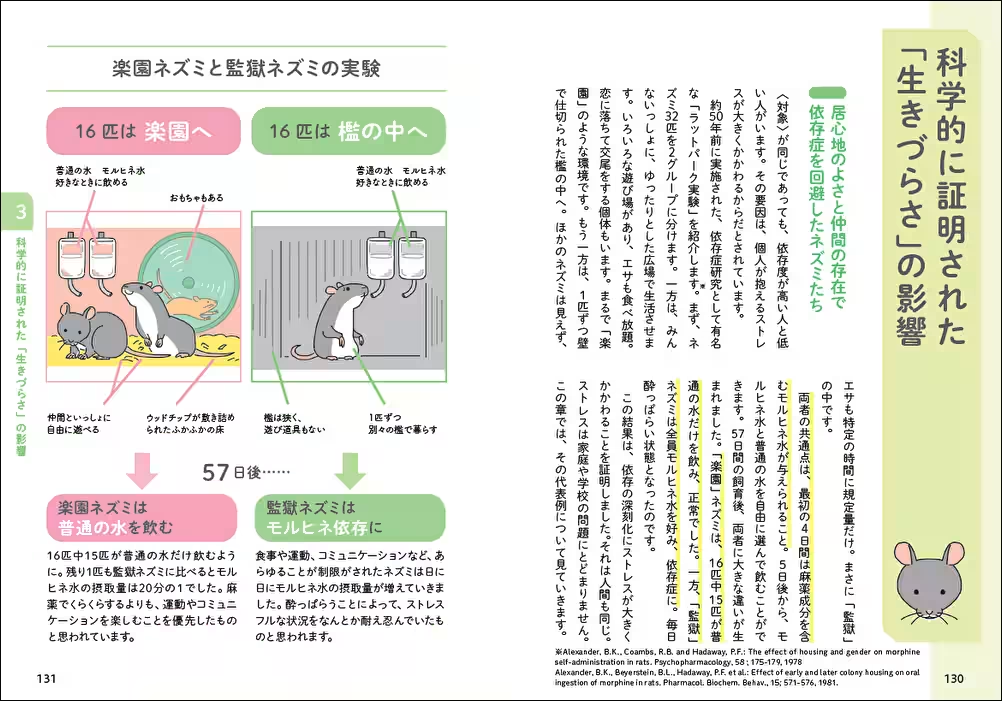
According to research like the Rat Park experiment, social isolation and stressful environments worsen dependency issues. Parents educated about these challenges hold the key to transforming their homes into safe havens, fostering a culture of understanding, healing, and open communication.
Table of Contents
1. Before Rushing to Conclusions: What You Need to Understand
2. Coping with Dependencies: Gaming, Caffeine, and Medications
3. The Reality of Emotional Hardship: Factors Often Overlooked
4. Finding Support: Communication Techniques and Resources for Parents
Author Profile
Dr. Toshihiko Matsumoto, a psychiatrist, heads the Drug Addiction Research Section at the National Center of Neurology and Psychiatry in Japan. He has authored several influential texts in addiction studies.
Book Information
- - Title: Is My Child Addicted? Everything You Want to Know
- - Supervised by: Dr. Toshihiko Matsumoto
- - Illustrations by: Hikaru Nakanishi
- - Price: 1760 JPY (Tax included)
- - Release Date: July 29, 2026
- - ISBN: 978-4-07-463289-6
- - Available on: Amazon
- - Electronic Edition: Released simultaneously
For media inquiries, please contact the PR department at Syufu no Tomosha.

Topics People & Culture)


【About Using Articles】
You can freely use the title and article content by linking to the page where the article is posted.
※ Images cannot be used.
【About Links】
Links are free to use.