



Comprehensive Analysis of Corporate Internal Business Contests: Insights from 40 Case Studies
Introduction
Filament Inc., a company based in Osaka that specializes in supporting new business initiatives for large corporations, recently conducted a survey focusing on internal business contests (IBCs). This survey was directed at participants of the "BizCon AWARDS 2026" held on June 10, 2026. All attendees were responsible for IBC operations or exploring the potential implementation of such contests within their organizations. Out of 158 participants from 71 companies, 66 individuals from 45 firms submitted responses. The analysis focused on IBC programs from companies with a proven track record, totaling 40.
Key Findings
The data revealed several significant insights related to the operation of internal business contests. One major takeaway is the transformation of challenges faced by organizations as they mature in their IBC programs. More specifically, as IBC systems become established, organizations seem to shift their primary concerns from the initial stages of gathering submissions to navigating the later stages around project commercialization.
Transition of Challenges
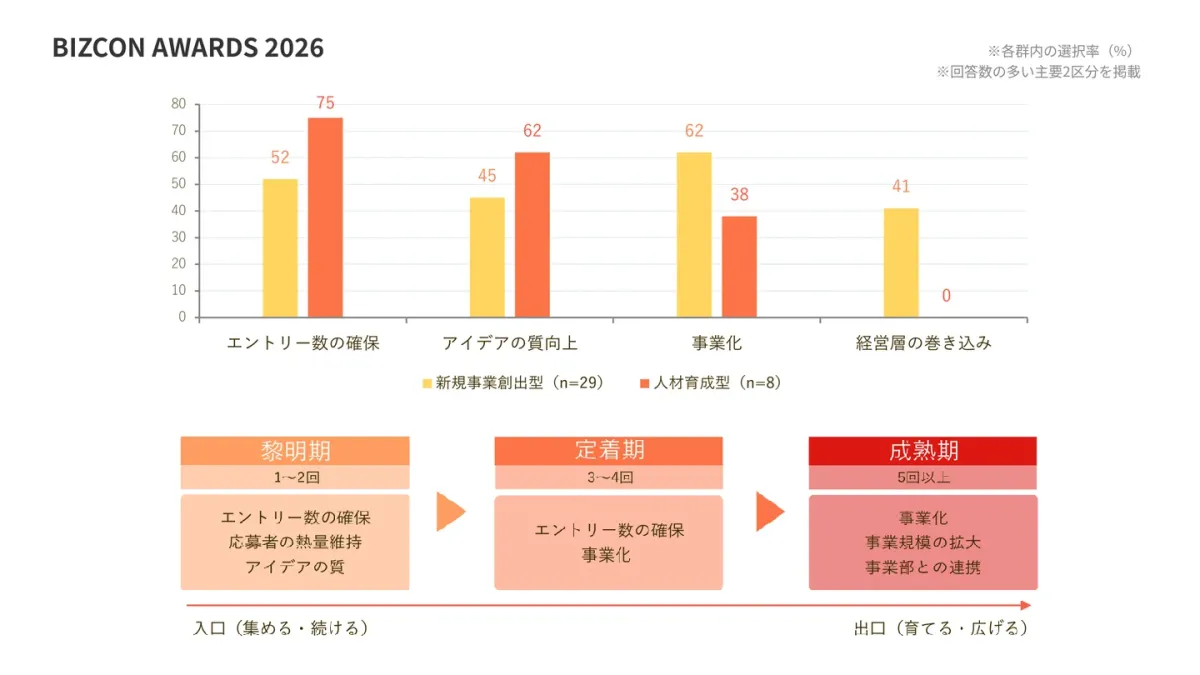
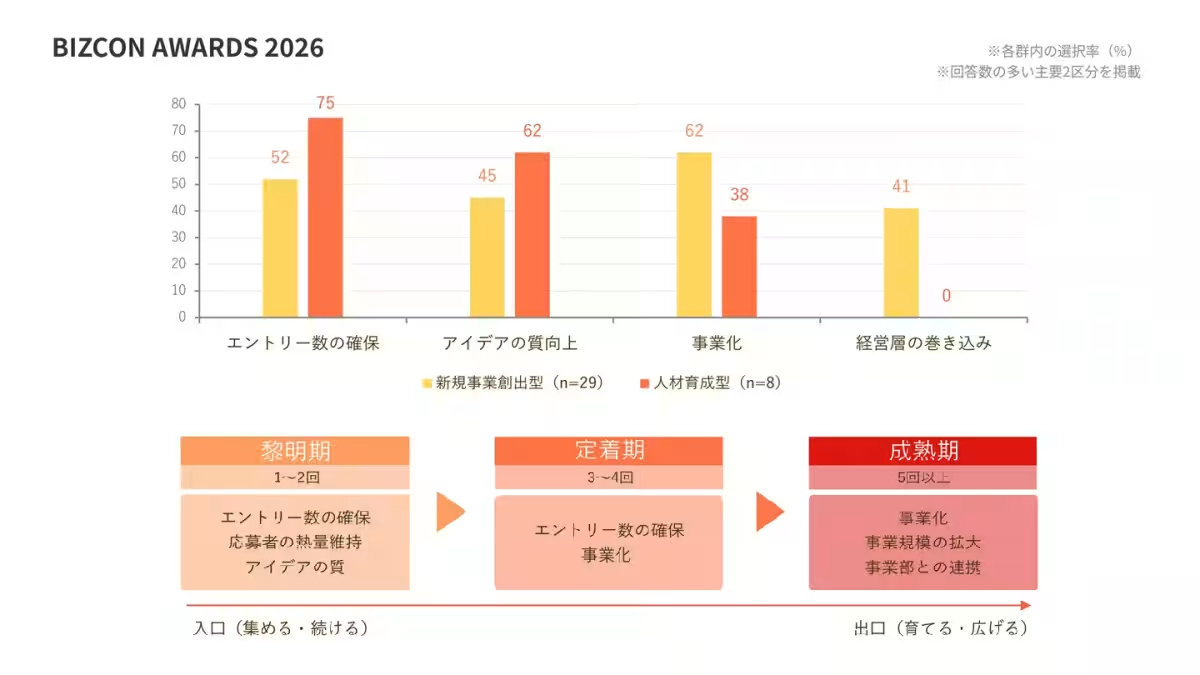
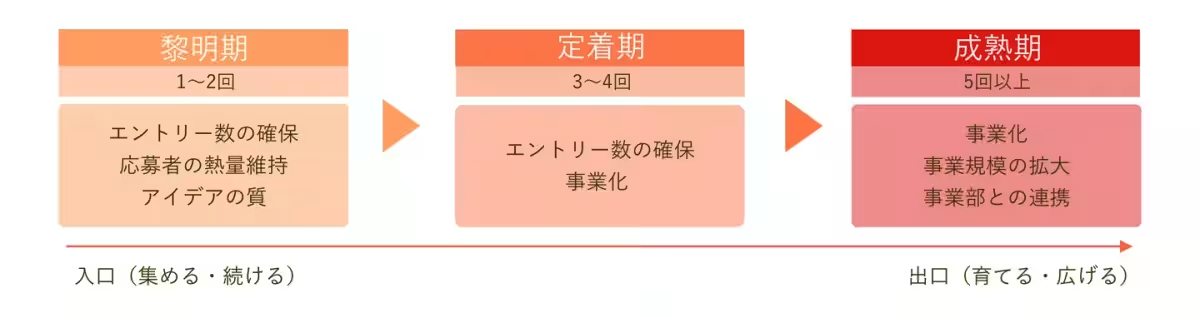
The research segmented 40 companies into three maturity phases based on the number of times they have conducted IBCs: initial (1-2 times), establishment (3-4 times), and maturity (5 or more times). The findings suggest a progressive shift in focus:
- - In the initial phase, challenges center around attracting entries, maintaining applicant enthusiasm, and ensuring the quality of submissions.
- - In the establishment phase, the emphasis balances between securing entries and moving towards commercialization of ideas.
- - By the mature phase, companies prioritize commercializing their ideas, scaling projects, and aligning with existing business divisions.
Varying Challenges Based on Objectives
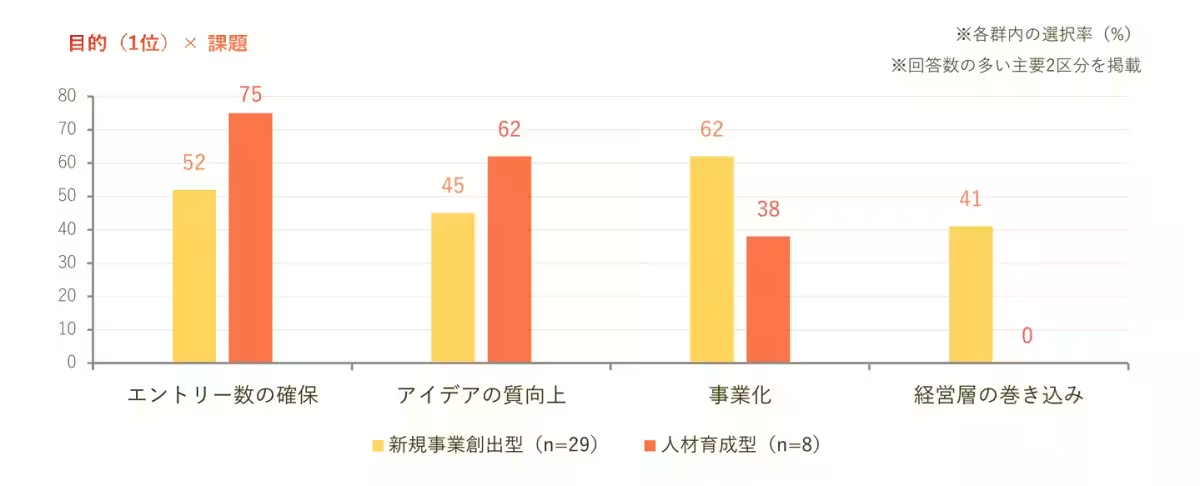
Interestingly, even when the same problems arise, their manifestation differs depending on the primary goals set by the organization. For example, firms focusing on new business creation identified commercialization as their most critical challenge, with 62% of responders emphasizing it. In contrast, companies that prioritize employee development highlighted securing entry numbers and improving submission quality as their main hurdles, where commercialization was less of a focus. This suggests that organizations that prioritize skill-building might be more inclined to engage a broader pool of employees in the submission process.
Influence of Industry and Employee Demographics
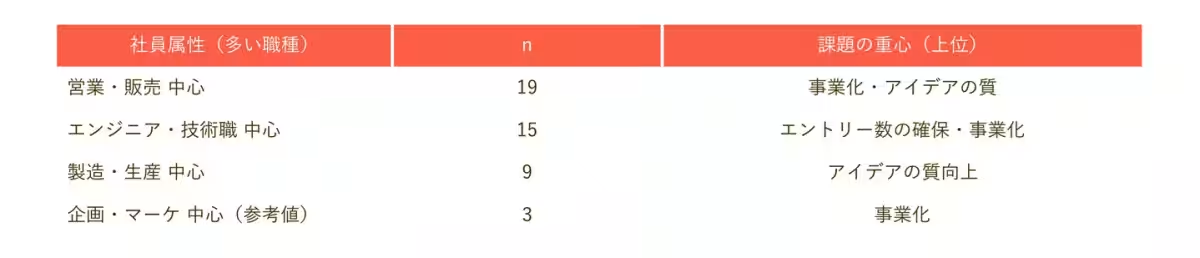
The research also examined how challenges varied across industries and employee demographics. For companies dominated by sales and marketing roles, the commercialization of ideas was the primary challenge (63%). Meanwhile, tech-centric firms struggled more with securing submission numbers (67%), and manufacturing-oriented companies faced quality improvement issues concerning ideas generated.
Furthermore, the scope of participation also impacts challenges faced. Companies that include group companies in their IBC operations reported collaboration with business divisions as a significant challenge (47%), while standalone companies reported lesser concerns in that area (23%).
Unique Approaches to Program Design
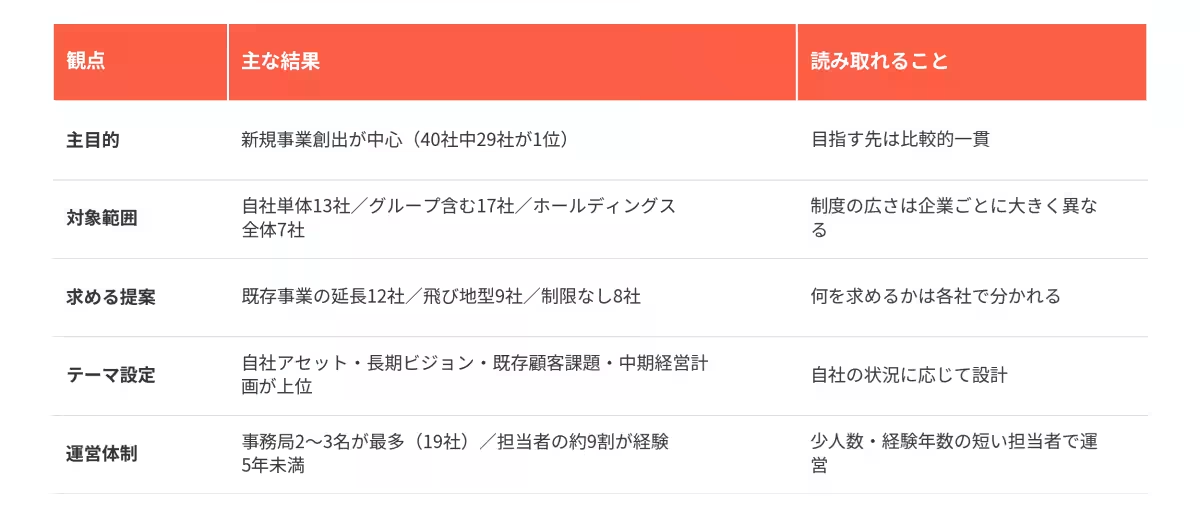
The analysis of the 40 companies revealed significant variation in the design of their IBC programs. Most organizations have a primary goal of fostering new business creation, yet they diverge in areas such as target audience, nature of proposals sought, and operational management structure. The lack of a one-size-fits-all solution has prompted many organizations to seek a model that aligns with their unique operational characteristics.
Future Perspectives
Filament is focused on fostering environments where organizations can learn from each other rather than searching for individual solutions. The survey demonstrated a strong desire for networking, with nearly 90% of respondents expressing interest in continuous learning opportunities. Moreover, a productive dialogue among IBC coordinators is encouraged, with many indicating they would like to exchange information or offer support to one another.
With the establishment of this report, Filament aims to continuously monitor and visualize the state of IBCs through the "BIZCON AWARDS Actual Situation Report" going forward, encouraging the sharing of insights that contribute to the revitalization of corporate innovation.
Conclusion
Understanding that the road to successful IBC implementation is paved with unique challenges and opportunities, Filament Inc. emphasizes the importance of collaborative learning as a means to foster innovation. As IBCs evolve, the emphasis on tailored approaches based on industry, employee demographics, and organizational goals will be critical to unlocking their full potential in cultivating new business ventures.
For inquiries regarding the contents of this report or for discussions on IBC system design and operations, please contact us at Filament.
Topics Business Technology)
【About Using Articles】
You can freely use the title and article content by linking to the page where the article is posted.
※ Images cannot be used.
【About Links】
Links are free to use.