



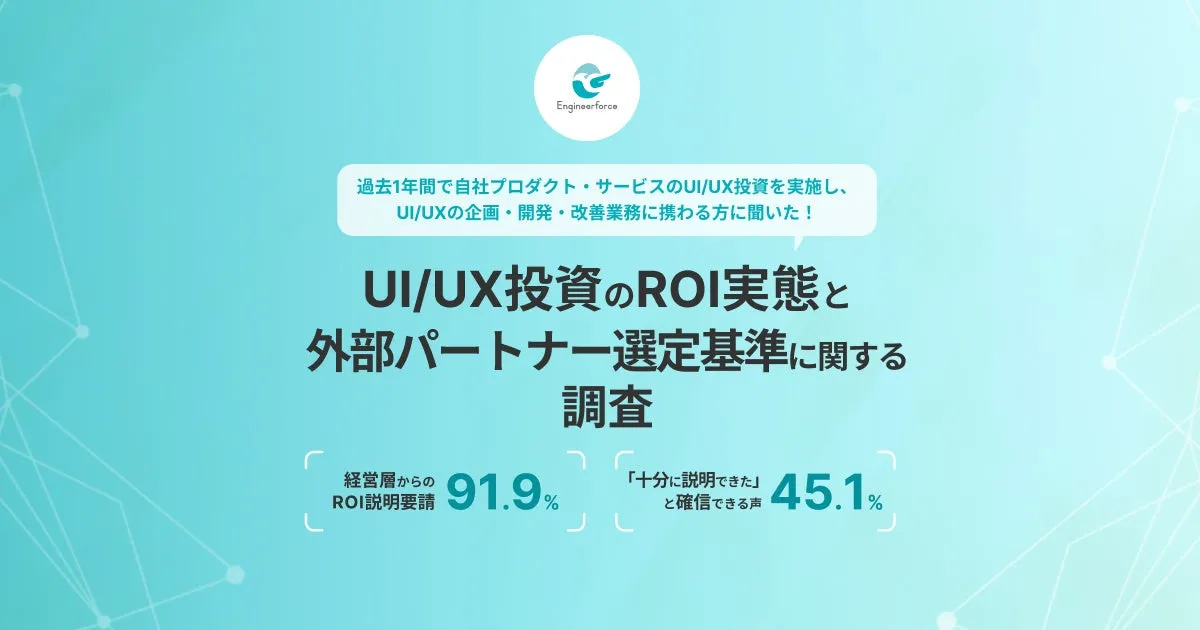
Understanding the ROI of UI/UX Investments: Key Findings from Engineerforce's Survey
Exploring ROI in UI/UX Investments: Key Survey Findings
In an era where user experience is paramount, understanding the return on investment (ROI) associated with UI/UX expenditures has never been more critical for businesses. Engineerforce Inc., an IT company based in Shibuya, Tokyo, recently conducted a survey to shed light on this topic, gathering responses from 111 professionals involved in UI/UX planning, development, and improvement.
Survey Insights
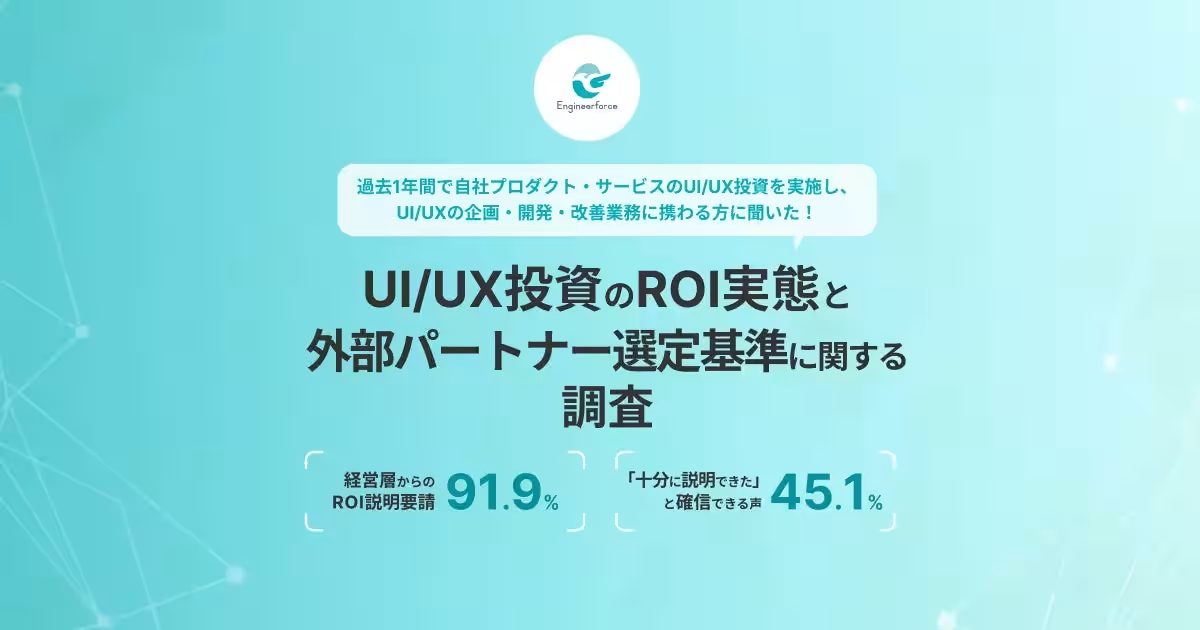
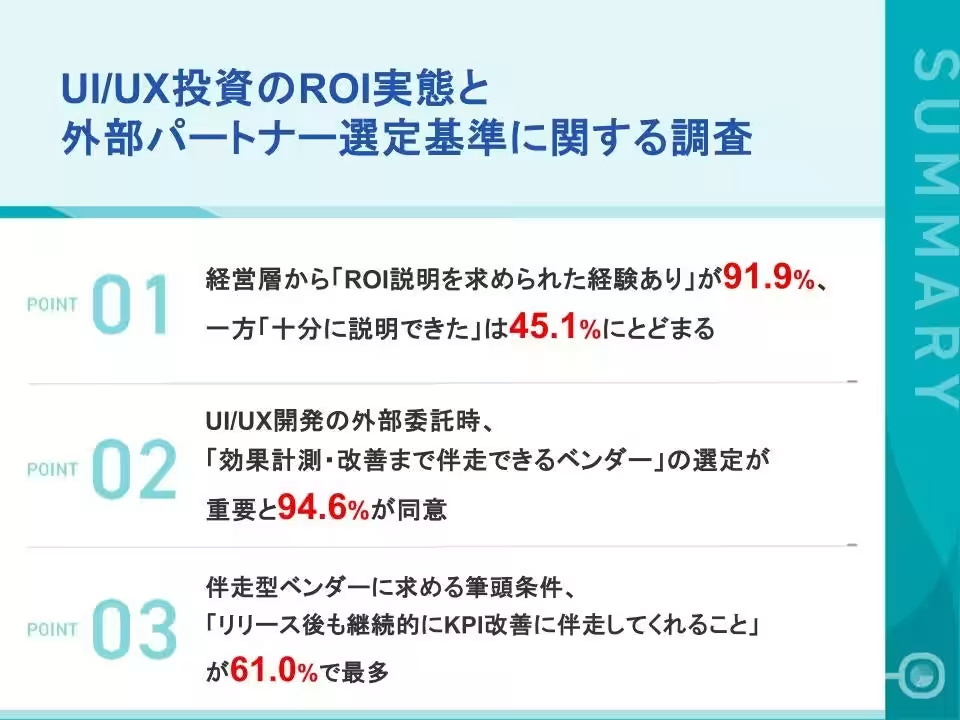
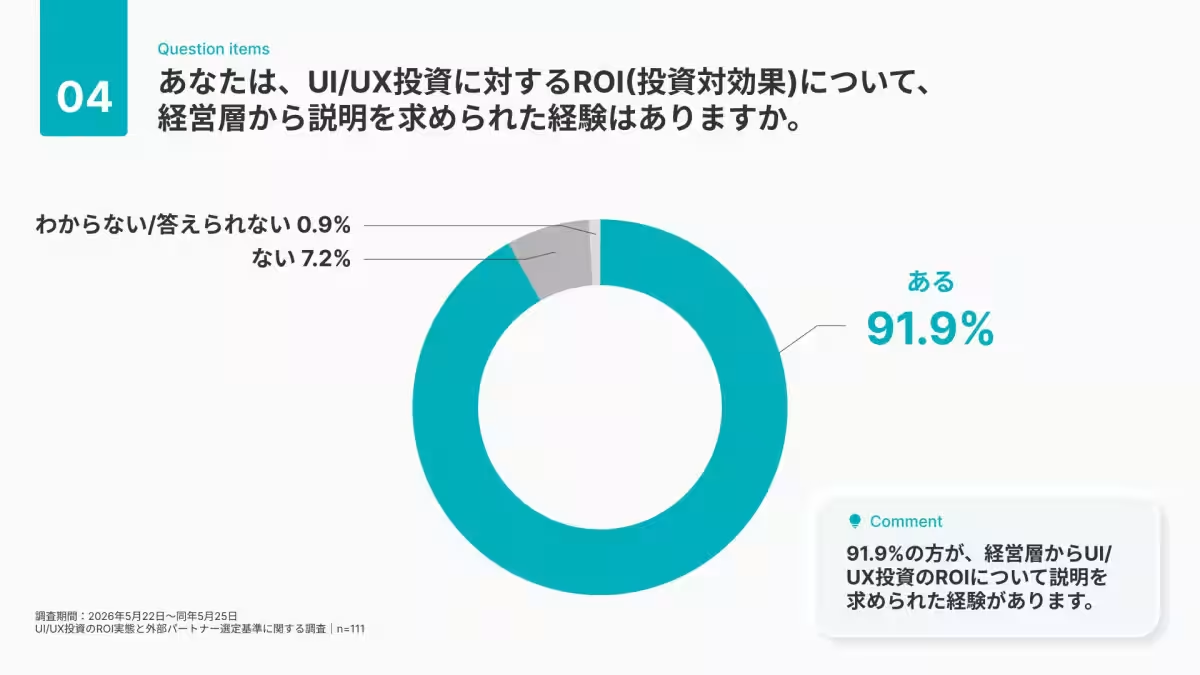
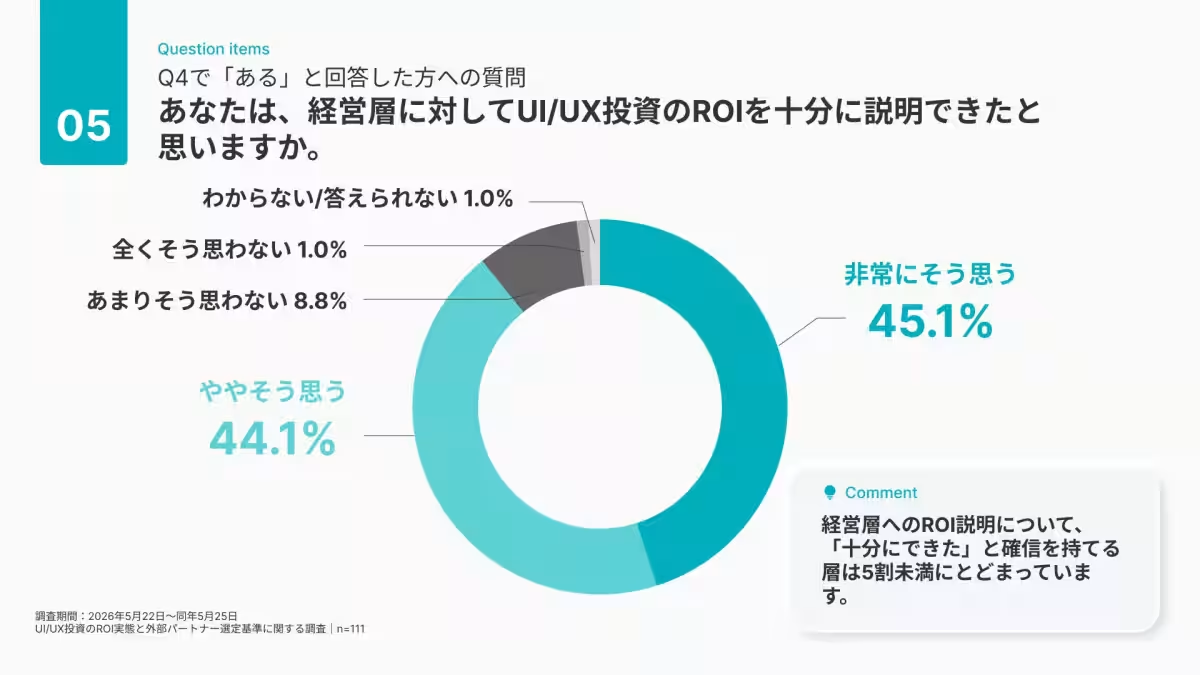
The survey, conducted over a four-day period from May 22 to May 25, 2026, revealed some startling statistics. A significant 91.9% of respondents reported that they had been asked by their management to explain the ROI of their UI/UX investments. However, fewer than half (45.1%) felt that they were able to provide a sufficient explanation, indicative of a gap between management expectations and the abilities of those on the ground.
Importance of External Partners
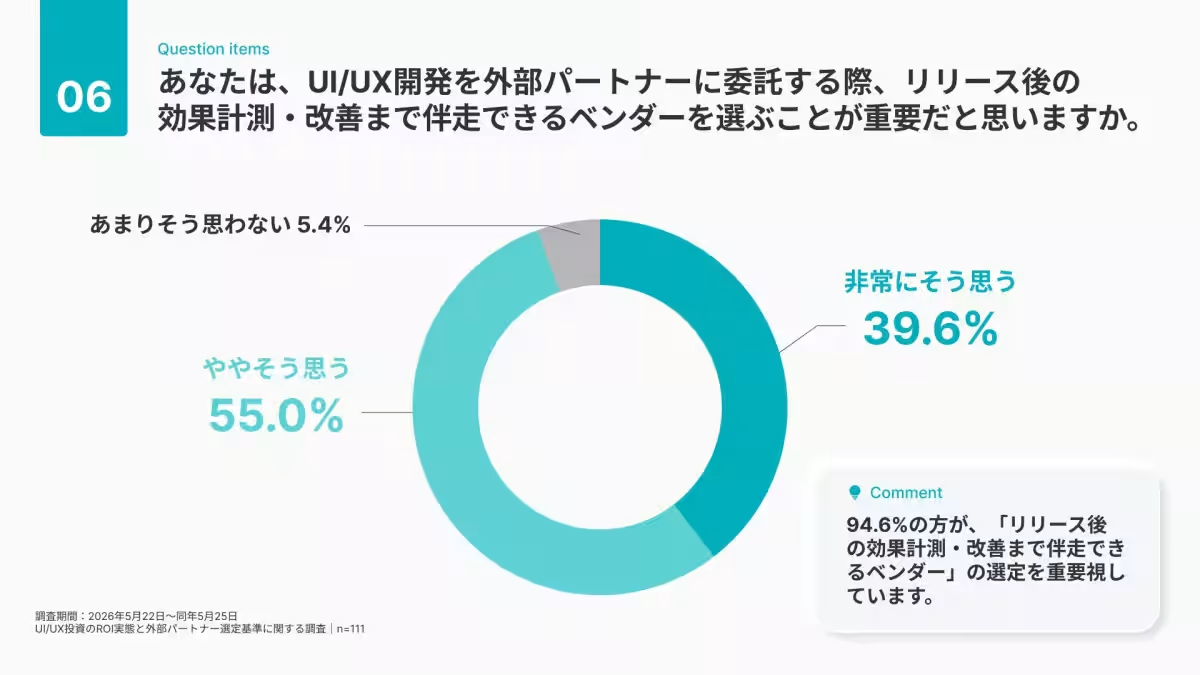
When it comes to collaborating with external partners for UI/UX development, 94.6% of the survey participants agreed that selecting a vendor capable of providing ongoing support for effectiveness measurement and improvements after release is crucial. This reflects a shift towards a more integrated approach in which the partnership doesn’t end at delivery but continues well into the product lifecycle.
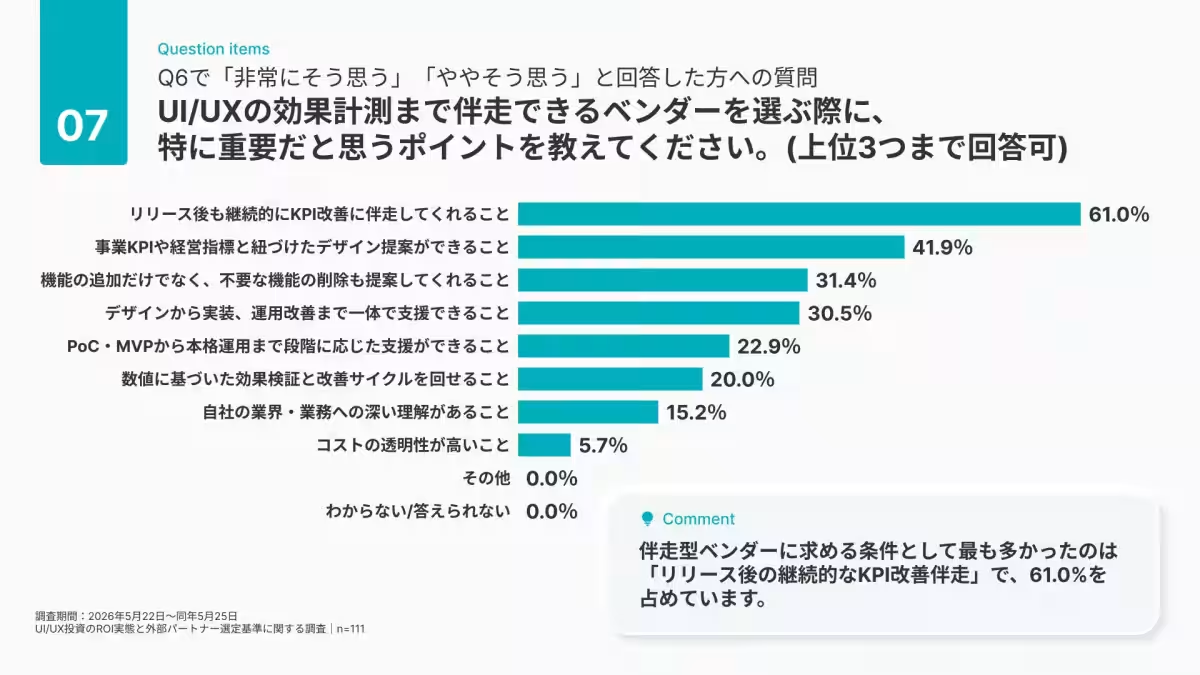
Among the criteria for choosing a suitable vendor, 61.0% highlighted the necessity for continuous KPI (Key Performance Indicators) improvement post-release. This indicates a growing recognition of the value of sustained monitoring and refinement of user interfaces and experiences as business environments continue to evolve.
Tools for Measurement
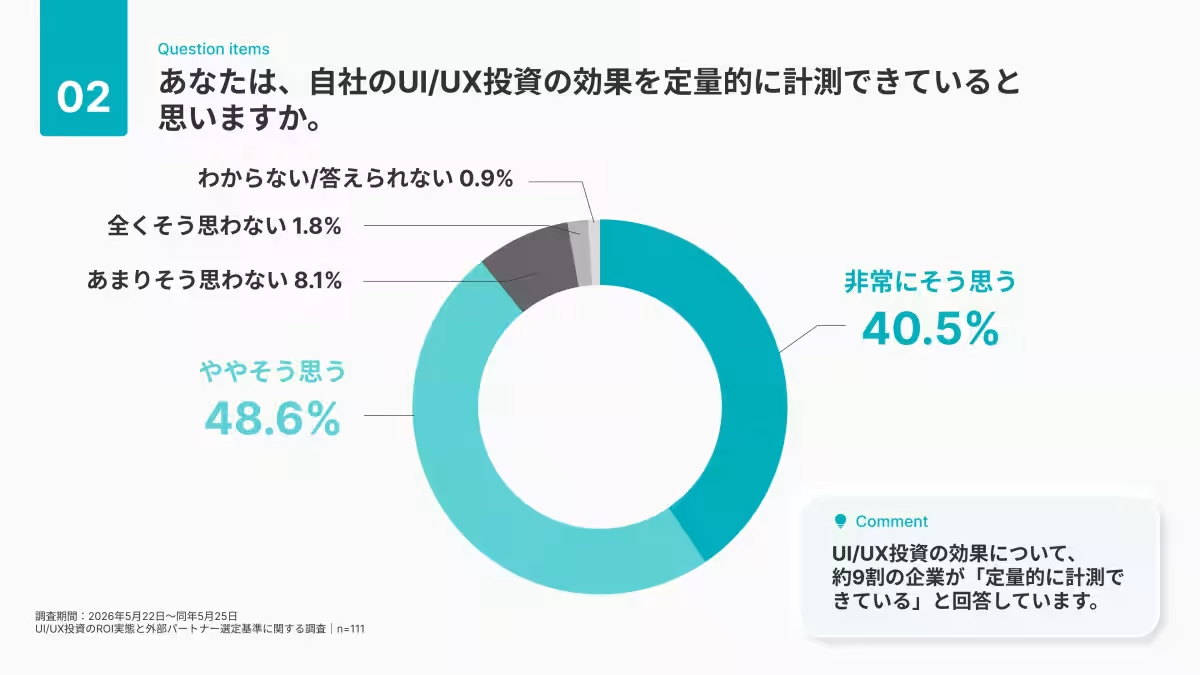
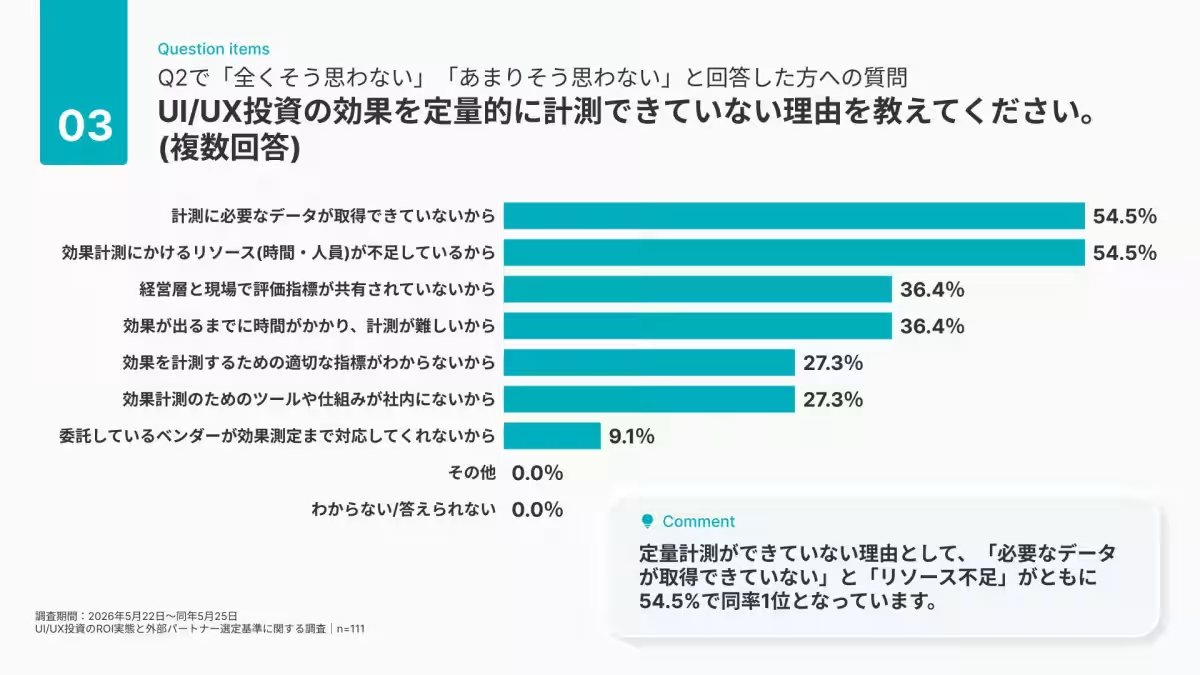
Interestingly, nearly 90% of respondents believed they could measure the effectiveness of their UI/UX investments quantitatively. Yet, the survey identified that those who felt otherwise often cited a lack of necessary data and insufficient resources (both time and personnel) as the main reasons behind their inability to quantify ROI.
Prioritizing Continuous Improvement
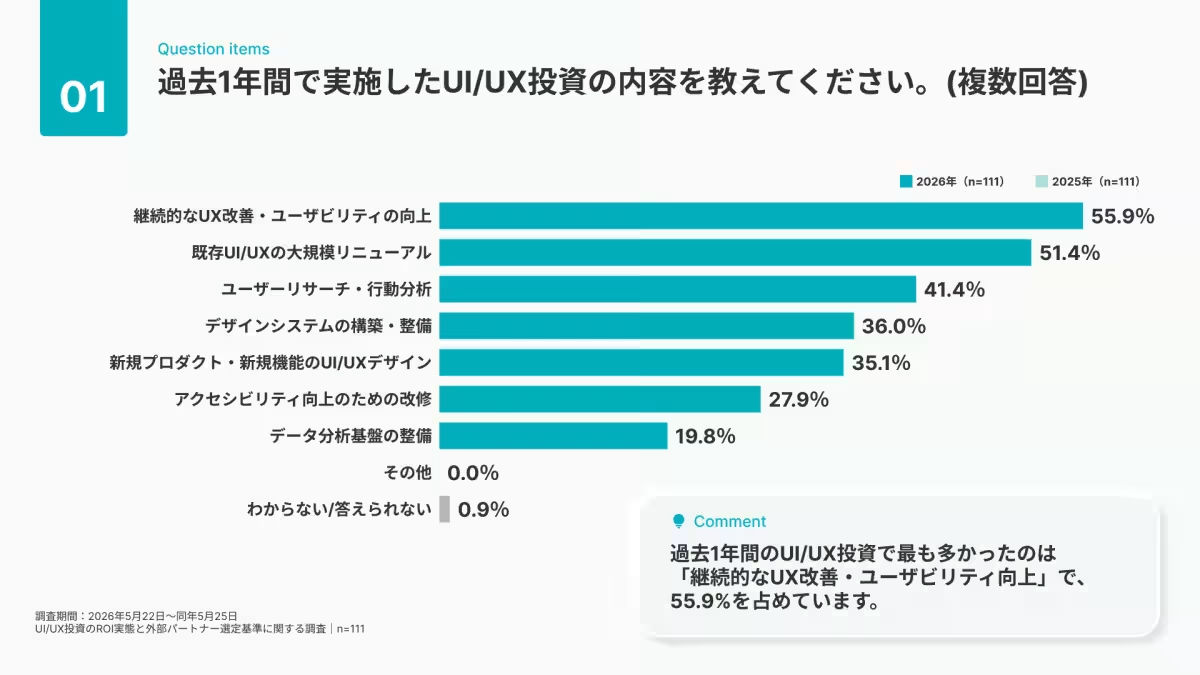
Over the past year, the most common areas for investment included ongoing UX improvements and usability enhancements (55.9%), extensive redesigns of existing UIs (51.4%), and user research (41.4%). These findings underscore a proactive stance toward continuous improvement in user experience rather than simply overhauling existing designs.
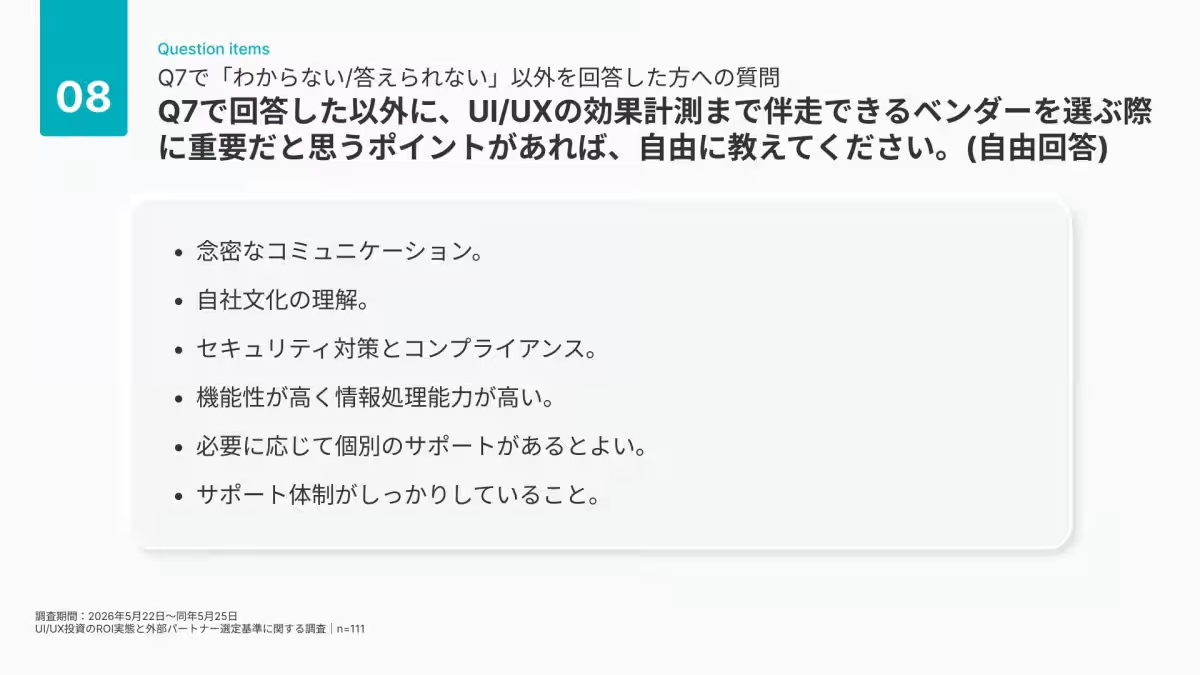
Furthermore, when asked about the characteristics desirable in a vendor capable of conducting effectiveness measurements, qualitative responses emphasized the importance of factors such as being well-versed in company culture, maintaining robust support structures, and ensuring security and compliance—all vital for forging a successful partnership.
The Need for Alignment
The dichotomy between management expectations and development teams’ abilities to communicate ROI effectively highlights an ongoing challenge in many organizations. As UI/UX becomes increasingly recognized as integral to business strategies, aligning the assessment of these investments with tangible business outcomes is essential. Thus, companies are urged to foster better communication about goals and results between management and operational teams.
Conclusion
The findings from Engineerforce’s survey paint a complex picture of the current state of UI/UX investments. As businesses navigate through the nuances of user experience enhancements, the emphasis on partnership, continuous improvement, and effective communication will undeniably shape the future of UI/UX investment strategies. Engineers, designers, and management must work hand-in-hand to create and analyze frameworks that not only capture ROI but also translate into actionable insights beneficial for both the users and the business itself. Moreover, the selection of external partners needs to reflect this understanding, focusing on long-term collaboration aimed at sustained growth and enhancement of user experience. The future lies not just in making changes but in evolving alongside those changes—with the right support systems in place to ensure success.
For more insights from this survey, visit Engineerforce.
Topics Consumer Products & Retail)
【About Using Articles】
You can freely use the title and article content by linking to the page where the article is posted.
※ Images cannot be used.
【About Links】
Links are free to use.