



New Study Suggests Dark Chocolate and Milk Protein Boost Elderly Muscle Health
The Impact of High-Cocoa Chocolate and Milk Protein on Muscle Health in Seniors
Recent research by Meiji Co., Ltd. and Hokkaido Information University, in collaboration with the Sapporo City government, has shed light on the potential benefits of high-cocoa chocolate and milk protein drinks for maintaining muscle health in the elderly. Conducted as a randomized controlled trial, this study involved 240 participants aged 60 to 79 from Sapporo and surrounding areas, who were divided into three groups: a non-consumption group, a group that consumed high-cocoa chocolate alone, and a group that consumed both high-cocoa chocolate and milk protein drinks over a period of 16 weeks.
Study Design and Methodology
The study was designed to evaluate changes in muscle-related indicators such as skeletal muscle mass, body composition, and weight, while participants were instructed to maintain their usual physical activity without the implementation of any special exercise programs. Participants in the single consumption group ingested 15 grams of high-cocoa chocolate daily, containing over 70% cocoa, while the combined group also consumed 200 milliliters of a milk protein drink daily, containing 14.8 grams of protein.
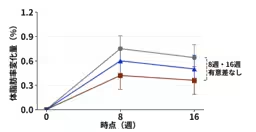
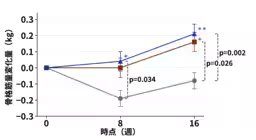
Measurements were taken at the start and then again at 8 weeks and 16 weeks using bioelectrical impedance analysis (BIA), which estimates body composition by passing a weak electrical current through the body. Key metrics evaluated included skeletal muscle mass, lean mass, fat mass, and body fat percentage.
Key Findings
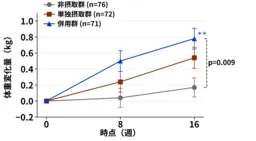
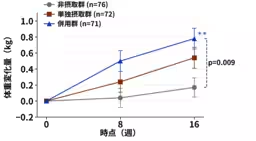
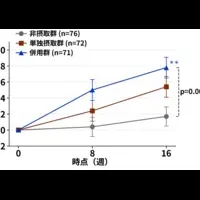
At the 16-week mark, results revealed that both the group consuming high-cocoa chocolate and the group consuming the combination of chocolate and milk protein significantly exceeded the non-consumption group's changes in skeletal muscle mass and other relevant metrics. Specifically, the combination group displayed a notable increase in skeletal muscle mass compared to the non-consumption group after just 8 weeks.
Moreover, the data indicated that the body weight change was significantly higher in the combined group than in the non-consumption group, suggesting that incorporating these food items into the diet could aid in preserving muscle mass and body weight, which are crucial for elderly individuals at risk of frailty or other health issues.
Implications for Elderly Nutrition
As Japan's elderly population continues to grow, with an estimated 36.19 million people aged 65 and above by 2025, the need for effective nutritional strategies to combat the impacts of aging becomes imperative. This study emphasizes that adequate nutrition, particularly through easily accessible foods like high-cocoa chocolate, can be an effective intervention for maintaining muscle mass without the need for extensive exercise programs, which might not be feasible for everyone.
The findings suggest that both high-cocoa chocolate and milk protein could be strategically utilized to enhance protein intake and antioxidant capacity in daily diets, contributing to the health and functional capacity of older adults. Furthermore, the research hints at exciting new possibilities for food products that incorporate both cocoa and milk proteins, giving rise to nutrition strategies aimed at countering age-related declines in muscle mass and overall vitality.
Future Directions
Looking ahead, further research will be necessary to clarify the specific mechanisms by which cocoa affects muscle mass and to examine how different variables such as age, sex, and baseline physical attributes might influence the effectiveness of such dietary strategies. Investigating optimal ratios and types of cocoa polyphenols and protein intake will also be crucial as researchers aim to develop the most beneficial combinations for improving health outcomes in senior populations.
In conclusion, the promising results of this study offer an innovative approach to nutritional care for seniors, indicating that something as enjoyable as high-cocoa chocolate may play a vital role in enhancing their health and well-being.
Topics Health)

【About Using Articles】
You can freely use the title and article content by linking to the page where the article is posted.
※ Images cannot be used.
【About Links】
Links are free to use.