



Support Activities of the Japanese Association of Medical Technologists After the Kumamoto Earthquake
Introduction
On July 28, 2023, a powerful earthquake measuring up to magnitude 7 struck Kumamoto Prefecture, Japan. In the aftermath of this natural disaster, the Japanese Association of Medical Technologists (JAMT) promptly established an emergency response office to coordinate support for the affected healthcare facilities and protect the health of evacuees.
Emergency Response Actions
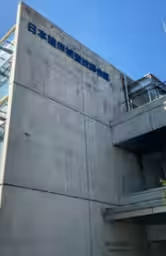
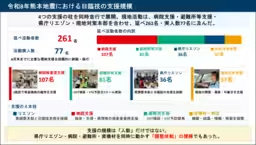
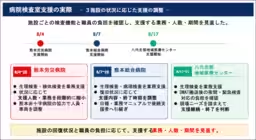
The JAMT, located in Ota City, Tokyo, set up a disaster response headquarters the day after the earthquake occurred. They partnered with the Kumamoto Clinical Laboratory Technologists Association, local governments, and relevant agencies to assess the damage in medical institutions and provide necessary assistance including maintaining laboratory functions and implementing health checks for evacuees. Their initial updates showed a total of 261 participants (77 unique individuals) involved by the end of August.
Assessing Damage and Needs
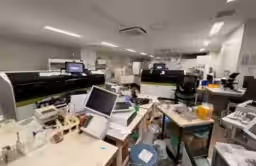
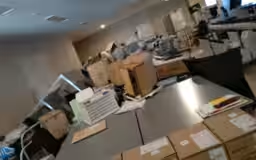
Post-disaster assessments revealed extensive damage to laboratory equipment and the physical conditions of medical professionals, severely hindering testing capabilities in many hospitals. Evacuations were especially challenging as power outages and water shortages compounded the situation, putting evacuees at risk of heat-related illnesses in extreme temperatures.
Coordinated Support Initiatives
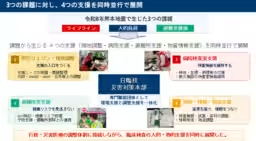
JAMT’s disaster response office initiated efforts on multiple fronts:
1. Liaison with Local Authorities - A liaison was dispatched to the prefectoral health, welfare, and medical coordination headquarters to ensure effective communication and facilitate the deployment of help.
2. Laboratory Support - They prioritized urgent assessments and provided human resources and supplies to impacted healthcare services.
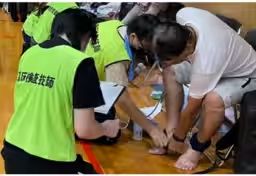
3. DVT Screening and Treatment - Given the adverse conditions for evacuees, JAMT implemented deep vein thrombosis (DVT) screenings to prevent further health complications associated with prolonged immobility and heat.
4. Material and Logistical Aid - JAMT worked tirelessly to secure necessary medical supplies and equipment to support ongoing testing and health checks in evacuation facilities.
Collaboration with Multiple Entities
In light of the crisis, JAMT worked in conjunction with other organizations such as the Japanese Red Cross, JMAT, and the Japanese Society of Phlebology to mount an effective collaborative response. They provided comprehensive health checks in evacuation centers, implemented preventive measures, and ensured that those identified with health issues received necessary treatments promptly.
Humanitarian Support Efforts
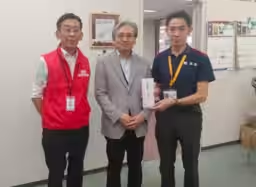
JAMT undertook significant actions in both material and financial support, contributing 500,000 yen in relief funds to local government efforts. They also set up a dedicated website to share ongoing developments and share information.
Conclusion
The impacts of the Kumamoto earthquake led to lessons learned and a commitment to enhance future disaster responses. Building on previous experiences from other incidents, JAMT is keen to refine its protocols to ensure the effective delivery of medical support during emergencies. They are focused on enhancing mental health support for both victims and responders while taking proactive steps in disaster preparedness and responses.
For detailed reports and ongoing updates regarding the support efforts, please check the special Kumamoto Earthquake support page on JAMT’s website: JAMT Kumamoto Support.
Topics Health)

【About Using Articles】
You can freely use the title and article content by linking to the page where the article is posted.
※ Images cannot be used.
【About Links】
Links are free to use.