



Unpacking the Inefficiencies of Business Card Ordering in Companies
The Unheard Cries of Business Card Ordering
In today's fast-paced corporate world, business cards still play an essential role as the face of a company during networking. Despite their importance, many organizations have yet to digitize their business card ordering processes, leading to various inefficiencies that cause frustration among HR and administrative staff. A recent survey conducted by OnDeoma Co., Ltd. revealed a striking disconnect between the experiences of employees managing these tasks and executives who remain largely unaware of the challenges involved.
Overview of the Survey
OnDeoma, based in Osaka, Japan, focused its research on employees in HR and administration and company executives to analyze the inefficiencies and barriers to digital transformation in business card ordering. The survey ran from July 10 to 11, 2025, utilizing the PRIZMA online platform, and included responses from 1,040 individuals, split between 511 HR staff and 529 executives.
Frequent Errors in Business Card Orders
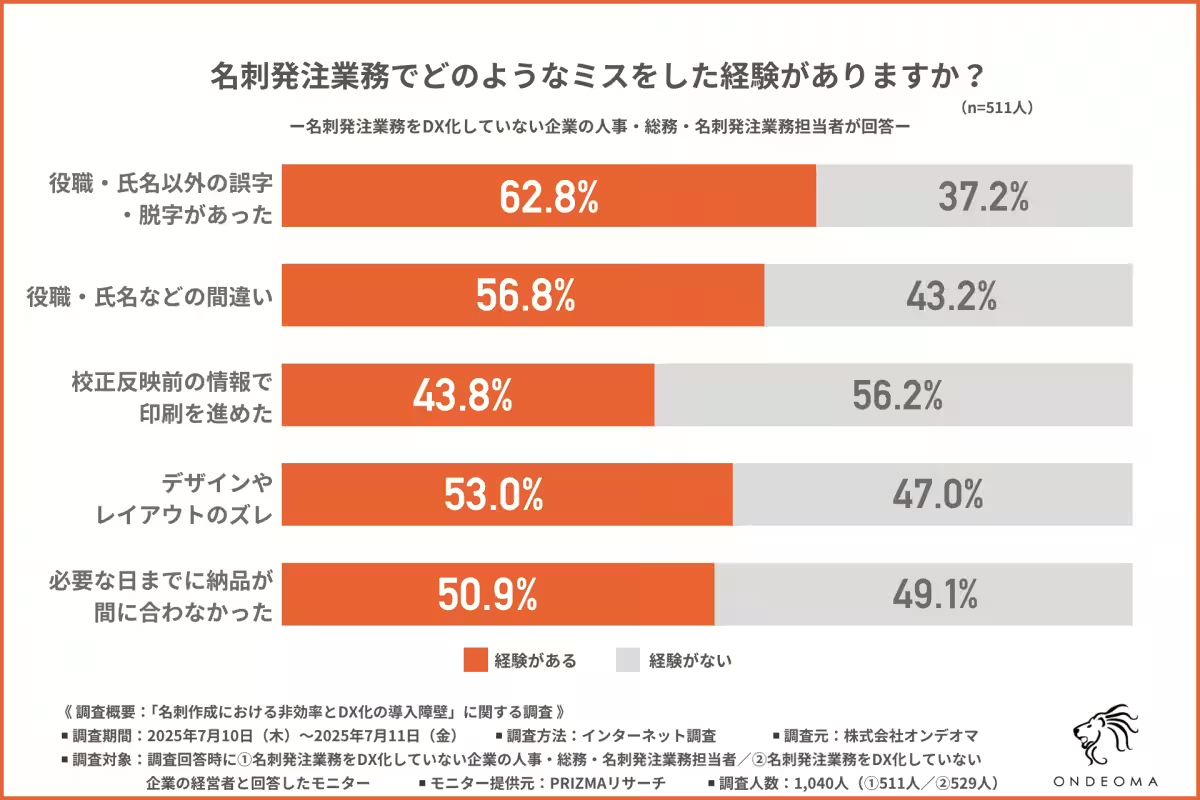
One notable finding from the survey was the prevalence of mistakes during business card ordering, which often included:
- - Typos and errors not related to names and titles (62.8%)
- - Mistakes involving names or titles (56.8%)
- - Printing using unapproved proofed information (43.8%)
- - Layout and design mismatches (53.0%)
- - Late deliveries with respect to deadlines (50.9%)
These mistakes suggest a fundamental flaw in the workflow and verification systems that are currently in place. A significant number of these errors appear to stem from a lack of streamlined processes that can manage the complex and sometimes urgent nature of card orders.
Time-Consuming Processes
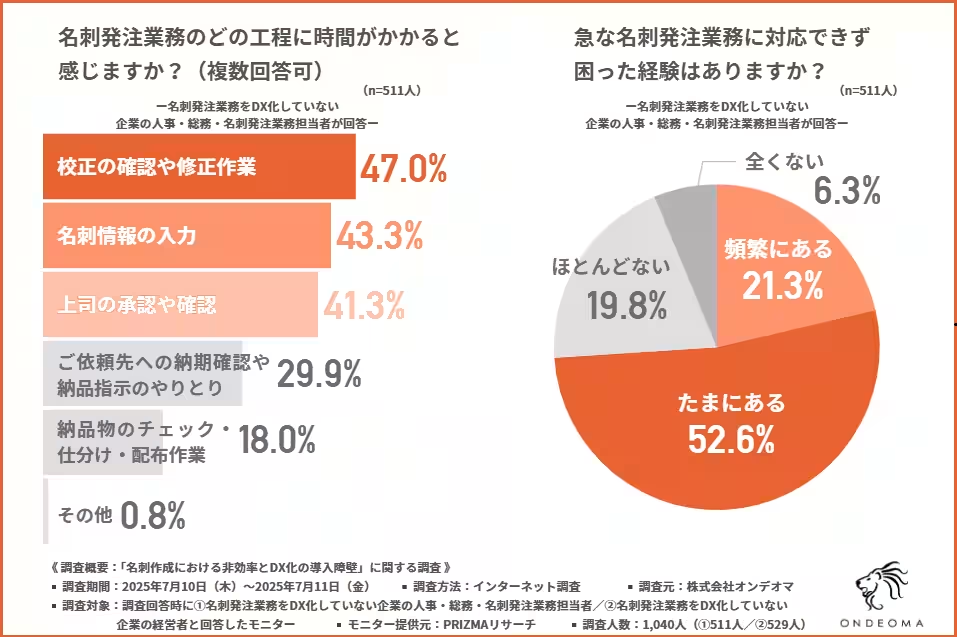
When asked which stages of the ordering process any of the HR personnel found to be particularly time-consuming, most cited:
- - Proofreading and corrections (47.0%)
- - Inputting information for the business cards (43.3%)
- - Securing managerial approval (41.3%)
This highlights that substantial time is consumed in pre-order phases which involve human interactions. Delays often occur due to coordination between individuals, reflecting the need for a more efficient workflow to handle urgent requests.
Approximately 70% of respondents also noted that they frequently faced situations where they needed to place urgent business card orders, emphasizing that beyond structured operations, flexibility is key to managing irregular demands.
Peak Times and Associated Issues
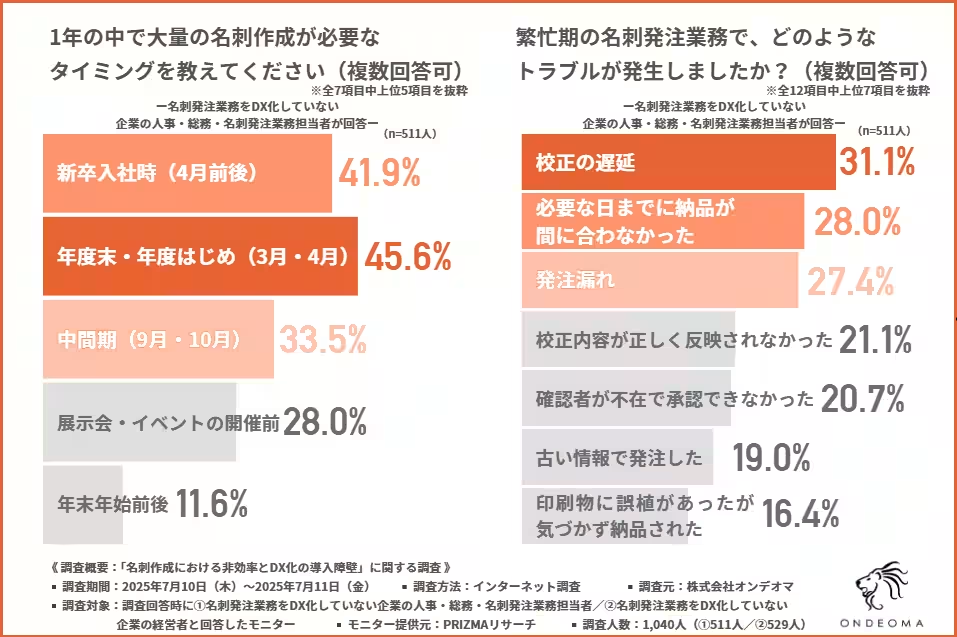
When exploring peak periods for mass business card orders, participants indicated significant timings included:
- - New employee onboarding (around April) (41.9%)
- - Fiscal year-end or start (March/April) (45.6%)
- - Half-year evaluations (September/October) (33.5%)
- - Before trade shows or events (28.0%)
- - Year-end transitions (11.6%)
Following this, the main issues arising during busy periods were identified as:
- - Delays in proofreading (31.1%)
- - Late deliveries (28.0%)
- - Overlooked orders (27.4%)
These findings illustrate how bottlenecks in the validation and approval processes can severely impact overall operations, particularly during high-demand periods. The repeated failures in review processes, especially for proofreading, can lead to cascading effects resulting in delivery delays.
Stress on HR Departments
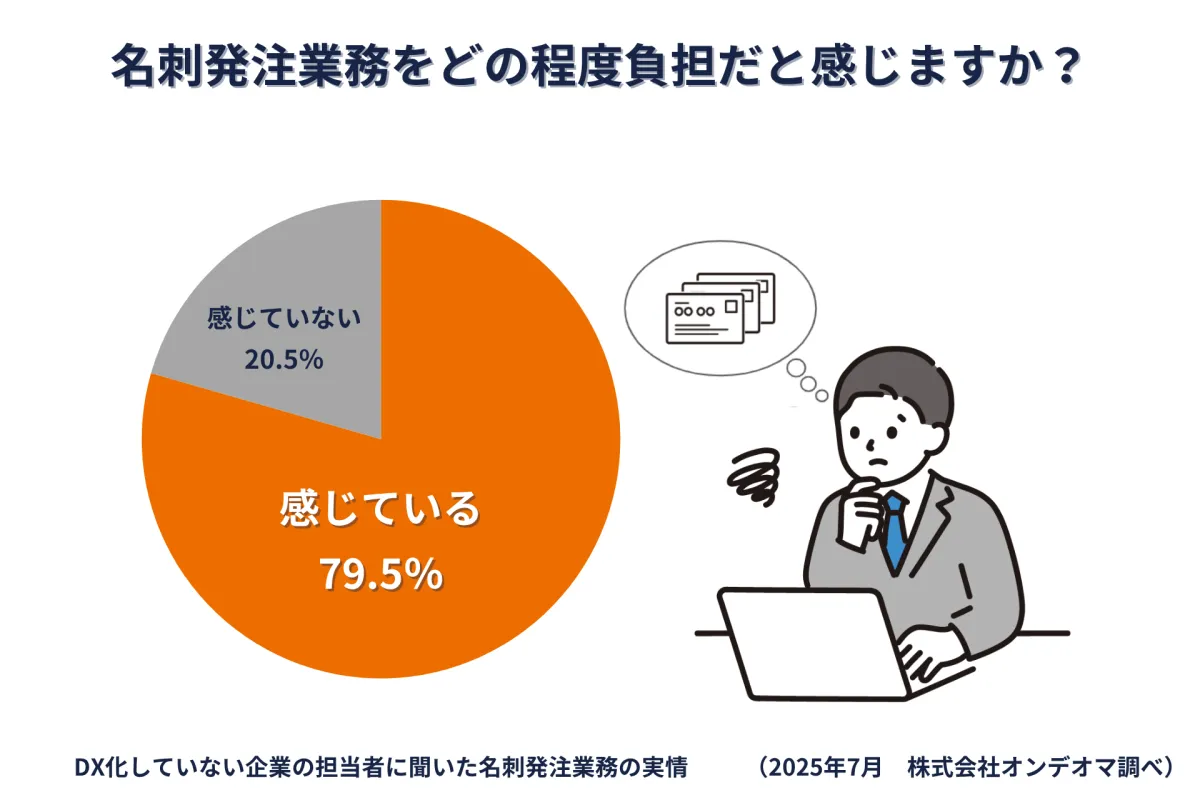
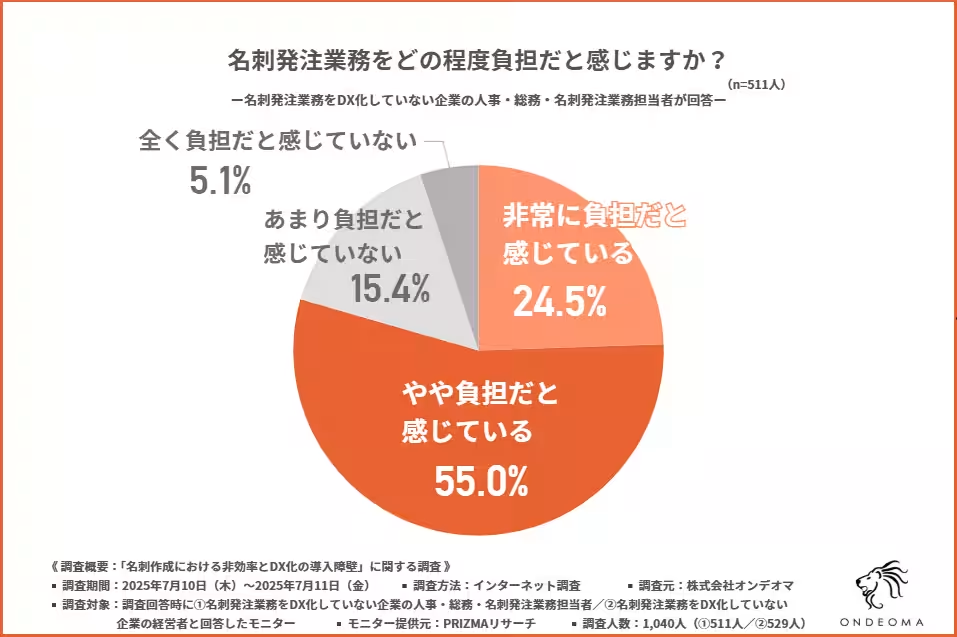
The survey also assessed how HR personnel feel about the burden of the business card ordering process. Results indicated that nearly 80% of participants reported feeling some level of strain with 24.5% stating they felt extremely pressured while 55% indicated they felt somewhat burdened. This signals a significant source of operational stress within organizations.
Disconnect Between Employees and Executives
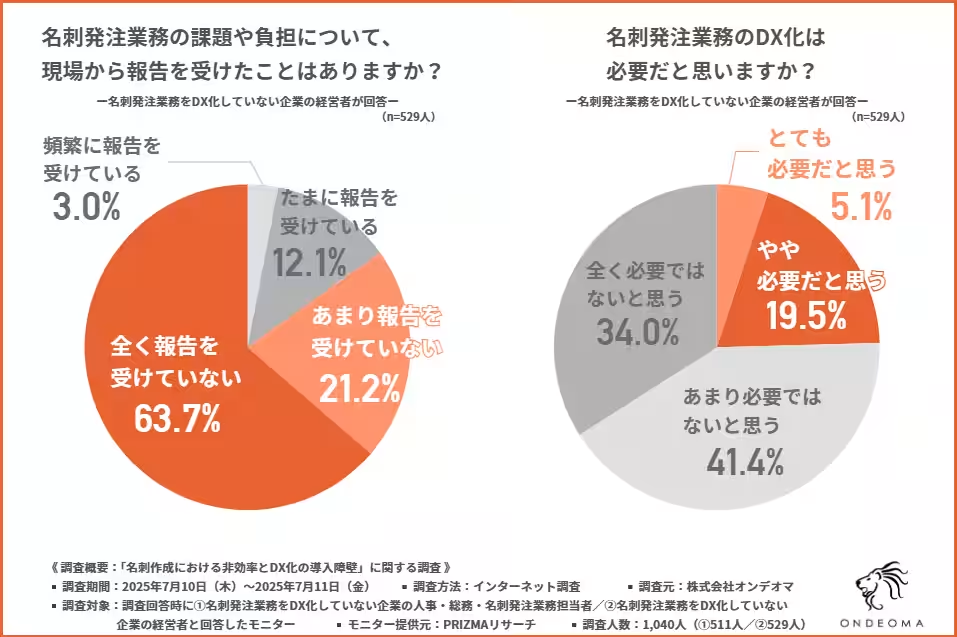
Despite the challenges faced by staff, the awareness of these issues among executives is starkly low. The survey revealed that around 84.9% of executives had not received any reports regarding these challenges from their teams, indicating a critical gap in communication. When executives were asked about the necessity of digital transformation in their ordering systems, a mere 25% acknowledged any urgency for improvement.
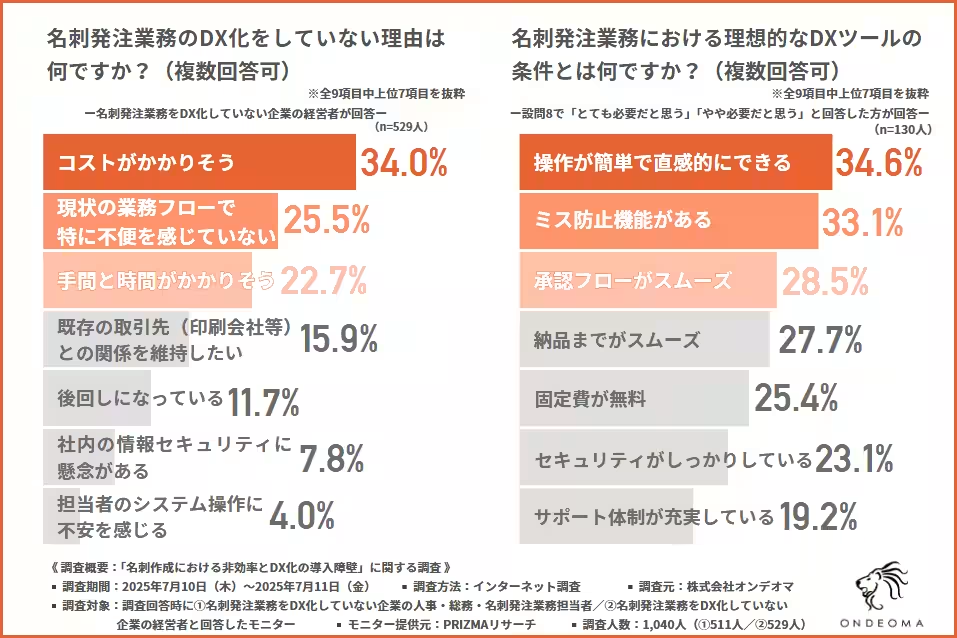
Barriers to adoption seem centered around concerns related to initial costs, perceived current efficiency as sufficient, and the belief that transition would require more time and effort than it could save. This poses a significant hurdle since many employees feel that improvement requests may not be taken seriously in what appears to be a low-priority area.
Ideal Tools for Digital Transformation
Among those executives who appreciated the need for digital solutions, the desired characteristics of a digital ordering system centered on simplicity and usability. Key specifications were:
- - User-friendly and intuitive interfaces (34.6%)
- - Features to prevent errors (33.1%)
- - Smooth approval workflows (28.5%)
To dismantle the barriers to adopting digital solutions, companies need systems that require minimal training and provide robust safety against human error.
Conclusion
The research conducted by OnDeoma sheds light on the complexities related to business card ordering, illustrating a pressing need for digital transformation. As ignorance persists among executives regarding the excessive burden of traditional ordering processes on HR, the gap only widens, leading to enduring inefficiencies ripe for improvement through technology.
Implementing tools like "印刷部ドットネット" can greatly enhance business card procurement efficiency, addressing the visible errors and lengthy processes that plague many organizations today. This solution promises a streamlined process while also promoting environmental sustainability through eco-friendly practices, showcasing how digital transformation in business card ordering can provide immediate and long-term organizational benefits.

Topics General Business)
【About Using Articles】
You can freely use the title and article content by linking to the page where the article is posted.
※ Images cannot be used.
【About Links】
Links are free to use.