



Survey Reveals Commuting Time Changes After Property Purchase
Survey on Commuting Times After Property Purchase
A recent survey conducted by MEMOCO, headquartered in Shibuya, Tokyo, jointly with Sumunara, challenges the perception of commuting times for individuals who have recently purchased property. The survey, targeting a diverse group of 115 respondents who have previously bought property, sheds light on their commuting time changes post-relocation.
Survey Overview
The survey titled "Changes in Commuting Times After Property Purchase" was carried out between January 29, 2025, and October 21, 2025. Conducted via an internet platform utilizing crowdsourcing services, it included 115 participants, comprising 61 men and 54 women.
Respondent Demographics
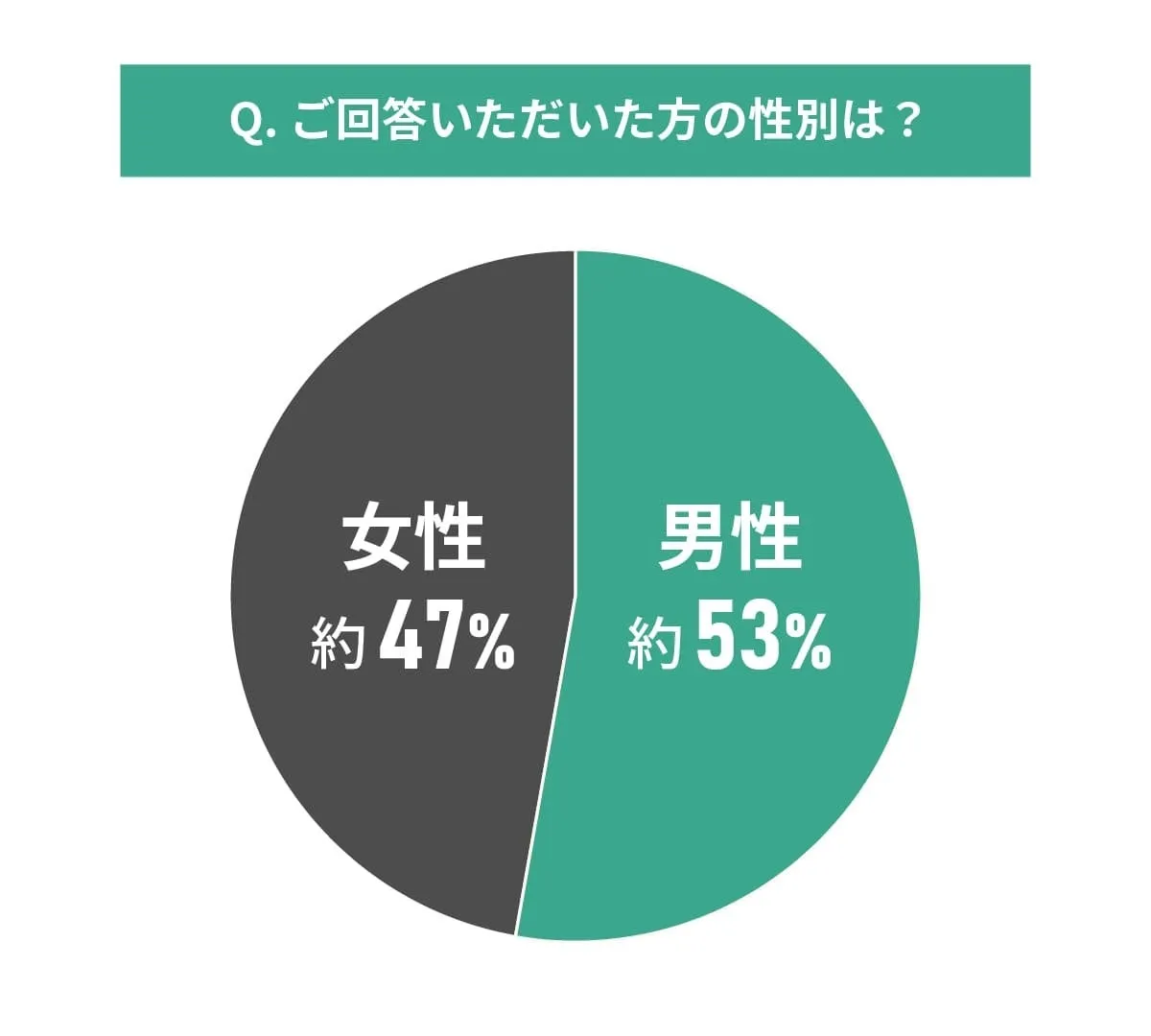
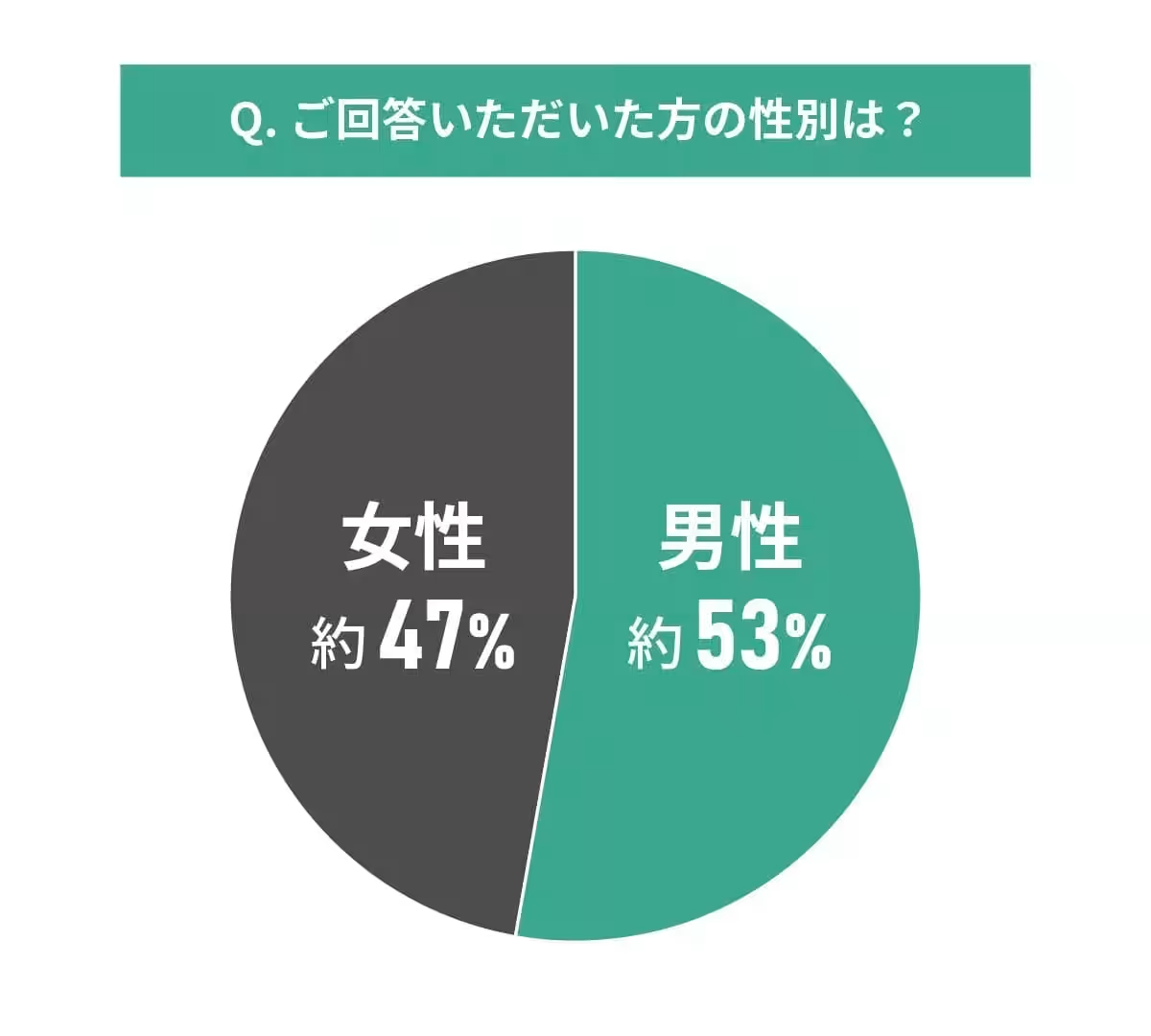
The demographics of the respondents revealed a fairly balanced gender distribution:
- - Female: Approximately 47%
- - Male: Approximately 53%
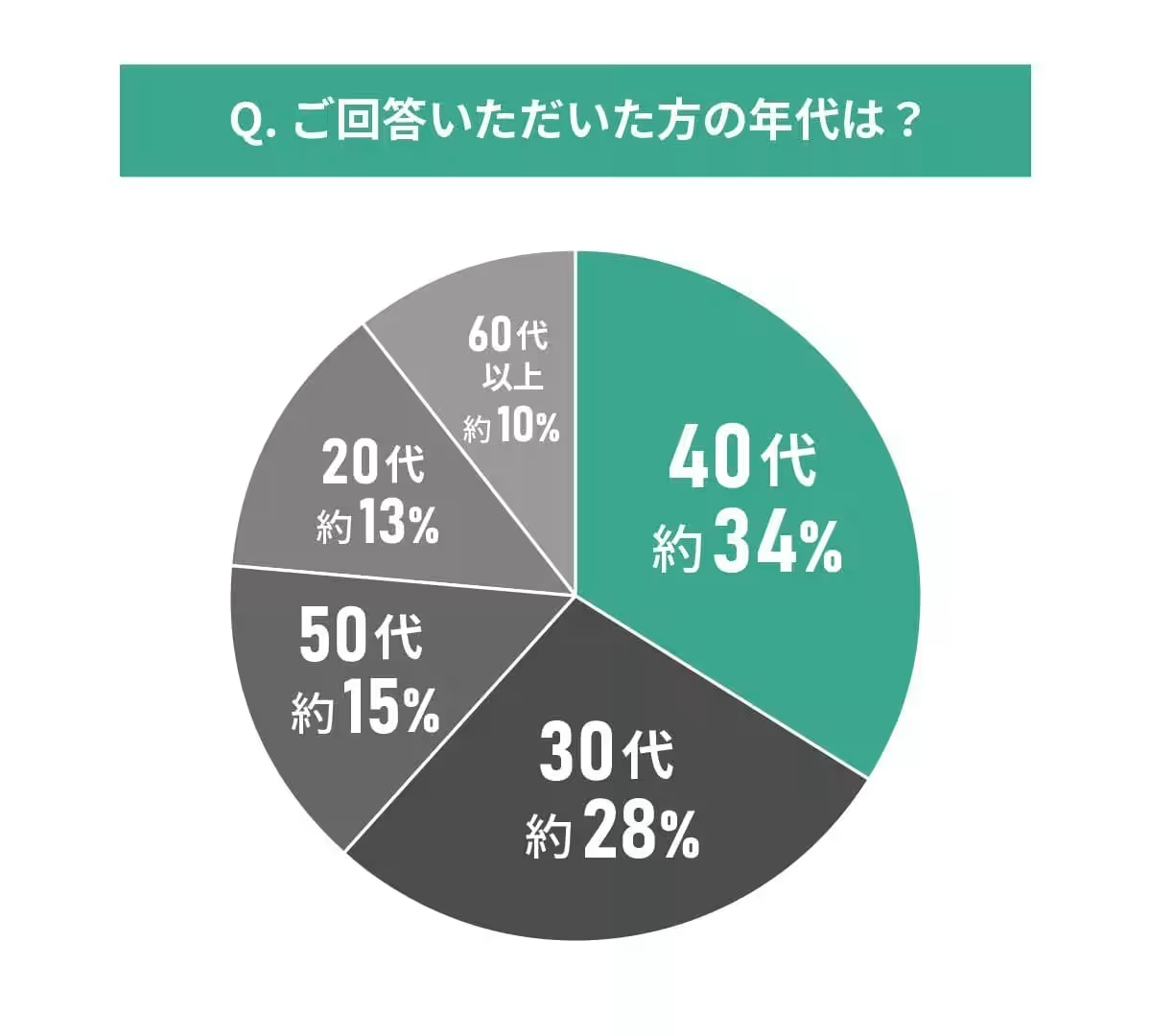
The age distribution was as follows:
- - 20s: Approximately 13%
- - 30s: Approximately 28%
- - 40s: Approximately 34%
- - 50s: Approximately 15%
- - 60s and above: Approximately 10%
Changes in Commuting Times Before and After Relocation
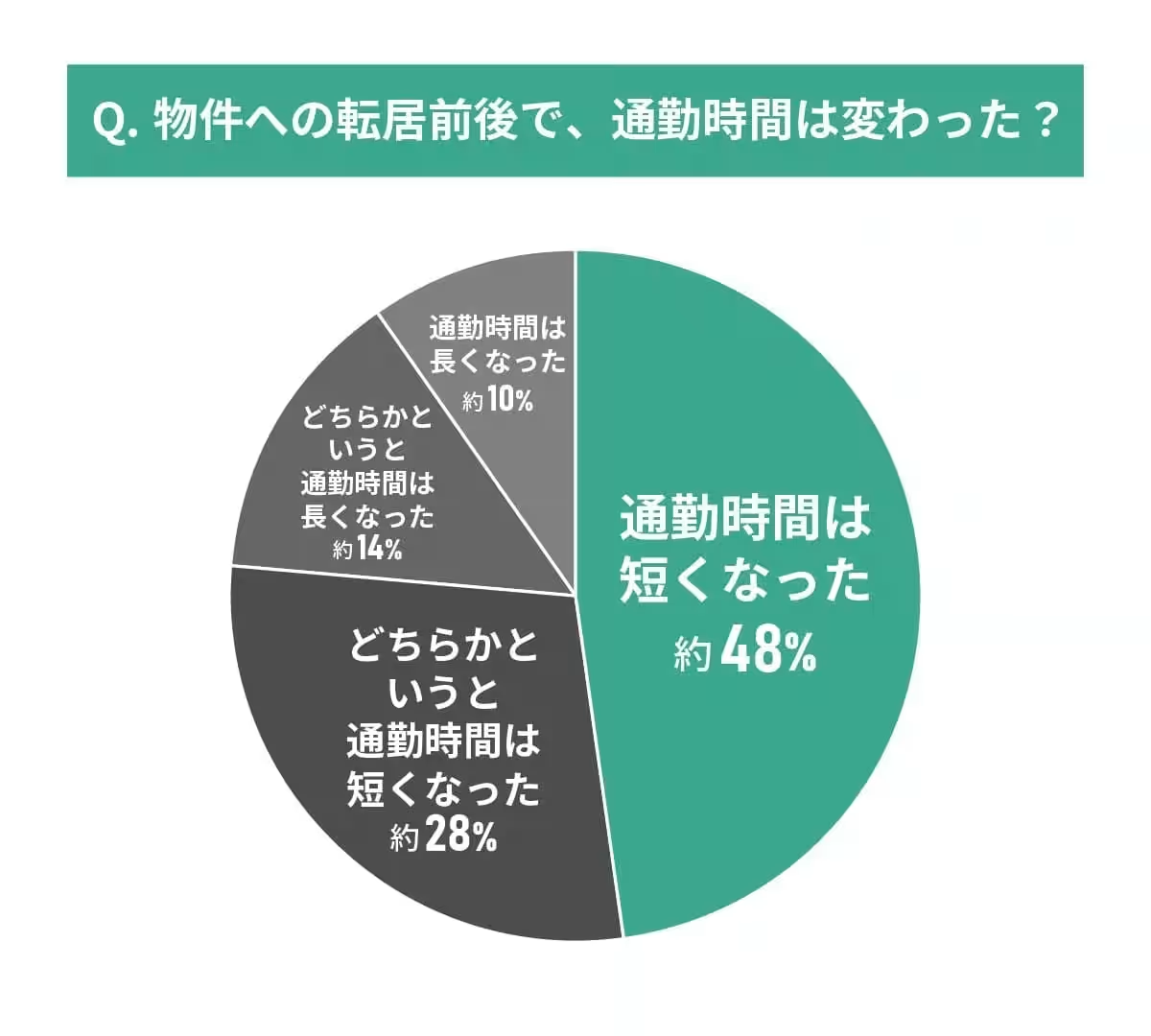
The survey focused on understanding how commuting times shifted after moving to new properties. The findings indicated significant changes:
- - Commuting time decreased: About 48%
- - Somewhat decreased: About 28%
- - Somewhat increased: About 14%
- - Increased: About 10%
The combined total reveals that over 70% of respondents managed to shorten their commuting times. This suggests that many buyers prioritize commuting convenience when selecting properties, highlighting the positive impact of reduced commuting time on overall life quality.
Longer Commuting Times
However, approximately 24% reported an increase in their commuting times. This increase often resulted from prioritizing factors other than commute, such as housing quality, affordability, or property size. For some, an acceptable trade-off was made for improving overall life quality despite longer commute durations.
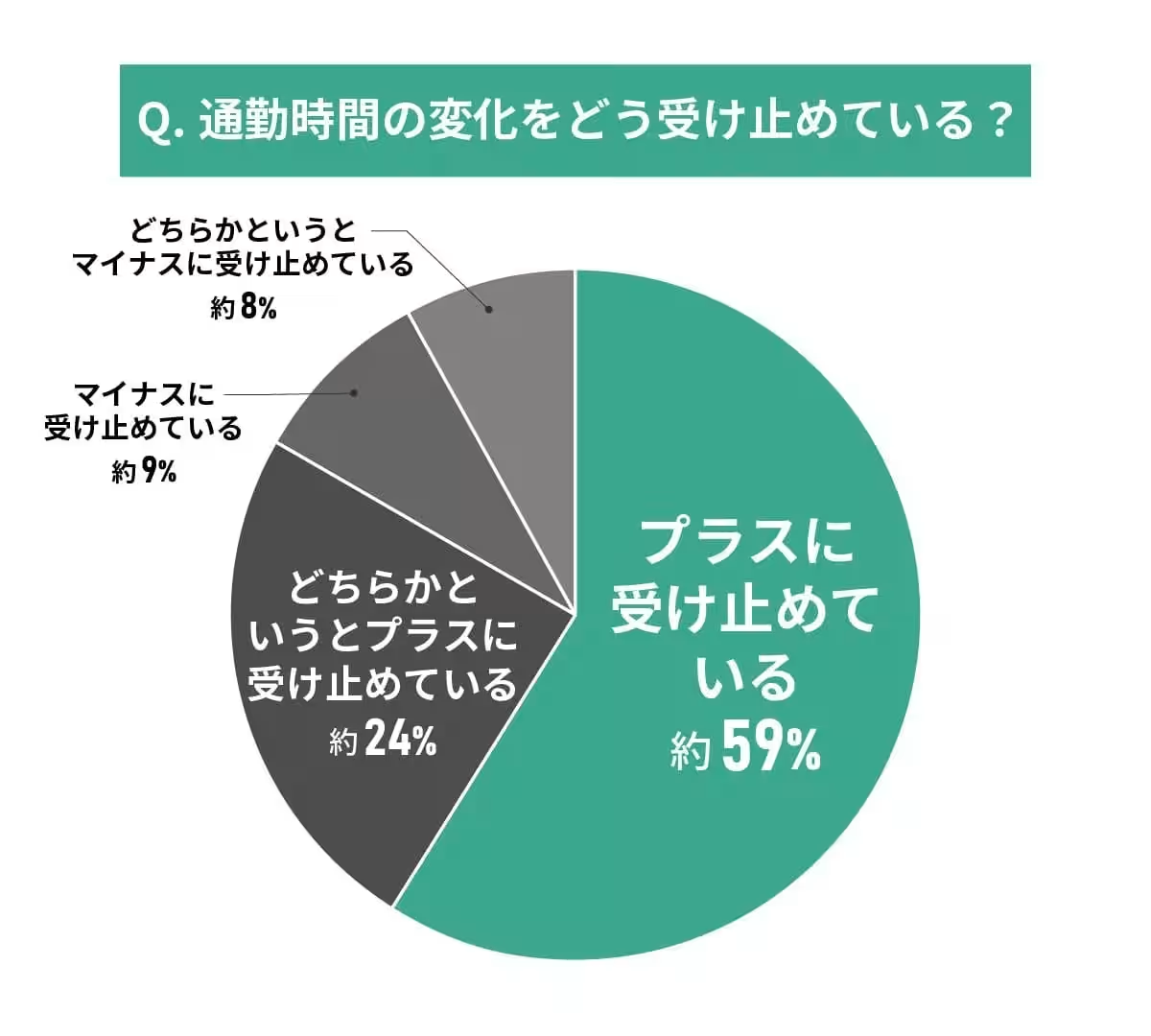
Perceptions of Commute Changes
The survey further assessed how respondents felt about their commuting time changes:
- - Positive perception: Approximately 59%
- - Somewhat positive: Approximately 24%
- - Negative perception: Approximately 9%
- - Somewhat negative: Approximately 8%
In summary, over 80% rated their commuting time changes positively, indicating that most property purchases significantly enhance life quality.
Reasons for Positive Sentiment
The most common reasons cited for a positive experience included:
- - Increased personal time
- - More family interaction
- - More relaxed mornings
- - Reduced time on crowded trains
- - Easier commuting overall
- - Lower stress levels
These responses highlight that the reduction in commuting time transcends merely saving travel hours; it substantially enhances living standards and creates more opportunities for personal fulfillment and relaxation.
Positive Perspectives on Longer Commutes
Even among those who experienced longer commutes, some respondents maintained a positive outlook. They emphasized focusing on quieter, more pleasant living environments, or their motivations for career changes that led to longer but more desirable commutes.
Conversely, some negative feedback pointed out challenges such as decreased downtime at home, increased fatigue, and the feeling that prolonged commutes waste valuable time.
Importance of Commuting Time in Property Selection
Comments from the participants indicated a conscientious approach to property selection based on commuting convenience. Statements like "I sought a place close to work" suggest a strategic focus on reducing commuting times shaped their buying decisions, leading to higher satisfaction levels post-purchase.
Economic Considerations
Interestingly, some respondents noted their dissatisfaction linked to reduced commuting allowances, highlighting another dimension of the commuting time changes where economic impacts could outweigh time savings.
Conclusion
The significant findings from this survey indicate the critical link between commuting time changes and overall satisfaction with life after property purchase. A striking 77% achieved shorter commute times, while 83% found their experiences positive. These insights reinforce the importance of factoring in commuting times when selecting property as they substantially influence daily living experiences.
In conclusion, property purchases represent significant life decisions. This survey underscores the vital role of commuting times in enhancing quality of life. Future buyers should carefully consider commuting when evaluating new homes, as it directly affects personal well-being and lifestyle satisfaction. By being mindful of their priorities and lifestyle, property buyers can choose the ideal residence that complements their daily routines.
Topics Consumer Products & Retail)
【About Using Articles】
You can freely use the title and article content by linking to the page where the article is posted.
※ Images cannot be used.
【About Links】
Links are free to use.