



Plenus Launches 'History of Rice Cooking' Content to Support Japanese Rice Culture
Exploring the History of Rice Cooking in Japan
Plenus Corporation, based in Ginza, Chuo City, with Shiro Kaneko as its CEO, is known for its takeout bento service 'Hotto Motto', fixed meal restaurant 'Yayoi Ken', Shabu-Shabu and authentic dim sum chain 'MK Restaurant', and ramen outlet 'KAYAVA.' As of March 2026, the company operates 2,822 stores across Japan. Their continuous efforts to preserve Japanese rice culture have led to the recent launch of a website focusing on the 'History of Rice Cooking', which provides an in-depth look at the evolution of rice cooking methods from ancient times to the modern day.
Insight into 'History of Rice Cooking' Content
Key Highlights
1. The Completion of Cooking with 'Hagama' - Techniques to Enhance Flavor
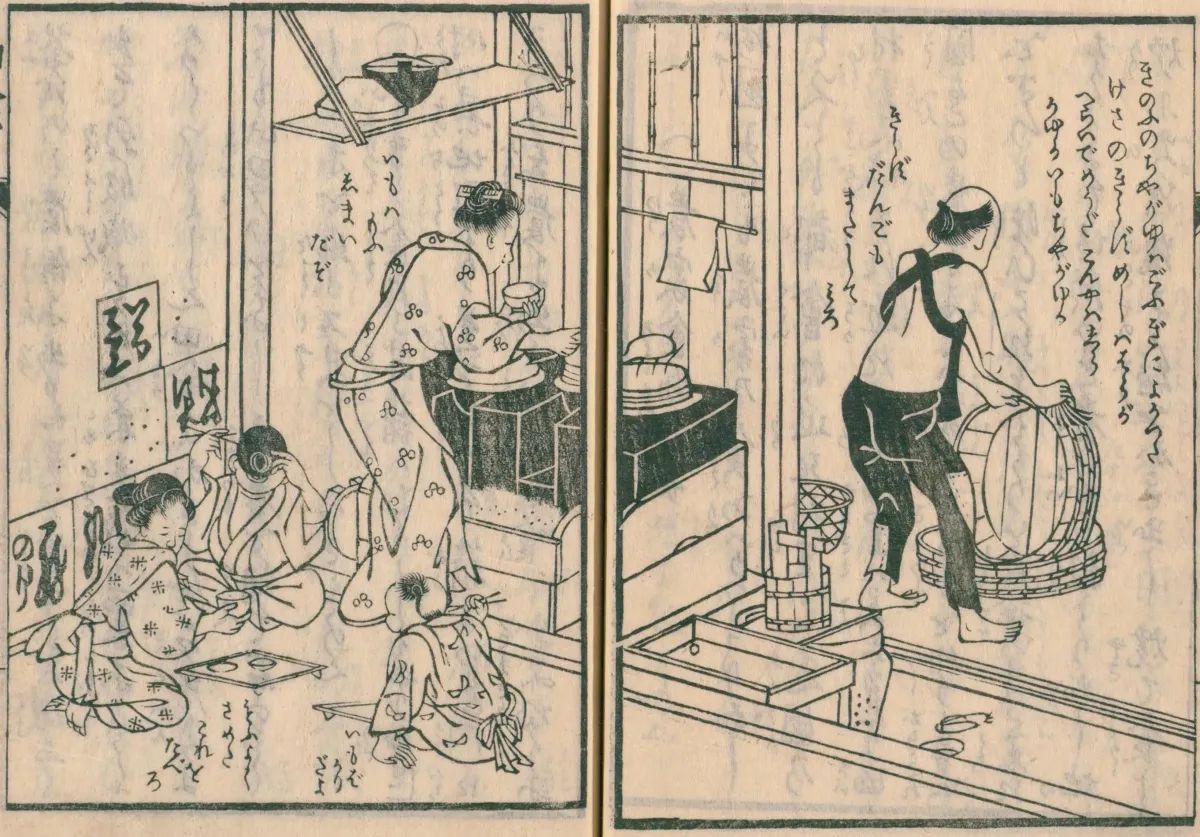
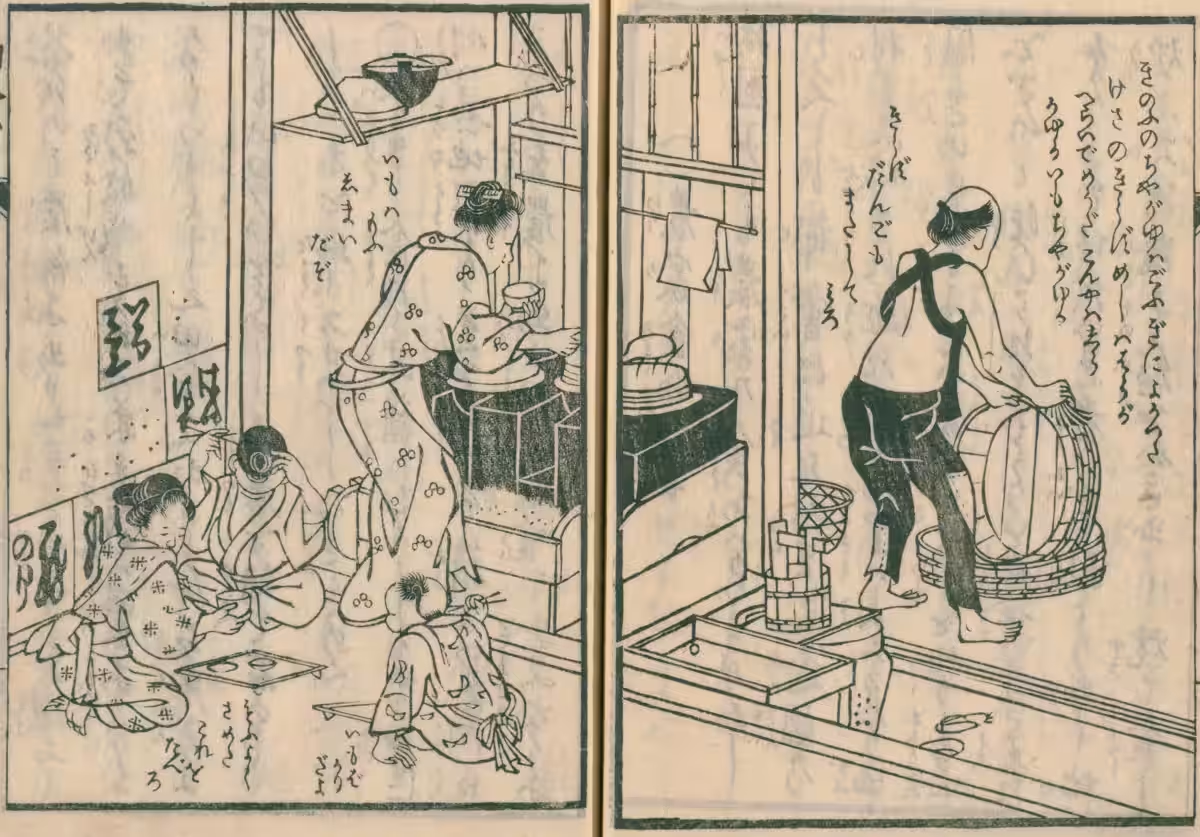
Rice cooking has a rich history, starting from ancient times with various methods such as boiling in pots and steaming in traditional koshiki. The late Heian period saw the introduction of earthenware pots with lids, and post-Kamakura era popularized iron hagama. By the late Edo period, thick lid pots became commonplace. The heavy lid design effectively seals steam inside, while handle designs prevent warping from high temperatures. The hagama facilitates efficient heating from both below and sides by fitting into a cooking stove. The cooking process of steaming the rice with the steam trapped inside after minimal water is similar to modern rice cookers.
Illustration of an Edo-era communal kitchen scene, courtesy of the National Diet Library.
2. Impact on Daily Life from the Adoption of Electric Rice Cookers
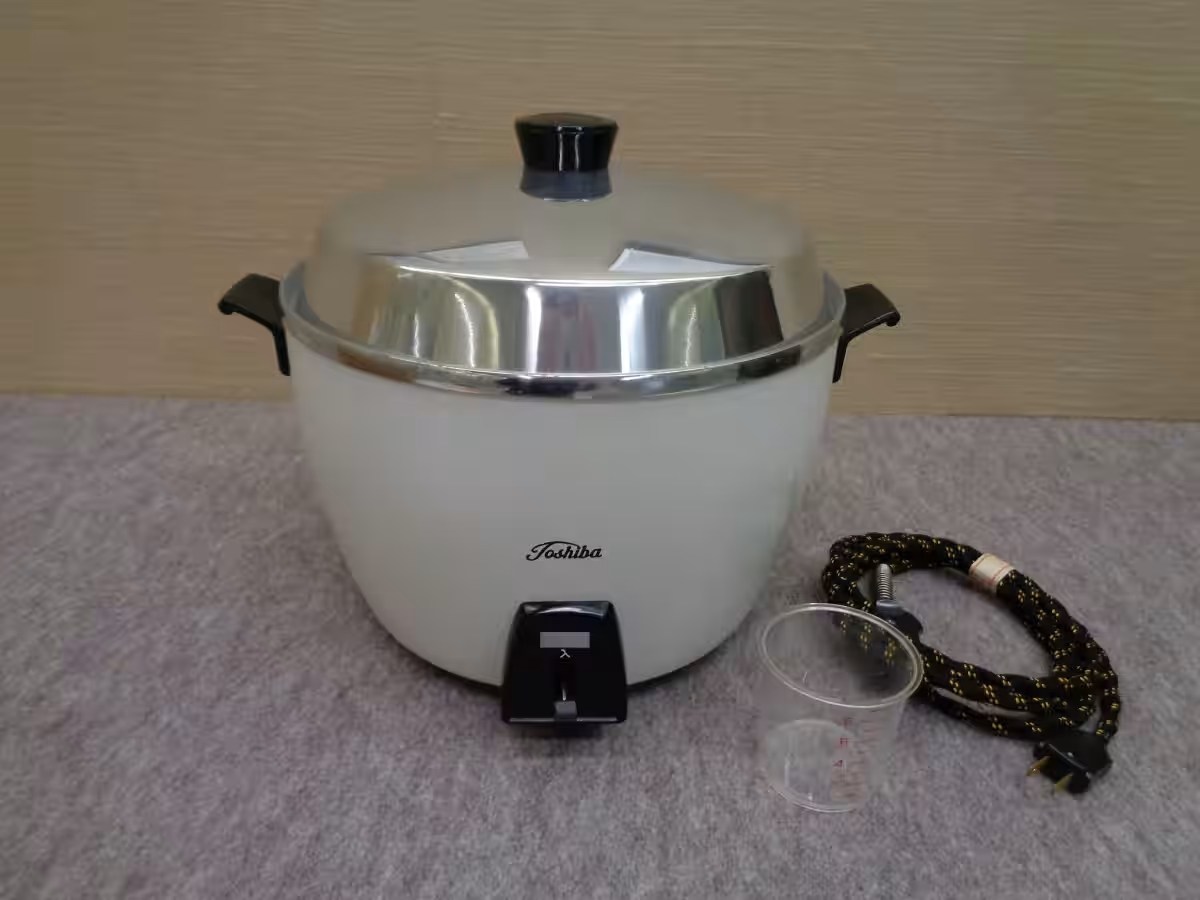
The introduction of gas and electricity post-Meiji brought the first gas stove to Japan in 1902, leading to the widespread use of gas cooking in urban areas. The release of automatic electric rice cookers in 1955 transformed the cooking process, which previously required constant attention. The automation of cooking reduced household chore time significantly, leading to major changes in lifestyle.
Image of Toshiba's automatic electric rice cooker, courtesy of Takaoka City Museum.
Overview of the Rice Culture Research Institute Website
- - Content Name: 'History of Rice Cooking'
- - Launch Date: April 16, 2026, 10:00 AM
- - URL: Rice Culture Academy
- - Operated by: Plenus Corporation Rice Culture Research Institute
Plenus Rice Culture Inheritance Project
Plenus is committed to preserving and passing on the rich heritage of Japanese rice culture closely tied to its history and traditions. The company continues to engage in various activities aimed at celebrating and transmitting the beauty of this culture to future generations.
For more information and updates:
With projects like these, Plenus is not just an entity in the food industry, but a custodian of a vital element of Japanese culture that connects generations. By exploring the advances and traditions in rice cooking, they encourage appreciation for this staple food that sustains Japanese life.
Topics Consumer Products & Retail)
【About Using Articles】
You can freely use the title and article content by linking to the page where the article is posted.
※ Images cannot be used.
【About Links】
Links are free to use.