



Revealing the Desirable Neighborhood Rankings for 2026 by Modern Standard
Overview of 2026 Desirable Neighborhood Rankings
Modern Standard, a leading real estate agency based in Minato, Tokyo, has unveiled its much-anticipated "Desirable Neighborhood Rankings for 2026". This ranking focuses on areas preferred by individuals earning over 20 million yen and those earning between 10 million and 20 million yen annually. The results showcase not only the allure of prime locations but also emerging trends among high-income residents.
Rankings Breakdown
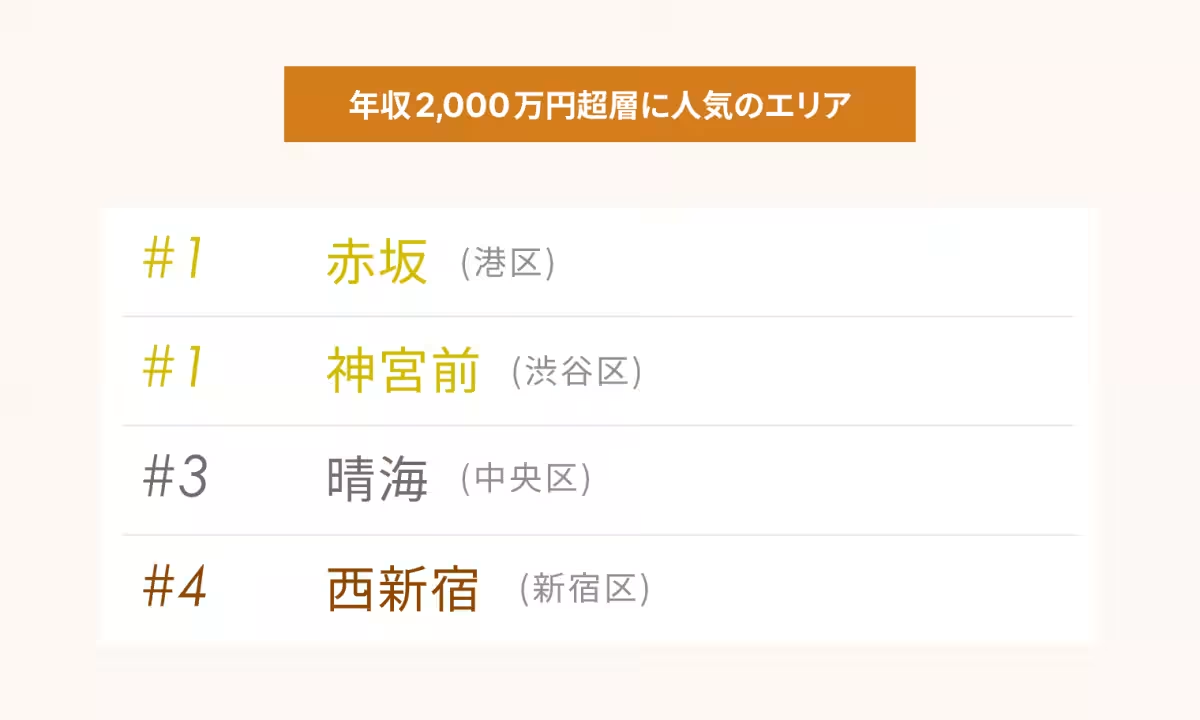
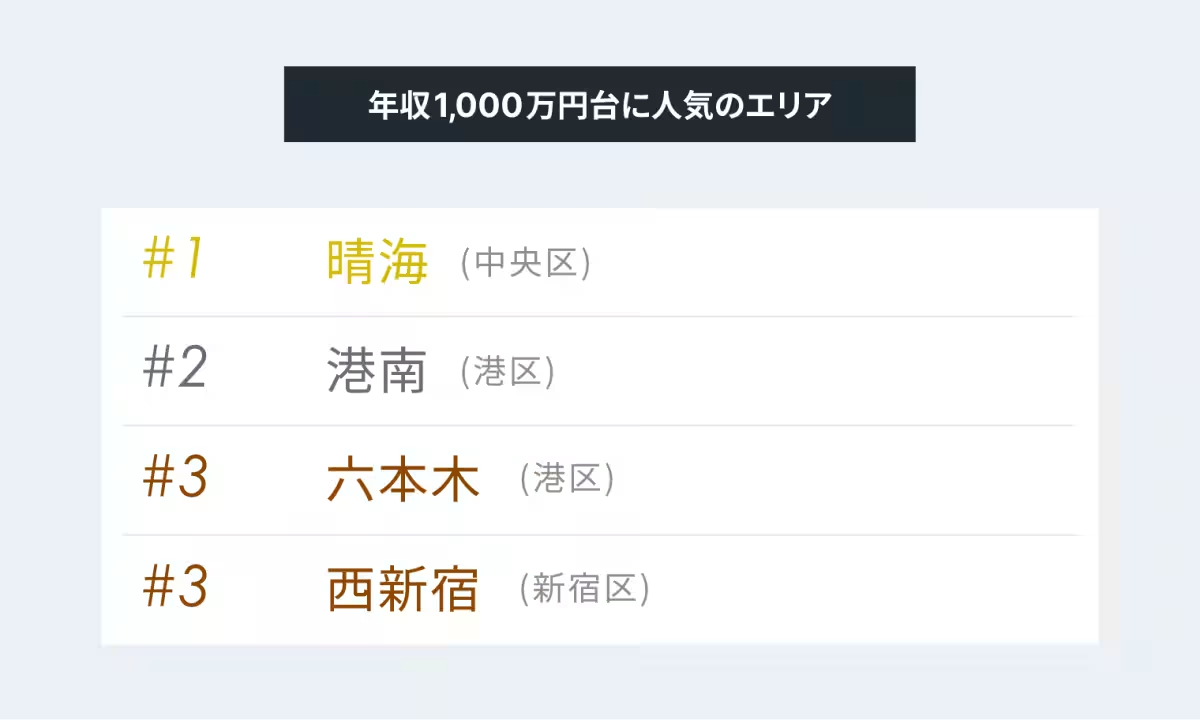
The rankings categorize neighborhoods based on two distinct income brackets: those earning over 20 million yen and those between 10 million and 20 million yen. Notable mentions include Harumi and Nishi-Shinjuku, which have common recognition across both income levels. Specifically, Akasaka and Jinguumae emerged as joint leaders in the higher income bracket, demonstrating a trend that goes beyond just convenience—residents are also seeking a deeper connection to the story behind their neighborhoods.
Common Desires Among High Earners
Harumi and Nishi-Shinjuku: Favor for Efficiency and Modernity
Historically, preferences have often split along income lines; however, current trends indicate that both income groups value proximity to work and the appeal of newer tower-style apartments.
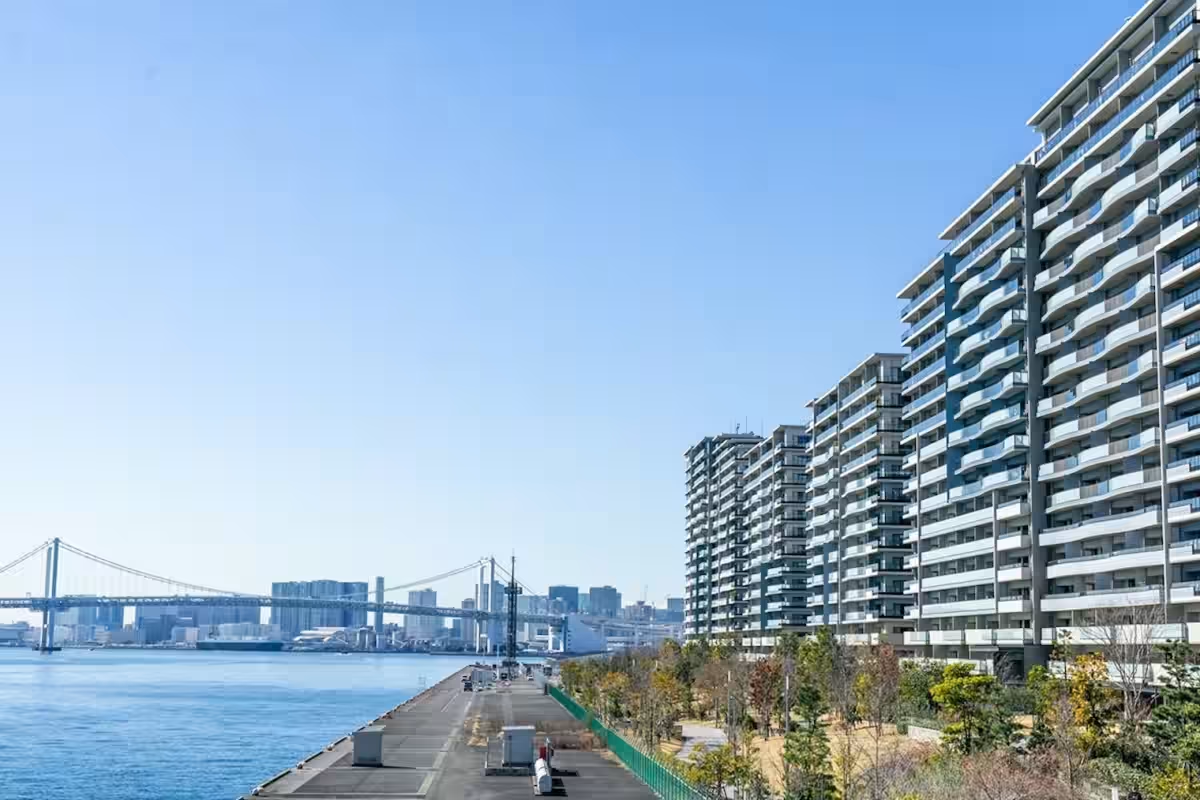
- - Harumi: The area boasts excellent accessibility with the Toei Oedo Line and Tokyo Metro Yurakucho Line, offering quick connections to major business districts such as Tokyo and Ginza. Properties like the HARUMI FLAG SKY DUO, which began occupancy in 2025, have attracted residents due to their modern facilities and appeal.
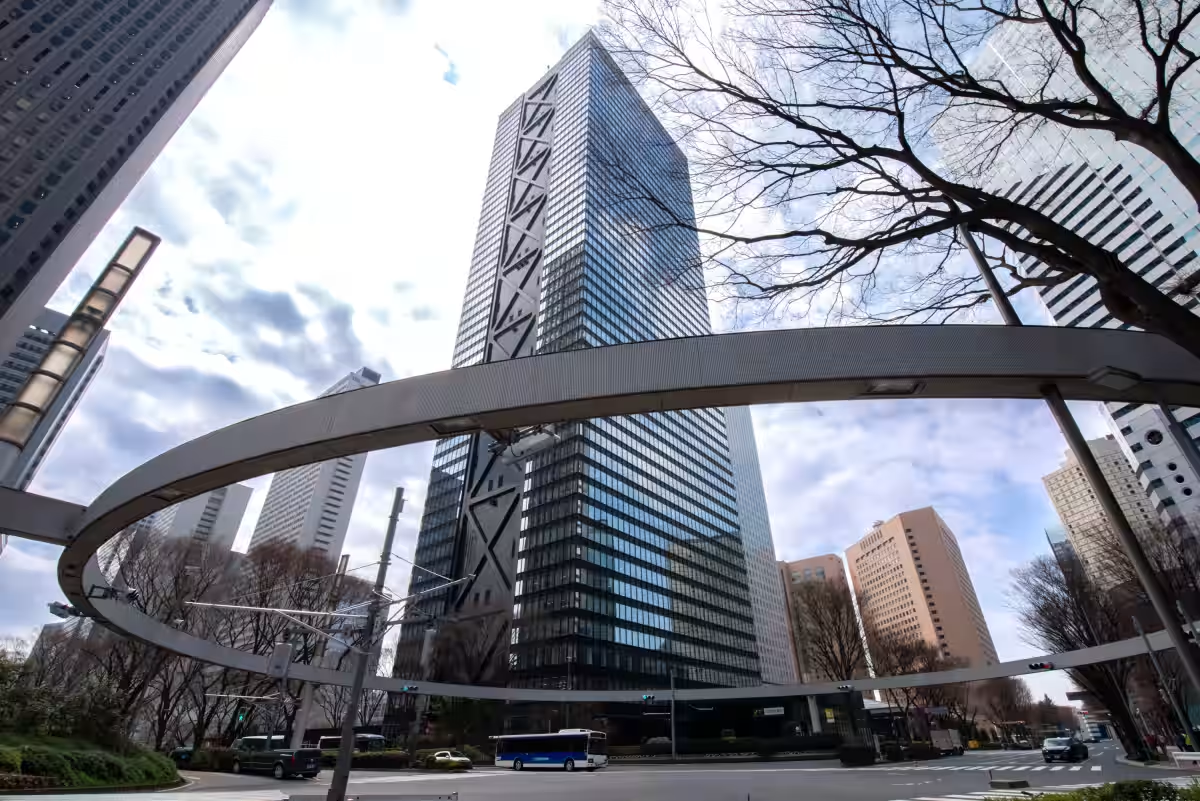
- - Nishi-Shinjuku: Home to Shinjuku Station, the world's busiest railway station (as certified by Guinness World Records), Nishi-Shinjuku is a bustling hub of employment opportunities. The area is witnessing a surge in high-end residential developments, including City Tower Shinjuku in 2023 and Park Tower Nishi-Shinjuku in 2024, solidifying its status as a desirable location.
Unique Character: Akasaka and Jinguumae
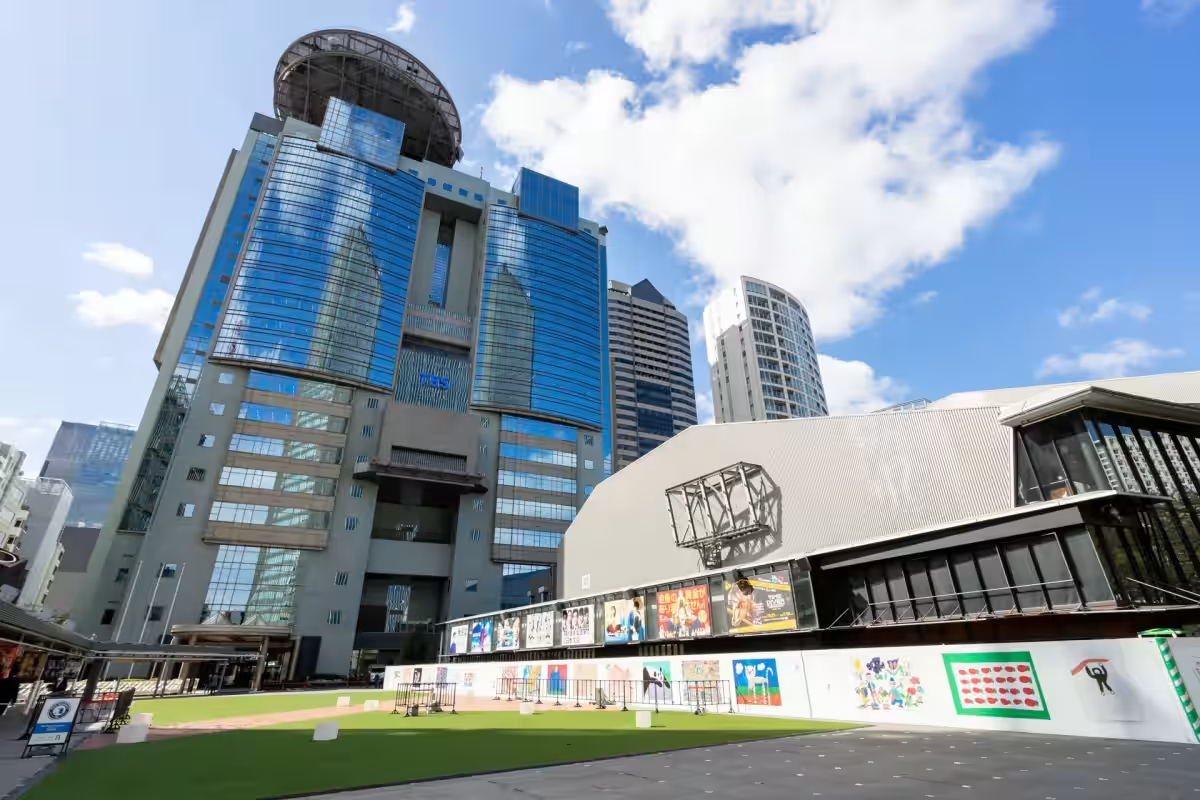
The top-rated neighborhoods for high earners reveal a preference that goes well beyond convenience. Residents are drawn to areas steeped in history and culture.
- - Akasaka: Adjacent to Nagatacho, a political and economic center, Akasaka offers a refined residential atmosphere complemented by vibrant dining and entertainment options. It has been a favorite among executives and affluent individuals, consistently ranking as the top choice for CEOs for 13 consecutive years.
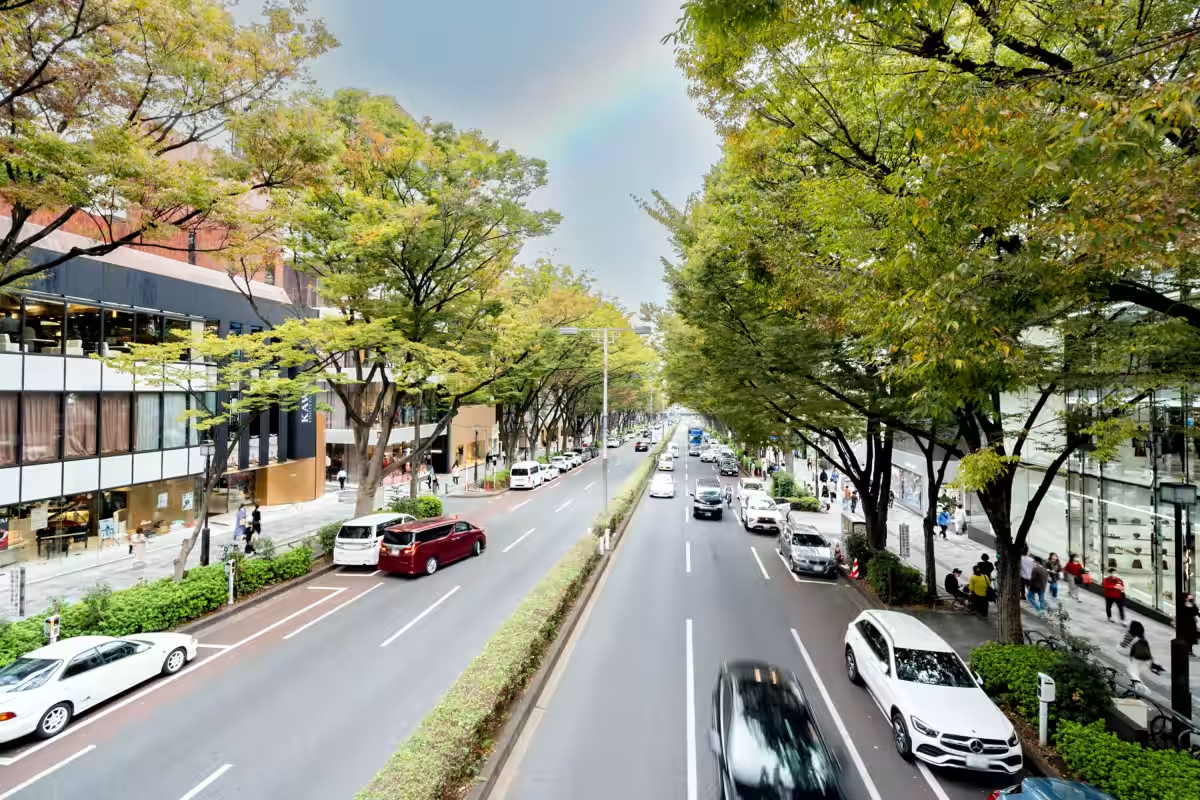
- - Jinguumae: Known for being at the epicenter of trends, Jinguumae hosts the iconic Takeshita Dori and high-end brand outlets in Omotesando. With quick access to Shibuya Station and proximity to culturally rich sites such as Meiji Shrine and Yoyogi Park, it resonates well with those who appreciate a blend of modern lifestyle and natural beauty.
Average Incomes and Occupations in Top Ranked Neighborhoods
The rankings also reflect average incomes and occupational distributions within the highlighted areas. Jinguumae tops the list with an average income of 33 million yen, showing a strong presence of professionals across various sectors, particularly in health, finance, and entertainment.
Key Insights from the Rankings
- - Akasaka (Minato Ward):
- Occupational breakdown: Health (12.5%), Dining (12.5%), Finance (12.5%), Entertainment (12.5%), Trading Firms (12.5%), Real Estate/Construction (12.5%), Others (25%)
- - Jinguumae (Shibuya Ward):
- Occupational breakdown: Health (20%), Finance (20%), Entertainment (20%), Information/Telecommunications (20%), Manufacturing (20%)
- - Harumi (Chuo Ward):
- Occupational mix heavily slanted toward Consulting (42.1%).
- - Nishi-Shinjuku (Shinjuku Ward):
- Predominantly influenced by Consulting (25%) and Information Technology (25%).
Insights from Modern Standard Agents
Modern Standard's representative comments highlight that the tie between Akasaka and Jinguumae for top rankings is highly indicative of the unique qualities these neighborhoods offer. As more individuals prioritize proximity to work alongside a vibrant living environment, areas like Harumi and Nishi-Shinjuku attract attention as they cater to both convenience and quality of life. Looking ahead, these neighborhoods are expected to continue thriving even amidst potential rental increases, maintaining their allure for affluent individuals.
Conclusion
With a comprehensive analysis of the real estate trends and neighborhood preferences among high-income earners, Modern Standard's report underscores a growing inclination towards areas that offer not just homes, but engaging lifestyles enriched with cultural narratives and modern amenities. As the landscape evolves, these insights provide a glimpse into the future desires of Tokyo's elite residents.
Topics Consumer Products & Retail)
【About Using Articles】
You can freely use the title and article content by linking to the page where the article is posted.
※ Images cannot be used.
【About Links】
Links are free to use.