



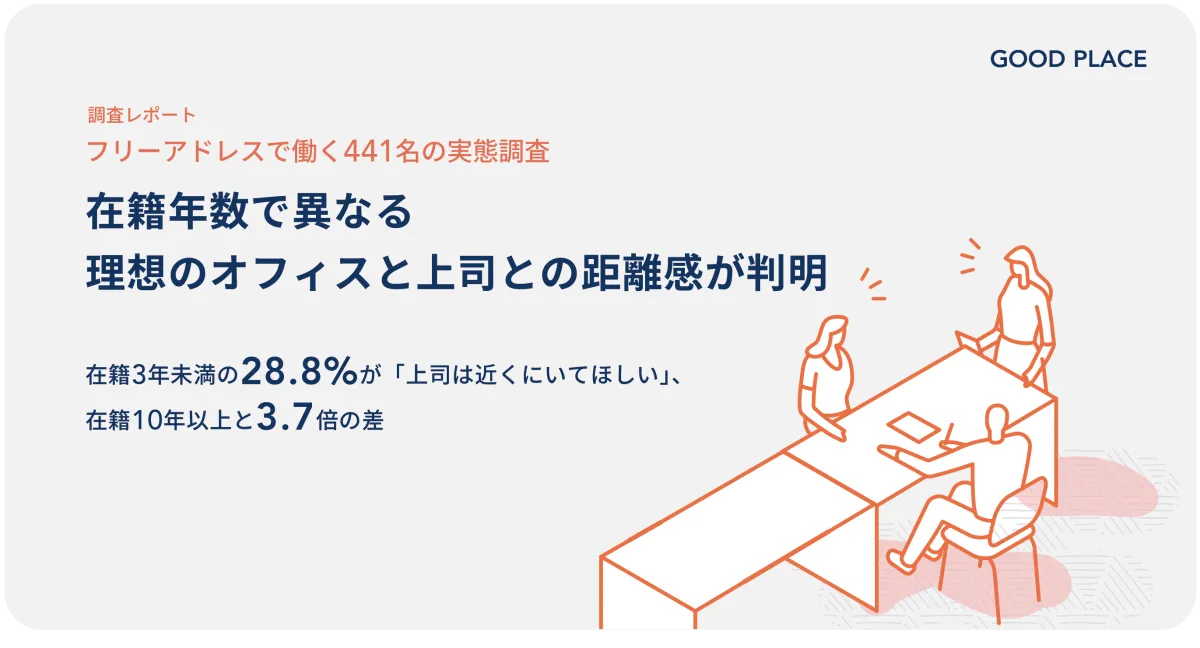
Exploring Employee Preferences in Free Address Offices: Insights from a Large Survey
Examining Employee Experiences in Free Address Offices
The architectural company GOOD PLACE, known for creating better workspaces through office renovations, has conducted a survey involving 441 employees working in free address offices. The survey aimed to uncover the realities and preferences of those utilizing these modern workspaces.
Survey Findings Summary
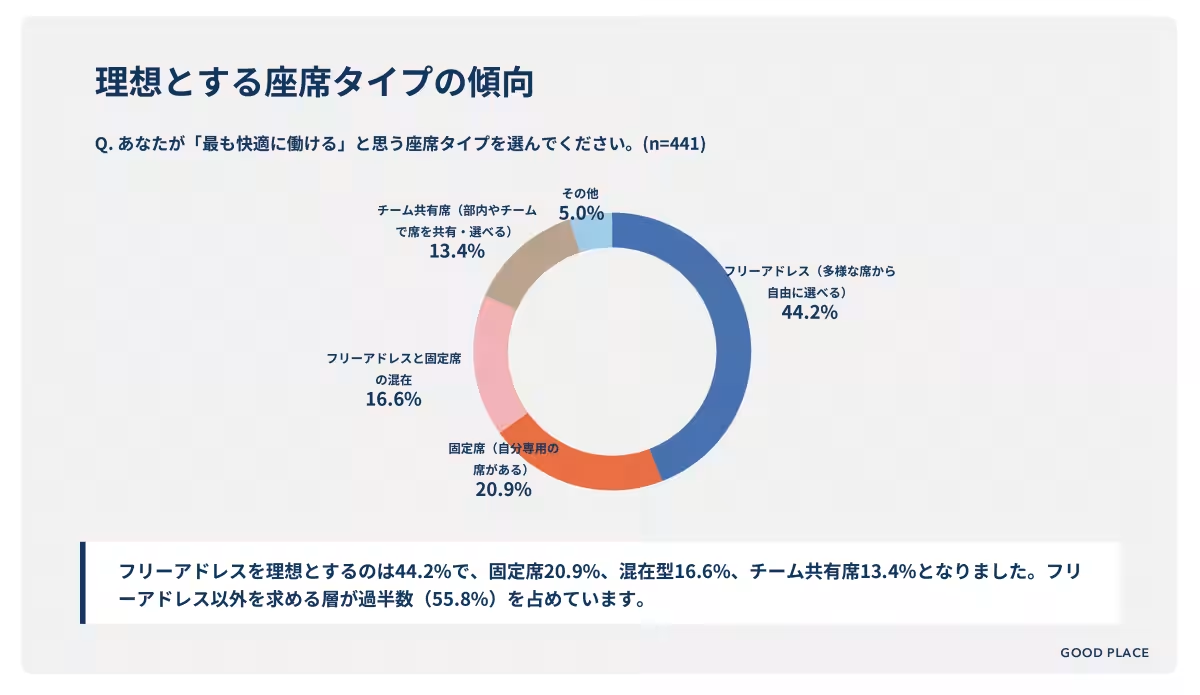
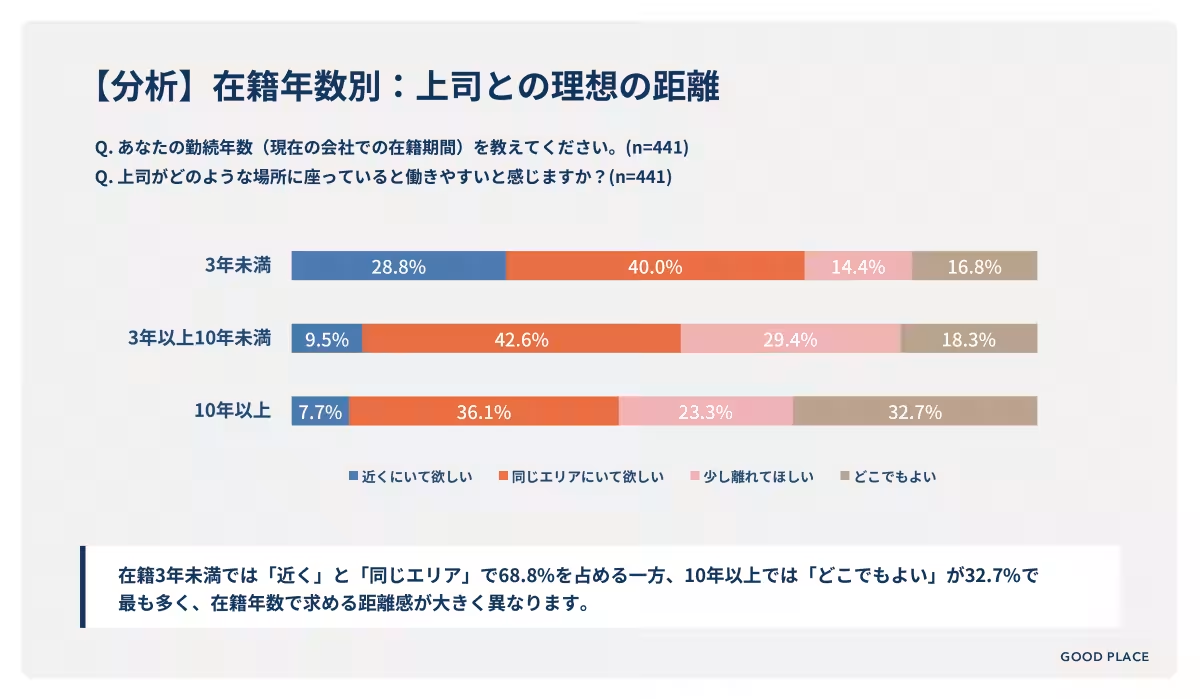
The results reveal that approximately 44.2% of employees favor a completely free address setup, while 20.9% prefer fixed desks. Other preferences varied, including a hybrid of free address and fixed desks at 16.6% and team shared desks at 13.4%. Furthermore, a notable disparity was evident in the relationship between tenure and the ideal office and supervisor proximity. For instance, while 28.8% of employees with less than three years of service prefer having their supervisors nearby, this figure drops to 7.8% for those with ten or more years in the company, showcasing a significant difference of 3.7 times.
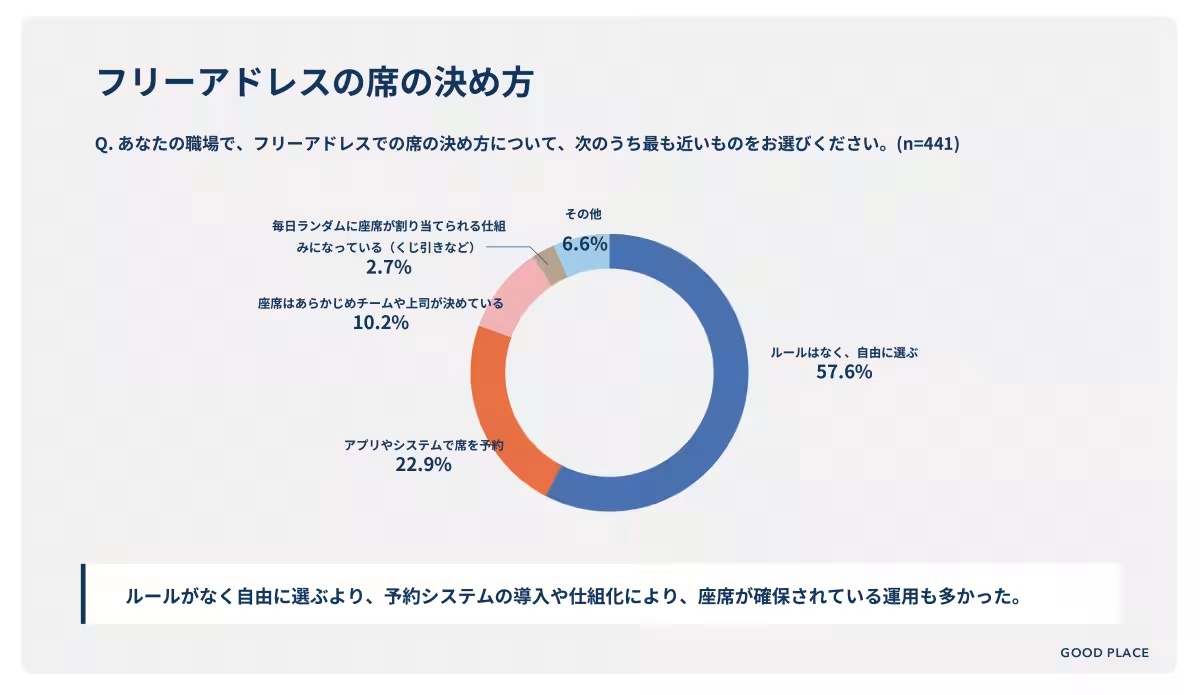
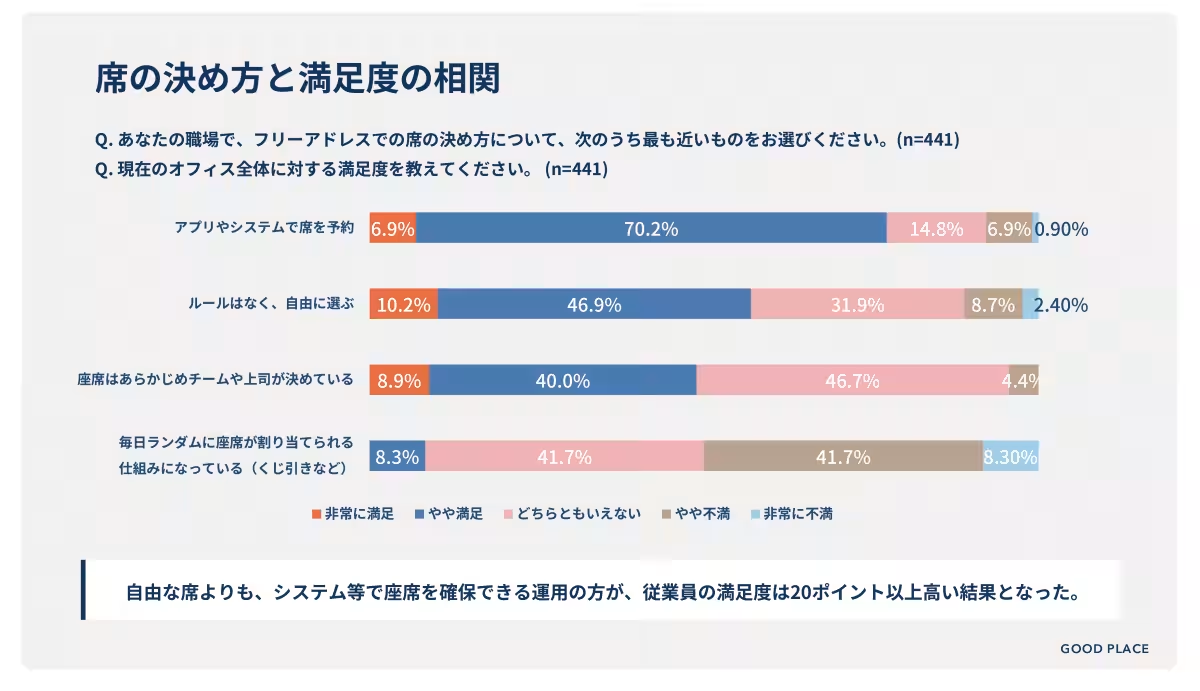
The survey also highlighted satisfaction levels concerning seat reservation methods. Employees using an app or system for seat bookings reported a satisfaction rate of 77.2%, roughly 20 percentage points higher than the 57.1% satisfaction level of those selecting seats freely without rules.
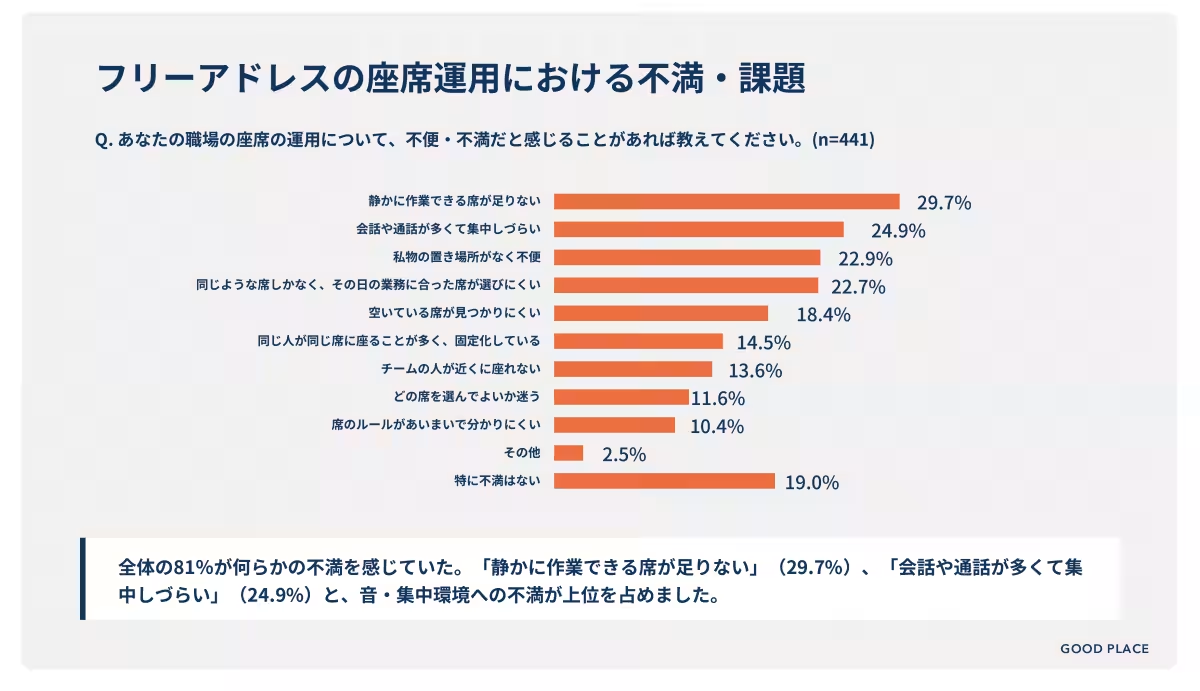
Additionally, the study revealed that the most significant dissatisfaction among employees in free address offices stemmed from the lack of quiet spaces, with 29.7% of respondents highlighting this issue. The demand for conducive environments for focused work has become apparent. This suggests that balancing sound dynamics—creating areas that foster both conversation and concentration—may be essential for optimal free address office functionality.
Key Insights
1. Diverse Preferences for Workspace: 44.2% of employees favor complete free address setups. In contrast, 20.9% prefer fixed desks, indicating diverse needs in modern workspaces.
2. Proximity to Supervisors: Among employees with less than three years of tenure, 28.8% wish to have their supervisors nearby, a stark contrast to the 7.8% in the ten years or more category.
3. Satisfaction with Reservation Systems: Those utilizing reservation systems report a higher satisfaction rate (77.2%) compared to those selecting freely (57.1%).
4. Quiet Workspaces are Essential: The top dissatisfaction expressed by employees was the lack of quiet areas for focused work, reinforcing the need for suitable environments.
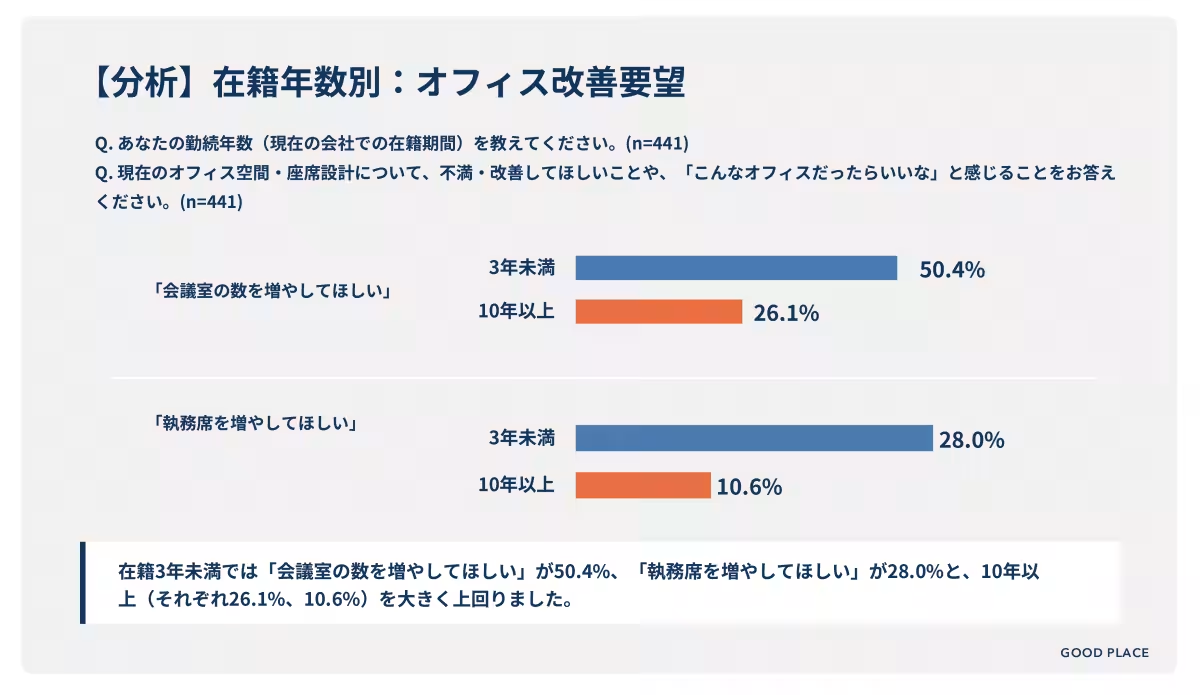
5. Hurdles in Conference Room Availability: Over 50.4% of employees with less than three years of tenure reported issues with conference room shortages, highlighting a significant 1.9-fold difference compared to those with more than ten years.
Detailed Analysis of Survey Results
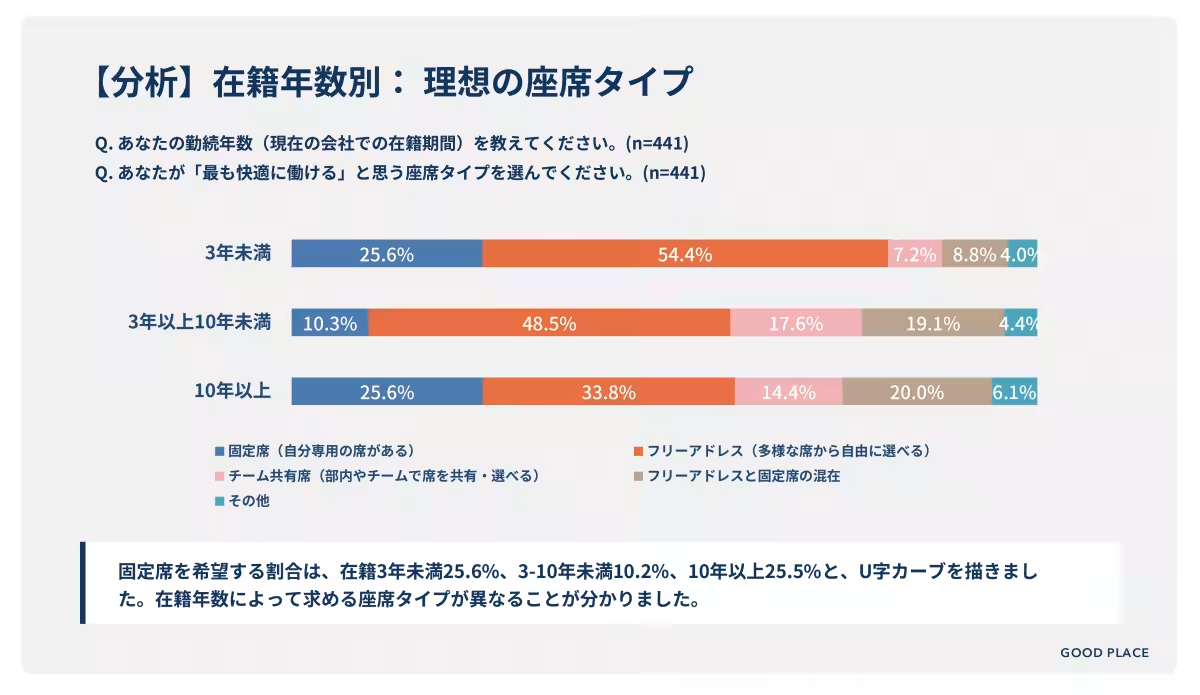
In researching what constitutes the ideal workspace in free address environments, respondents were asked to identify their preferred seat type. Results indicate a strong preference for flexibility—44.2% of employees selected the flexibility of choosing from various seats, while 20.9% showed a preference for dedicated, fixed seating. A notable number (16.6%) favored a mix of both arrangements, and 13.4% opted for shared team seating arrangements. This indicates that even in a free address setting, desire for fixed or collaborative seating remains significant.
When considering the tenure of employees, those with less than three years and those with more than ten years both expressed a shared interest in fixed seating, revealing an inclination toward consistency among newer employees. Furthermore, 39.2% of respondents want their supervisors in the same area, while 14.3% prefer them close by. Survey comparisons show that 28.8% of junior staff favor immediate supervisor proximity, while this rate drops drastically to allow for more independence among veteran employees.
Conclusion
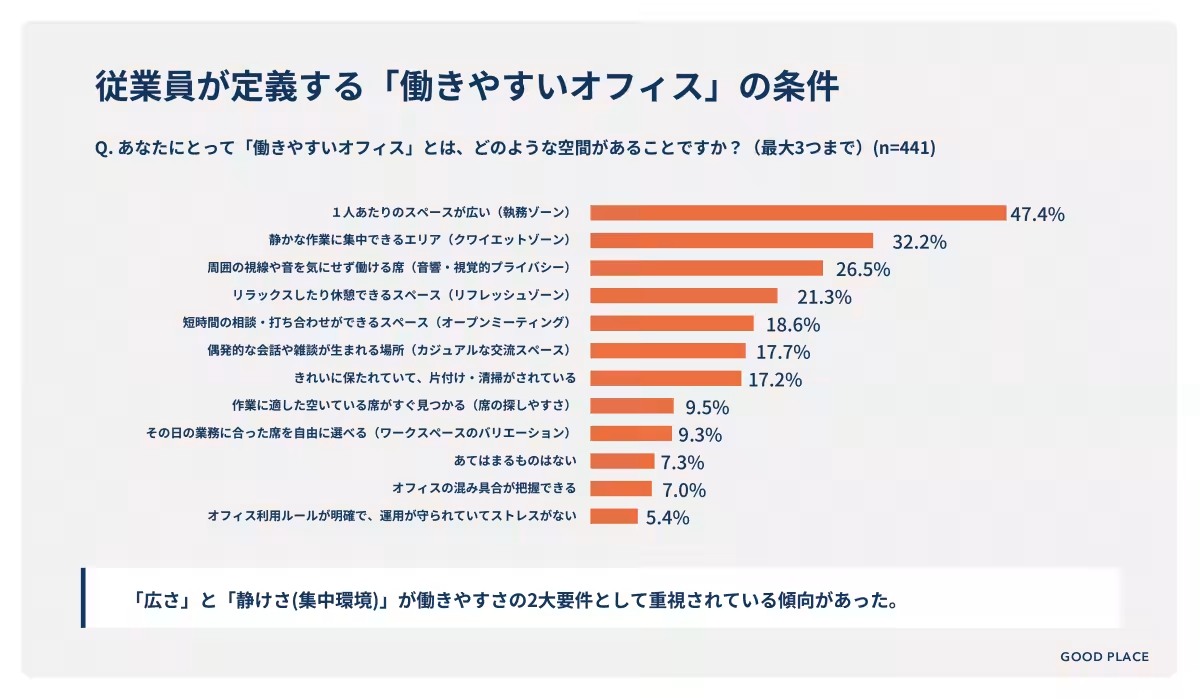
The findings suggest a varied landscape of preferences within free address offices, influenced significantly by employee tenure and the methodologies used for seat selection. These insights can guide companies in tailoring their office environments to better address the diverse needs of their workforce. Employers seeking to maximize the benefits of free address setups must pay attention to employees' preferences and operational characteristics, ensuring thoughtful design and implementation of office spaces. The pursuit of quiet areas, availability of flexible seating arrangements, and effective communication channels will enhance overall employee satisfaction and productivity. Overall, the approach to office design can profoundly impact employee engagement and effectiveness.
For further details, the full report can be accessed here.
Topics Other)
【About Using Articles】
You can freely use the title and article content by linking to the page where the article is posted.
※ Images cannot be used.
【About Links】
Links are free to use.