




Understanding the Growing Issue of Back Pain Among Seniors: Insights from Recent Research
Understanding the Growing Issue of Back Pain Among Seniors
Recent research released by Cosmo Health Inc. sheds light on a concerning trend: back pain is increasingly common among older adults. Conducted by Cosmo Lab, a marketing platform focused on seniors, the survey revealed significant insights about the pain experienced by those aged 50 and over. The findings emphasize the critical need for ongoing support tailored to this demographic.
Key Findings from the Research
Prevalence of Back Pain
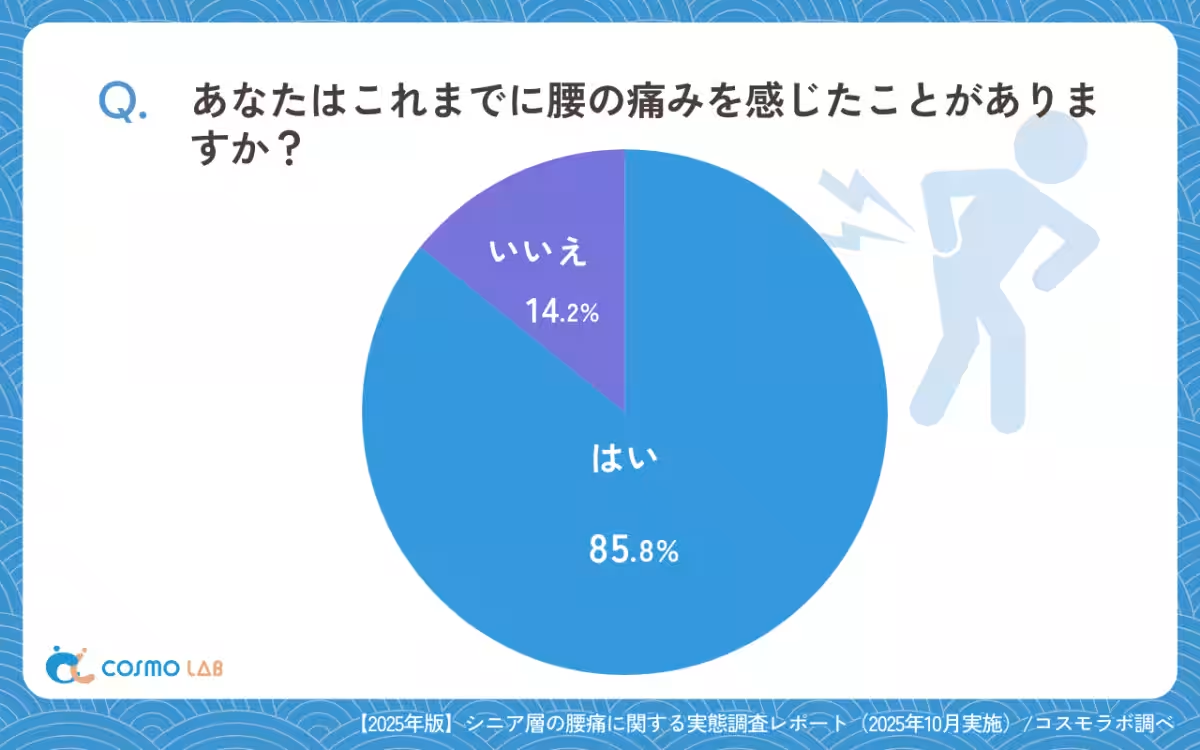
A staggering 85.8% of senior respondents reported experiencing back pain, highlighting how widespread this issue has become in daily life. Unlike conditions confined to particular age groups, back pain appears to be a shared challenge, requiring comprehensive management beyond just immediate relief. The study indicates a strong demand for continuous care aimed at preventing recurrences of pain.
Triggers of Back Pain
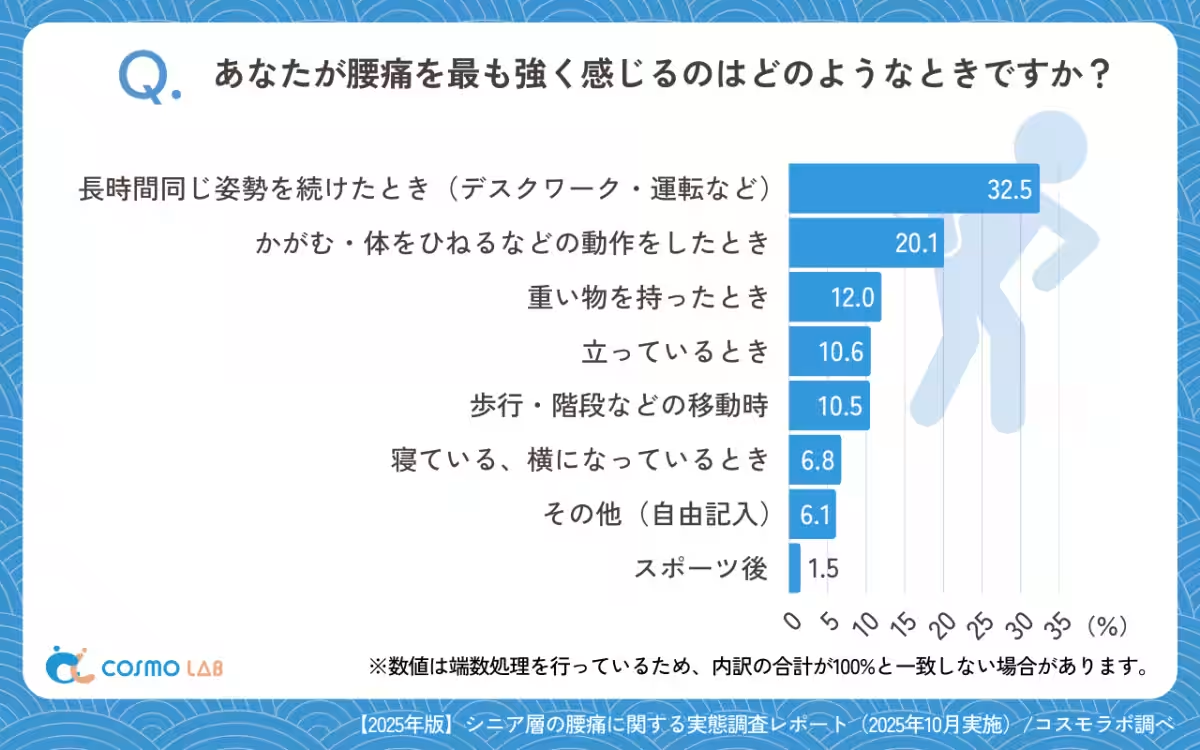
Seniors identified that prolonged periods in the same position, such as during desk work or driving, were the most common scenarios for experiencing back pain, with 32.5% of respondents citing it as their key trigger. This underscores the importance of addressing posture-related issues in both work and home environments that contribute to physical strain.
Effectiveness of Treatment
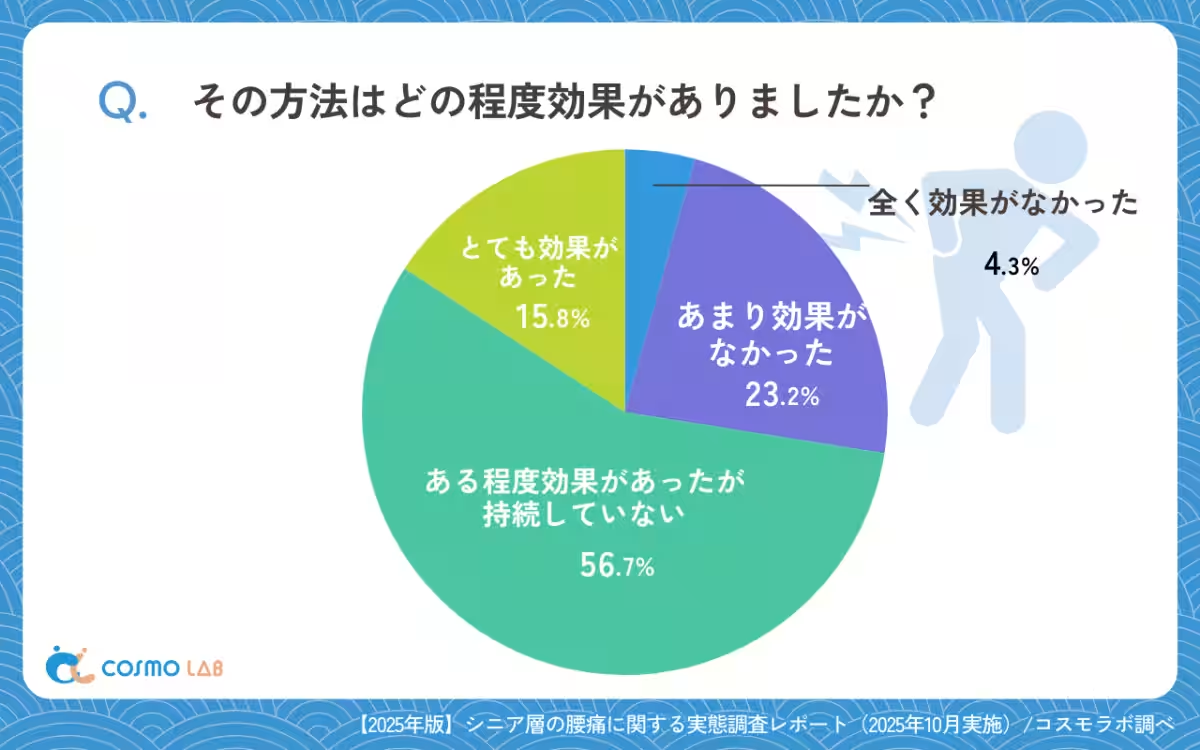
When asked about the effectiveness of various treatments, 56.7% noted that while they experienced some relief, it was not long-lasting. This points to a gap in successful long-term management strategies for back pain. There is a clear need for solutions that support habit formation and long-term prevention of pain episodes.
Analyzing Pain Triggers
The survey explored comprehensive factors contributing to back pain:
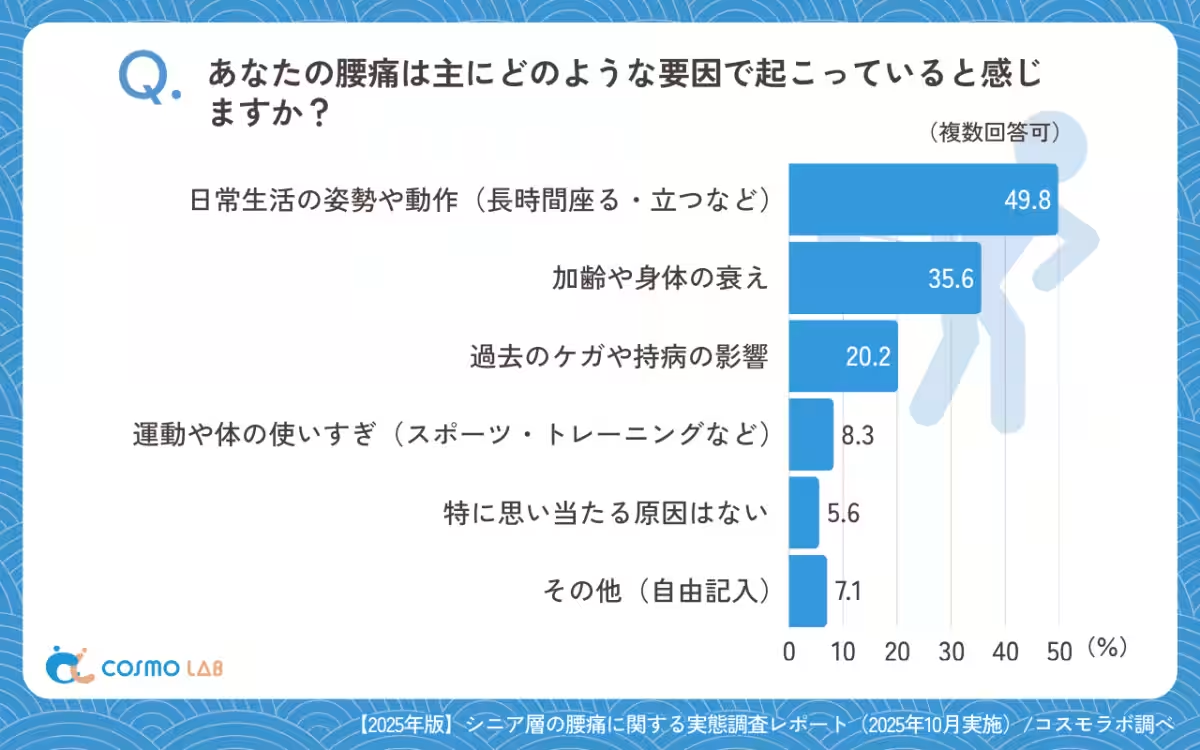
- - Daily Posture and Actions (49.8%): Many respondents linked their discomfort to habitual postures and actions in daily life, such as sitting or standing for long periods.
- - Aging and Physical Decline (35.6%): Many recognized that aging played a role in their back pain.
- - Past Injuries or Chronic Conditions (20.2%): This subset also acknowledged previous injuries impacting their current condition.
These findings suggest a substantial number of individuals consider back pain a cumulative result of their lifestyle, stressing the necessity for educational resources regarding posture adjustment and body maintenance.
Severity and Impact on Daily Life
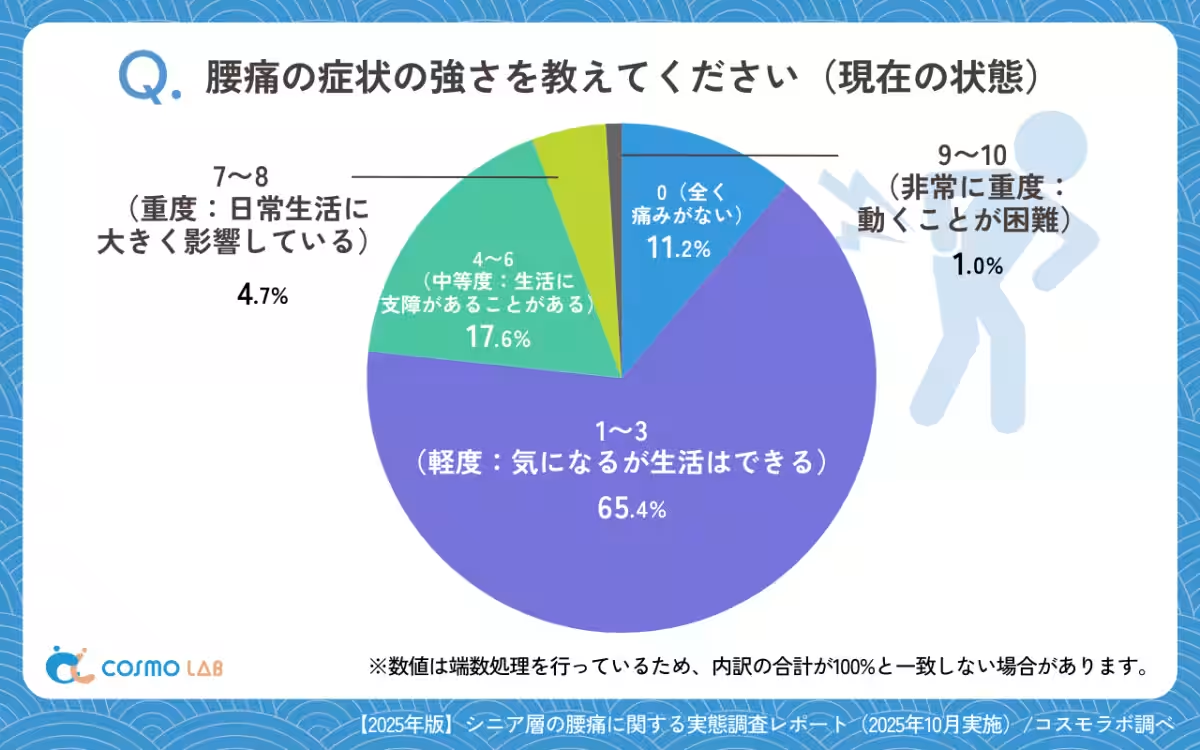
Respondents described their pain severity primarily as mild, with 65.4% indicating it was noticeable but not debilitating. However, 22.3% reported moderate to severe pain that affected their daily activities. This mix suggests that while many seniors endure manageable discomfort, a significant portion may struggle with their quality of life due to pain.
Major Concerns
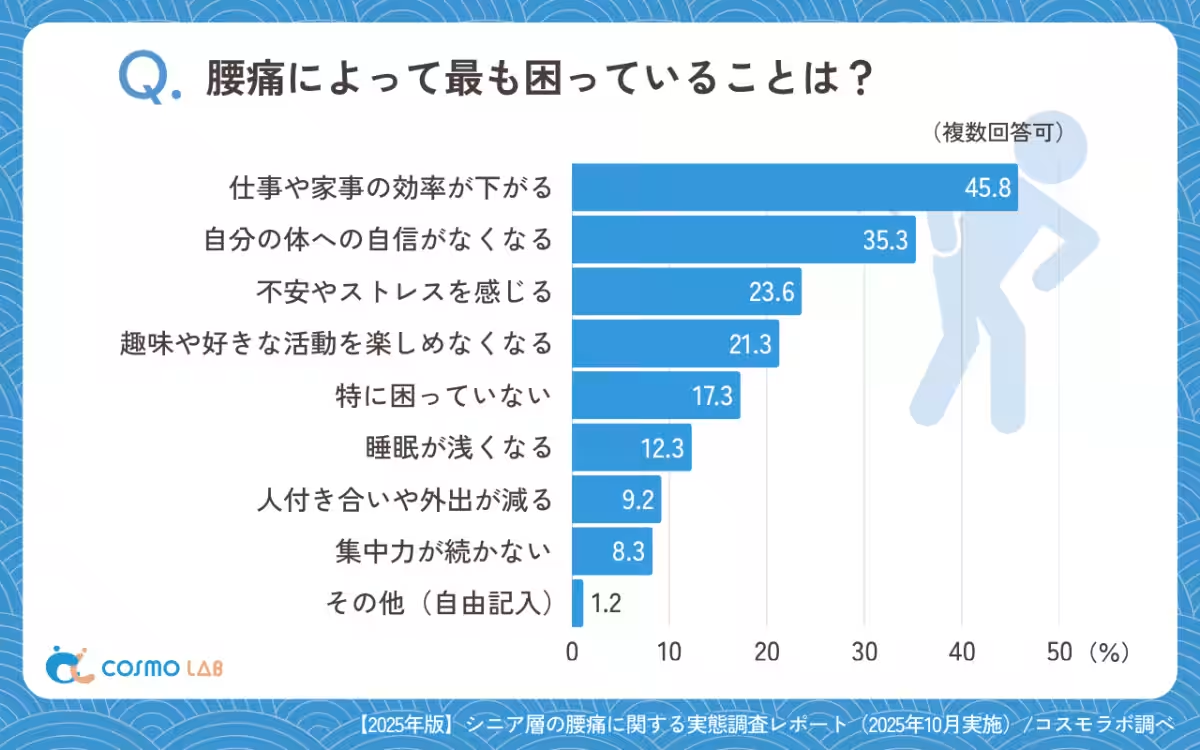
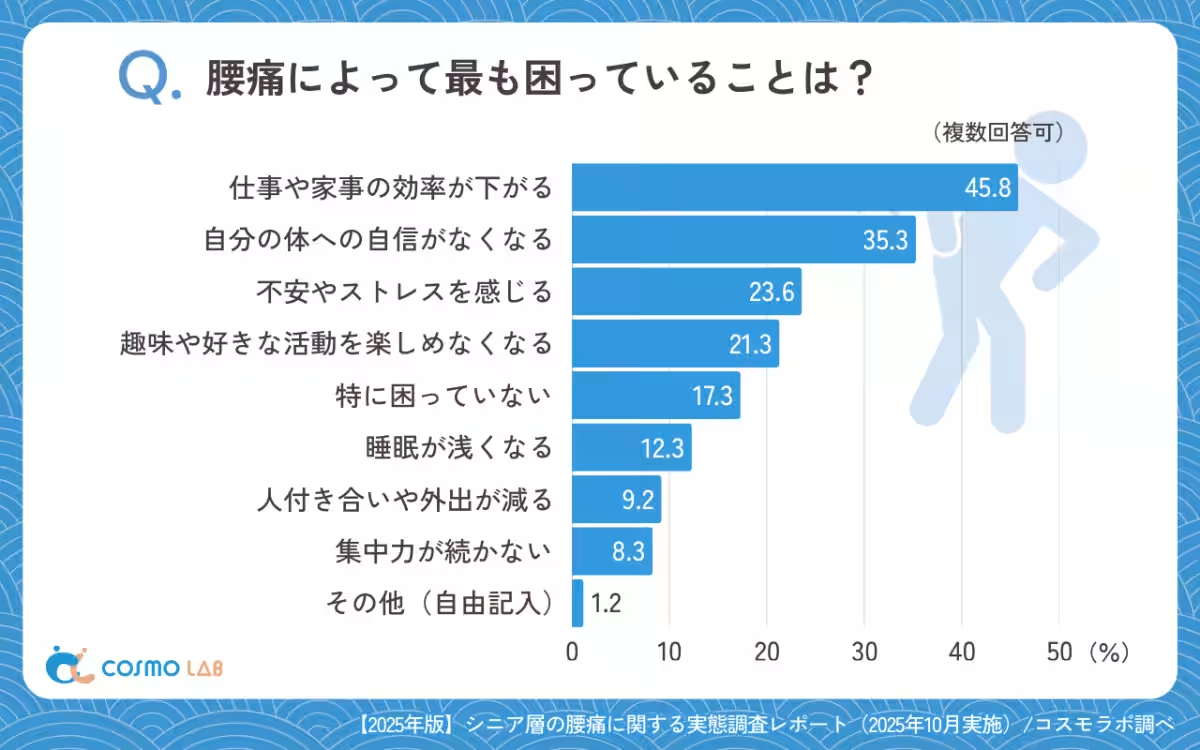
In terms of the challenges faced due to back pain, 45.8% of respondents noted a decrease in their work and home efficiency as the primary impact. Other significant concerns included the erosion of confidence in their physical abilities (35.3%) and experiencing anxiety and stress (23.6%). This indicates that back pain does not solely affect physical health but also one's mental well-being.
Treatment Approaches
When it comes to managing their back pain, many respondents have turned to various methods:
- - Chiropractic or Massage Therapy (53%): The most commonly tried method.
- - Over-the-Counter Medications (41.5%): Many have attempted to alleviate pain through medications.
- - Support Devices (40%): Use of support belts and braces was also common among respondents.
- - Electrical Therapy Devices (33.7%): Some have employed electrical treatments to relieve pain.
The variety of treatment methods points to an active engagement in self-management, though there’s a need for guidance in aligning these approaches effectively with their pain relief goals.
Insights and Recommendations
In summary, the survey highlights three primary characteristics regarding back pain among seniors: its general prevalence, the concentration on posture-related issues, and the significant challenge related to sustaining effective pain relief solutions.
Given the results, it's vital for caregivers, health care providers, and particularly the seniors themselves to foster environments that promote better posture and proactive health management. Ongoing education and support are critical to not only alleviate pain but also to empower seniors in managing their health proactively, ensuring a better quality of life as they age.
Cosmo Lab continues to explore various topics impactful to seniors, from health and safety to consumer behavior. Resources and reports can be accessed on their website for those seeking further insights into contemporary senior lifestyles.

Topics Health)
【About Using Articles】
You can freely use the title and article content by linking to the page where the article is posted.
※ Images cannot be used.
【About Links】
Links are free to use.