



Unlocking the Future of Education: Enhancing Non-Cognitive Skills at Takamine Elementary School
Unlocking the Future of Education: Enhancing Non-Cognitive Skills at Takamine Elementary School
In Hachioji, Tokyo, Takamine Elementary School is pioneering a new approach to education by integrating Leaflath Inc.'s innovative non-cognitive skills measurement system, "MIRABO." This initiative is part of a practical research support program funded by the Panasonic Educational Foundation for the 2025 academic year. Takamine Elementary aims to explore the theme of enhancing non-cognitive capabilities through inquiry-based learning.
Understanding Non-Cognitive Skills
Non-cognitive skills, often referred to as "life skills" or "human qualities," are essential for thriving in today's society. Unlike cognitive skills explicitly measured in academic tests, non-cognitive abilities encompass interpersonal qualities that cannot easily be quantified. Research indicates that high levels of non-cognitive skills correlate with better academic performance, higher college enrollment rates, improved employment opportunities, increased earnings in adulthood, and a lower likelihood of engaging in criminal behavior. Thus, enhancing these skills is crucial for future success, and they have gained significant attention in educational contexts worldwide.
The MIRABO System
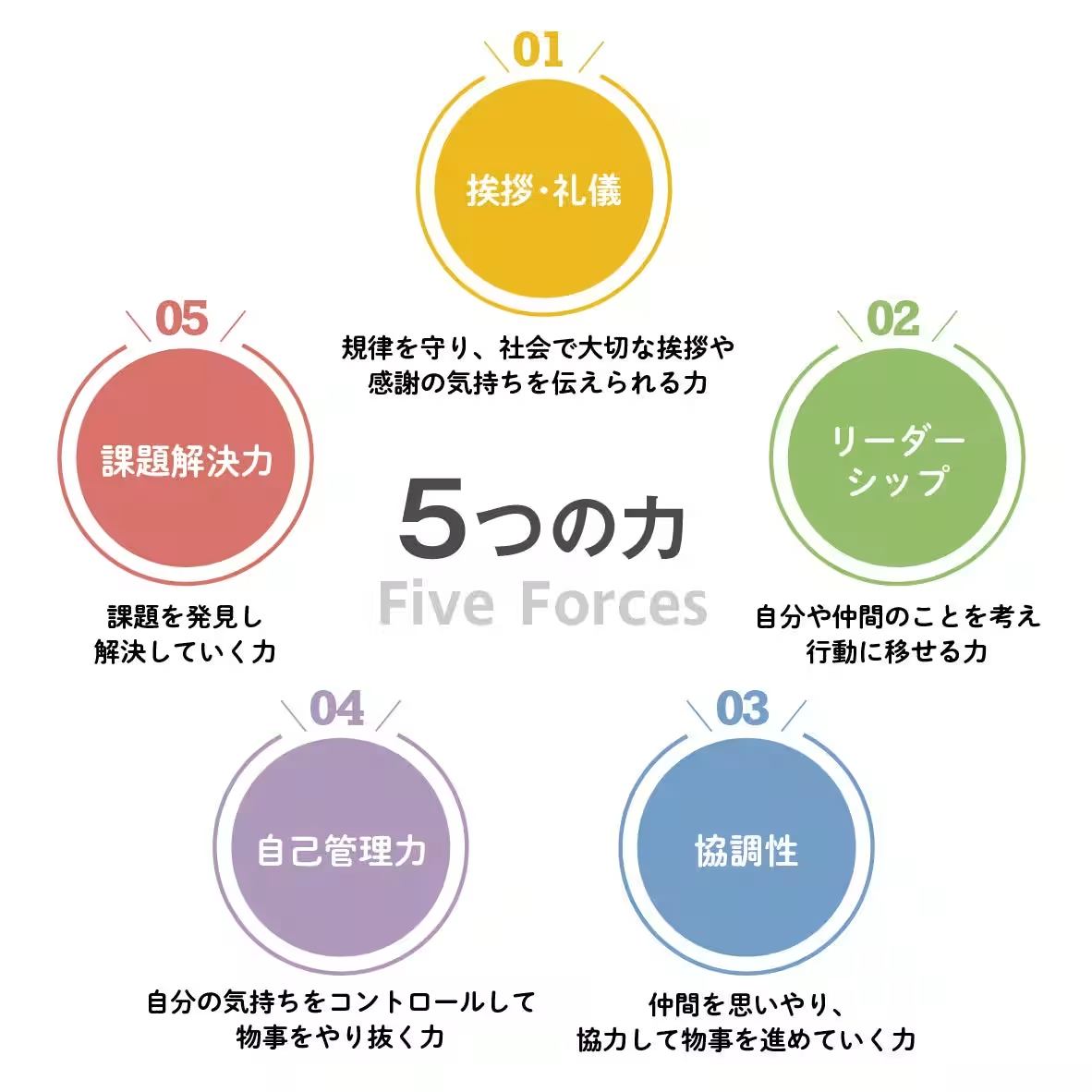
Developed by Leaflath, the MIRABO system leverages the insights and expertise accumulated through its sports educational programs, partnering with sports psychology specialists to create a tool that quantifies these elusive non-cognitive skills. While over 200 different non-cognitive abilities exist, the system focuses on five key capabilities:
1. Greeting and Courtesy
2. Leadership
3. Teamwork
4. Self-Management
5. Problem-Solving
By utilizing MIRABO, educators and students can quantify their progress in these areas, aiding in setting goals and refining instructional strategies. Initially offered to members of Leaflath's sports schools, demand from educational institutions and researchers has surged, and the system has been successfully implemented in various schools across Japan.
Takamine Elementary's Innovative Approach
At Takamine Elementary, students from upper and middle grades will engage in learning activities specifically designed to enhance non-cognitive skills through the utilization of ICT tools. This involves inquiry processes structured around setting challenges, collecting information, organizing and analyzing it, and summarizing and presenting findings. Each student has the opportunity to tackle individual challenges, fostering essential non-cognitive skills like initiative, cooperation, and perseverance.
As students engage with the MIRABO system, they will be able to monitor their growth in non-cognitive abilities, enriching their educational experience and instilling a sense of accomplishment in their personal development.
Insights from Takamine Elementary Staff
Principal Masakazu Matsukubo expressed enthusiasm for the project, emphasizing the importance of enhancing non-cognitive capabilities as a pathway to improving overall student performance. The integration of MIRABO will enable clearer visualization of student progress, making it easier to implement targeted support strategies.
Similarly, Research Head Yota Gujima highlighted how the MIRABO system facilitates a modern approach to learning, equipping students with the skills necessary to navigate an unpredictable future effectively. He noted that fostering these skills is one of the paramount challenges in contemporary education and reflects a desirable educational culture where students take initiative in their learning journeys.
Training and Implementation
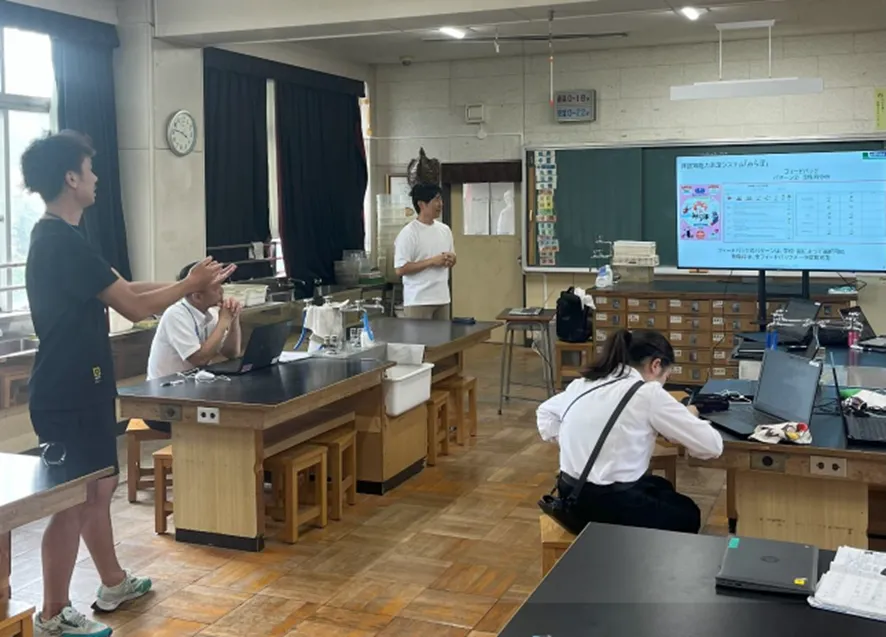
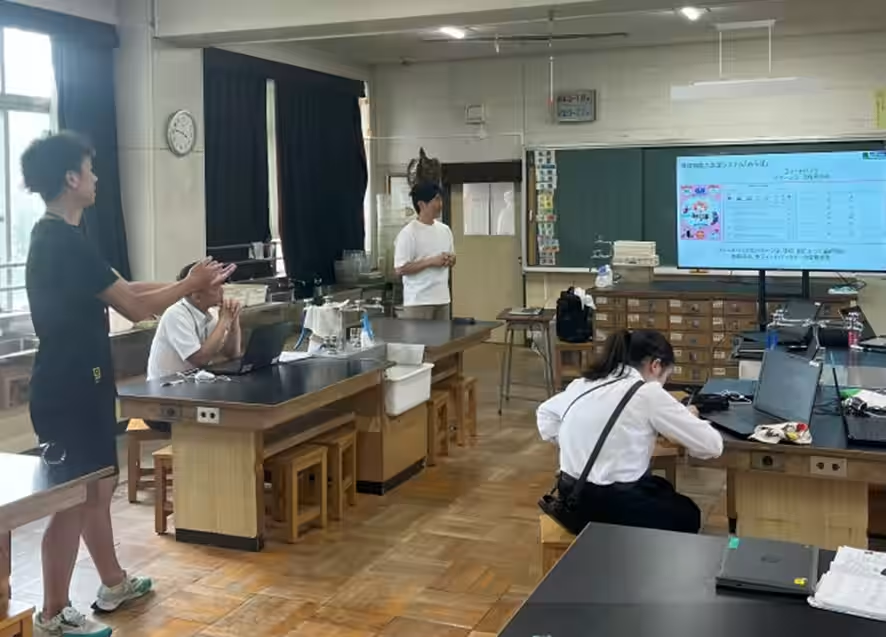
Before rolling out MIRABO, Leaflath's Yuudai Ichikawa conducted a workshop at Takamine Elementary, training educators on utilizing the system effectively. Through this tool, children will be able to recognize and articulate their strengths, enhancing teachers' understanding of their students in the process.
The first round of non-cognitive measurements using MIRABO is scheduled for July, marking the beginning of a structured evaluation of these skills.
Future Prospects
The project at Takamine Elementary will continue until February of the following year, with two more assessments planned in December and February using the MIRABO system. Results from the study are expected to be published in March, contributing to ongoing dialogues around non-cognitive development in educational settings.
As Leaflath continues to support Takamine Elementary, the aim is to create a robust educational framework that nurtures the development of students' non-cognitive abilities, preparing them to meet future challenges with confidence and resilience.
Topics Other)
【About Using Articles】
You can freely use the title and article content by linking to the page where the article is posted.
※ Images cannot be used.
【About Links】
Links are free to use.