



Understanding Shopping Cart Behavior: Insights from EC User Surveys Revealed
Introduction
In today's digital shopping landscape, understanding consumer behavior is crucial for e-commerce platforms. Recently, Repro Inc. conducted an extensive survey among 1,200 e-commerce users in Japan to explore their shopping habits and cart usage. This article synthesizes the survey's findings, shedding light on how users interact with their shopping carts and what motivates their purchasing decisions.
Key Findings
1. Cart as a Temporary Storage
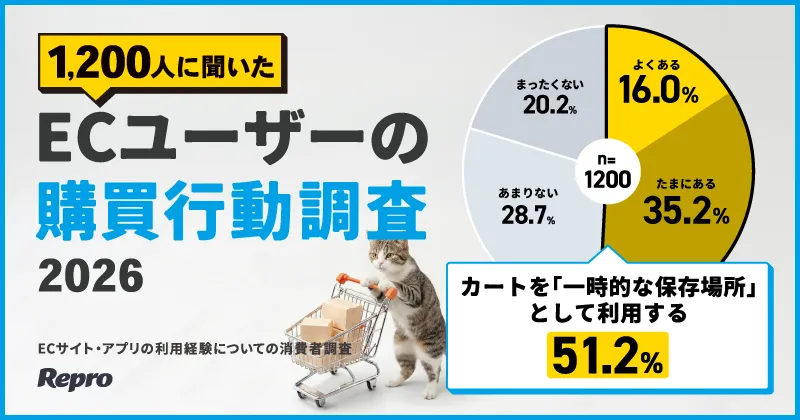
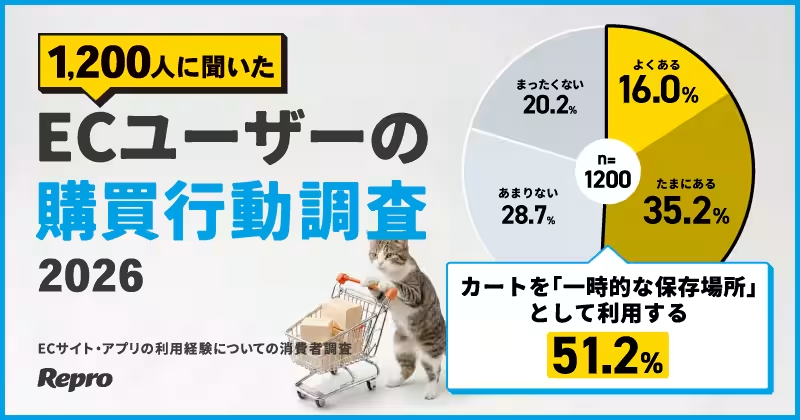
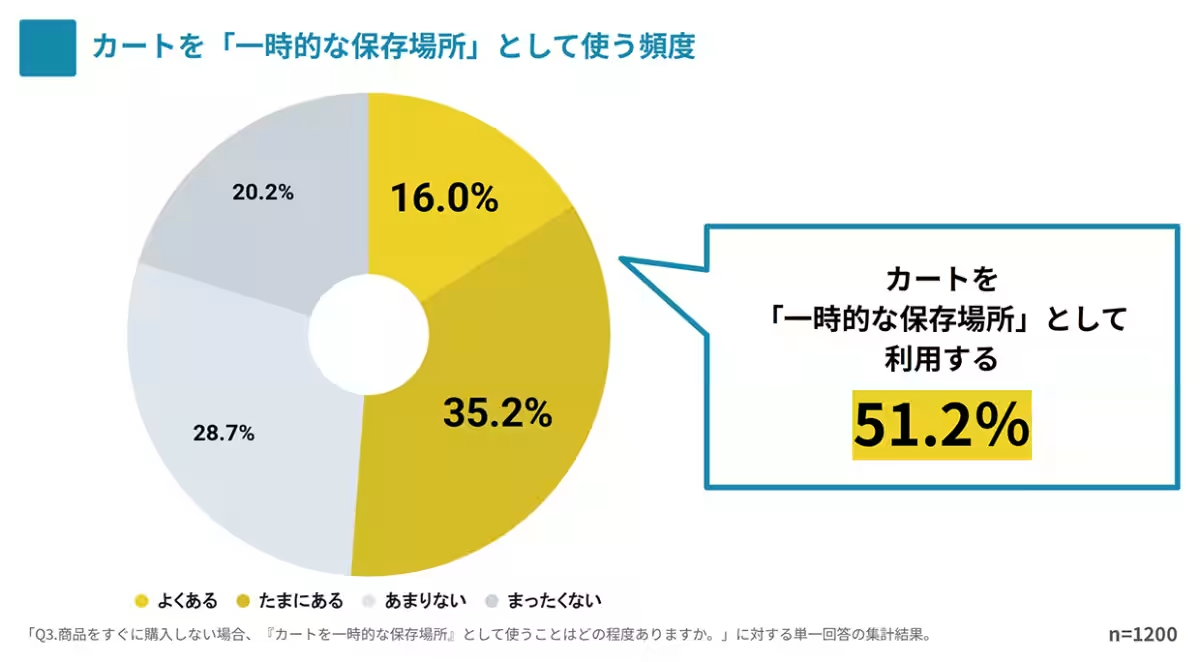
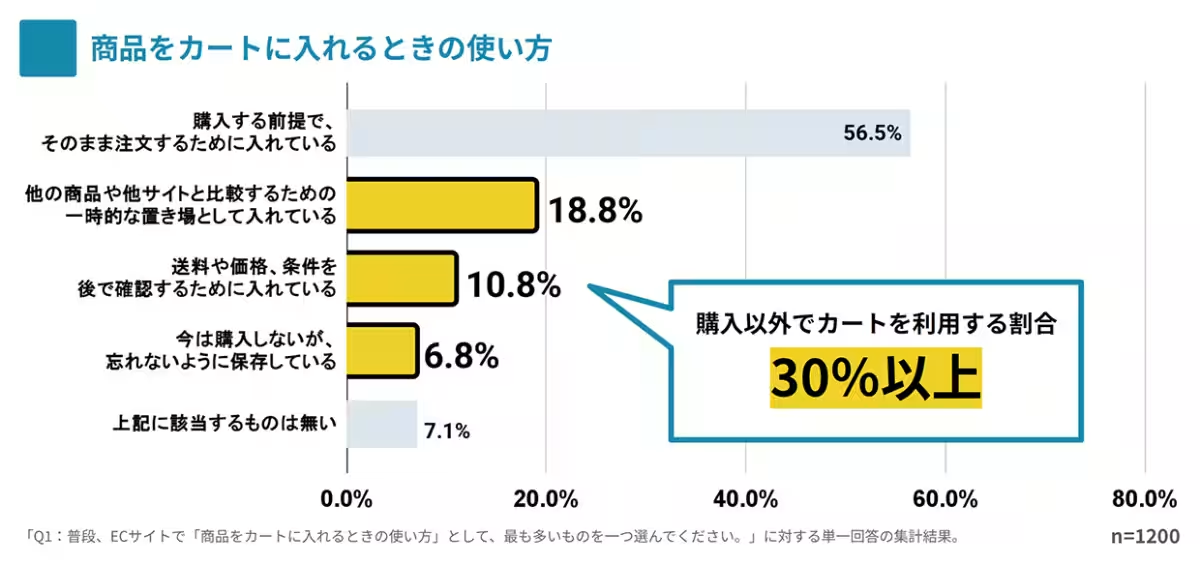
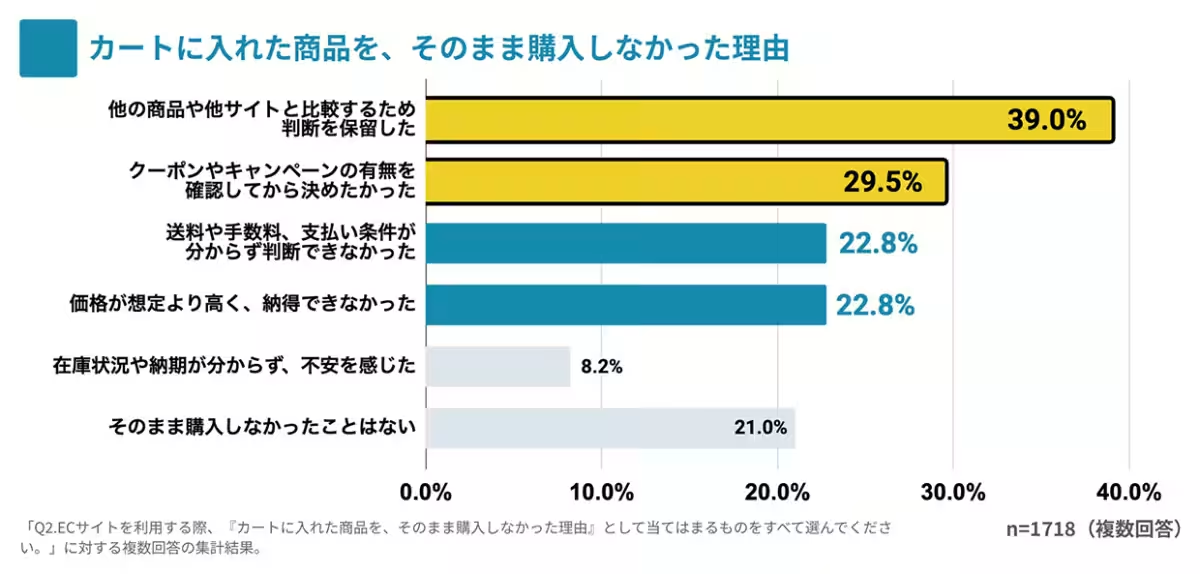
An interesting outcome from the survey was that a significant 51.2% of e-commerce users consider their shopping cart as a "temporary storage space." This behavior indicates that many users do not intend to buy immediately but rather use the cart to hold items while they make comparisons or check other conditions. For example, when asked why they place items in their cart but do not complete the purchase, 39% reported that they were still comparing products from different sites.
This suggests that carts function not merely as a final step prior to purchase, but they are also integral to users’ decision-making processes. Users are actively involved in evaluating products and their various attributes while deciding on a purchase.
2. Multi-Channel Usage
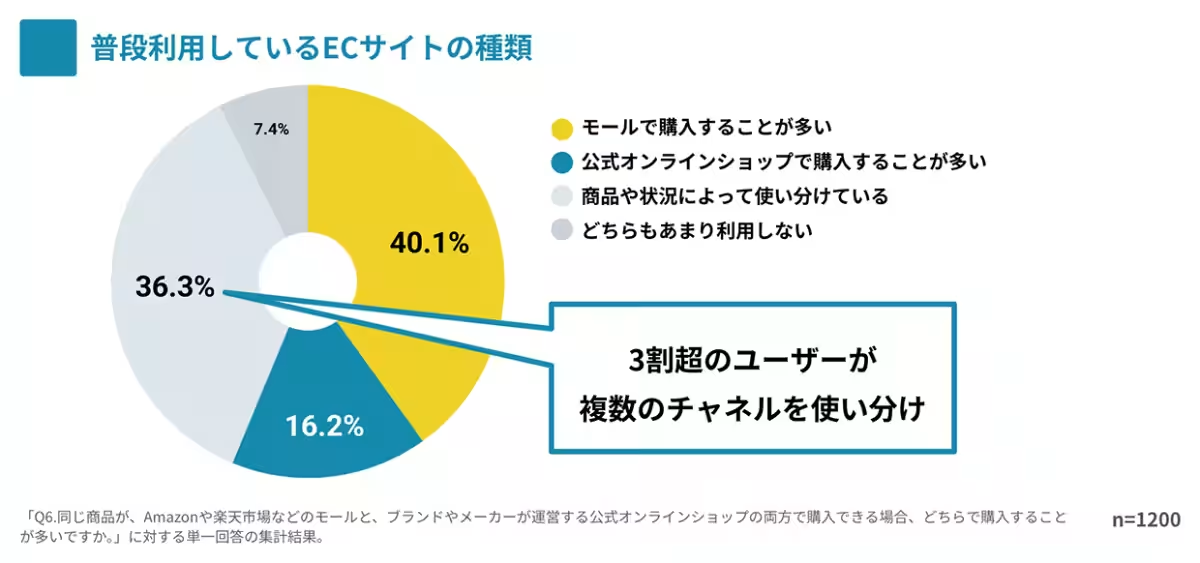
The survey revealed that 36.3% of users alternate between online malls and official e-commerce sites when purchasing the same product. While 40.1% mainly purchase from marketplaces, the mix of usage suggests that users are not viewing these platforms as strictly competitive options, but rather as complementary resources to fulfill different shopping needs.
This highlights the importance for brands to create strong presences on multiple channels, as consumers are likely to leverage the strengths of both marketplaces and company-owned sites based on their individual requirements.
3. Expectations for Online-Only Products
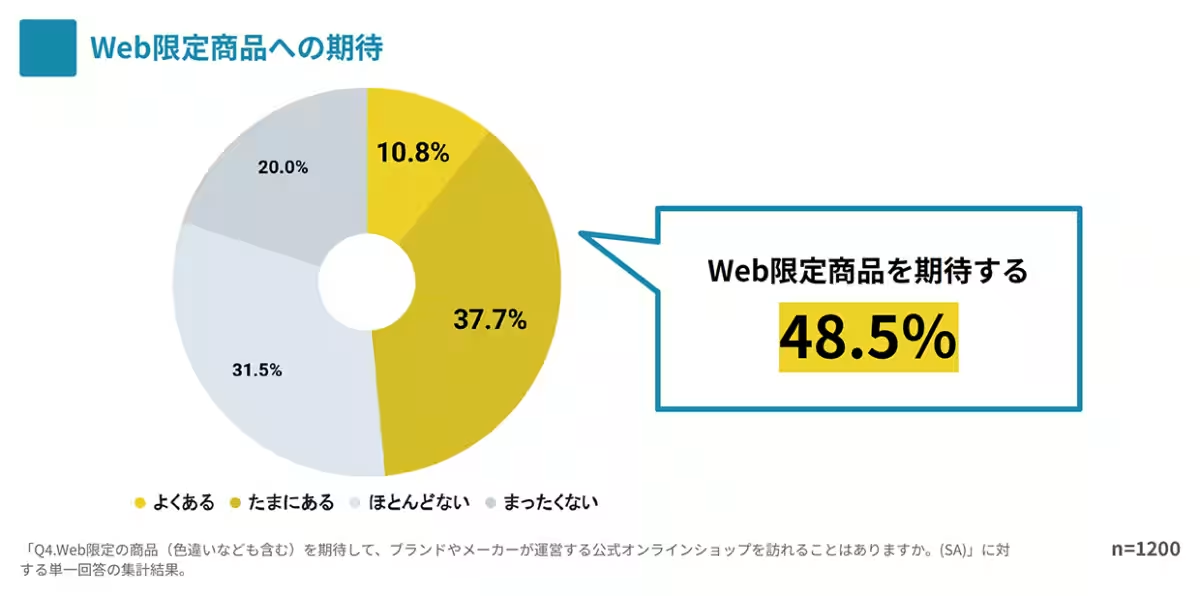
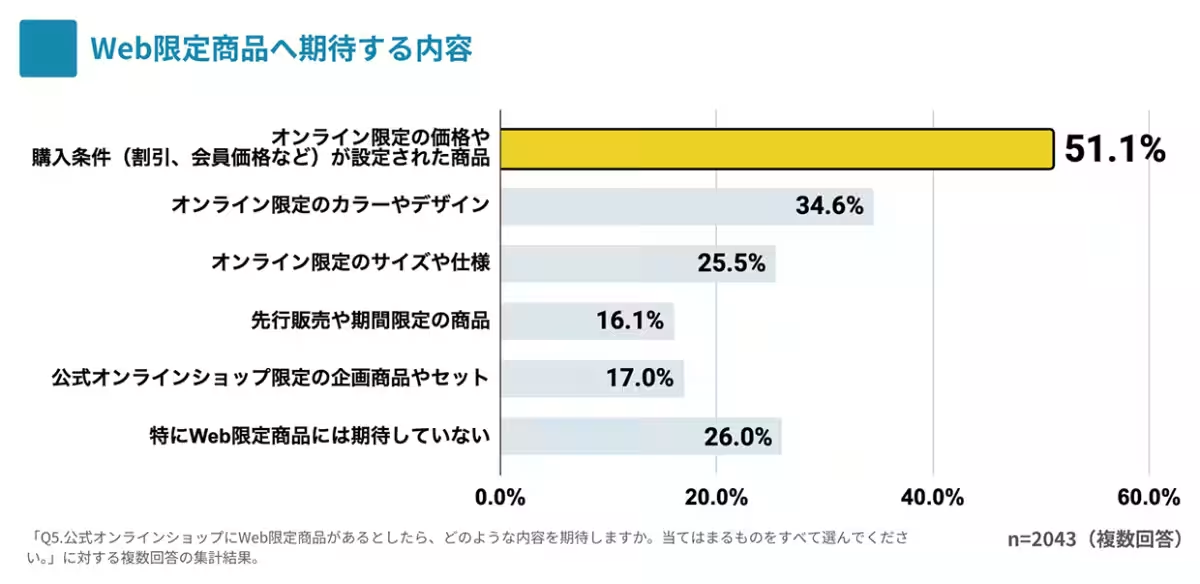
When it comes to online-exclusive products, approximately 48.5% of users expressed varying levels of expectation. They are particularly drawn to online-exclusive pricing and conditions, which resonated with 51.1% of respondents. However, the data also showed that 51.5% of users have no expectations for such items, indicating a divide in consumer interests.
This signifies the necessity for companies to examine how they promote exclusive offerings and ensure they resonate with target audiences, leveraging pricing strategies to attract more users.
4. Perceptions Regarding Membership Registration
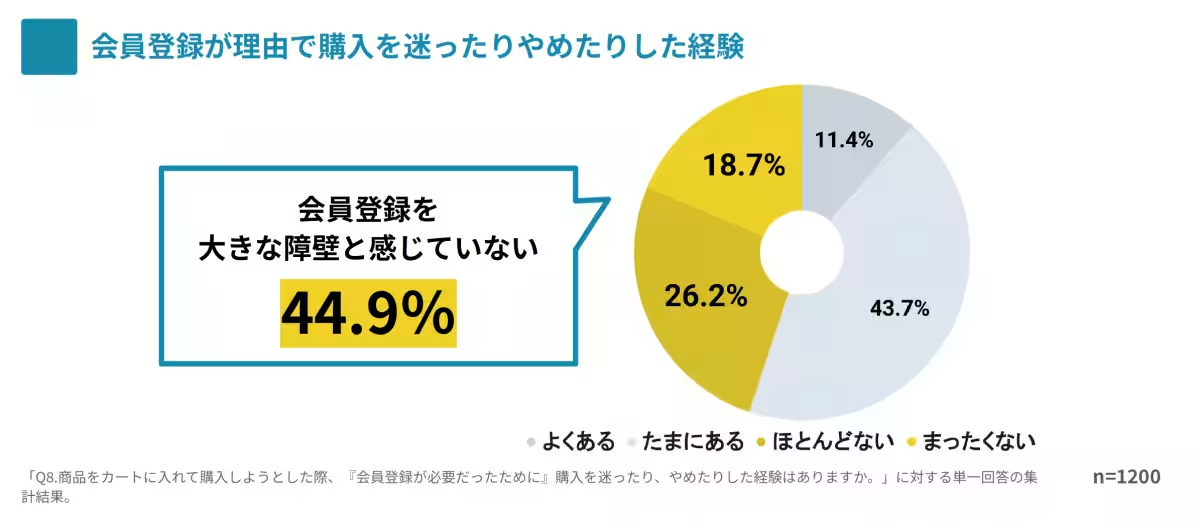
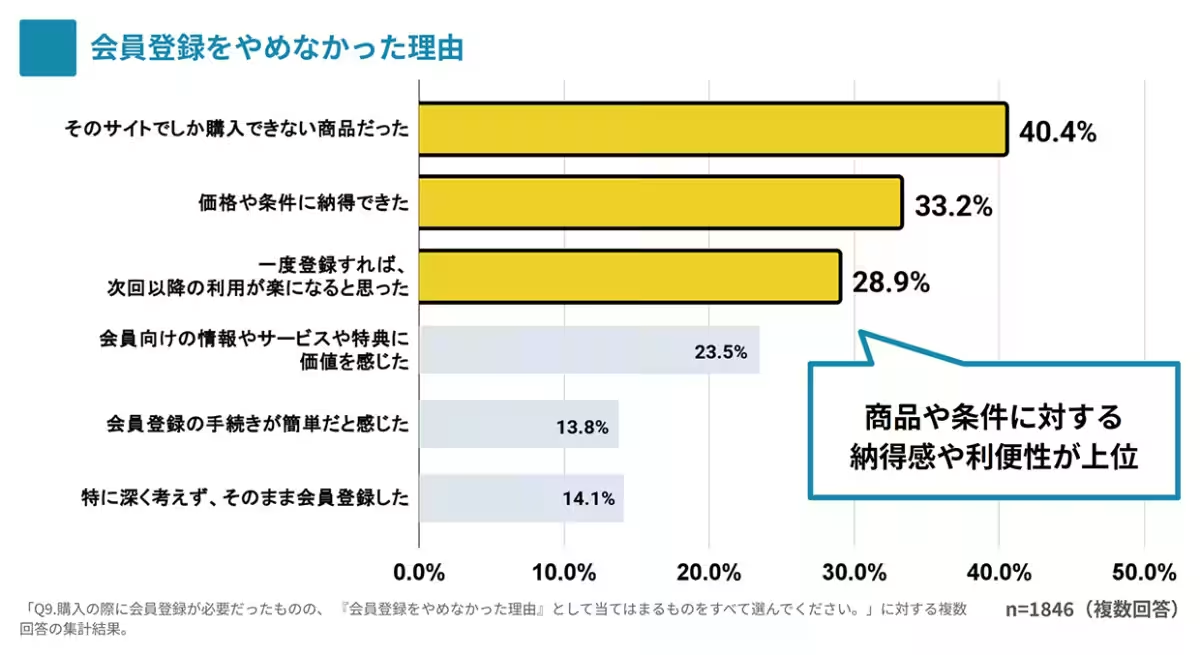
The survey also highlighted that 44.9% of users do not view registration as a significant barrier to purchasing. While a majority noted that they occasionally reconsider buying due to membership requirements, many users are willing to register if it means accessing exclusive products. This insight emphasizes the importance of simplifying the registration process and demonstrating clear value propositions to encourage sign-ups without deterring potential buyers.
5. Importance of Reviews
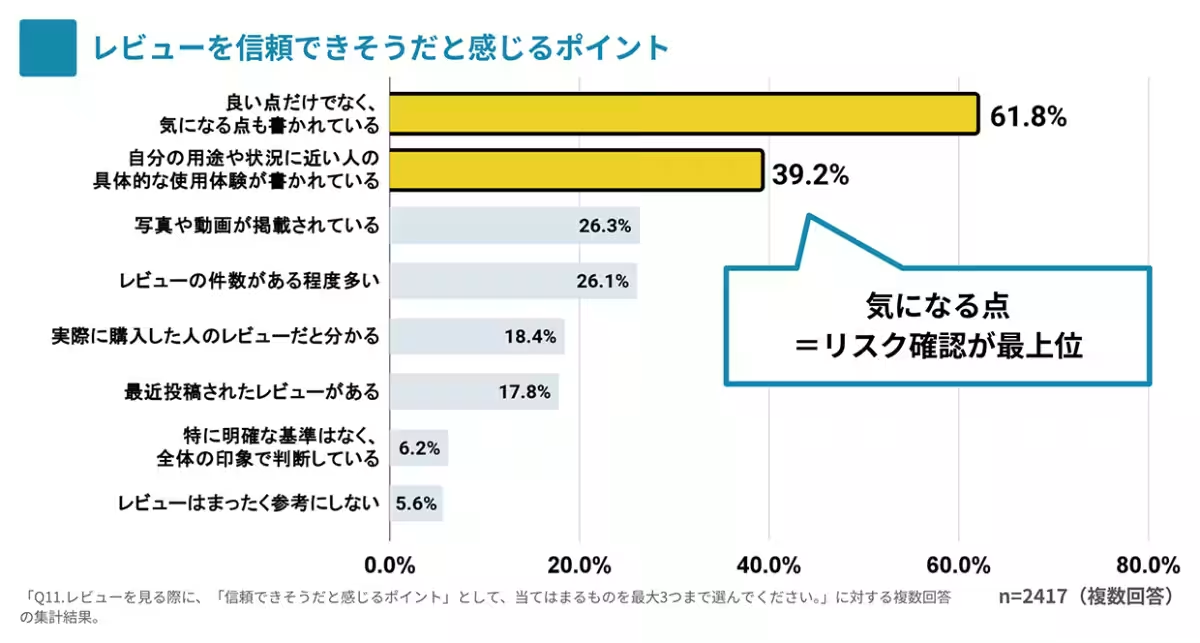
Trustworthiness in product reviews is paramount; 61.8% of users indicated that they find reviews more credible when they include both positive and negative points. This inclination suggests that consumers are increasingly cautious and value transparency in reviews when attempting to mitigate potential purchase regret. It demonstrates a shift in user behavior where the risk assessment plays a crucial role in the evaluation of products and ultimately influences the decision to purchase.
Conclusion
In summary, the findings from Repro's survey illustrate a detailed picture of e-commerce user behavior. Users are engaging in a complex evaluation process, often utilizing their shopping carts as a means of deliberation rather than a final step towards a purchase. Additionally, the survey results indicate consumers are sophisticated in how they shop online, leveraging multiple channels and requiring a significant amount of information before arriving at a decision. Businesses should take these insights into account to tailor their strategies in order to enhance user experience and meet evolving consumer expectations more effectively.
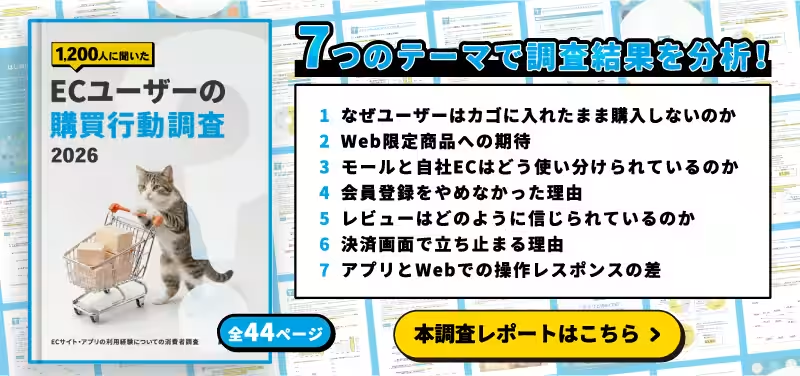
For further exploration of these insights, including an in-depth analysis of user psychology and demographic differences, the complete survey report is available for download at Repro's Analysis.
Topics Consumer Products & Retail)
【About Using Articles】
You can freely use the title and article content by linking to the page where the article is posted.
※ Images cannot be used.
【About Links】
Links are free to use.