



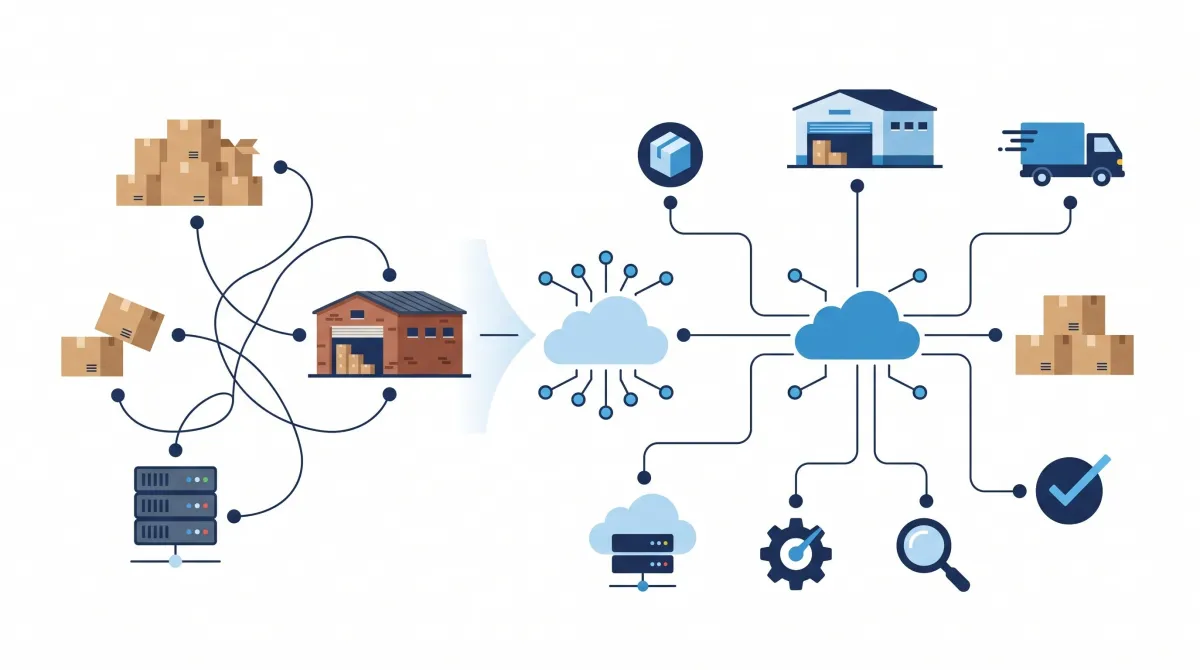
Transforming Logistics Systems: Leveraging Latecomer Advantages Through Field-First DX
Transforming Logistics Systems: Leveraging Latecomer Advantages Through Field-First DX
In September 2026, Seaos Inc., a Tokyo-based company specializing in logistics-focused digital transformation (DX) solutions, published a new white paper titled "Transforming Logistics Systems: Leveraging Latecomer Advantages Through Field-First DX." This coming-of-age document aims to guide companies facing aging core systems and localized Excel operations toward adopting strategic, efficient digital changes.
Understanding the Current Landscape
Many organizations today are caught in a cycle of outdated technology, where crucial systems are operational but poorly understood. Often, companies choose to delay updates under the assumption that if a system is still functioning, it doesn't require intervention. However, the evolving landscape — characterized by labor shortages, the rise of e-commerce, and rapid technological advancements including AI — demands more. Companies risk falling behind if they cannot adapt to new customer requirements, leading to lost opportunities and further entrenching local inefficiencies.
Key Insights from the White Paper
The white paper does not merely propose system replacements; it promotes a comprehensive approach to transforming these systems into sources of competitive advantage through digital initiatives. Here are key highlights:
1. Ignoring System Health: A Risky Gamble
The belief that "if it works, don’t touch it" can turn into a risk for organic growth. This complacency leads to a black-box scenario where operational inefficiencies quietly erode potential advances, creating opportunities for competitors to surge ahead. Organizations are encouraged to view increased reliance on Excel and manual processes not as clever workarounds but indicators of misalignment with system capabilities.
2. Avoiding Two Common Traps in System Refresh
The paper outlines two primary pitfalls that can derail system updates:
- - Carrying Forward Inefficiencies: Simply replicating current ineffective processes in a new environment can undermine productivity.
- - Over-Reliance on Standardization: Stripping away the unique, on-ground factors and reverting to more manual processes can further reduce effectiveness and hinder adaptability.
3. Practical Steps to Successful Implementation
To successfully integrate new systems, Seaos articulates four essential steps:
- - Visualization and Inventorying of Current Processes: Understanding existing workflows and their inefficiencies.
- - Integration and Standardization: Laying down a cohesive structure that aligns various operations across platforms.
- - Staged Migration: Transitioning to new systems in phases ensures continuity and eases the adaptation process for all stakeholders.
- - Implementation and Consolidation: Utilizing AI-supported assessments and prototypes to build consensus, alongside fostering a supportive infrastructure connecting management, on-ground operations, and IT systems.
Target Audience
The insights of this paper cater to:
- - Logistics and Supply Chain Management leaders contemplating a system overhaul.
- - IT and DX divisions tasked with spearheading transformation initiatives.
- - Executive leadership and project managers concerned with the feasibility of their software projects.
Particularly, it addresses those grappling with:
- - Obsolete systems, such as legacy AS400 or cumbersome manual processes.
- - Multiple sites with inconsistent operational rules seeking a pathway to standardization without sacrificing competitive edge.
- - Concerns about project failures and securing a solid foothold for new systems.
Conclusion
With over 25 years of experience in the logistics field, Seaos is committed to helping companies innovate and navigate the complexities of digital transitions. This latest white paper stands as a testament to their focus on building logistics into a strategic advantage, inviting industry players to rethink their operations and invest in the future of logistics.
For more details, visit: Seaos White Paper
About Seaos Inc.
Established in December 1997 and headquartered in Shibuya, Tokyo, Seaos specializes in logistics consulting, application software development, and robotics. They offer a holistic service range, from strategic consulting to hands-on operational support, aligning technology with organizational needs to yield significant results.
Topics Business Technology)
【About Using Articles】
You can freely use the title and article content by linking to the page where the article is posted.
※ Images cannot be used.
【About Links】
Links are free to use.