



Impact of Middle Eastern Conflicts on Japan's Inbound Tourism Industry: What Businesses Are Experiencing
Understanding the Impact of Middle Eastern Conflicts on Japan's Inbound Tourism
As tensions in the Middle East, particularly surrounding Iran, continue to escalate, concerns about the effect on inbound tourism to Japan from the Euro-American and Middle Eastern regions are rising. Reelu, a Tokyo-based company specializing in language support services, conducted a survey to assess how these ongoing conflicts are impacting the inbound demand, operational realities, and revenue of tourism-related businesses in Japan.
The survey revealed a complex picture. While approximately 70% of respondents noted that their sales remained unchanged, nearly 30% reported feeling a significant impact, primarily due to cancellations of pre-booked trips. Feedback from businesses that typically interact with the Middle East highlighted critical disruptions, such as “100% cancellations for bookings in March” and “all customers from Dubai have canceled.” These statements underscore the severity of localized challenges that may be obscured in overall averages.
Survey Overview
The survey, titled Impact of Middle Eastern Conflicts on Inbound Tourism, utilized a questionnaire aimed at businesses within the tourism and travel sector that are focused on inbound tourism. It received 22 valid responses.
Key findings from specific survey questions include:
Q1. Awareness of Middle Eastern Conflicts
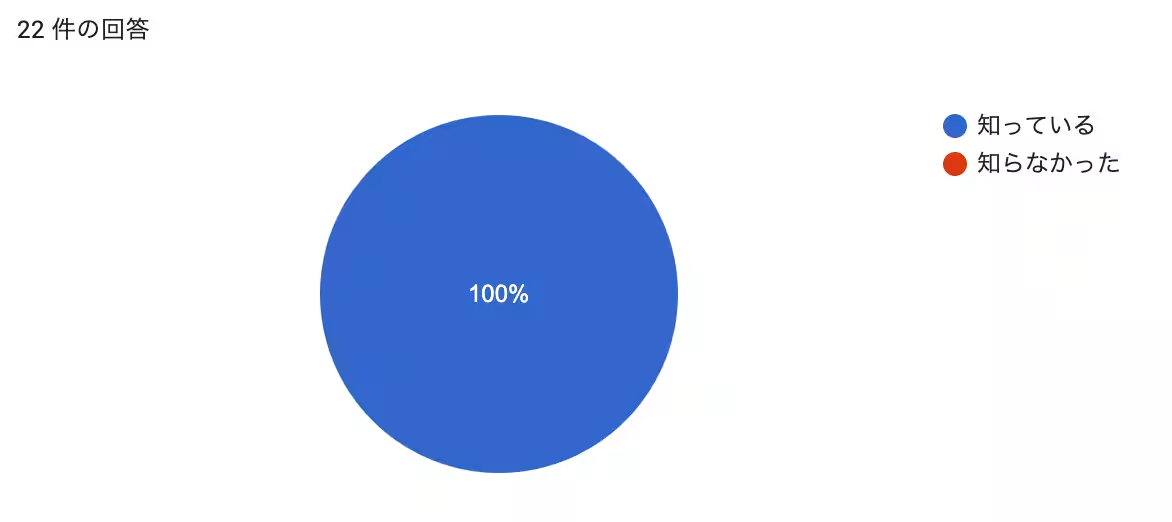
Every respondent (100%) was aware of the ongoing conflicts in the Middle East, suggesting a quick sharing of geopolitical risk information within the tourism sector.
Q2. Changes in New Travel Inquiries from Middle Eastern Clients
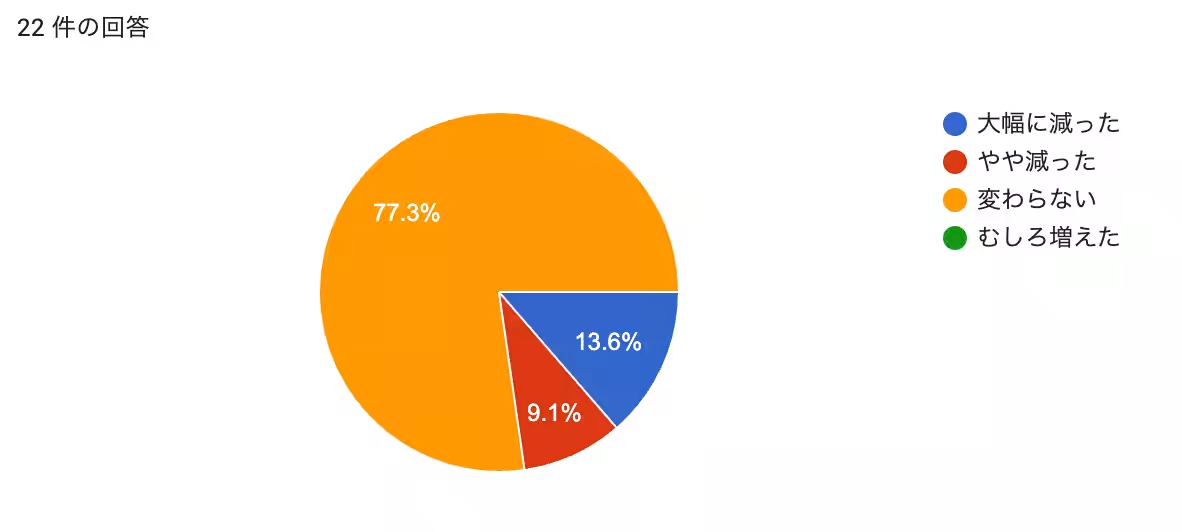
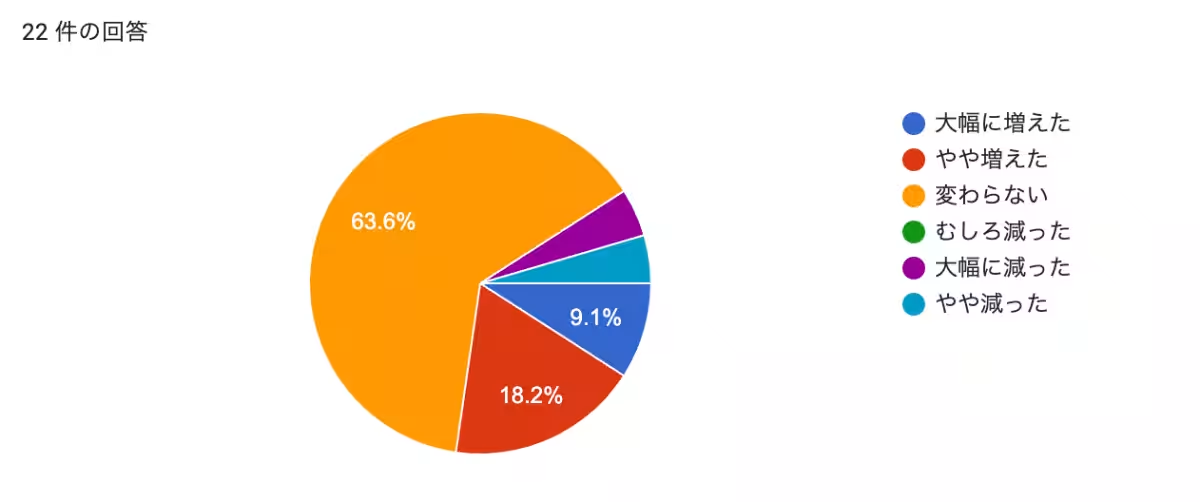
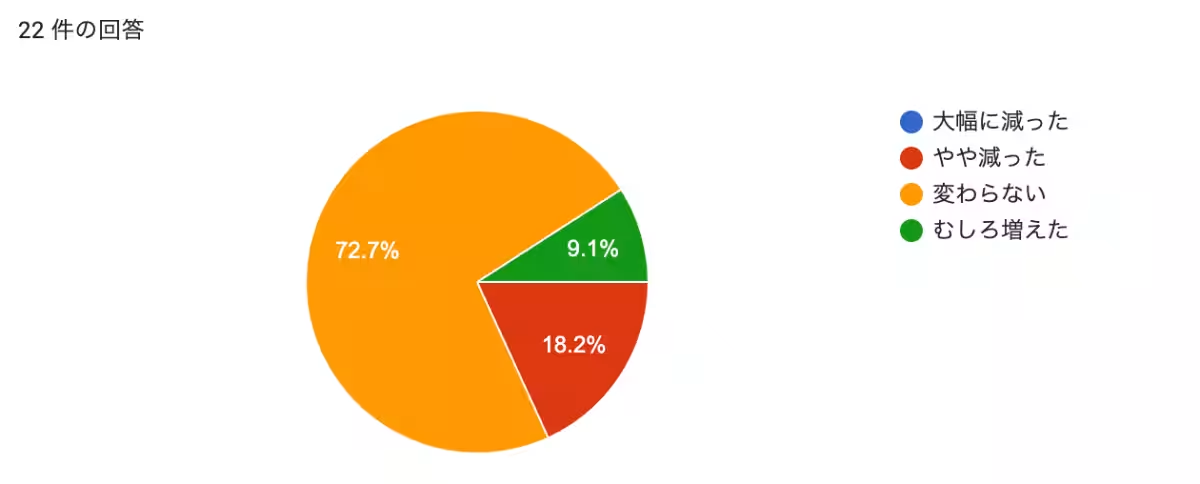
About 23% noted a decrease in new travel inquiries from Middle Eastern customers, with a significant 77.3% reporting no changes. The breakdown included 13.6% who felt inquiries had decreased markedly.
Q3. Changes in Cancellations for Booked Trips from Middle Eastern Customers
The cancellations were more apparent, with around 27% acknowledging an increase, marking a significant level of concern since this was higher than the drop in inquiries recorded above.
Q4. Severity of Cancellation Changes
Comments indicated particularly severe impacts being felt in certain months or areas, underscoring concentrated disruptions. Some businesses mentioned, “Days that were usually fully booked are now only at 60% occupancy.” However, some remarked on the minimal impact on other regions outside the Middle East.
Q5 & Q6. Impact on Non-Middle Eastern Customer Inquiries and Cancellations
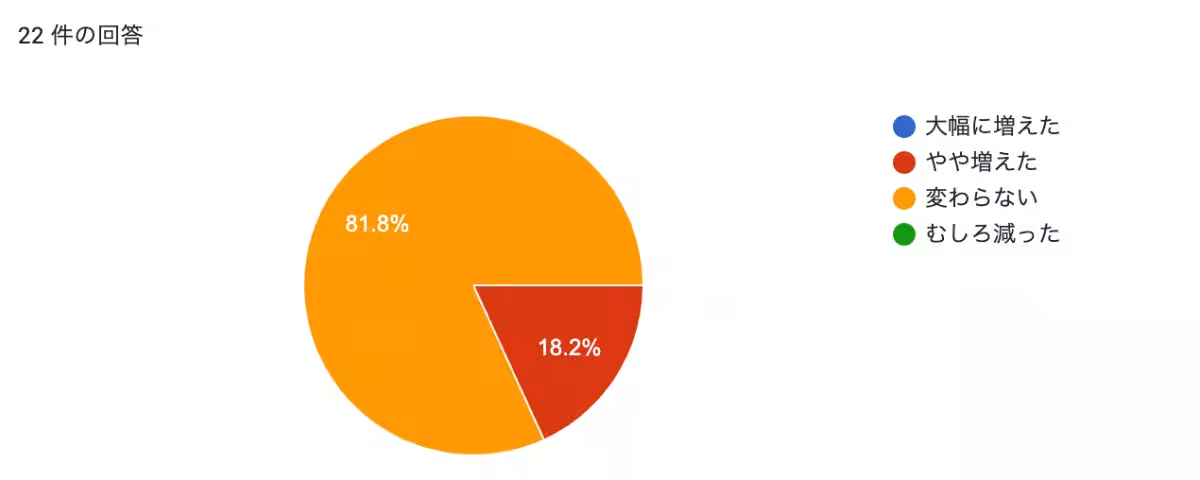
Conversely, about 80% reported that either there were no changes or that inquiries actually increased for non-Middle Eastern customers. Only about 18.2% felt that inquiries had decreased. In terms of cancellations, a vast majority (81.8%) felt there was no change.
Q7. Overall Impact on Sales
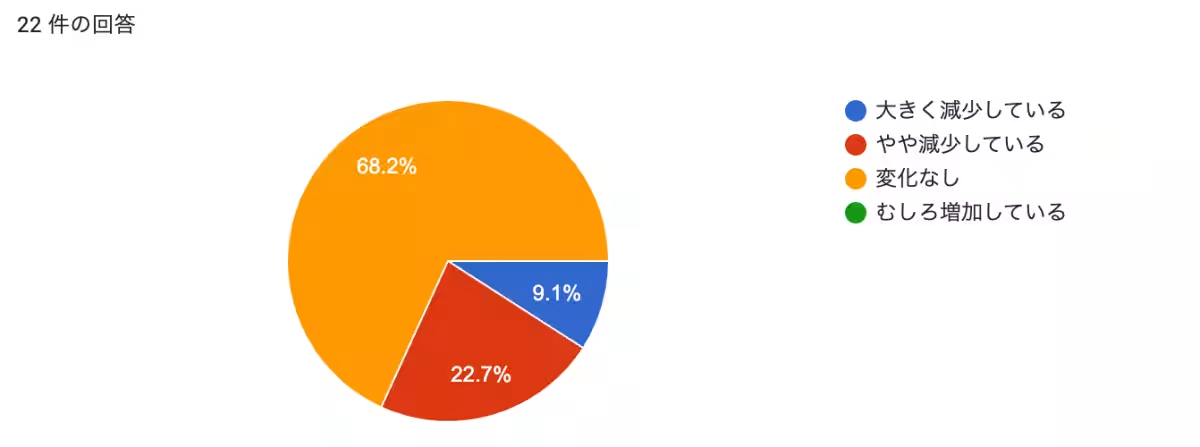
Approximately 32% of respondents experienced some sales decrease, with 68.2% feeling their revenue remained stable.
Q8. Specific Sales Impact Comments
Responses varied widely, revealing a stark contrast between businesses experiencing impacts and those that weren’t affected.
Q9. Inquiries from Middle Eastern Clients
Most inquiries from Middle Eastern customers were about cancellation fees, with 31.8% of responses focused on understanding the financial implications of canceling planned trips.
Q10. Future Predictions for Travel from the Middle East
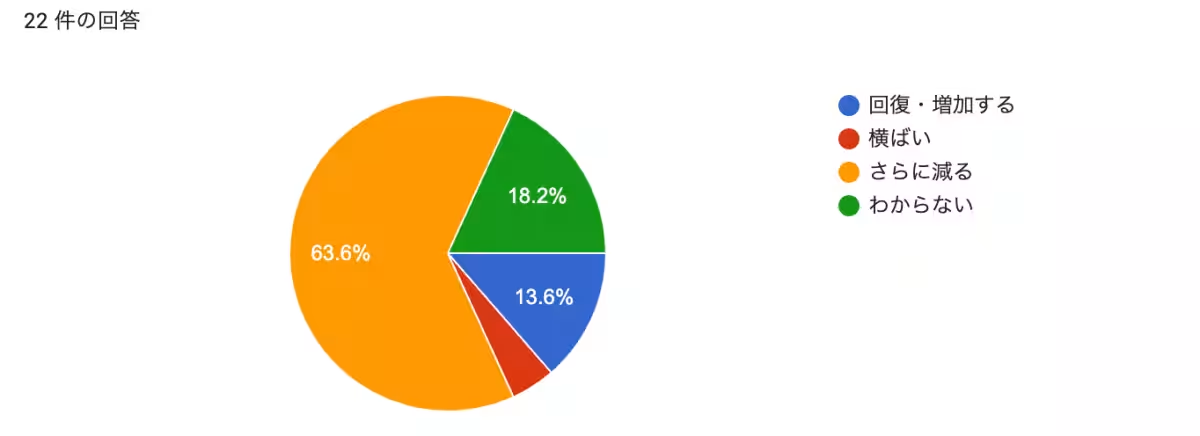
Looking ahead, about 64% of respondents anticipate further decline in travel demand from the Middle East within the next six months, while only 13.6% expect recovery.
Conclusion
The survey illustrates that while the immediate quantitative impact of Middle Eastern conflicts on Japan’s tourism industry may appear limited, specific areas and businesses are feeling pronounced effects. Companies mainly reliant on clientele from the Middle East are experiencing significant booking cancellations. Moreover, the expectations for recovery remain low, emphasizing the need for businesses to reassess their dependency on specific markets and diversify their client base rapidly. Building flexible operational strategies to accommodate potential demand shifts has become an essential priority for sustaining the tourism health amid geopolitical uncertainties.
About Reelu
Reelu specializes in matching multilingual personnel to meet the demands of businesses engaged in inbound tourism and international operations. They provide match-making for language support as quickly as the same day across many languages, including English, Chinese, Korean, Spanish, French, and Japanese.
For inquiries, especially regarding personnel shortages in inbound tourism or international business, please contact us through our contact form (sales inquiries are not welcome).
Company Overview
Name: Reelu Co., Ltd.
CEO: Tamayo Konno
Headquarters: Aoyama Tower Place 8F, 8-4-14 Akasaka, Minato-ku, Tokyo, Japan
Founded: April 2022
Capital: 38,497,600 yen (including capital reserves)
Website: reelu.jp

Topics Travel)
【About Using Articles】
You can freely use the title and article content by linking to the page where the article is posted.
※ Images cannot be used.
【About Links】
Links are free to use.