



Impact of Middle Eastern Turmoil on Manufacturing Sector: A Study Reveals Serious Risks
Overview of the Impact of Middle Eastern Turmoil on Small Manufacturers
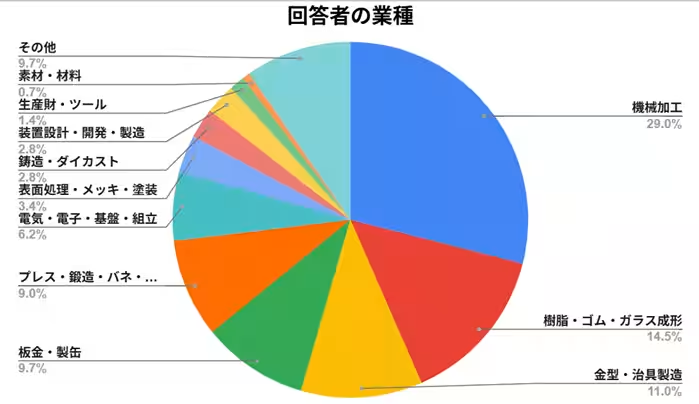
The ongoing tensions in the Middle East have profoundly affected various sectors, particularly manufacturing. A recent survey conducted by NC Network, the operator of the manufacturing business matching platform Emidas, revealed alarming insights about the sentiment and challenges faced by small manufacturing enterprises in Japan. The survey, conducted between April 7 and April 17, 2026, gathered responses from approximately 150 member companies, primarily small and medium-sized enterprises (SMEs).
Key Findings from the Survey
High Percentage of Impacted Businesses
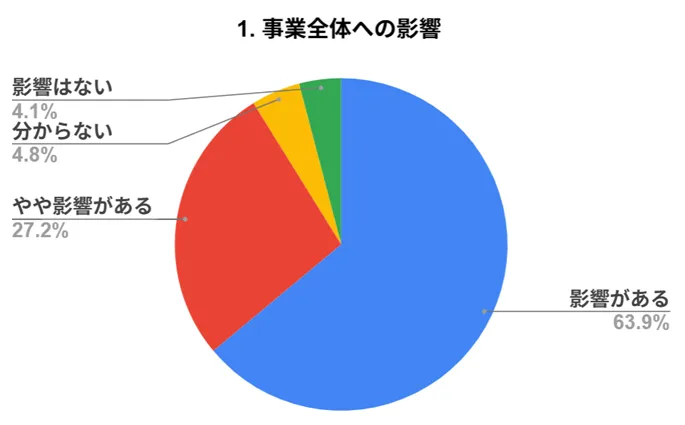
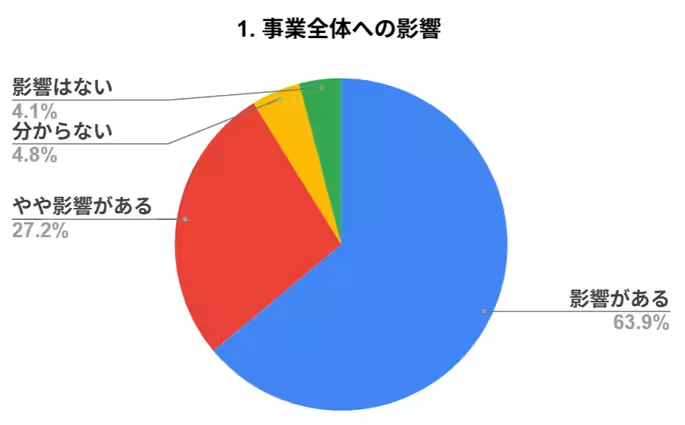
The findings indicate that a staggering 91.1% of responding enterprises acknowledge some level of impact due to the situation in the Middle East. This statistic underscores the widespread awareness and concern among manufacturers regarding geopolitical events that could influence their operations and overall business landscape.
Rising Costs: A Critical Burden
Among the various challenges highlighted, the surge in electricity, fuel, and raw material costs has emerged as the most significant concern. Over 80% of the surveyed companies reported experiencing some degree of impact from these increasing costs. The rising prices of aluminum, plastics, and steel (including stainless and brass) have raised alarms. Besides, many companies noted that ancillary materials, such as cutting oils, rubber products, and packaging materials, are also seeing price hikes. One concerning trend is that while unit prices are reaching historic highs, many businesses are struggling to pass these costs onto their clients, thereby squeezing their profit margins.
Supply Chain Disruptions: A New Normal
The survey also revealed that 61.6% of companies reported difficulties in sourcing raw materials, particularly plastics and solvents. Many respondents described delays in deliveries and the imposition of purchase limits by suppliers. Specific instances included manufacturers reporting that they could only procure the same quantity as in the previous year, showcasing the tightening grip on the supply chain. Furthermore, shortages of rare earth materials, such as tungsten, have impacted the production of essential components like machine parts, molds, and semiconductor-related items.
Orders Exist, But Production Falls Short
Interestingly, while almost 47% of companies noted an impact on order volumes, a significant 80.7% reported that their revenue has been adversely affected. There have been multiple accounts in the automotive and semiconductor sectors where companies are receiving orders but are unable to fulfill them due to material shortages and delays in parts delivery. Conversely, some companies in the plastic manufacturing sector have witnessed temporary increases in production due to last-minute orders before anticipated price hikes.
Survey Methodology
The survey was conducted by NC Network during the timeframe of April 7 to April 17, 2026, and was aimed specifically at member companies within the Emidas platform. The study aimed to understand the ramifications of geopolitical tensions on local manufacturing sectors, revealing how deeply intertwined global and local economies can be.
Future Directions for NC Network
In response to these findings, NC Network aims to continually support small manufacturers by actively gathering and disseminating vital information that reflects societal trends and market conditions. Starting in April 2024, Emidas aims to launch an online magazine, focusing on innovation and solutions within the manufacturing industry. Topics will center around addressing industry challenges and fostering development, with an eye on solutions that align with social issues. Through these initiatives, NC Network aspires to drive the revitalization of the manufacturing sector in Japan.
For further information about NC Network or to explore the Emidas platform, visit NC Network's official website.
Topics Business Technology)
【About Using Articles】
You can freely use the title and article content by linking to the page where the article is posted.
※ Images cannot be used.
【About Links】
Links are free to use.