



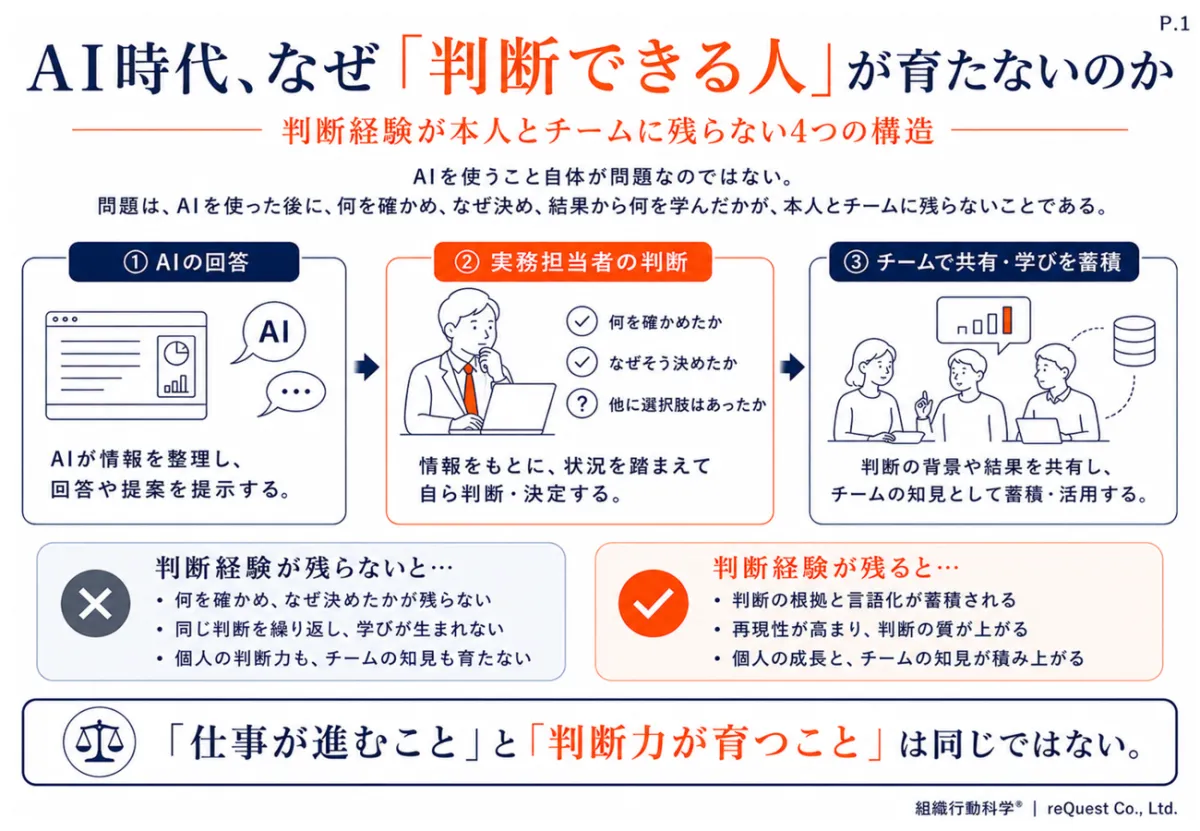
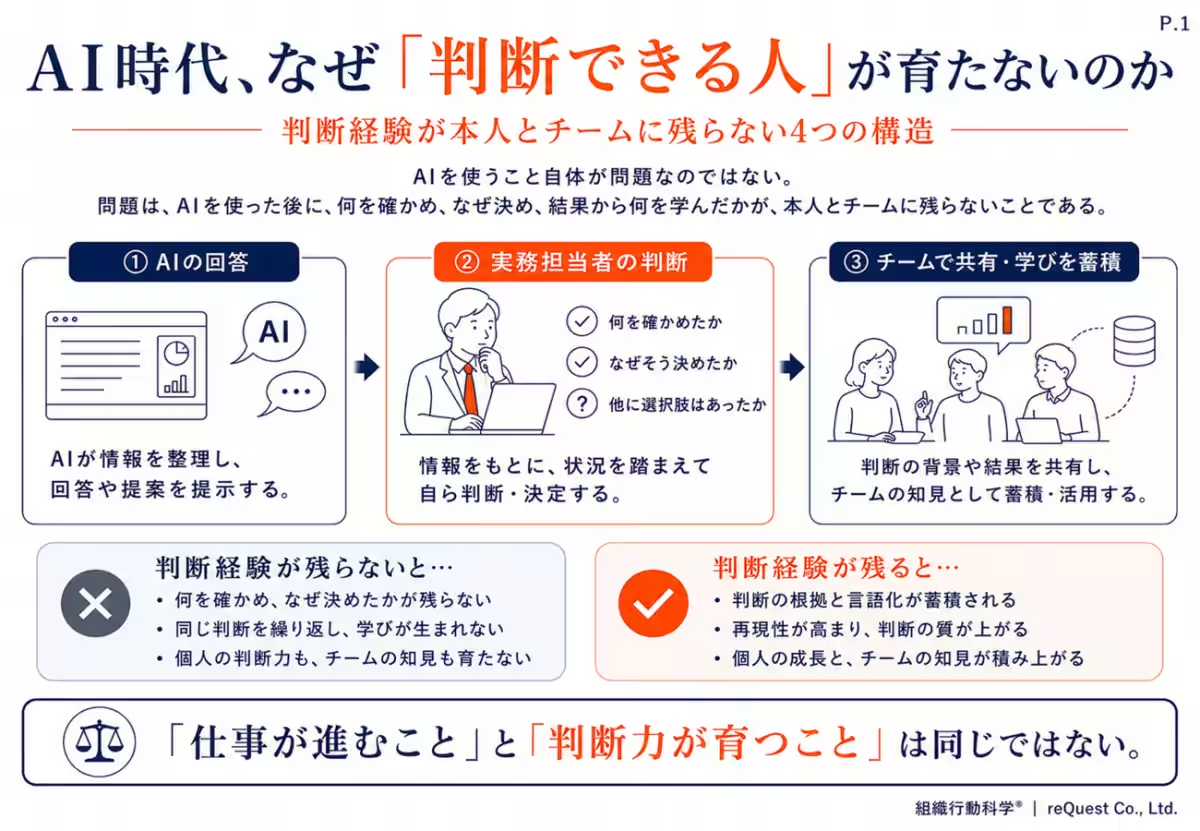
Understanding Why We Struggle to Nurture Decision-Makers in the AI Era
The Dilemma of Developing Decision-Makers in the AI Era
In recent years, the rise of artificial intelligence (AI) has transformed workplaces, offering tools that enhance information organization, analysis, and decision-making. However, as many companies rush to integrate AI into their operations, a troubling trend has emerged: the apparent inability to cultivate strong decision-making skills among employees. A study conducted by Request, Inc., grounded in data from over 980 companies and 338,000 workers, sheds light on this issue. Their findings reveal four critical structures that hinder the retention of decision-making experiences in this age of AI.
The Role of AI in Work Processes
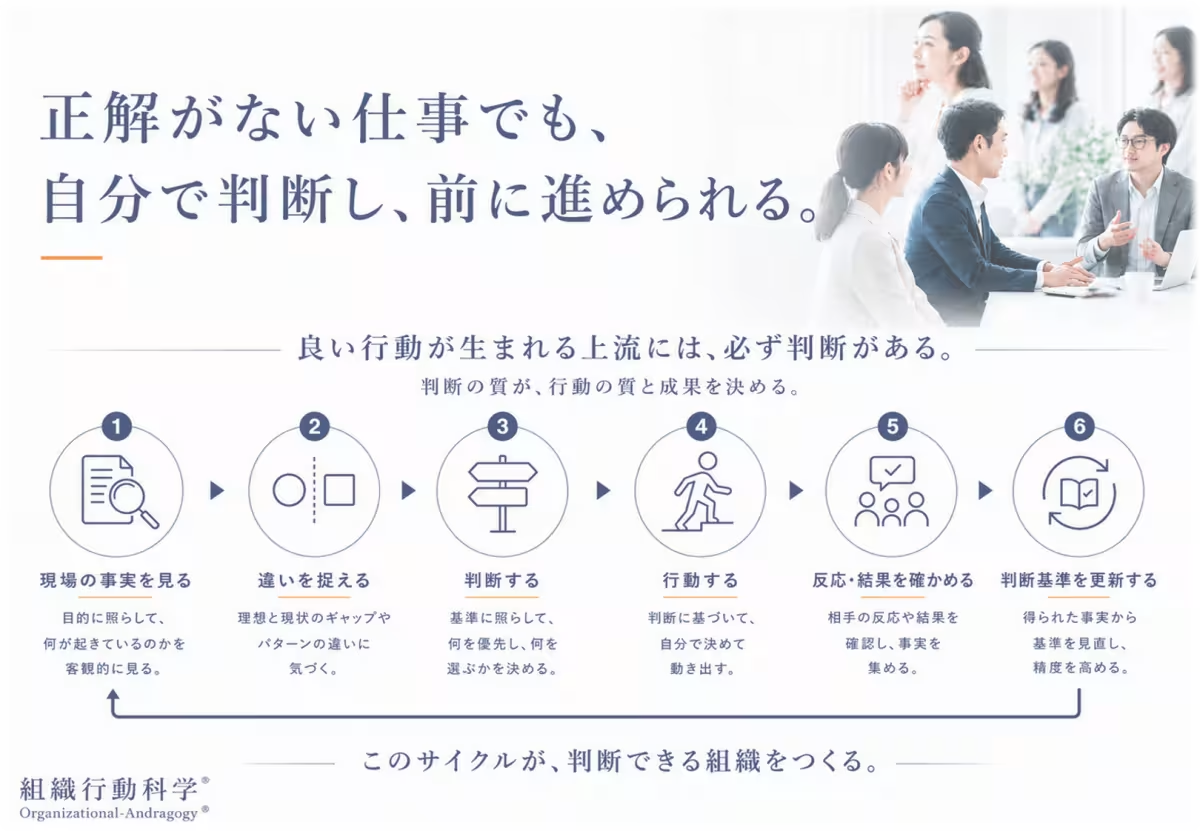
AI technology offers significant support in streamlining tasks such as data analysis, generating options, and even proposing solutions. However, it raises a vital question: does merely completing tasks with AI input equate to meaningful decision-making experience? If employees do not actively engage in the process of verifying facts, comparing conditions, selecting options, and learning from results, they are likely to lose valuable decision-making experience that can benefit both themselves and their teams.
Challenges in Judgment Experience Retention
One significant aspect of this study is its focus on understanding why judgment experiences often fail to be retained. Instead of framing the problem as one of AI utilization, the researchers emphasize how reliance on AI and managerial opinions can disrupt the accumulation of judgment experience within individuals and organizations.
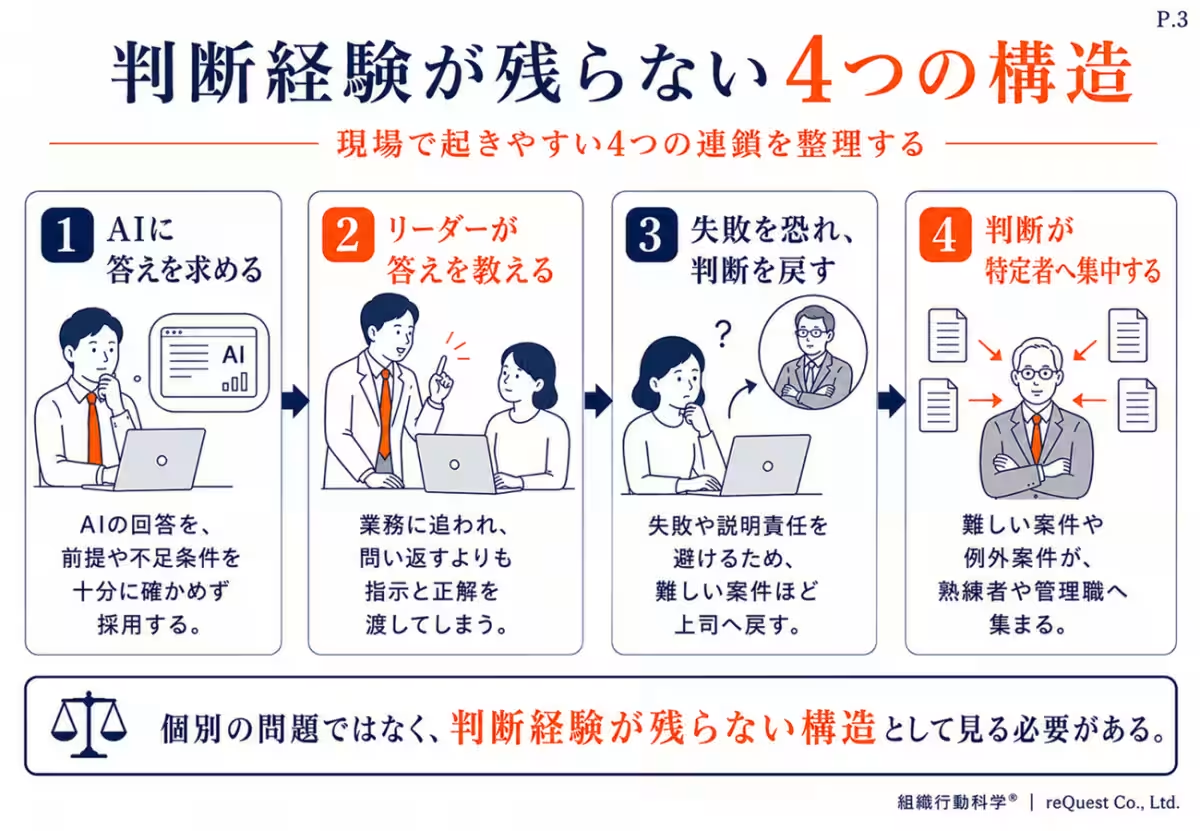
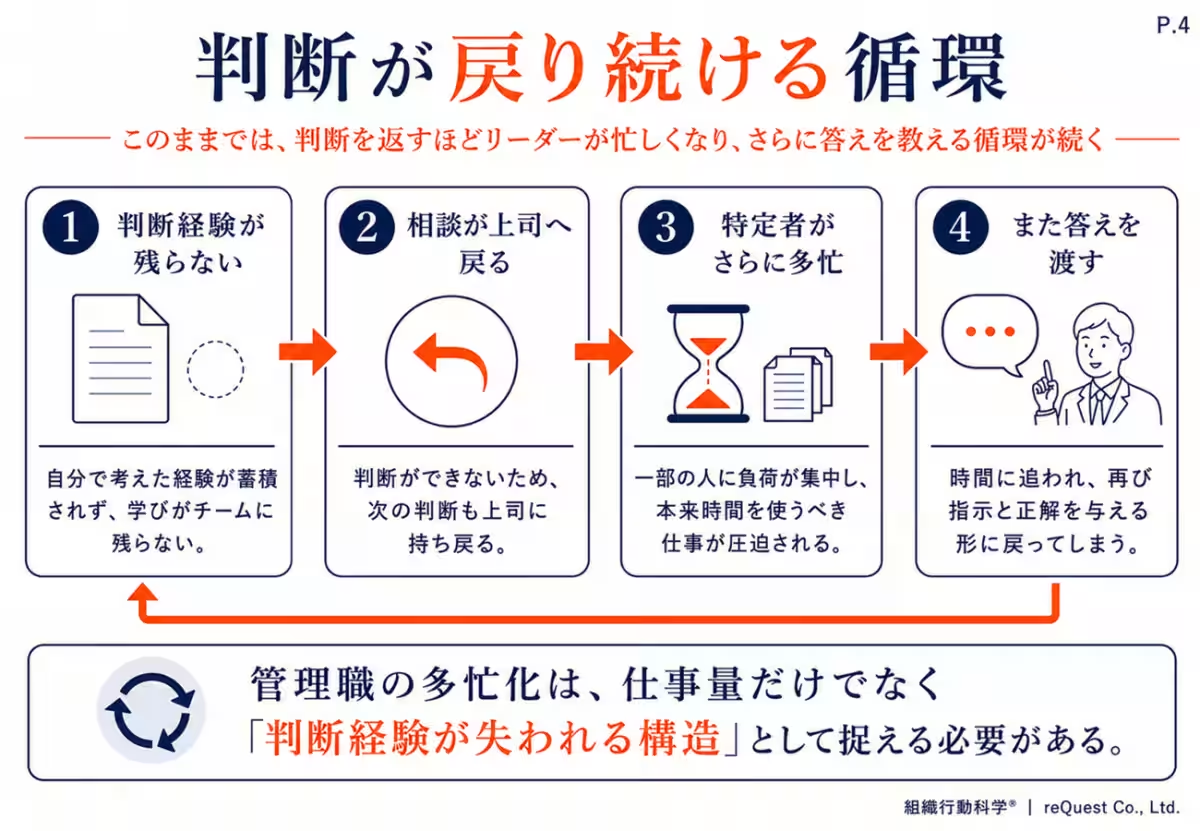
The study illustrates that when judgment experiences are neglected, it results in a cycle of managerial dependency. Specifically, employees return to their supervisors for answers, leading to an influx of decisions concentrated in the hands of a few managers while office productivity faces challenges.
The Necessity of Individual Judgment
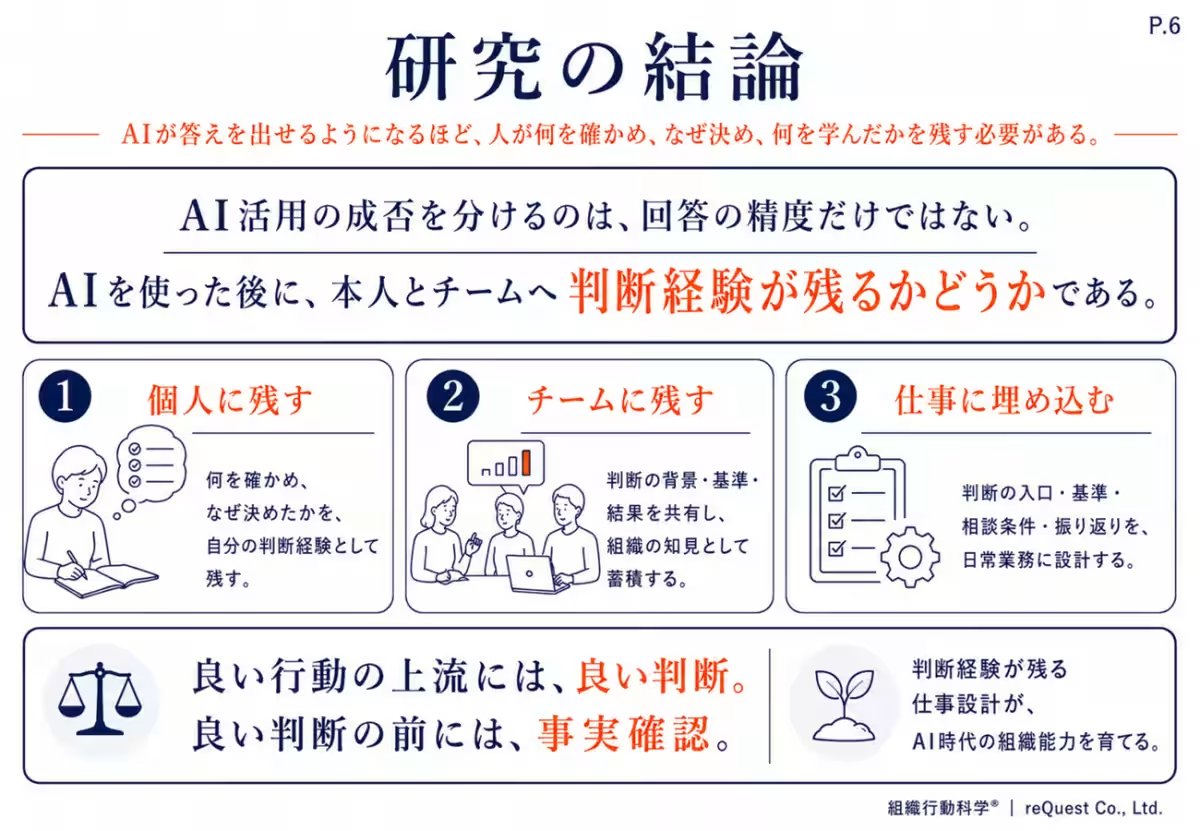
The goal here is clear: merely completing tasks does not equate to nurturing capable decision-makers. Getting answers from AI and making independent judgments are not identical processes. For responses to transform into personal judgment experiences, individuals must engage in active analysis post-receipt, evaluate alternatives based on real-time conditions, and ultimately make informed decisions. Furthermore, sharing the rationale and outcomes of these decisions with their teams is crucial for converting personal experiences into reusable organizational wisdom.
Identifying the Intermediary Role of Employees
Crucially, the study highlights the necessity of recognizing the intermediary judgment made by employees between AI outputs and team actions. Rather than adopting AI responses outright, individuals must critically assess what they verified, why particular decisions were made, and whether other options were considered. Such reflexive practices catalyze the conversion of AI information into meaningful personal insights and judgments.
The Pitfalls of Just Measuring Task Completion
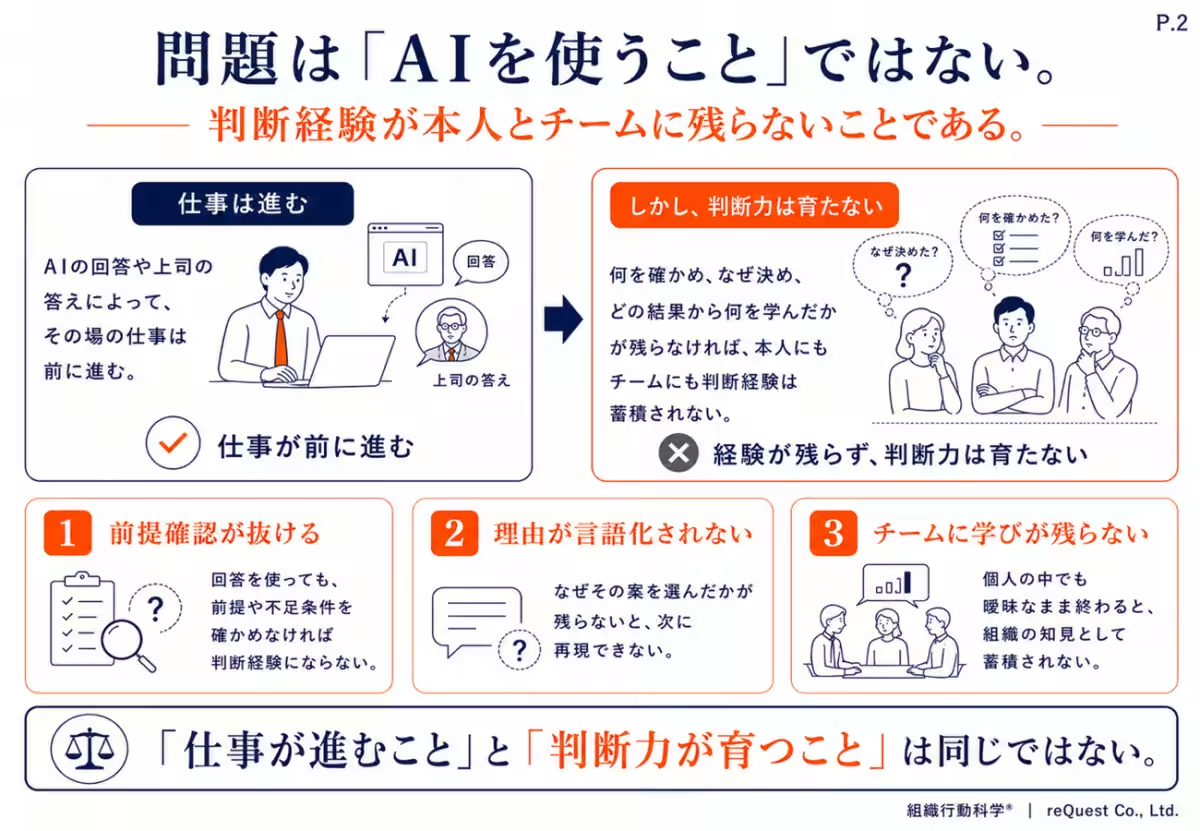
When organizations prioritize task completion over the decision-making process, they often overlook these crucial intermediary stages. Therefore, it becomes vital to distinguish clearly between 'advancing work' and 'fostering judgment skills'.
Addressing AI's Impact on Judgment Structure
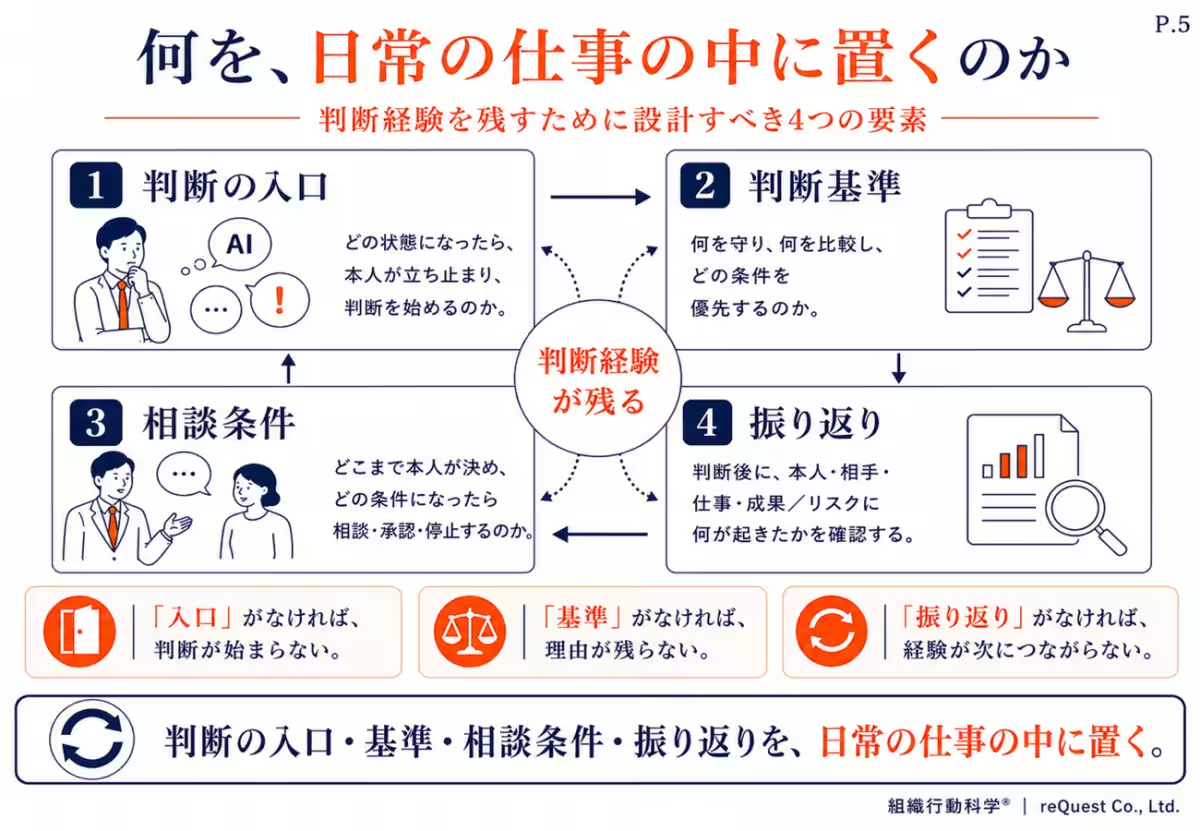
The research does not view AI usage as problematic. Instead, it posits that the core issue arises when AI or managerial inputs serve as substitutes for personal judgment rather than supporting decision-making processes. To avoid this, organizations need to focus on three non-negotiable elements to ensure that judgment experiences are retained:
- - Clarifying Assumptions: Employees need to validate facts and conditions to ensure that decision-making experiences are rooted in reality rather than assumptions.
- - Articulating Reasons: Not understanding why a particular option was chosen makes it difficult to replicate successes or learn from mistakes, whether outcomes were favorable or not.
- - Ensuring Team Learning: If individuals are unsure of the backgrounds and outcomes of their judgments, there is no opportunity for surrounding teams to leverage this knowledge.
Structural Challenges to Decision-Making
The study categorizes the structural barriers to developing effective decision-makers into four interconnected areas. The first two focus on reducing opportunities for individuals to make decisions. The third illustrates a lack of established criteria or authority to assume responsibility for difficult decisions, resulting in these being funneled back to supervisors. Finally, exception cases and trickier decisions tend to concentrate within a few skilled individuals, escalating the challenge.
Managing Increased Pressure on Leadership
As decision-making responsibility consolidates with specific individuals, managerial roles can quickly become overwhelmed. The study highlights that as managers face more pressure, they are less likely to engage employees in critical questioning, leading to a cycle that further diminishes opportunities for independent decision-making.
Designing Solutions Beyond Simple Instructions
In an effort to develop capable decision-makers, the solution is not simply asking employees to 'think for themselves.' Instead, organizations must create clear environments where employees know when to pause, what criteria to use, and which stages require consultation or approval. This involves embedding decision-making processes into daily workflows effectively.
Ensuring AI Contributes Positively
The role of AI should not be viewed merely from the perspective of its answer accuracy. The focus should also be on preserving human experiences that emerge after engaging with AI outputs. This balance is essential, as the retention of individual judgment experiences, the sharing of decision-making knowledge within teams, and the embedding of these processes into the daily work culture provide a strong foundation for continued organizational growth and learning.
In conclusion, to navigate the challenges posed by the AI era, organizations must revise their work structures to ensure they foster all components of effective decision-making. The aim is to clarify processes where judgement experiences can flourish, thereby preparing employees to adapt to an increasingly complex and AI-driven work environment.


Topics Business Technology)


【About Using Articles】
You can freely use the title and article content by linking to the page where the article is posted.
※ Images cannot be used.
【About Links】
Links are free to use.