



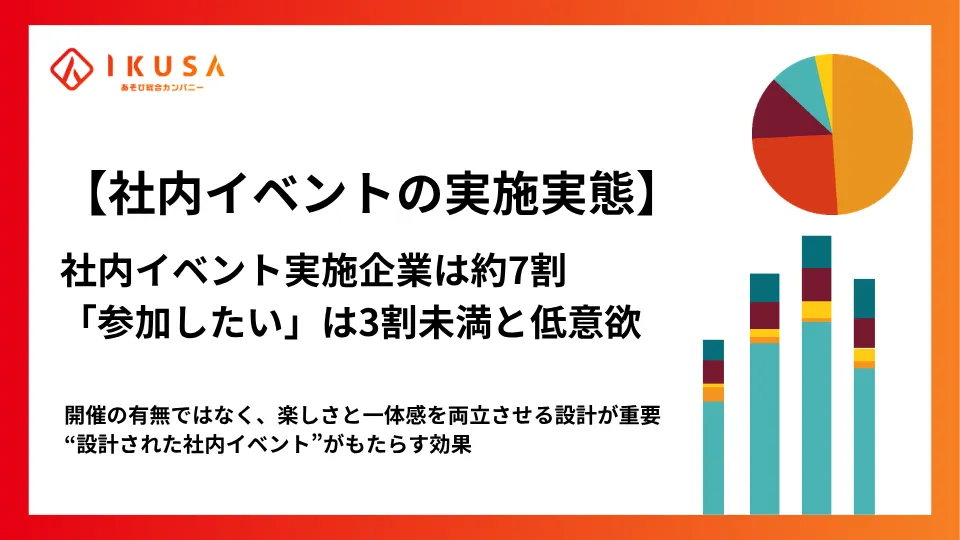
Exploring the Impact of Corporate Events on Employee Engagement and Unity
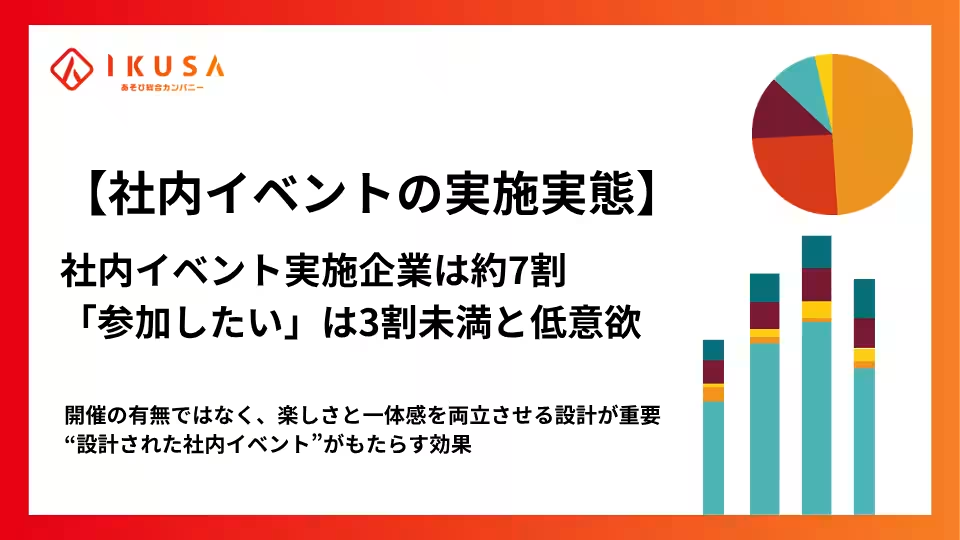
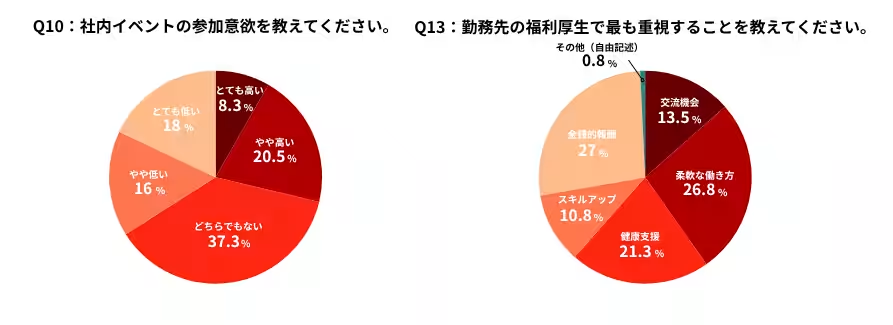
In an effort to understand the dynamics of corporate events and their effectiveness in fostering employee engagement and unity, IKUSA Inc. conducted a comprehensive survey involving 400 employees from companies with over 300 staff members. The results reveal a paradoxical situation where around 66.3% of companies hold regular internal events, yet only a mere 28.8% of employees express a high willingness to participate in these activities.
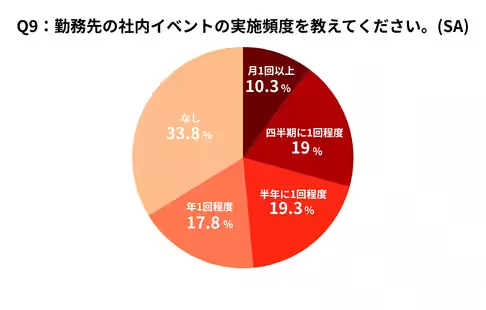
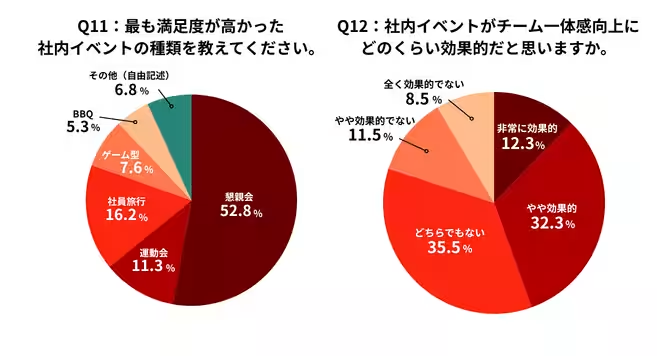
The survey, which focused on internal events related to disaster prevention, SDGs, and other corporate engagements, highlighted several key points. Despite the high implementation rate of corporate events, a significant 33.8% of the respondents noted that their companies do not host any such events at all. Among the events organized, social gatherings emerged as the most favored, with 52.8% of participants expressing satisfaction with networking functions.
However, satisfaction does not translate into a perceived increase in camaraderie, as only 44.5% of employees felt that these gatherings were effective in enhancing team spirit. This discrepancy points to a critical gap: while employees enjoy social events, they do not necessarily feel a stronger sense of community or mutual understanding as a result of attending them.
One of the intriguing findings of the research was the low levels of enthusiasm for participation in corporate events. Only 28.8% claimed they had a strong desire to engage in such activities, and a mere 13.5% of employees prioritized opportunities for networking as part of their overall employee benefits. In stark contrast, monetary rewards and flexible work arrangements were significantly more appealing to employees, highlighting a potential disconnect between what organizations offer and what employees truly value.
This suggests that employees are not inherently seeking opportunities to socialize for the sake of socializing. Instead, they prefer engaging experiences that forge connections organically without the pressure of mandatory networking.
The insights from this survey suggest that simply organizing corporate events is not enough to drive engagement and unity among employees. The design of these events plays a crucial role in their effectiveness. For instance, while casual gatherings may yield higher satisfaction due to their relaxed nature, they often result in attendees becoming passive participants rather than active collaborators across different levels and departments.
Therefore, businesses must shift the focus from merely hosting events to crafting experiences that balance enjoyment and collective participation. Team-building activities that encourage problem-solving in collaborative formats present a compelling solution to enhance both participation and unity.
Take, for example, the case of Rohto Pharmaceutical's recent all-company event held to celebrate its 125th anniversary. They implemented original and engaging concepts that significantly heightened internal cohesion among employees. In a follow-up survey, an impressive 94.2% of participants reported that they easily set aside their titles and positions to fully immerse themselves in the experience, while 88.8% felt more positive about their company and team afterward.
The design of internal events tailored to specific objectives demonstrates a clear potential to foster both participant enthusiasm and enhance communal spirit. As organizations contemplate how to reconnect with their workforce, understanding the motivations behind attendance and satisfaction becomes essential. The survey results exemplify that effective engagement transcends mere event execution—it's about developing an environment that inspires collaboration and shared excitement among employees.
In conclusion, to accelerate employee engagement through corporate events, organizations must focus on creating enjoyable experiences that naturally promote teamwork and camaraderie. As teams face challenges together in thoughtfully designed activities, they can cultivate genuine relationships that extend beyond the casual encounters of traditional gatherings. The interplay between enjoyment, design, and unity ultimately sets the foundation for more effective corporate environments, reinforcing the purpose of these events in the broader corporate landscape.
Survey Highlights
The survey, which focused on internal events related to disaster prevention, SDGs, and other corporate engagements, highlighted several key points. Despite the high implementation rate of corporate events, a significant 33.8% of the respondents noted that their companies do not host any such events at all. Among the events organized, social gatherings emerged as the most favored, with 52.8% of participants expressing satisfaction with networking functions.
However, satisfaction does not translate into a perceived increase in camaraderie, as only 44.5% of employees felt that these gatherings were effective in enhancing team spirit. This discrepancy points to a critical gap: while employees enjoy social events, they do not necessarily feel a stronger sense of community or mutual understanding as a result of attending them.
Analysis of Employee Participation Motivation
One of the intriguing findings of the research was the low levels of enthusiasm for participation in corporate events. Only 28.8% claimed they had a strong desire to engage in such activities, and a mere 13.5% of employees prioritized opportunities for networking as part of their overall employee benefits. In stark contrast, monetary rewards and flexible work arrangements were significantly more appealing to employees, highlighting a potential disconnect between what organizations offer and what employees truly value.
This suggests that employees are not inherently seeking opportunities to socialize for the sake of socializing. Instead, they prefer engaging experiences that forge connections organically without the pressure of mandatory networking.
A Call for Better Event Design
The insights from this survey suggest that simply organizing corporate events is not enough to drive engagement and unity among employees. The design of these events plays a crucial role in their effectiveness. For instance, while casual gatherings may yield higher satisfaction due to their relaxed nature, they often result in attendees becoming passive participants rather than active collaborators across different levels and departments.
Therefore, businesses must shift the focus from merely hosting events to crafting experiences that balance enjoyment and collective participation. Team-building activities that encourage problem-solving in collaborative formats present a compelling solution to enhance both participation and unity.
Take, for example, the case of Rohto Pharmaceutical's recent all-company event held to celebrate its 125th anniversary. They implemented original and engaging concepts that significantly heightened internal cohesion among employees. In a follow-up survey, an impressive 94.2% of participants reported that they easily set aside their titles and positions to fully immerse themselves in the experience, while 88.8% felt more positive about their company and team afterward.
The Importance of Custom-Designed Events
The design of internal events tailored to specific objectives demonstrates a clear potential to foster both participant enthusiasm and enhance communal spirit. As organizations contemplate how to reconnect with their workforce, understanding the motivations behind attendance and satisfaction becomes essential. The survey results exemplify that effective engagement transcends mere event execution—it's about developing an environment that inspires collaboration and shared excitement among employees.
In conclusion, to accelerate employee engagement through corporate events, organizations must focus on creating enjoyable experiences that naturally promote teamwork and camaraderie. As teams face challenges together in thoughtfully designed activities, they can cultivate genuine relationships that extend beyond the casual encounters of traditional gatherings. The interplay between enjoyment, design, and unity ultimately sets the foundation for more effective corporate environments, reinforcing the purpose of these events in the broader corporate landscape.
Topics People & Culture)
【About Using Articles】
You can freely use the title and article content by linking to the page where the article is posted.
※ Images cannot be used.
【About Links】
Links are free to use.