



AI in Job Hunting: Transforming Student Experiences and Career Insights
AI in Job Hunting: Transforming Student Experiences and Career Insights
In the wake of rapidly evolving technology, the integration of Artificial Intelligence (AI) into job hunting has become a focal point of discussion among university students. A recent survey conducted by No Company, a leading firm in recruitment marketing based in Tokyo, gathered insights from third- and fourth-year university students set to graduate in 2026 and 2027. The study revealed significant shifts in how students are employing AI during their job search journeys.
Shift from Efficiency to Self-Reflection
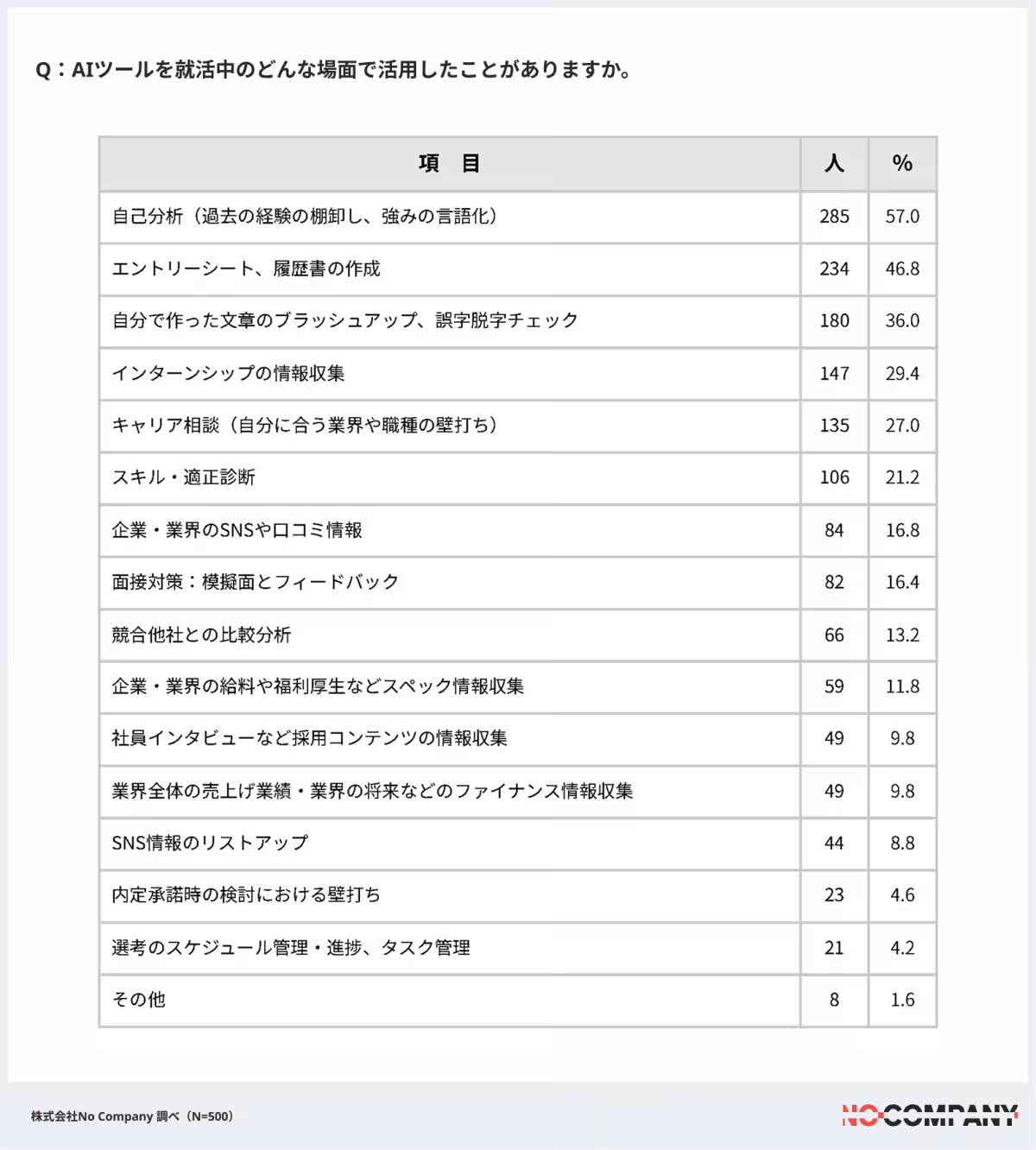
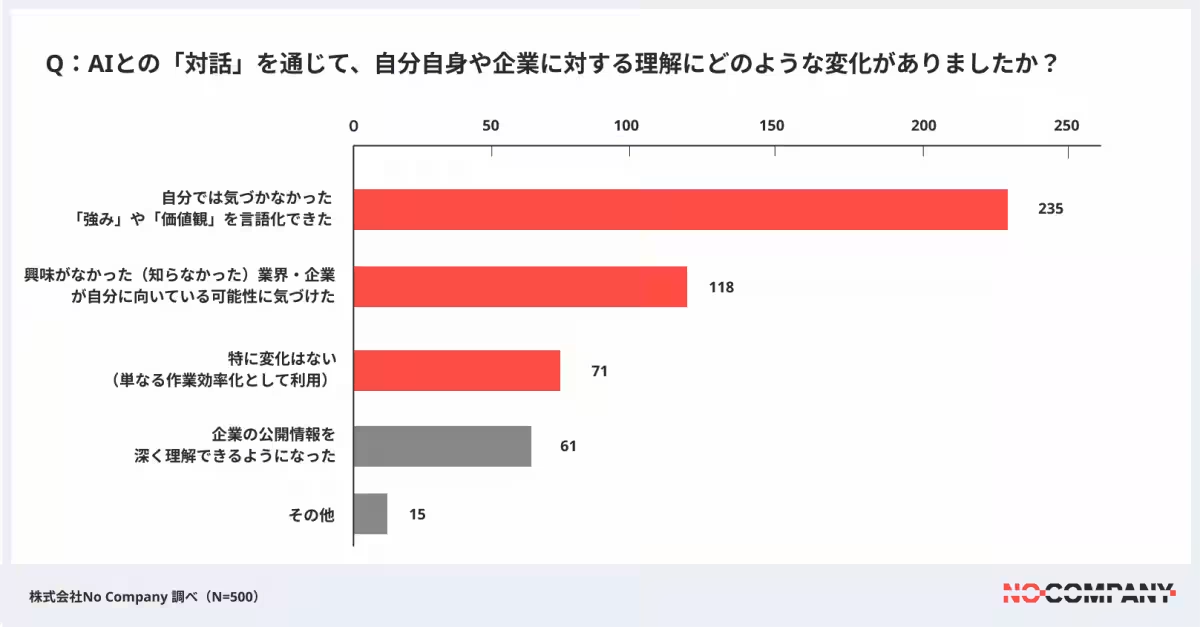
The findings highlight that over 80% of students are now utilizing AI for self-analysis and career counseling, rather than merely using it to streamline tasks like writing application essays or resumes. The usage of AI in job hunting has transformed from being a simple time-saving tool to a partner in deeper dialogue about their aspirations and career trajectories. This evolution signifies a prominent mindset shift among the 'AI-native generation,' prompting students to engage with AI not just for efficiency, but also for self-discovery and personal branding.
Students reported that they are proactively using AI to articulate their strengths and past experiences. Rather than focusing solely on company reputation or job specifications, they are increasingly weighing personal fit and work environments as essential criteria in their decision-making processes. This inclination towards self-understanding and informed decision making reflects a robust change in student's approaches to the job market.
The Importance of Real-Life Interactions
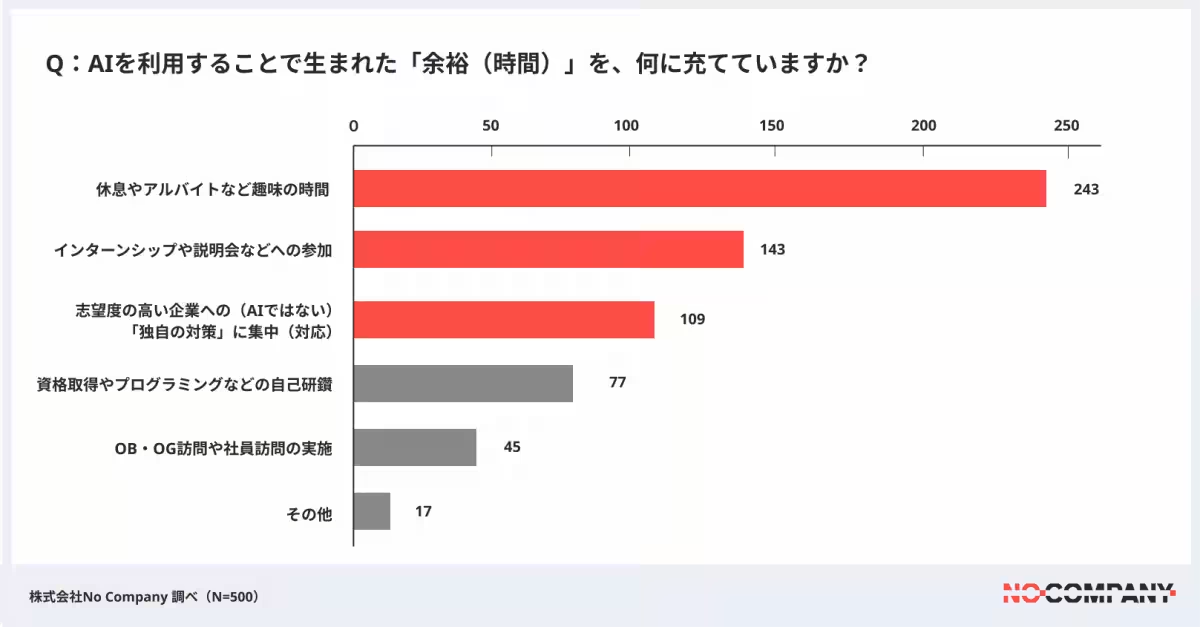
It is noteworthy that while students are embracing AI for efficiency in their job hunts, they are simultaneously valuing genuine human interactions. Approximately 28.6% of students are dedicating significant time to internships and career fairs, while around 8.6% engage in OB/OG visits or interact with current employees. This focus on in-person experiences sheds light on a paradox; as digital tools like AI enhance their job search techniques, the demand for real-world insights and narratives becomes even more pronounced.
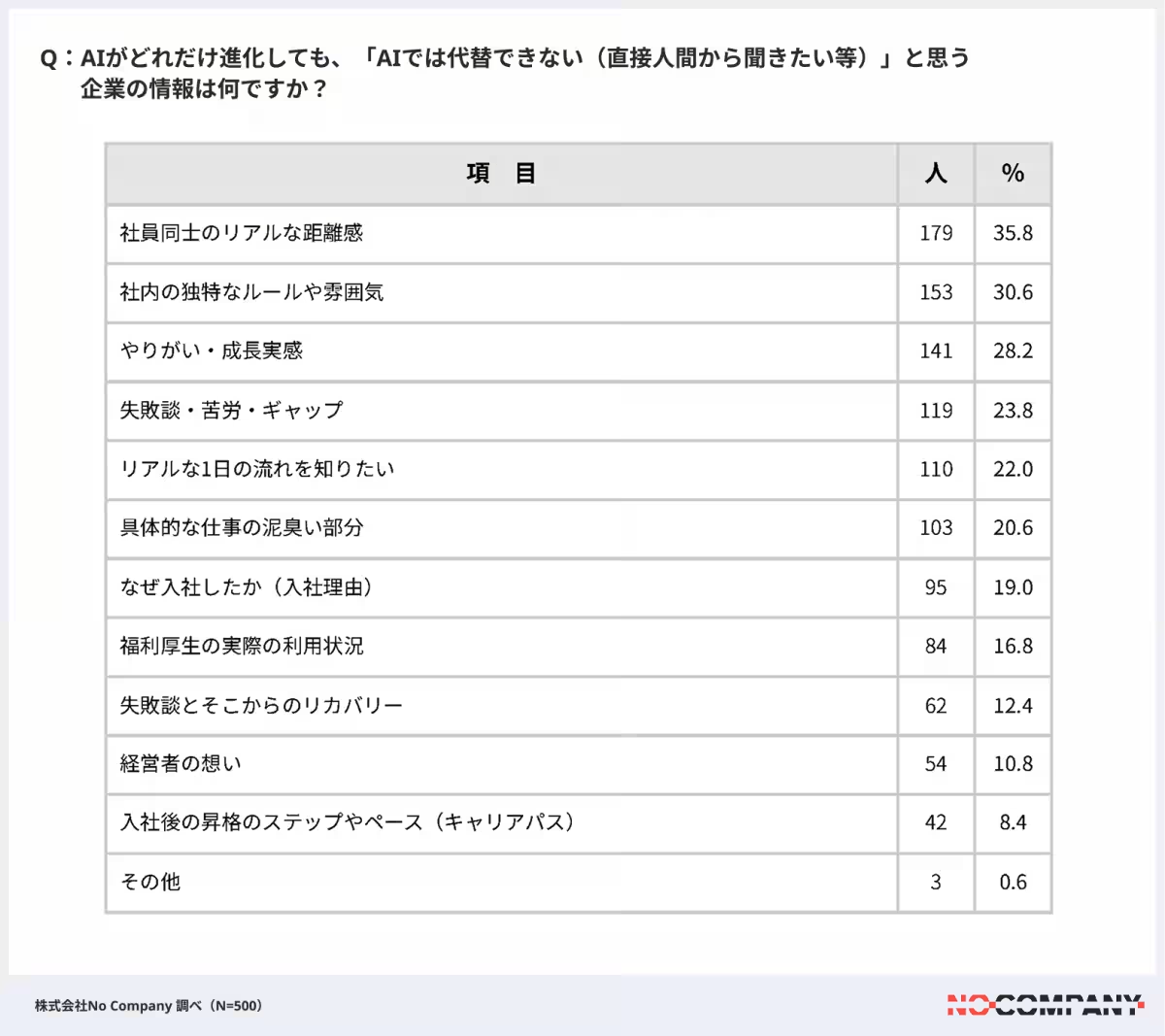
Interestingly, many students perceive that AI cannot substitute the nuances of personal encounters. They are keen on receiving firsthand knowledge through discussions with employees about workplace culture, challenges, and gaps between realities versus expectations. Reporting that they seek out both successes and difficulties, students appear to be searching for a comprehensive understanding of their potential future workplaces.
Recommendations for Companies
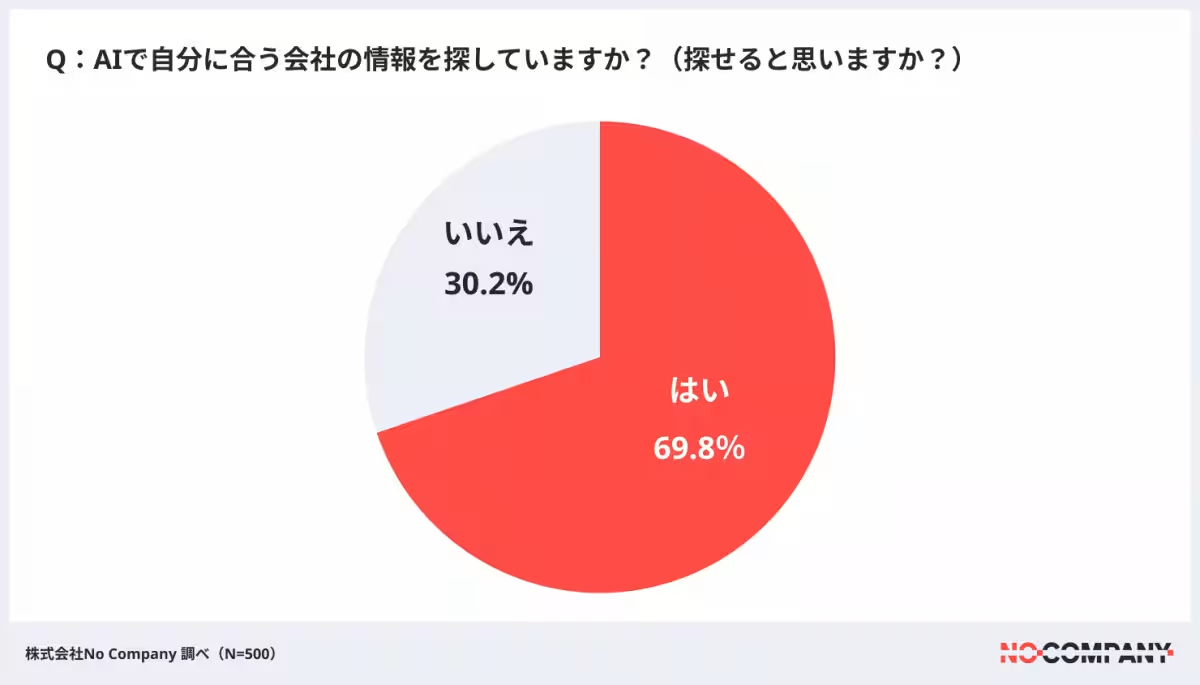
Given the trend of students utilizing AI to discover suitable career paths, it is crucial for companies to ensure their values are articulated clearly. With the recognition that about 70% of students utilized AI to identify compatible companies, hiring managers must focus on making company cultures more accessible and relatable to job seekers. By establishing narratives that resonate with students on a personal level, companies can effectively leverage AI to enhance genuine engagement.
Moreover, there is a pressing need for companies to design impactful communication strategies that prioritize real experiences over mere digital presence. By fostering environments that encourage candid and authentic conversations, organizations can attract suitable candidates who align with their core values and operational ethos.
The Dilemma of Identity Loss
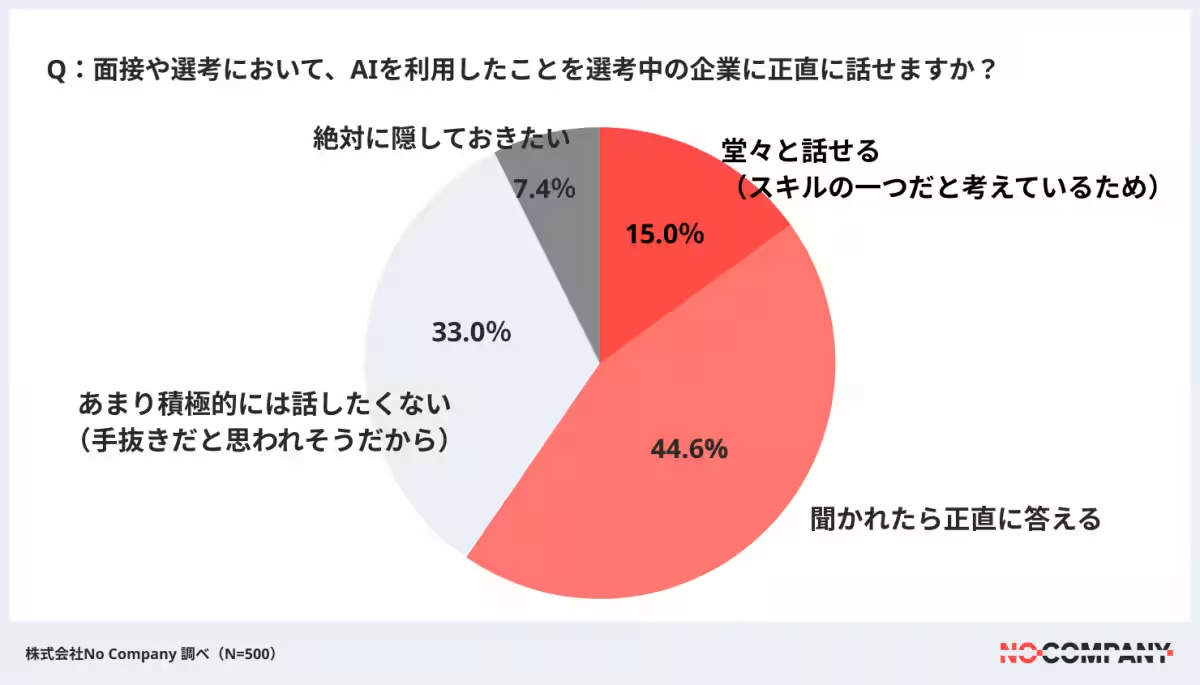
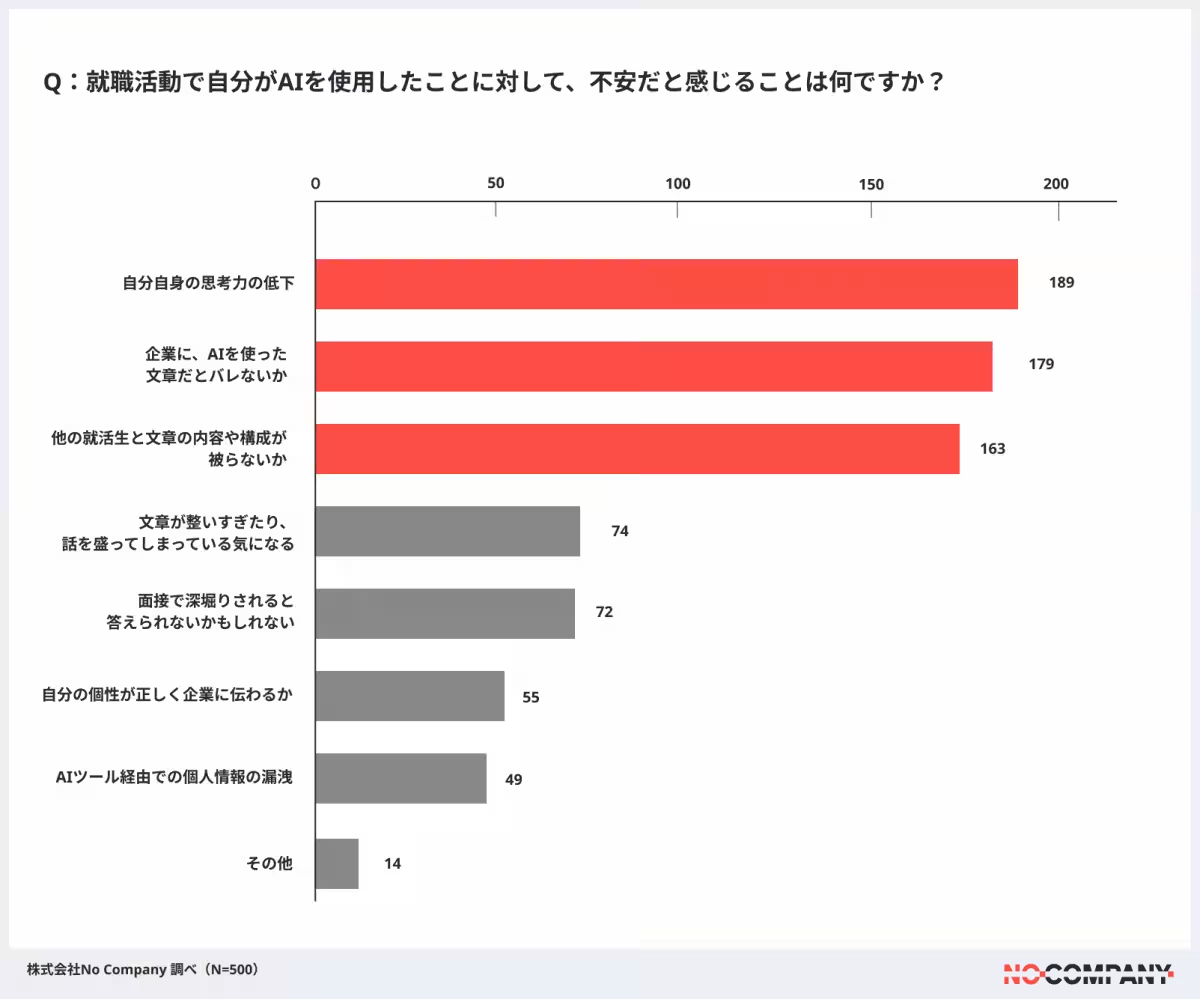
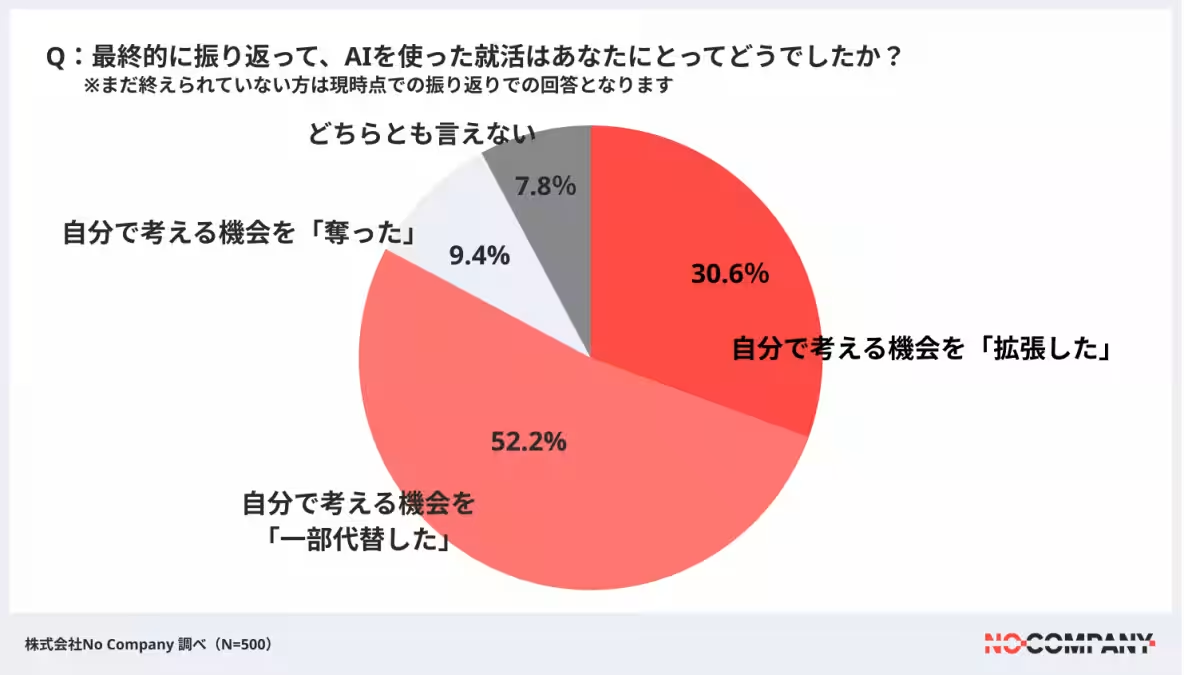
However, the reliance on AI has sparked concerns regarding the potential erosion of personal identity. Nearly one-third of surveyed students expressed anxiety that using AI could lead to a disconnection between their genuine thoughts and the articulate outputs generated by AI. They are hesitant about whether employers will perceive AI usage as an indication of laziness or lack of originality.
This anxiety is reflective of a larger existential concern: students fear that AI might not accurately convey their unique strengths and individuality. Consequently, over 40% expressed reluctance to disclose their AI support during interviews, indicating a desire to protect their identities from perceptions of

Topics People & Culture)





【About Using Articles】
You can freely use the title and article content by linking to the page where the article is posted.
※ Images cannot be used.
【About Links】
Links are free to use.