



Dentsu Research Reveals Insights on Digital Communication and Emotional Labor in Latest Survey
Insights from Dentsu Research on Digital Communication and Emotional Labor
In March 2026, Dentsu Research published the results of its survey, titled "Dentsu Compass vol.16: Awareness Survey on Digital Communication and Emotional Labor". This study by the Dentsu Research Think Tank, particularly the Quality of Society Center, aimed to explore how changes in people's consciousness shape society, focusing on the increasing significance of digital communication tools such as emails, social media, chat applications, and online meetings.
Background and Purpose of the Survey
Digital communication allows individuals to express emotions that may not necessarily reflect their genuine feelings. This phenomenon, identified as "emotional labor," can add to mental burdens and has become an important issue across various organizations. The survey sought to capture the current state and challenges of emotional labor stemming from digital communication in the workplace, providing insights into how to alleviate this burden.
Key Findings of the Survey
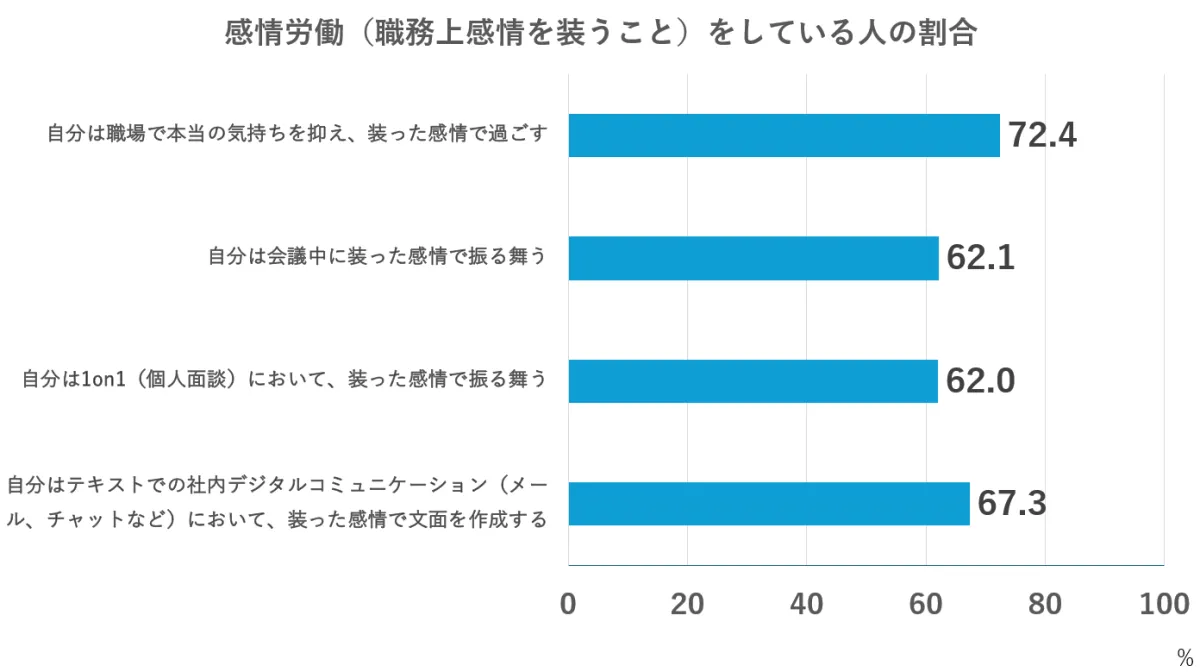
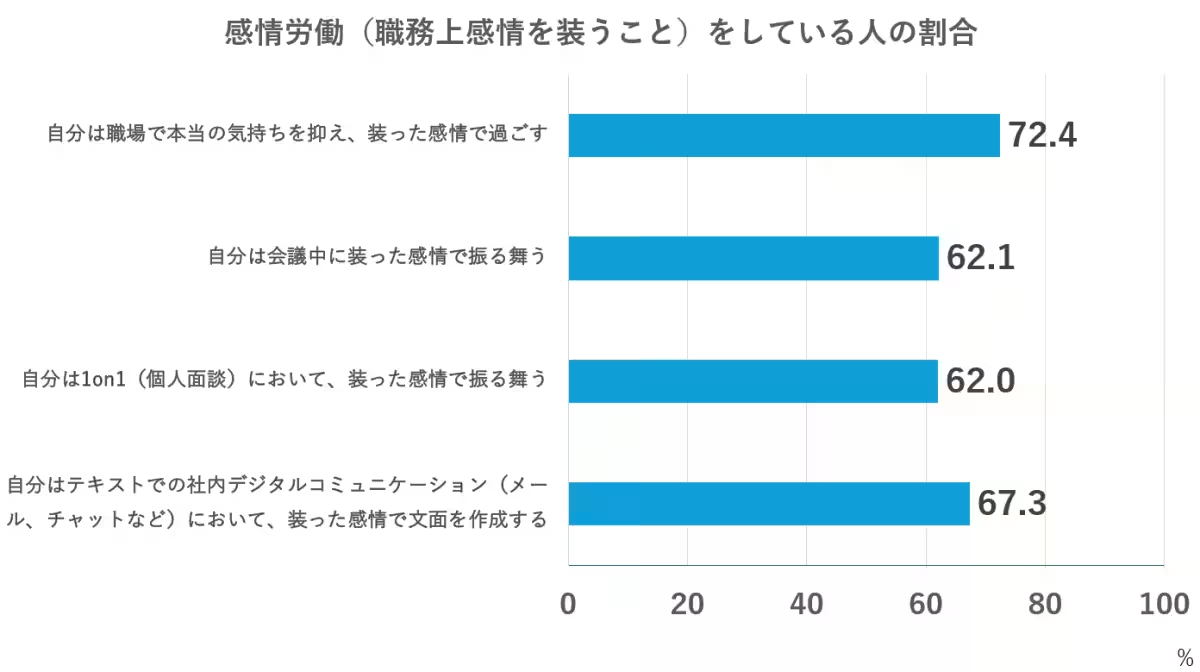
1. Prevalence of Emotional Labor: An overwhelming majority, 72.4%, of respondents reported that they engage in emotional labor at work. Specific to digital communications within the company, 67.3% admitted to crafting their messages with a facade of emotions.
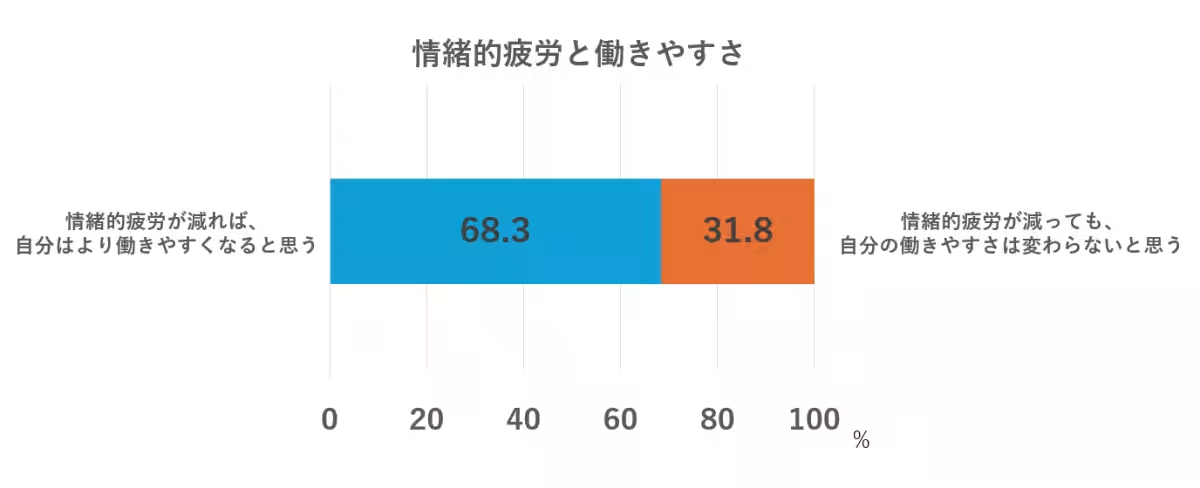
2. Impact of Emotional Fatigue: Approximately 68.3% of participants felt that reducing emotional fatigue would improve their work environment, highlighting the significant role emotional fatigue plays in employee satisfaction.
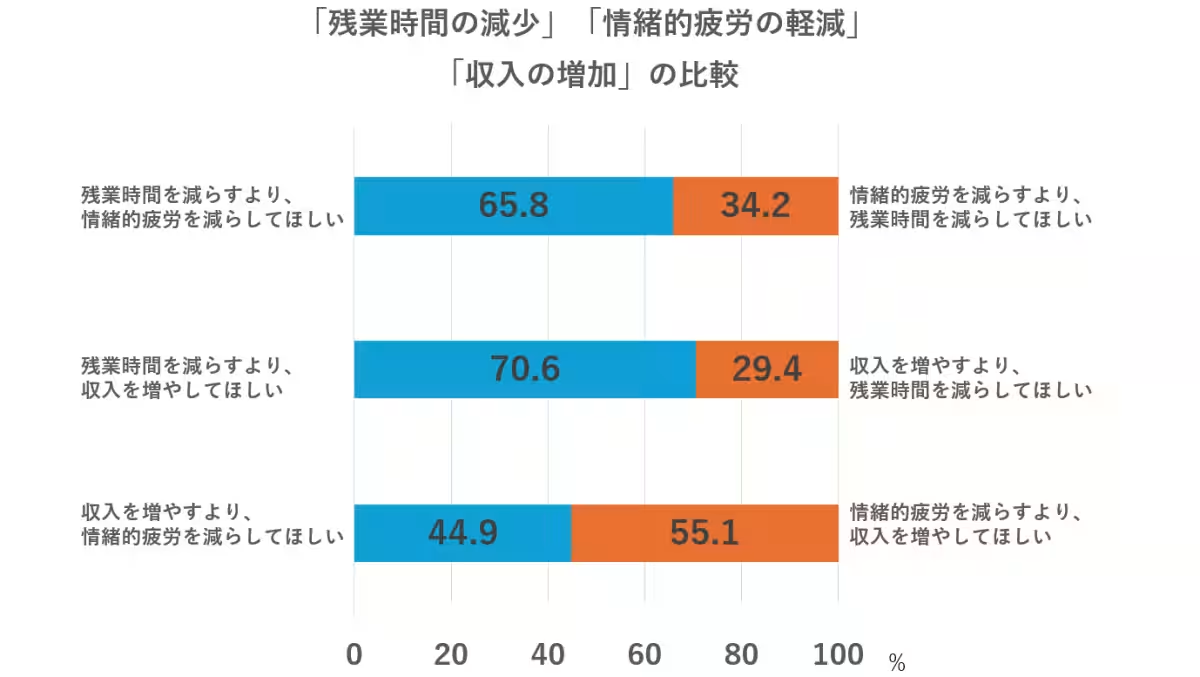
3. Expectations Among Workers: Workers expressed a greater desire for an increase in income over reductions in emotional fatigue or overtime. The desire for improved work quality over simply reducing hours was noted, placing emotional fatigue and income enhancement as primary concerns.
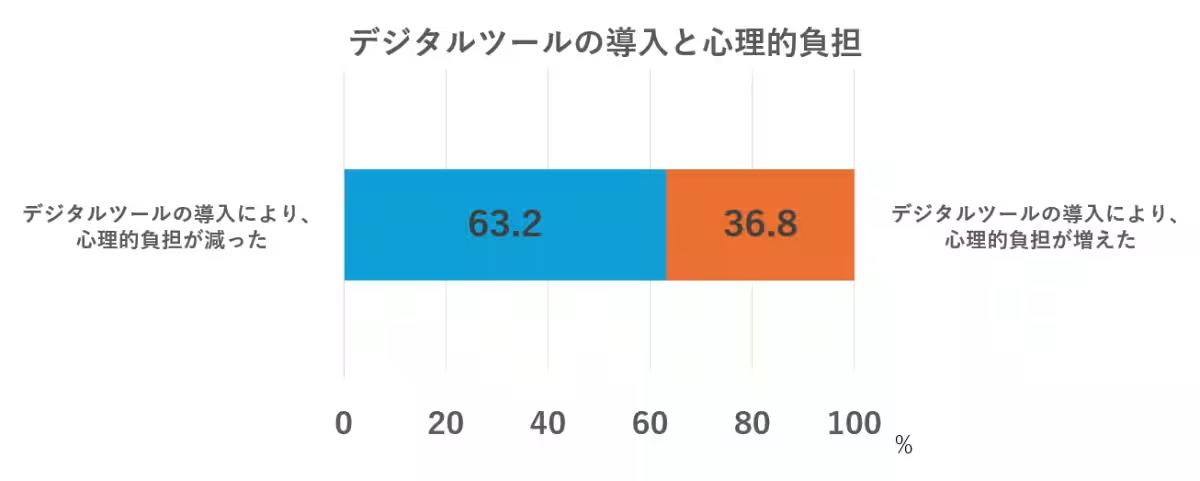
4. Psychological Benefits of Digital Tools: The survey found that 63.2% of respondents reported a decrease in psychological burdens due to the implementation of digital tools. This shift indicates a potential positive impact of digital tools in the workplace.
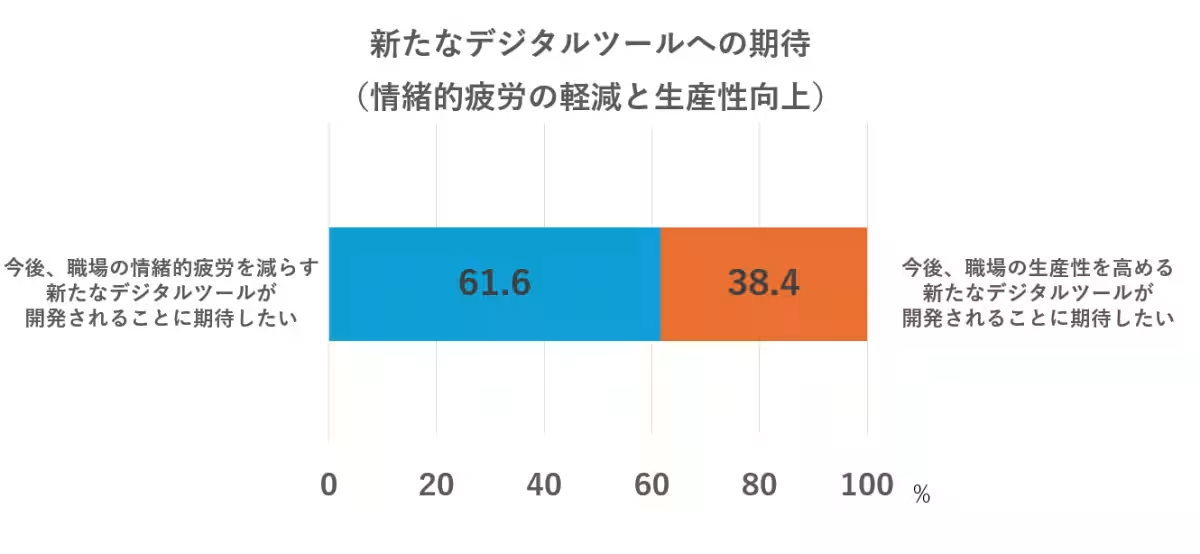
5. Focus on Emotional Fatigue Reduction: When asked about expectations from new digital tools, 61.6% prioritized reducing emotional fatigue over the 38.4% who viewed productivity improvement as a primary benefit. This underscores the crucial view that emotional well-being needs equal emphasis.
The Need for Change
Emotional labor, previously associated primarily with fields like caregiving and education, is now recognized as a widespread issue across various job roles. The findings suggest that emotional labor also arises within digital communications, highlighting the necessary shift in perspective toward emotional health in workplaces characterized by technology.
Digital tools, while contributing to increasing efficiency, have brought to light both benefits and drawbacks. The focus on emotional fatigue signifies a growing need to address this aspect of work life, reshaping how solutions are developed for workplace challenges. Companies are urged to develop digital tools that actively contribute to easing the mental burdens imposed by emotional labor.
Conclusion
With significant research indicating that emotional labor impacts a diverse range of professions today, it is essential for organizations to grapple with how emotional expression and communication occur in digital formats. As work environments evolve with technology, finding strategies to mitigate emotional fatigue will be crucial in fostering healthier and more productive workplaces. The findings from Dentsu Research highlight the importance of prioritizing emotional well-being alongside productivity, offering a blueprint for future workplace improvements.
Topics People & Culture)



【About Using Articles】
You can freely use the title and article content by linking to the page where the article is posted.
※ Images cannot be used.
【About Links】
Links are free to use.