



Pioneering Movement Aims for Zero Sports Incidents Due to Heat: Highlights from the Heat Management Summit 2026
The Heat Management Summit 2026: A Step Towards Zero Sports Incidents Due to Heat
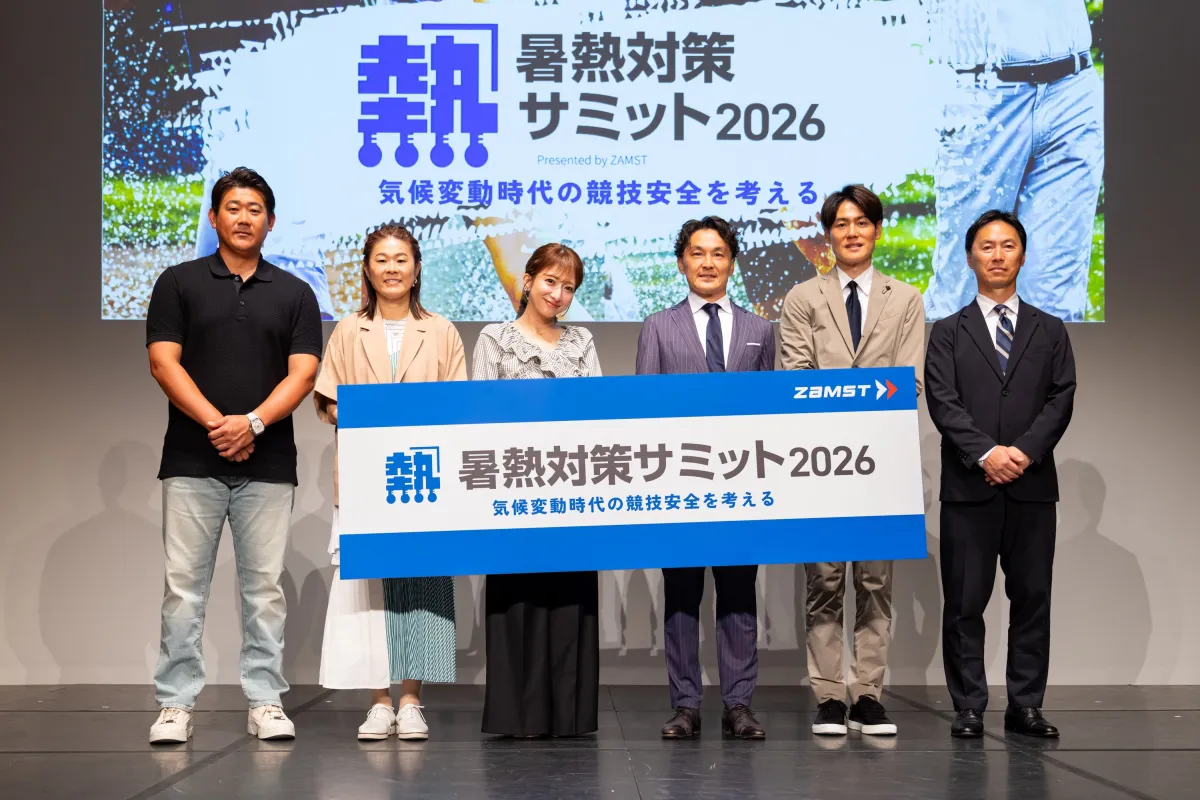
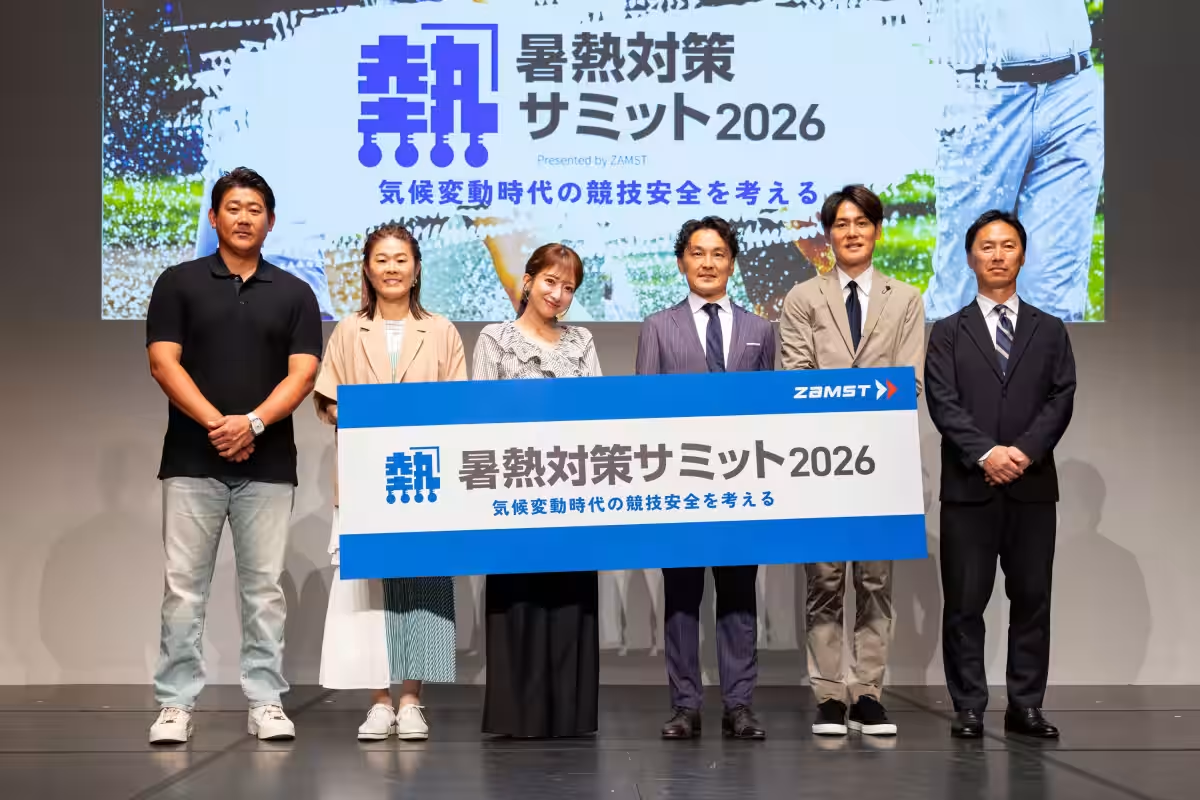
On May 20, 2026, a pivotal event, the Heat Management Summit 2026, took place at Ebisu Garden Place in Tokyo, organized by Japan Sigmax Corporation, the parent company of the sports support brand ZAMST. The summit aimed to tackle the pressing issue of athlete safety amidst rising temperatures due to climate change. Notable figures such as former professional baseball player Daisuke Matsuzaka, former Japan women’s soccer national team member Homare Sawa, talent Nozomi Tsujii, and sports physician Masahiko Saito participated in this critical discussion.
Addressing Heat-Related Risks in Sports
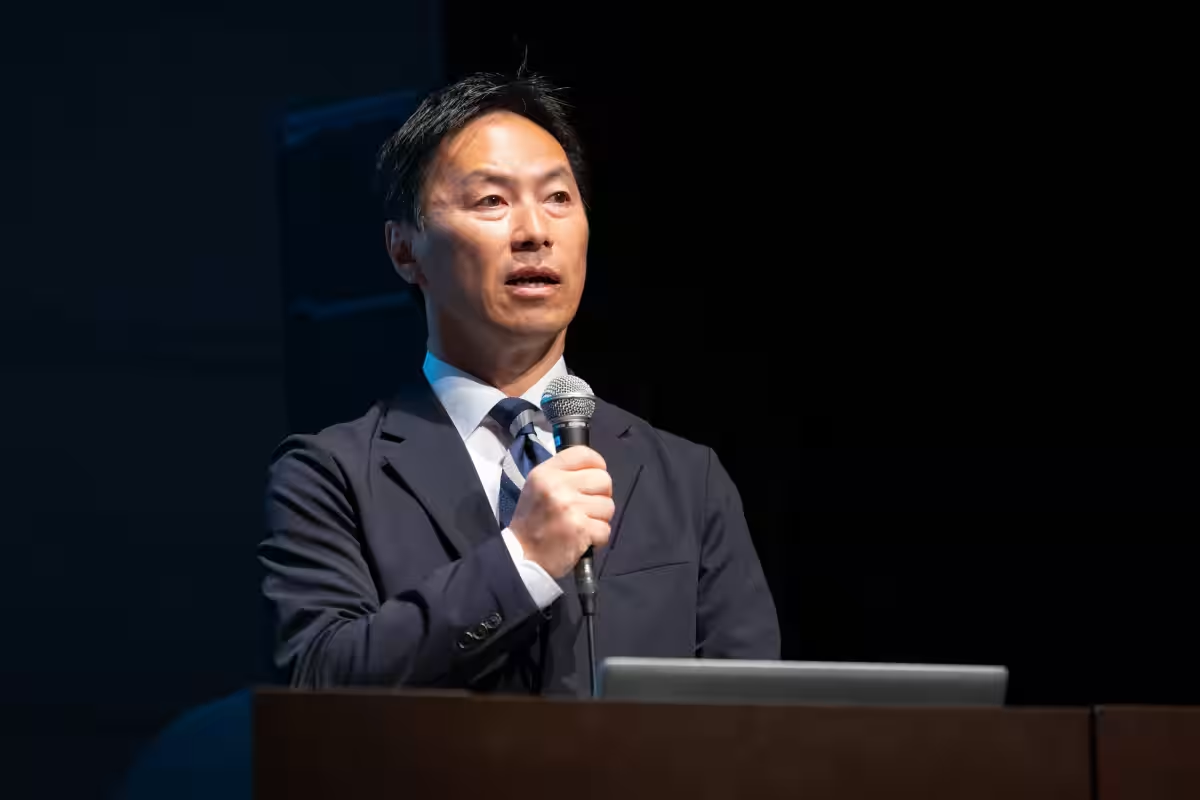
In his opening remarks, Koichi Sugawa, Director and Head of the ZAMST Division, highlighted the alarming increase in risks associated with heat during sports activities. He noted that while awareness of heat stroke has improved—resulting in a decline in fatalities under school supervision since the peak in 1984—urgent incidents such as emergency medical transports continue to occur in sporting contexts every year. Sugawa referred to data from the Japan Sports Association indicating that over 80% of heat stroke fatalities in school settings occurred during sports club activities, particularly in the period from late June to early August.
The market for cooling products, essential for direct body cooling, has reportedly exceeded 50 billion yen annually, with a growth of 106% compared to the previous year, reflecting a strong awareness of heat risks within the sporting community. Sugawa emphasized that ZAMST's aim extends beyond merely providing cooling solutions. They aspire to fundamentally change sports environments to eliminate heat-related fatalities and incidents.
Discussing Pressing Issues Surrounding Heat Stroke
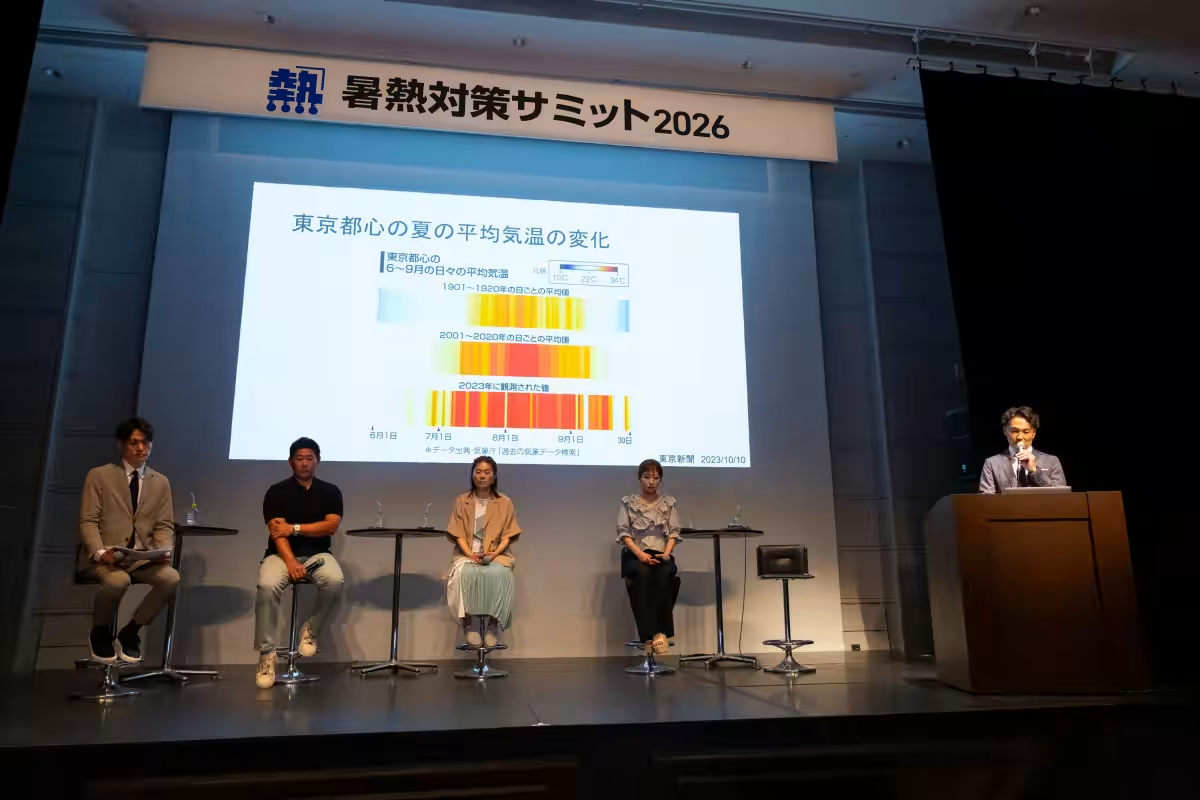
During the panel discussion, moderated by free announcer Satoshi Kamijyo, the participants shared their personal experiences with heat-related challenges during their athletic careers. They engaged in a quiz regarding heat stroke emergency transports, with the audience shocked to discover the number exceeded 100,000 last year.
Dr. Saito provided insights into the rising average temperatures in Japan, approximately increasing by 1.44 degrees over the past century, and the surge in days categorized as extreme heat. He underscored that climate change significantly affects sports environments today compared to the past. Matsuzaka, who recalled his intense matches under the scorching sun, expressed concern for the spectators' well-being, particularly emphasizing that not everyone trains in such demanding conditions.
Sawa added her recollections of practicing under an artificial field, which exacerbated the heat. Tsujii shared parental concerns regarding the safety of children during summer activities, highlighting that traditional outdoor play is no longer as feasible due to safety risks.
Understanding the Importance of Cooling Breaks
Dr. Saito also delivered a lecture on heat management strategies in sports, focusing on acclimatization, body cooling, and the increasing relevance of “cooling breaks.” He explained that children are particularly vulnerable due to their underdeveloped thermoregulation abilities, which makes it challenging for them to recognize when they are becoming over-heated. He emphasized the pivotal role of caregivers and coaches in monitoring children's health during strenuous activities.
Matsuzaka acknowledged the complexities surrounding the implementation of cooling breaks, albeit in support of their necessity for athlete safety. Sawa highlighted the disparities in hydration opportunities depending on players' positions in soccer, while addressing past experiences of hydration challenges during games. Tsujii shared her insights as a parent, expressing ongoing concerns about her child’s health and the precautions needed in poorly equipped environments.
Live Experiment: Testing the ZAMST COOL SHADER
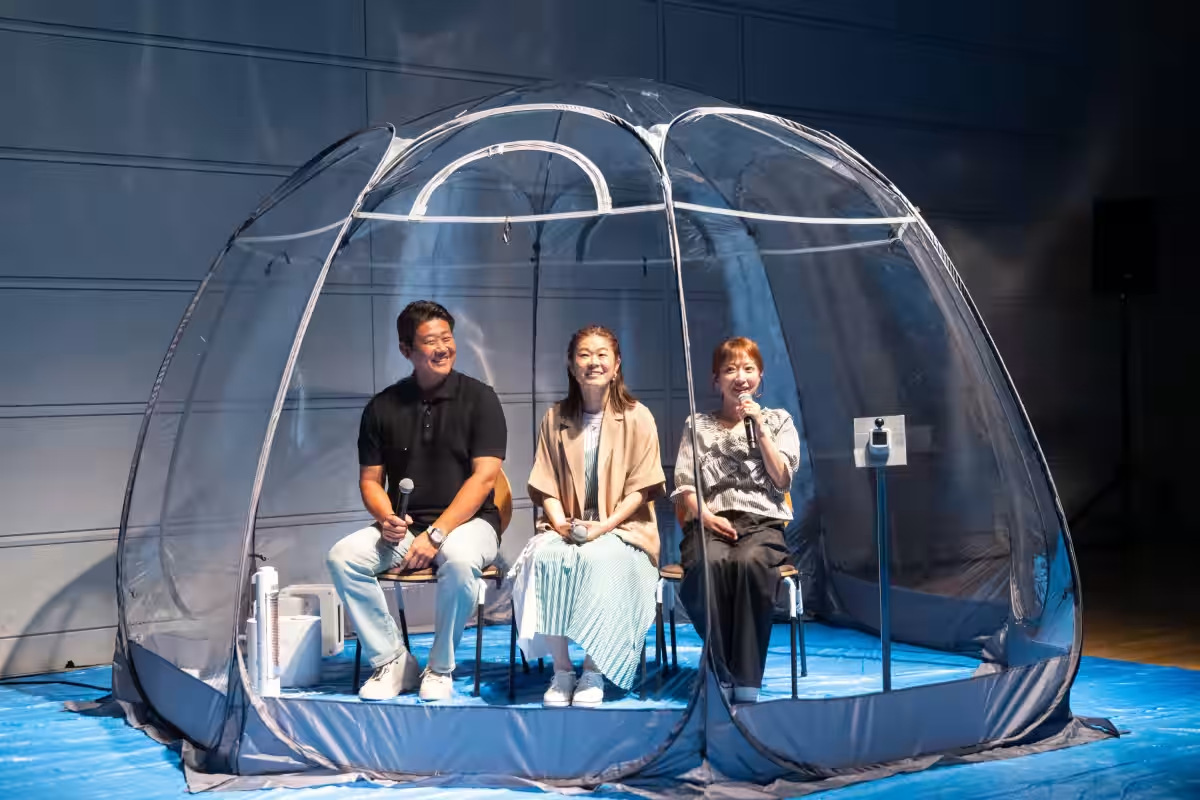
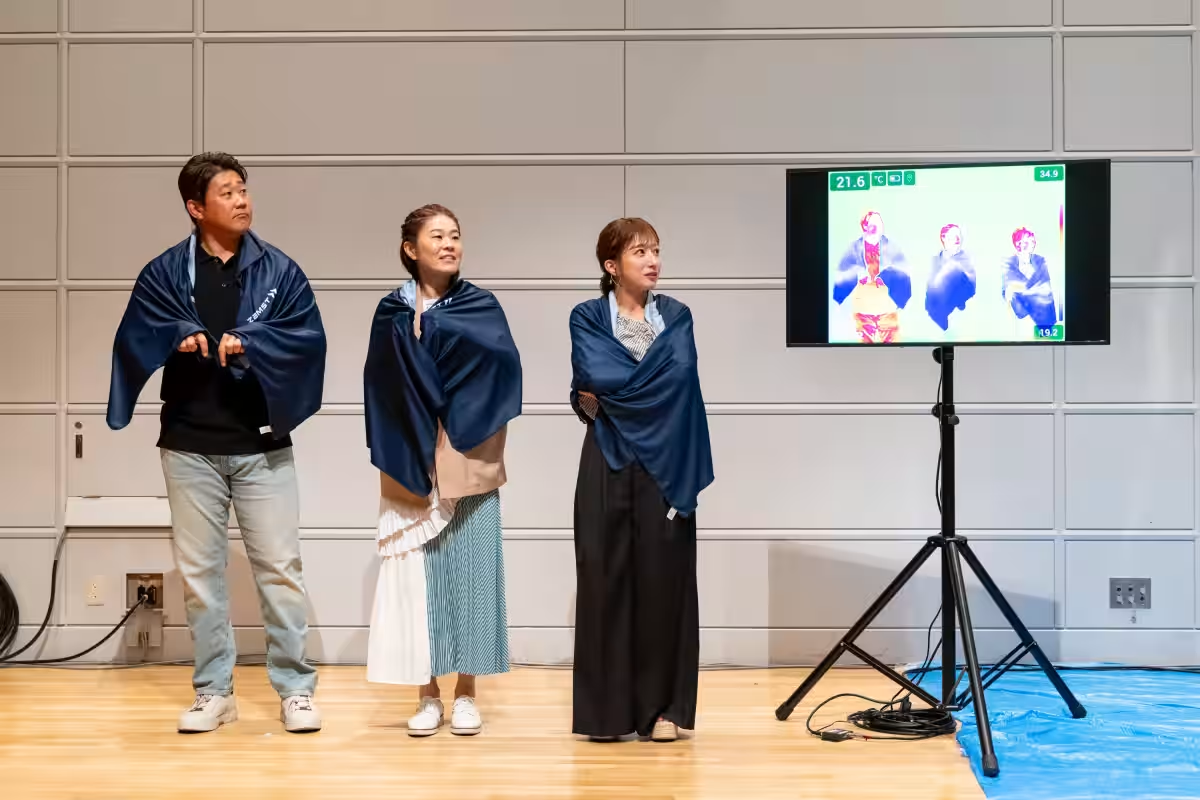
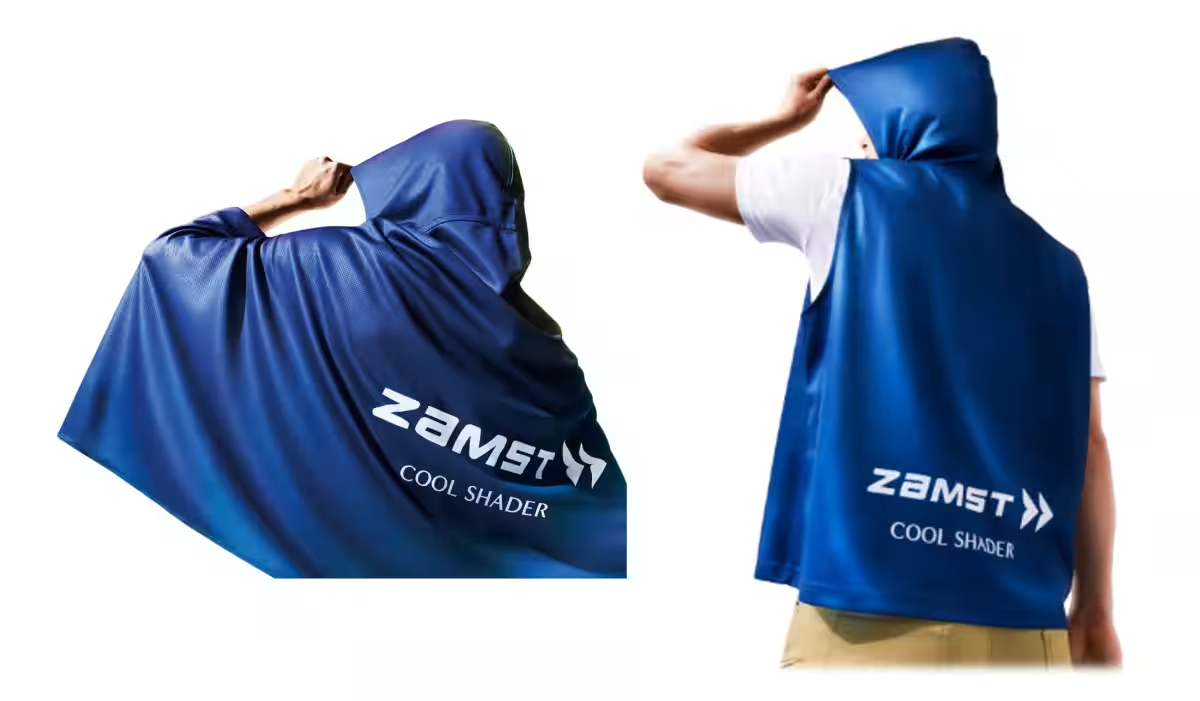
The summit's highlight was a live demonstration using the ZAMST COOL SHADER cooling poncho, designed for easy body cooling under extreme temperatures. The guests entered a tent mimicking a scorching 40-degree day, sharing their discomfort as they experienced the conditions. After applying the cooling ponchos, they instantly reported relief, showcasing a significant drop in skin temperature on a thermal camera.
Dr. Saito concluded that cooling measures are vital not just during physical activity, but before and after as well. He urged athletes, particularly students, to incorporate cooling products effectively while being mindful of hydration and self-care to navigate the increasingly hotter sporting landscape.
Closing Thoughts: A Message to Coaches and Parents
The session concluded with heartfelt messages from all participants, urging coaches and parents to remain informed about heat-related risks and implement preventive strategies for children's safety in sports. They emphasized the need for continuous dialogue about heat safety, recognizing the evolving nature of summer training in response to climate change. The event was a significant success, marking a crucial step towards reducing heat-related incidents in sports.
For further information on ZAMST and its products, visit their official website: ZAMST Online.



Topics Sports)
【About Using Articles】
You can freely use the title and article content by linking to the page where the article is posted.
※ Images cannot be used.
【About Links】
Links are free to use.