



Huawei Unveils 2026 Smart PV and Energy Storage Trends to Transform Renewable Power
Huawei's Vision for Smart PV and ESS in 2026
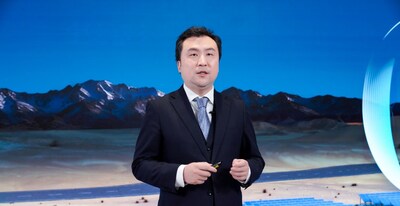
On January 13, 2026, Huawei Digital Power launched its highly anticipated report detailing the Top 10 Trends of Smart PV and Energy Storage Systems (ESS). The event emphasized the theme: All-Scenario Grid-Forming, Unleashing AI, and Forging Excellence in Renewable Energy Sources. Eric Zhong, Vice President and Chief Marketing Officer of the Smart PV and ESS Product Line, presented these trends alongside a comprehensive white paper that outlines significant developments and practical strategies aimed at enhancing the role of solar, wind, and energy storage systems as the primary sources of renewable energy.
The renewable energy sector is entering a transformative phase where deeper value creation is pivotal. According to Zhong, the evolution of the market signifies a shift from isolated innovations towards synergistic advancements that integrate diverse elements of the energy ecosystem. As Huawei leverages its vast expertise in photovoltaic (PV) technologies and energy storage solutions, the outlined trends reflect this new era.
Key Trends to Watch
1. Synergy of PV, Wind, and ESS: This combination aims to make renewables more predictable and controllable, essentially providing a stable energy source. Future utility-scale installations will require a dual framework of stable power generation and cost-effectiveness, supported by smart, independent operations relying solely on renewable inputs.
2. Importance of Grid-Forming ESS: These systems are becoming integral to maintaining grid stability. By mitigating fluctuations in renewable output, grid-forming ESS can offer critical services within the energy market, including frequency regulation and peak shaving.
3. Collaboration Across Energy Systems: Enhanced AI technologies aiding in the smooth integration of power generation, grids, loads, and storage will drive regional autonomy in energy supply, alongside global coordination.
4. Transitioning to AI-native Experiences: In residential settings, products will evolve from AI-enabled to AI-native. This shift will optimize user experiences and energy management strategies.
5. Increased Power Density: Innovations are projected to enhance the power density of PV inverters and power conversion systems (PCS) by over 40%. This improvement is essential for elevating the overall performance and quality of PV and ESS operations.
6. Focus on High Voltage and Reliability: Emphasizing high-voltage architectures will improve operational resilience and reduce the Levelized Cost of Energy (LCOE), promoting proactive safety measures.
7. Comprehensive Battery Management: To ensure long-term safety and operational stability, a greater focus on systematic battery management will be crucial in energy storage systems, moving beyond basic functionalities.
8. Advancements in Grid-Forming Technologies: These technologies are transitioning from being passive components to active players in grid architecture, encouraging comprehensive applications.
9. Renewable Plant Automation with AI Agents: The integration of AI agents in renewable energy setups is expected to accelerate, facilitated by the synergistic interplay between cloud, edge, and device technologies.
10. Enhanced Safety Assessment: Safety protocols in the ESS industry are evolving to include extensive, systemic evaluations, setting measurable indicators for continuous improvement in safety capabilities throughout the lifespan of energy storage systems.
In summary, Huawei's outlined trends for 2026 underscore a commitment to not only advancing the capabilities of renewable energy but also safeguarding its integration into the energy grid. As the company continues to innovate, stakeholders in the renewable energy sector are encouraged to align their operations with these emerging trends to harness the full potential of clean and sustainable energy.
Topics Energy)
【About Using Articles】
You can freely use the title and article content by linking to the page where the article is posted.
※ Images cannot be used.
【About Links】
Links are free to use.