



Addressing the Shortage of Accounting Personnel: Key Insights and Solutions
Analyzing the Shortage of Accounting Personnel in Japan
In an enlightening report released by Invoice Co., Ltd., a company that specializes in integrated billing services like Gi Tsushin and OneVoice Public, the pressing issue of accounting personnel shortages within Japanese firms has been brought into sharp focus. The study involved in-depth surveys of 441 accounting staff, exploring workforce dynamics, workload challenges, and the risks associated with staffing shortages amidst increasing operational demands.
Survey Overview
The survey aimed to examine various aspects of the accounting function, including staffing arrangements, workload intensity, human resource risks, and the challenges related to invoice processing. The data collected serves as a crucial resource for companies to reflect on their current accounting environments and plan for future improvements.
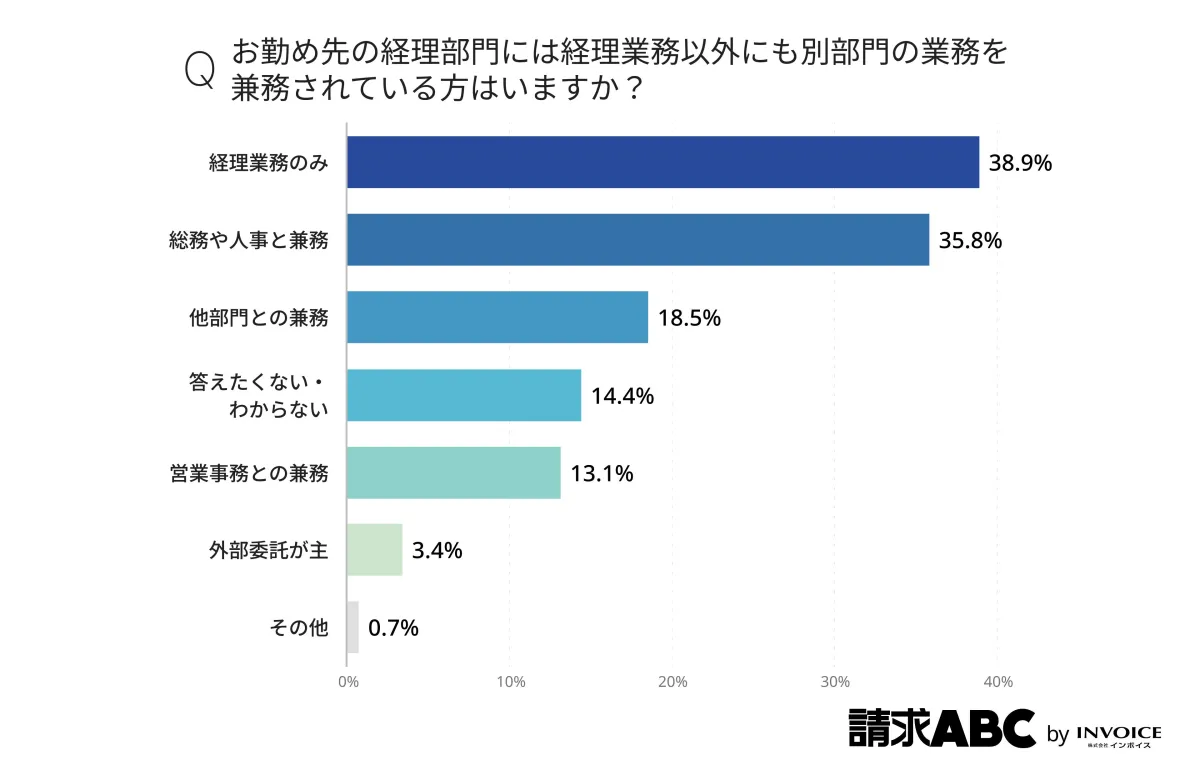
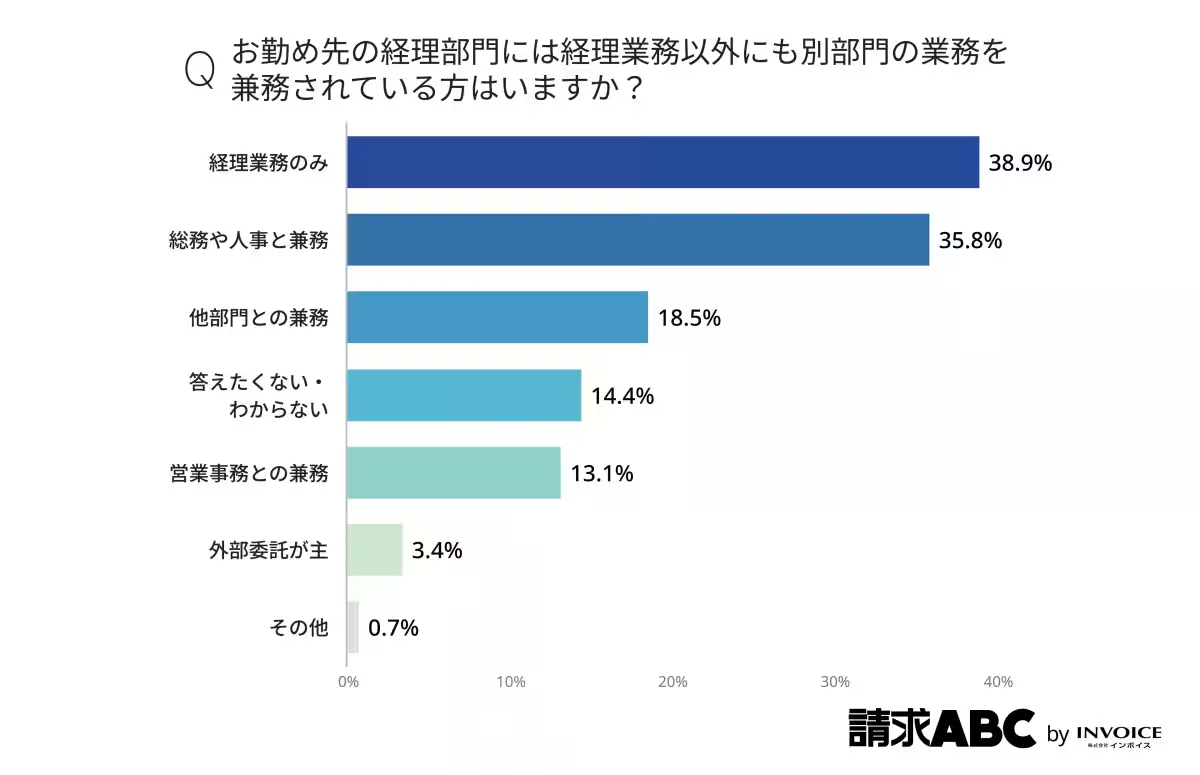
As the findings illustrate, over 60% of respondents indicated that their roles overlap with other departments—a situation that is becoming increasingly common. Specifically, 38.9% of participants reported focusing solely on accounting duties, while 35.8% shared responsibilities with human resources or general affairs. An alarming 18.5% are juggling roles across multiple departments, complicating their ability to maintain accounting expertise.
Interestingly, a small fraction of companies (3.4%) rely on outsourcing for accounting functions. However, 14.4% of respondents expressed uncertainty or reluctance about disclosing their staffing details, indicating a lack of clarity around task distributions within their organizations.
The Trends in Invoice Processing Interest
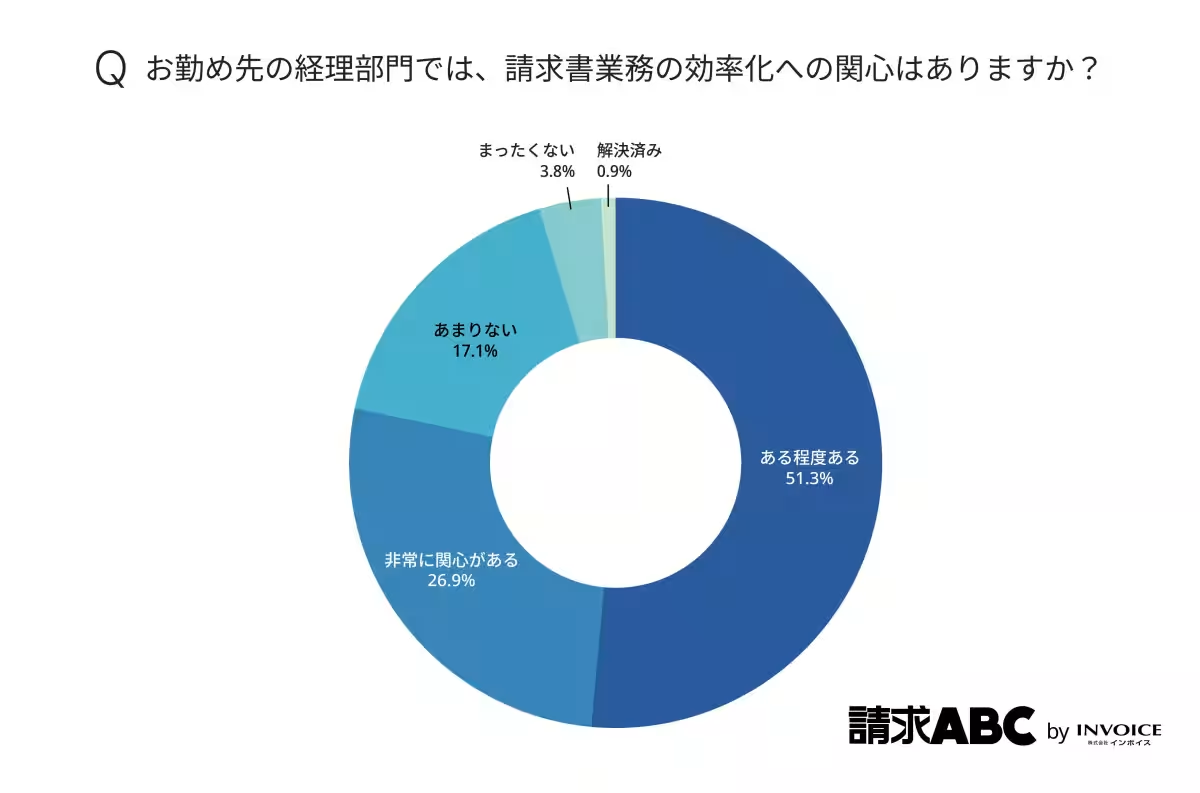
The survey also assessed the level of interest in streamlining invoice processing within accounting departments. Notably, 78.2% of respondents expressed significant interest in improving efficiencies, with 26.9% stating they have a high level of concern about this issue. Conversely, only 20.9% felt indifferent or uninterested in potential improvements.
Despite some firms having already implemented successful efficiency measures—indicated by the 0.9% of respondents claiming that their invoice processing issues are resolved—there remains a widespread recognition of the necessity for enhancements within the field. The shift toward digitalization and automation is gaining momentum, suggesting that many accounting teams are eager to embrace new strategies to alleviate workloads and ensure compliance with evolving regulations.
Addressing the Challenges
The report elucidates the notable imbalance faced by many accounting professionals who must manage an extensive range of tasks due to workforce reductions and cross-departmental allocations. This practice not only hampers everyday functions but also exposes companies to significant risks when there are changes in personnel or as regulations shift.
Conversely, some firms are taking proactive steps to resolve these challenges without purely relying on recruitment. Alternatives such as process optimization, reassessment of workload distributions, and the utilization of external resources are emerging as valid strategies to navigate the personnel crisis. The accounting sector is compelled to devise innovative methods to sustain operations amidst workforce constraints.
The evolving landscape presents both challenges and opportunities. Invoice Co., Ltd.’s research offers deep insights into the current reality of accounting departments facing critical personnel shortages. Stakeholders are encouraged to utilize this report to assess their operational frameworks and consider strategic improvements for their accounting functions.
Expert Commentary
Ken Tajima, Director of Invoice General Research Institute, emphasizes the significance of addressing the shortage of accounting personnel. He highlights that many companies prioritize immediate tasks over long-term staffing solutions, resulting in a cycle of unresolved personnel challenges.
His reflections validate that while some large enterprises are actively hiring, the shortage is particularly acute among smaller businesses, where recruitment efforts can remain stagnant.
The outcomes of this survey aim to provide a roadmap for companies to explore their personnel dynamics and realize effective strategies to bolster their accounting sectors.
Conclusion
In conclusion, as businesses navigate these pressing staffing challenges, the findings shared in this research can serve as a guiding source for reevaluating and enhancing their accounting structures. Companies are urged to consider this data as they look towards building a more resilient and efficient accounting workforce, preparing for the ongoing shifts in the financial landscape.
For a more detailed exploration of the survey results and actionable insights, you can access the full report here.

Topics Business Technology)

【About Using Articles】
You can freely use the title and article content by linking to the page where the article is posted.
※ Images cannot be used.
【About Links】
Links are free to use.