



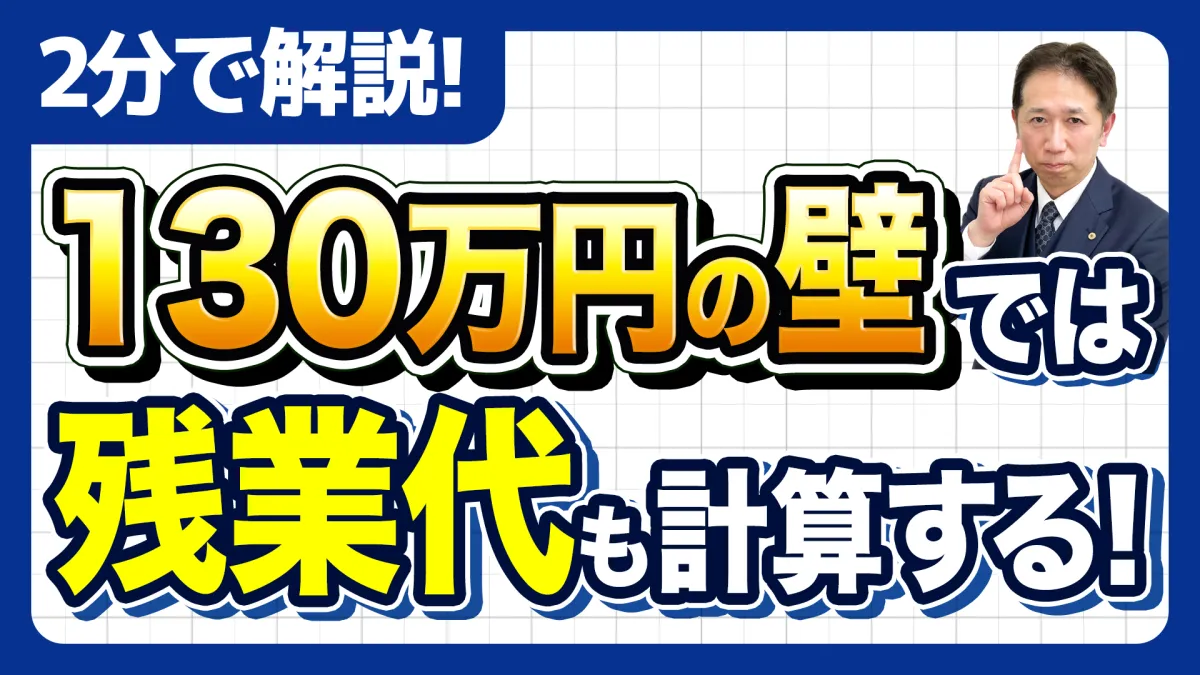
Understanding the New Rules on Overtime Pay and the 1.3 Million Yen Barrier
Understanding the New Rules on Overtime Pay and the 1.3 Million Yen Barrier
In recent discussions surrounding employment laws in Japan, the concept of the 1.3 million yen barrier has taken center stage, especially concerning overtime pay. Previously, it was commonly acknowledged that employees' annual income projections would need to include overtime pay, yet there remains a significant challenge in predicting future overtime hours. This uncertainty has led to the establishment of new rules aimed at streamlining how these considerations are handled in practice.
The New Rules Explained
According to the new regulations, the determination of whether to include overtime pay in income calculations will hinge on whether employees have planned for overtime work. This introduces a system where employers can make assessments based on expected work schedules. Employers must clarify whether they will enforce overtime, thereby addressing how future overtime hours are treated in pay calculations.
To ensure compliance, businesses should lay down established limits on working hours and pay, ideally detailing such parameters in employment contracts. The new guidelines will assist in demystifying the complexities employees face in calculating expected income, particularly as they navigate the barriers set forth by the 1.3 million yen limit.
Important Questions Addressed
The shift in regulations raises several pertinent questions:
- - Will overtime pay contribute to the 1.3 million yen barrier?
- - Why has it become necessary to include overtime pay in written agreements?
- - How should employees proceed if their contractual hours exceed anticipated limits?
- - What do businesses need to document in contracts to ensure compliance?
- - What are the implications of stating that employees should not work overtime?
Understanding these aspects will better equip both employers and employees to navigate the new landscape of labor laws and expectations.
Implications for Employers and Employees
For employees, the clarity around this new system can foster better understanding and expectations of their compensation. The recognition that employers must outline anticipated overtime can provide workers with a greater sense of security and awareness regarding their financial planning. On the flip side, for employers, the new rules demand responsive adjustments to how they schedule and manage workloads, ensuring they comply with the regulations while meeting operational needs.
Instructor's Profile
The upcoming seminar on these pressing topics will feature Jun Ono, a certified labor and social security attorney who has led over 400 training sessions focused on workplace harassment and labor issues. With a practical approach emphasizing how laws translate into everyday operations, Ono is well-regarded in his field. He also supervises and instructs courses for the 'Employment Clean Planner' certification program.
About the General Association of Krea Human Resources and Educational Support
Founded in 2023 as a group company of SA, this association specializes in employment, labor, and harassment prevention training and certification. Over 750 individuals have achieved the 'Employment Clean Planner' certification, empowering them to effect positive changes across various sectors, including business and education. With a participant satisfaction rate of 93% based on internal surveys, Krea continues to lead initiatives in fostering better employment practices.
For further details, you can visit the official website: Krea Human Resources.
In essence, as we look toward the future of labor laws in Japan, understanding these new guidelines on overtime pay and anticipated work hours is crucial. The seminar aims to illuminate these complexities and enable both employees and employers to navigate this evolving landscape successfully.
Topics People & Culture)

【About Using Articles】
You can freely use the title and article content by linking to the page where the article is posted.
※ Images cannot be used.
【About Links】
Links are free to use.