




Exploring Cyber Defense Strategies in the AI Era: Insights from AI Data's Forum
Exploring Cyber Defense Strategies in the AI Era
On May 21, 2023, AI Data Corporation, headquartered in Minato City, Tokyo, hosted the AI Agent x AX Forum, focusing on the critical topic of cybersecurity—a primary area of emphasis in the government’s strategic initiatives. This forum gathered experts to discuss the pressing need for advanced security strategies amidst rapid advancements in AI technology, which have led to a significant increase in the sophistication of cyberattacks.
Session Highlights
Session 1: Cybersecurity as a Business Imperative
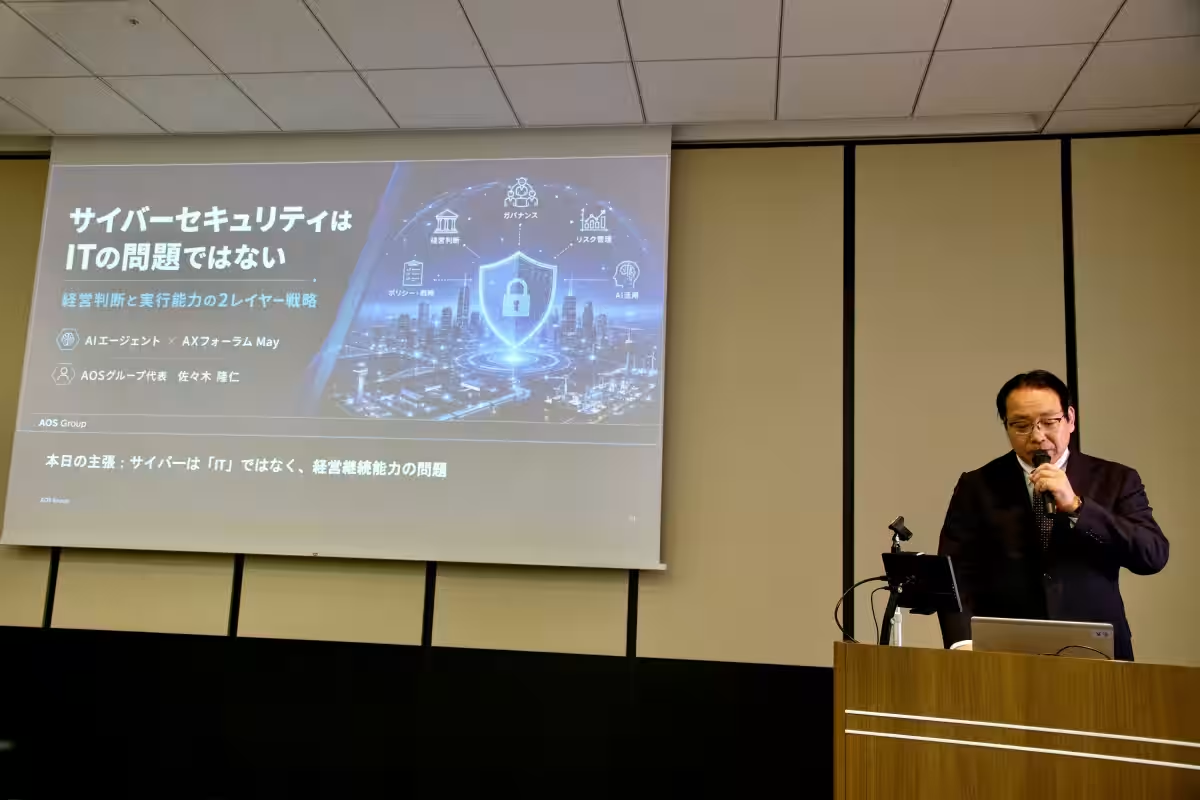
The forum kicked off with a session led by Takahito Sasaki, CEO of AOS Group, who emphasized that cybersecurity must be viewed not merely as a challenge for IT departments but as a critical business management issue. He pointed out that modern cyber threats go beyond data breaches and systems failures, affecting business continuity and overall corporate value. In an era where AI enhances the speed and cunning of cyber-attacks, Sasaki advocated for a two-layered strategy: an “Executive Decision Layer” for determining what to protect and an “Operational Layer” for implementing persistent defense measures. He stressed the importance of connecting management and operational levels through AI in order to build resilient organizations capable of rapid recovery from attacks.
Session 2: Cybersecurity in the Age of AI Agents
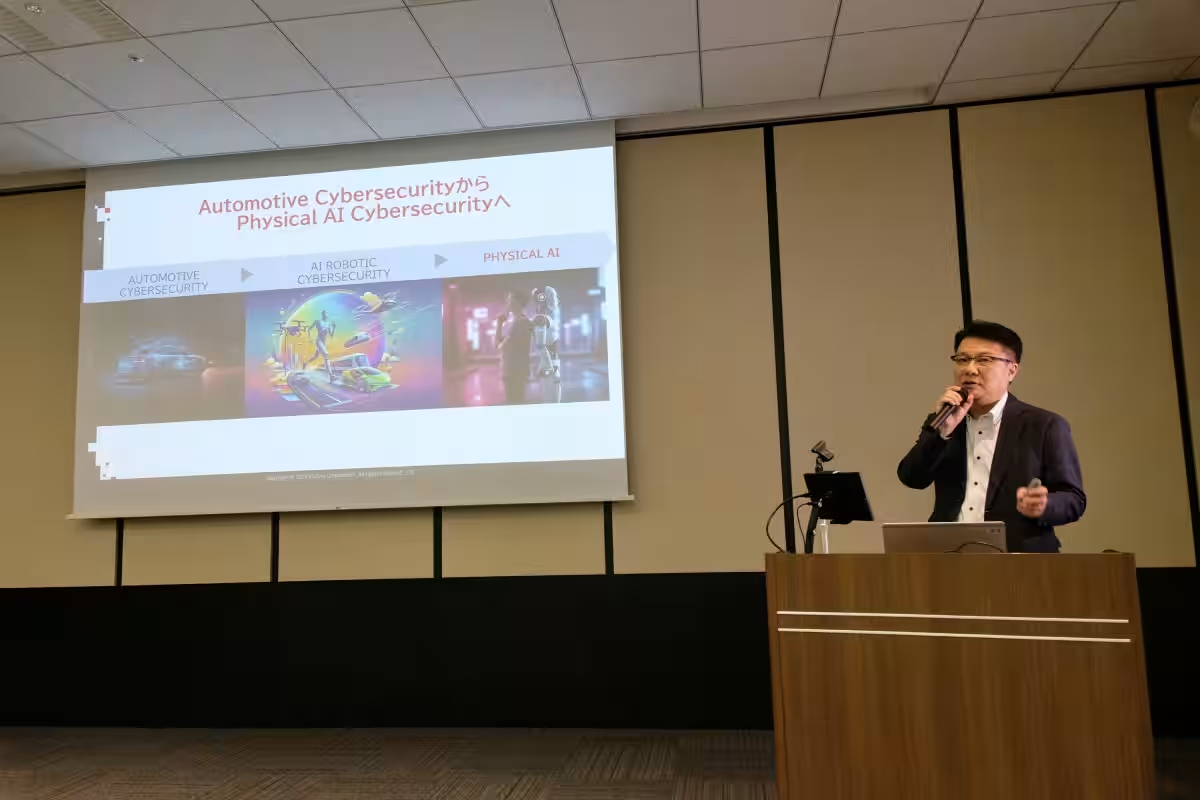
The next session featured Seiki Hara, CTO at VicOne Corporation, who discussed recent developments in cybersecurity related to physical AI sectors like automotive and robotics. Hara highlighted new risks associated with the proliferation of AI, including attacks that target AI systems themselves or exploit AI agents. He noted that advancements in generative AI accelerate the discovery of vulnerabilities and the creation of malware, creating an environment favoring attackers. Nevertheless, he countered that defenders can utilize AI to enhance threat detection and analysis capabilities, proclaiming that the era of AI-driven attacks must be met with AI-driven defenses.
Session 3: Real-Time Defense Using AI Infrastructure
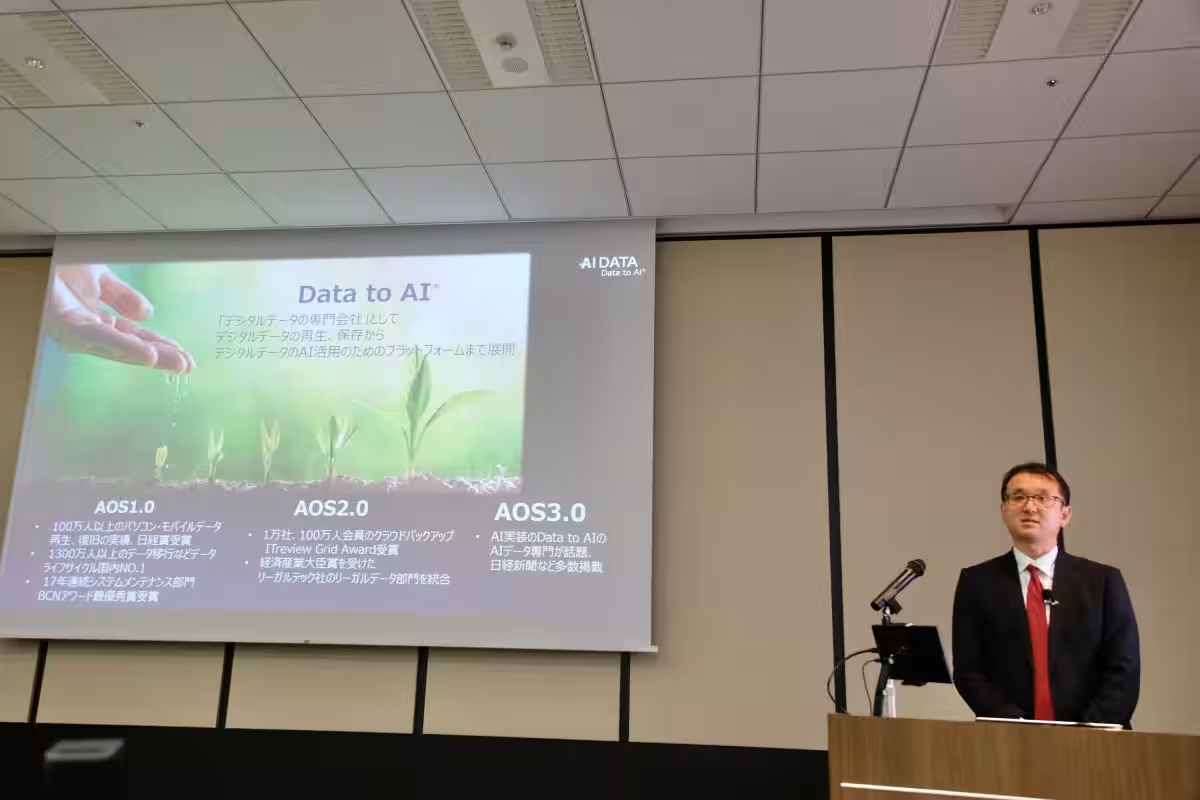
Daisuke Shida, CTO at AI Data Corporation, presented the company’s approach to cybersecurity, which integrates both management and operational perspectives through the “AI InfraSec on IDX” system. He demonstrated a real-time system where AI agents analyze threats and evaluate risks by consolidating technical and access logs. Shida's key message was that cybersecurity should be regarded as a foundational element for competitive advantage and business continuity, rather than just a defensive measure.
Session 4: Building AI Trust
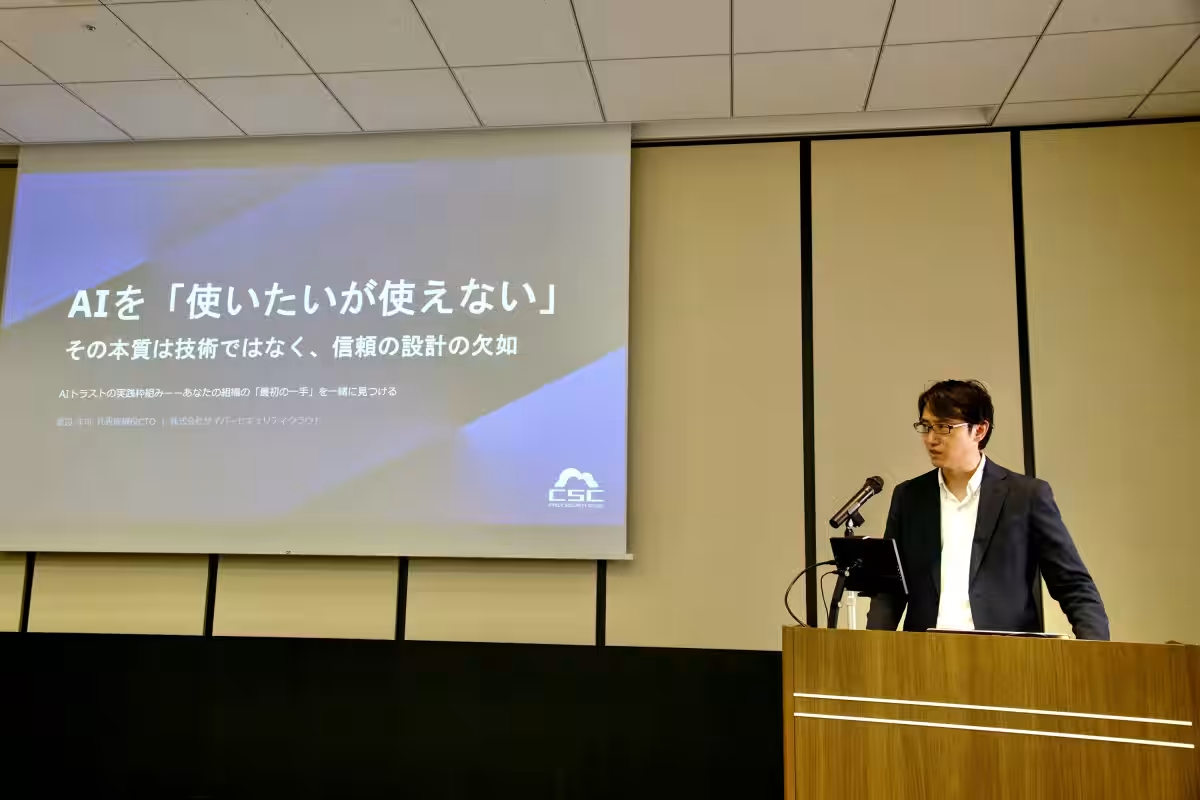
Yoji Watanabe, CTO of Cyber Security Cloud, highlighted the urgent need for governance and security measures to keep pace with the rapid adoption of generative AI. He introduced the concept of “AI Trust,” explaining the emerging risks, such as data breaches and access management issues, that arise with AI agents’ proliferation. Watanabe proposed five principles for practical trust designs in AI governance that include: trust by design, least privilege, data-intelligence separation, observability, and human override capabilities, stressing the importance of evolving operational maturity alongside rule development.
Session 5: The Transformative Impact of AI on Attacks
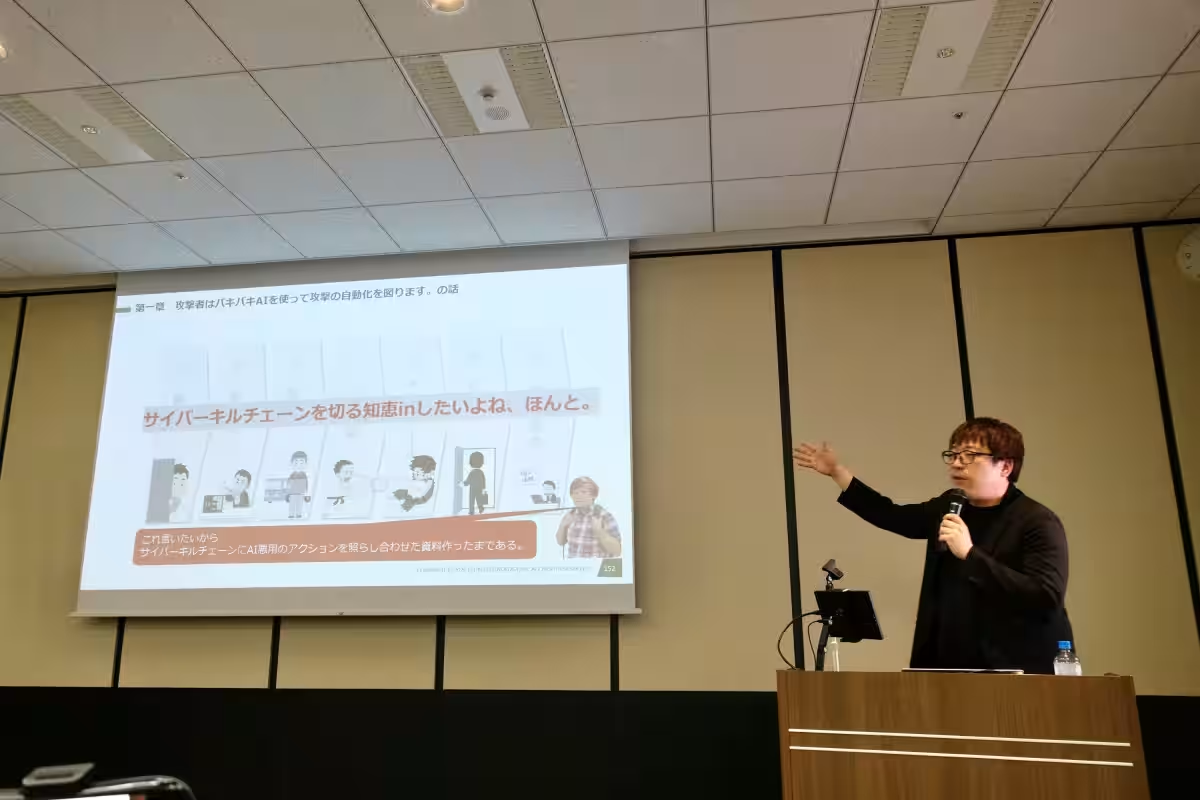
Koji Mori, CEO of Leontec, provided insight from the perspective of cyber attackers, revealing how generative AI is transforming the attack lifecycle. He elucidated how AI automates reconnaissance and attack scenario creation, enabling more extensive and precise attacks. However, he reassured participants that existing security measures are still sufficient to counter these threats, emphasizing the importance of foundational security practices such as asset management and log monitoring while advocating for defenders to leverage AI as well.
Session 6: Zero Trust for Legacy Systems
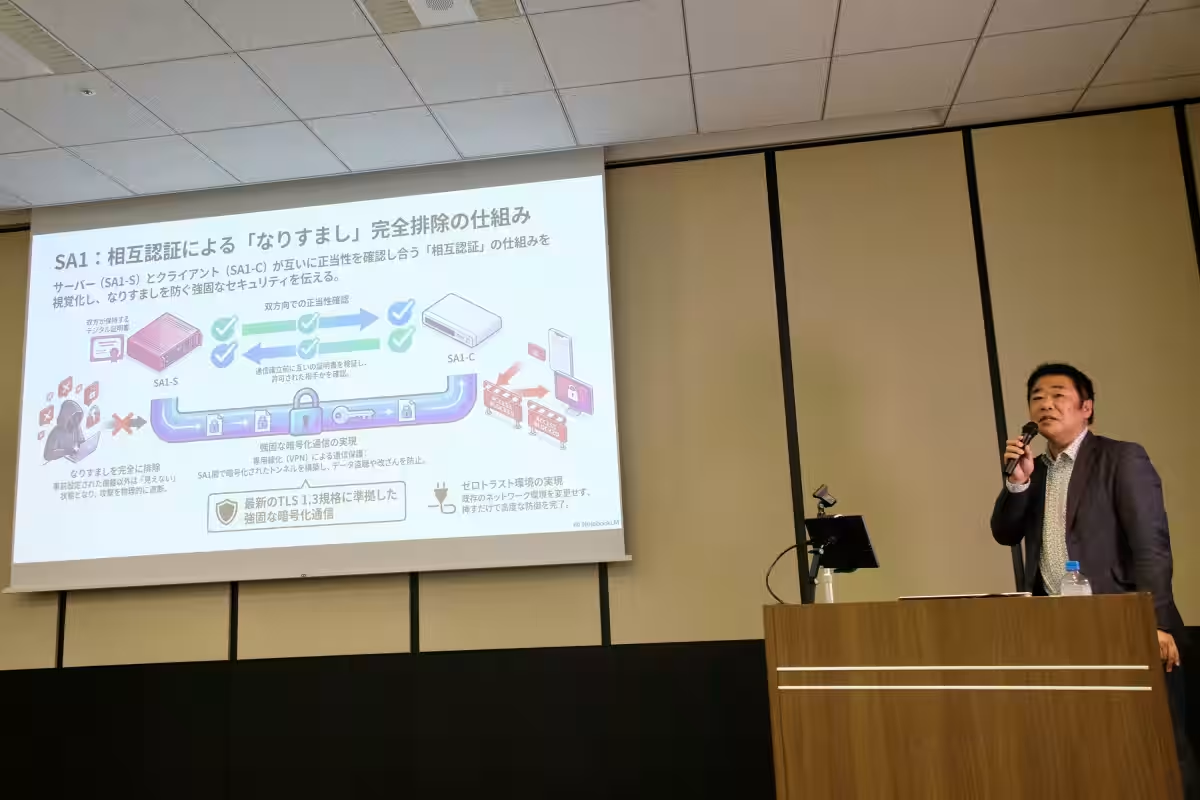
Hideto Takeuchi, CEO of Verification Technology Corporation, showcased a novel approach to securing legacy medical and industrial devices through his company’s “SA1” invisible technology. Takeuchi explained how the concept of keeping devices unseen and untouched can enhance cybersecurity without requiring significant changes to existing infrastructure, particularly crucial in environments where downtime is intolerable.
Session 7: Forensic Strategies for Incident Response
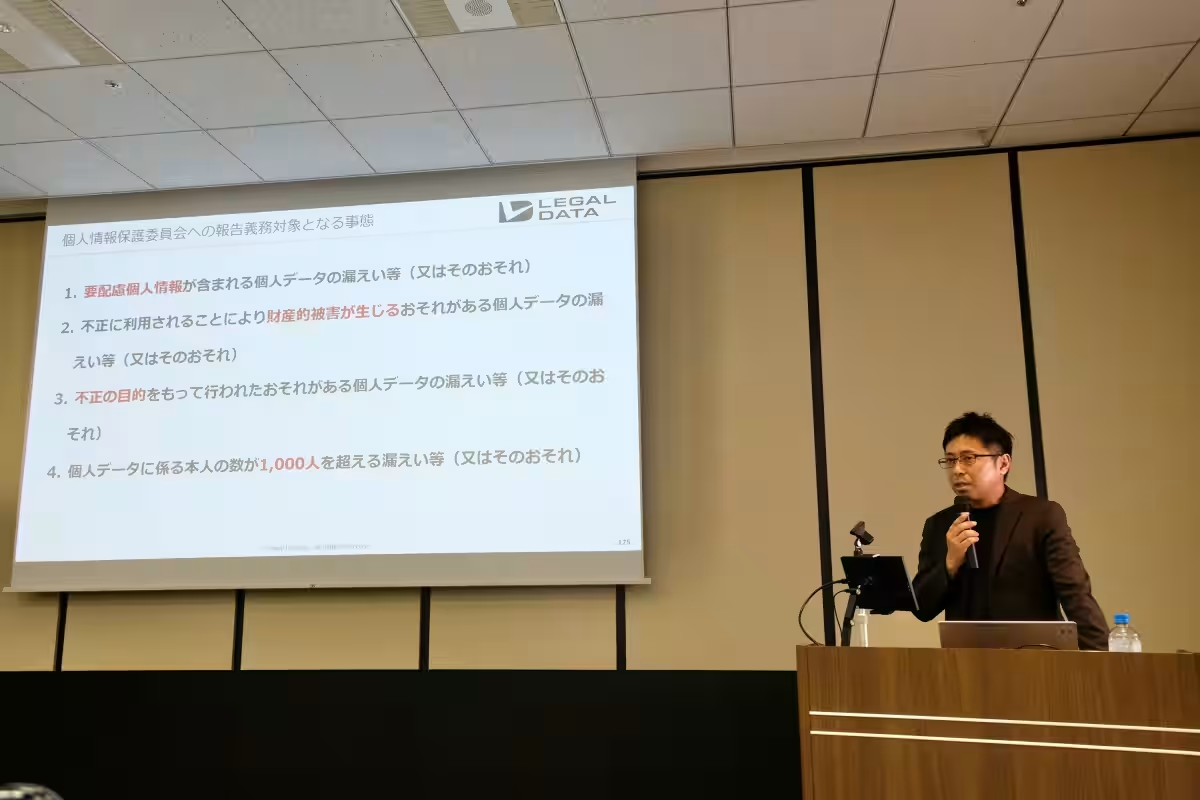
Yoshiaki Morita, CEO of Legal Data Corporation, discussed the rising threats posed by ransomware and unauthorized access and the crucial role of forensics in incident response. He advocated for the ability to rapidly analyze logs and operational history to ascertain the presence of personal data during an incident, asserting that accurate fact verification can mitigate damage and support swift corporate decision-making.
Conclusion: The Future of Cybersecurity
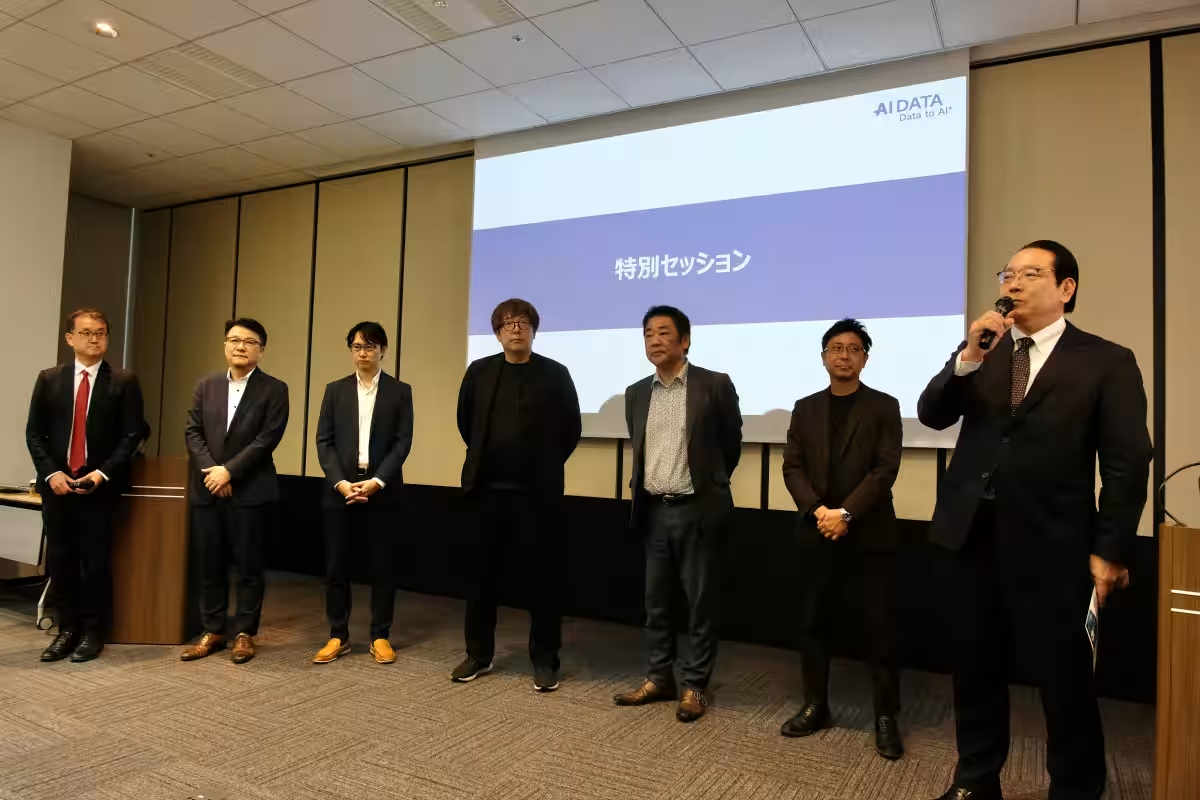
In a special session, all speakers engaged in a dialogue regarding the future landscape of cybersecurity in the AI era. They concurred on the enhanced relevance of data management and governance as AI usage expands. Importantly, the consensus emerged that AI should be a partner in decision-making, augmenting productivity and competitiveness, while also highlighting the critical nature of developing new competitive advantages through strategic AI and data utilization.
For further details and future forums, visit the AI Data Corporation website.

Topics Other)
【About Using Articles】
You can freely use the title and article content by linking to the page where the article is posted.
※ Images cannot be used.
【About Links】
Links are free to use.