



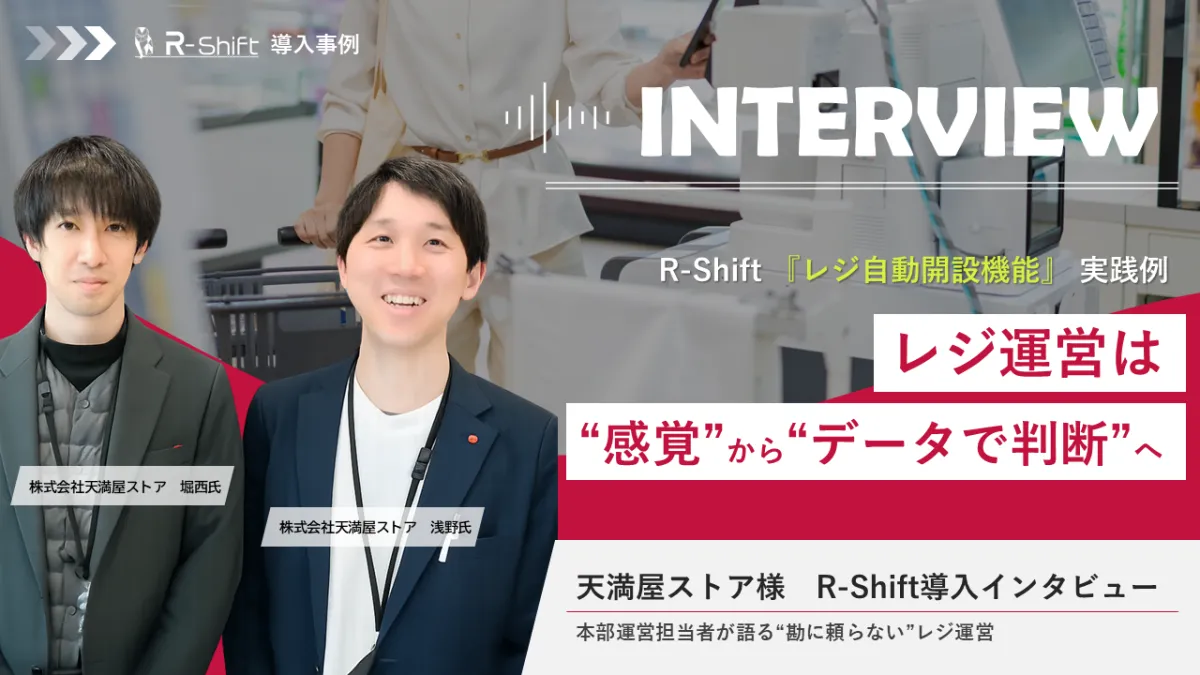
Transforming Retail Operations: Tenmaya Store's Shift to Data-Driven Management
Introduction
The question "How many cash registers should we open today?" is quite common in retail settings. However, how often can this judgment be explained with solid reasoning? Tenmaya Store, a prominent supermarket chain based in Okayama, Japan, has revolutionized this process through a data-driven approach to store management, beyond just creating employee shifts. Implementing their shift management system, "R-Shift," in the cash register department in spring 2023 marks an important milestone in their operational journey. In this article, we explore the transformative changes and practical aspects of their initiatives through insights from the operation managers.
The Evolution of Tenmaya Store
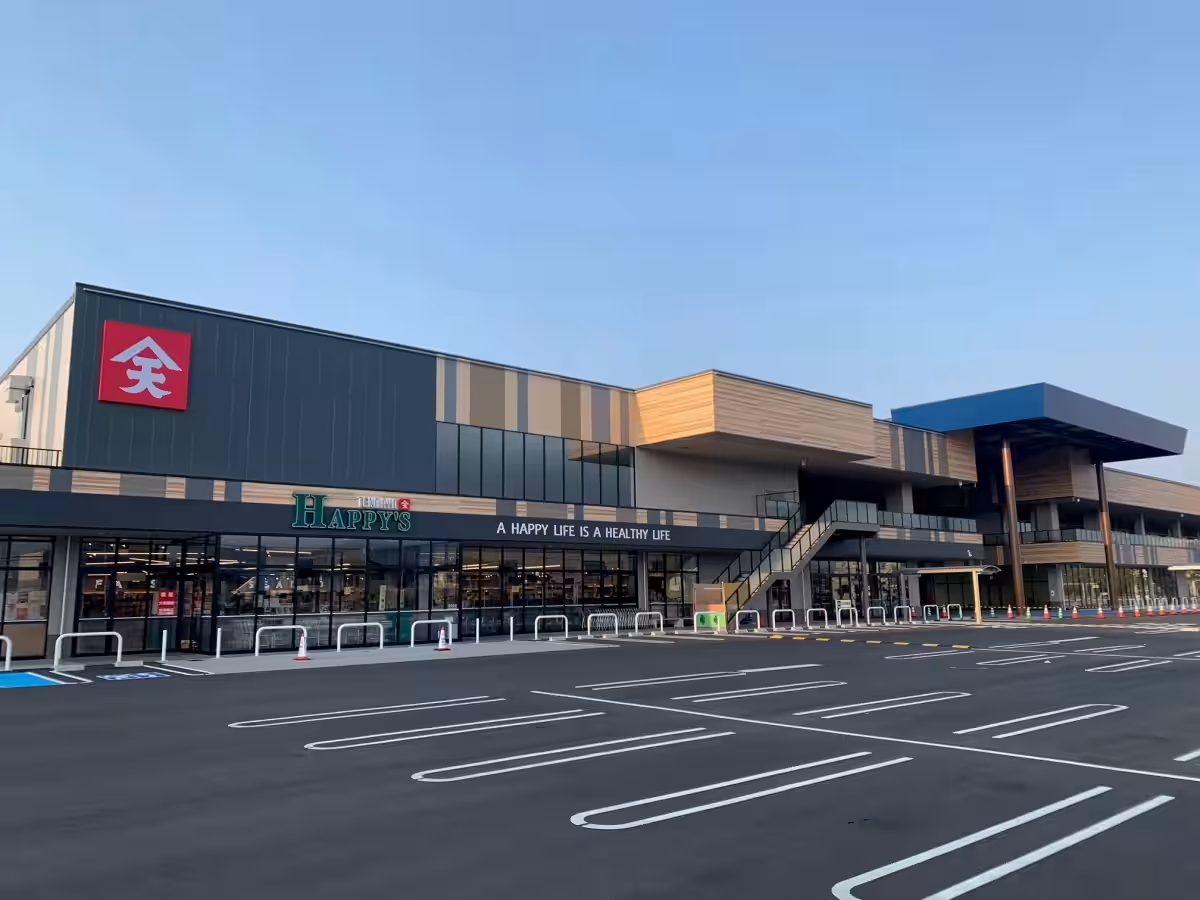
Tenmaya Store is a locally rooted supermarket chain that has supported several communities in Okayama for years. While they have honed their on-site capabilities, they have also proactively engaged in data utilization. Beyond optimizing shifts for cashiers, they leverage data for automated ordering and sales floor operations, enhancing the precision of their store operations as a whole. Rather than merely promoting digital transformation (DX), they have integrated these practices into their operational framework. As a result, they maintain a robust sales per labor hour range of approximately 19,000 to under 20,000 yen, showcasing outstanding productivity compared to similar-sized supermarket competitors.
Insights from Management
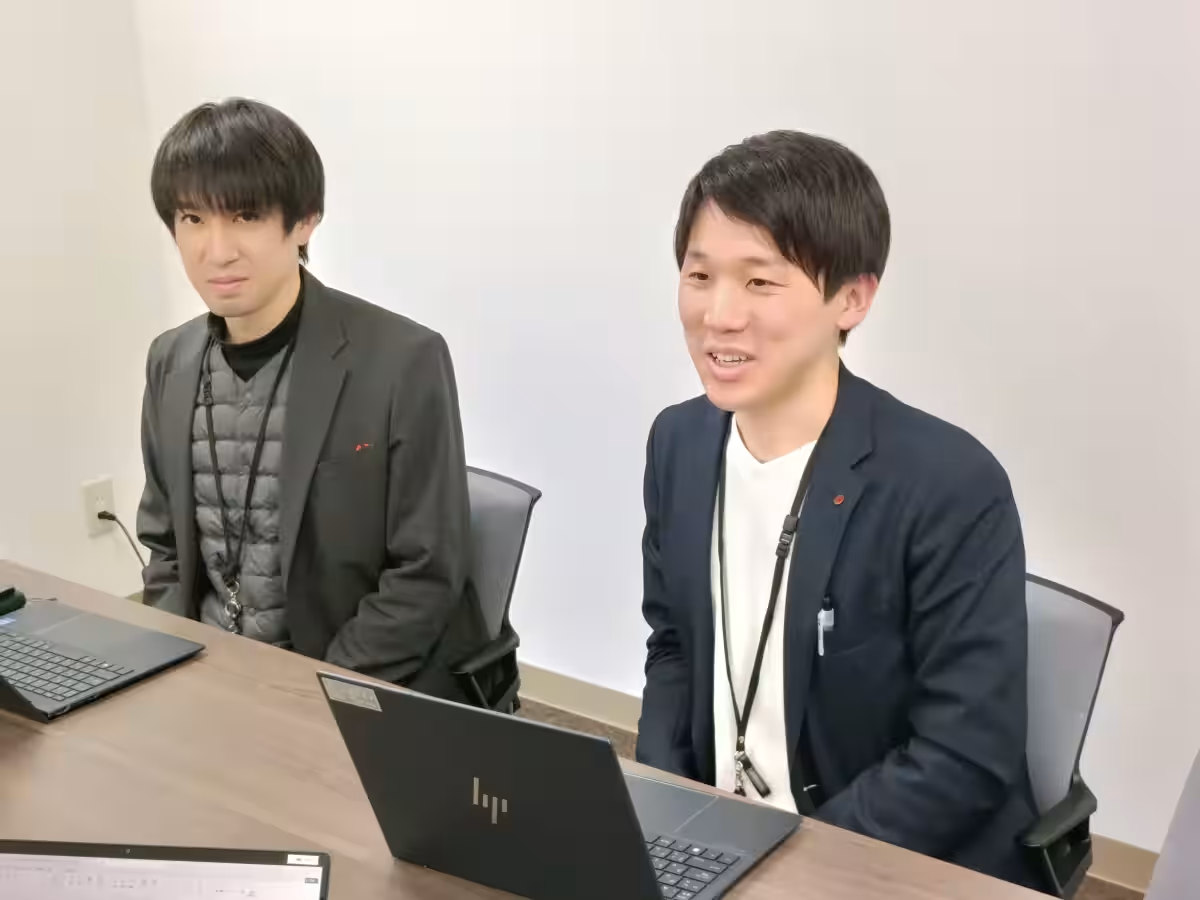
We interviewed two key individuals pushing these initiatives forward:
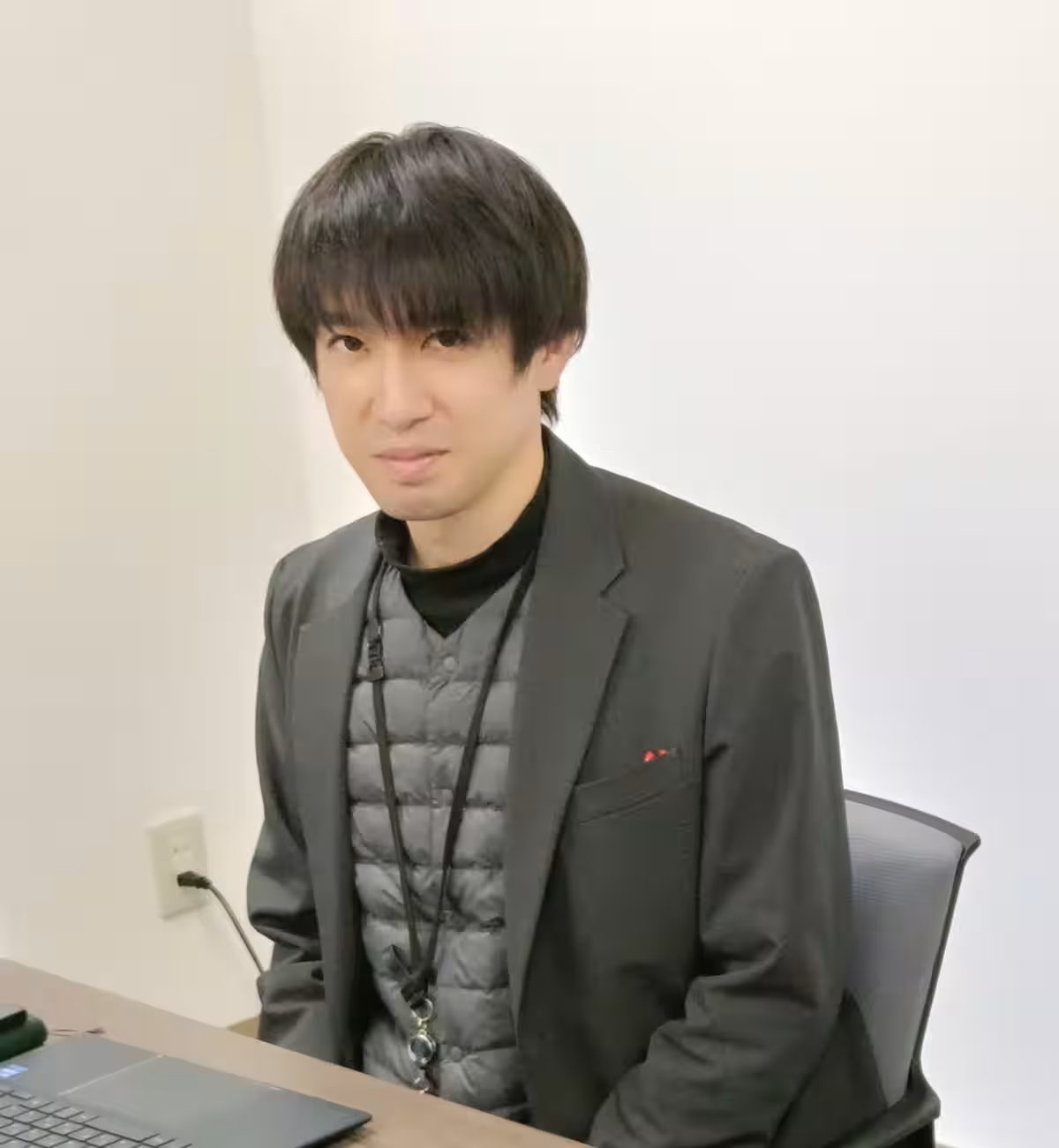
- - Asano: After gaining experience across multiple stores in the produce department, he moved to the head office, currently overseeing store operations, membership card projects, and information systems, including the operation of R-Shift.
- - Horinishi: After working as a buyer for processed foods and beverages, he transitioned to the information systems department, focusing on R-Shift's operational oversight.
Challenges with Traditional Shift Management
Previously, shifts were created using paper or Excel spreadsheets, combining employee requests with considerable effort. The need to decide how many registers to open at what times was also complex, influenced by various factors like day of the week, weather conditions, and promotional events, heavily relying on the experience of seasoned staff. Reflecting on the challenges faced, Asano stated:
"There were times when I struggled to explain why there were so many customers on a certain day. Additionally, in new stores or relocated positions, previous experiences often didn't apply."
The necessity for reproducible judgment to consistently achieve their guideline of "store-first principles" led Tenmaya Store to embark on data-driven shift creation.
Implementing Data-Based Decision Making
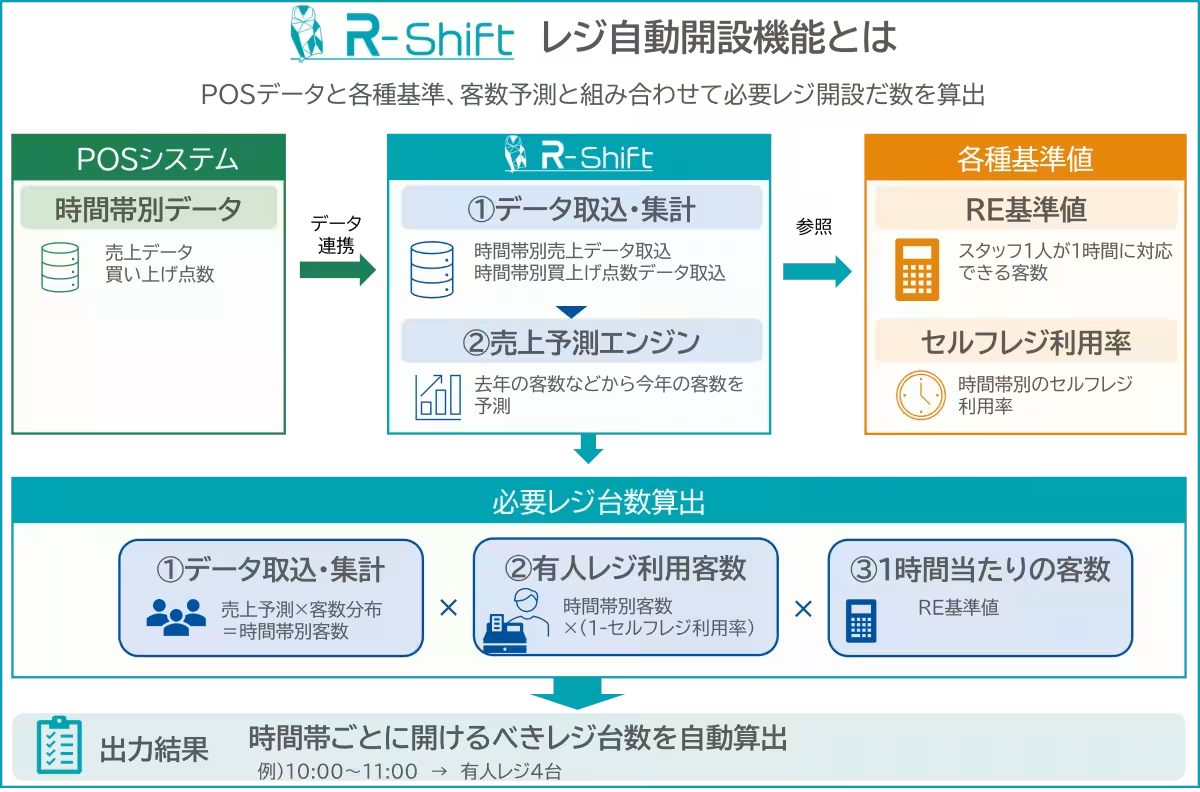
The company focused on R-Shift's "automatic cash register opening feature." By linking sales and transaction volume data from POS systems to R-Shift, they can accurately predict the optimal number of registers to open at specific times. Furthermore, the system also automates staff allocation to specific registers, making work scheduling easier. Asano commented on the precision of the automated opening:
"We conducted daily verifications, and the discrepancies in the number of openings and timings compared to experienced staff were negligible. While some fine-tuning was necessary, overall, we identified significant efficiency gains."
This conclusion motivated them to implement R-Shift across all 37 stores, including those with only two staffed registers.
Changes Observed in Operations
Post-implementation, the foremost feedback from the field was a remarkable shift in operational efficiency. The time spent on creating shifts decreased substantially, and they began generating work schedules, streamlining day-to-day tasks. Horinishi shared some unexpected changes as well:
"For those involved in register operations, there are often heightened sensitivities when asking them to assist with shelving products. However, with the system's structure in place, it became easier to request assistance, reducing psychological burdens on supervisors. Additionally, for less experienced staff, sharing a work schedule rather than providing direct instructions felt less stressful."
They also experienced advances in workload distribution at the registers:
"Registers tend to experience uneven workloads, but with automatic rotations changing placements every hour, we could distribute the burden more evenly. This is something we couldn't have accounted for with manual operations."
Impact on Labor Productivity
For Tenmaya Store, which has consistently maintained high sales per labor hour, the implementation of R-Shift had substantial impacts. Horinishi articulated:
"Honestly, I think that stores with several dozen registers may yield better labor productivity. In smaller stores, however, the impact in terms of workforce reduction is limited. However, we can now assign personnel to different tasks outside register hours, drastically improving our work quality. We see this as not simply reducing the workforce but optimizing operations to enhance productivity."
Extending Beyond Registers
Currently, Tenmaya Stores is exploring the expansion of R-Shift's data-driven approach beyond the register department to other areas. They aim to revamp work scheduling in sections such as produce and prepared foods, promoting multi-skilled workers. Ultimately, they aspire to derive data-driven conclusions on "which tasks to carry out, when, and how much" to achieve reproducible operations across the entire store.
Conclusion
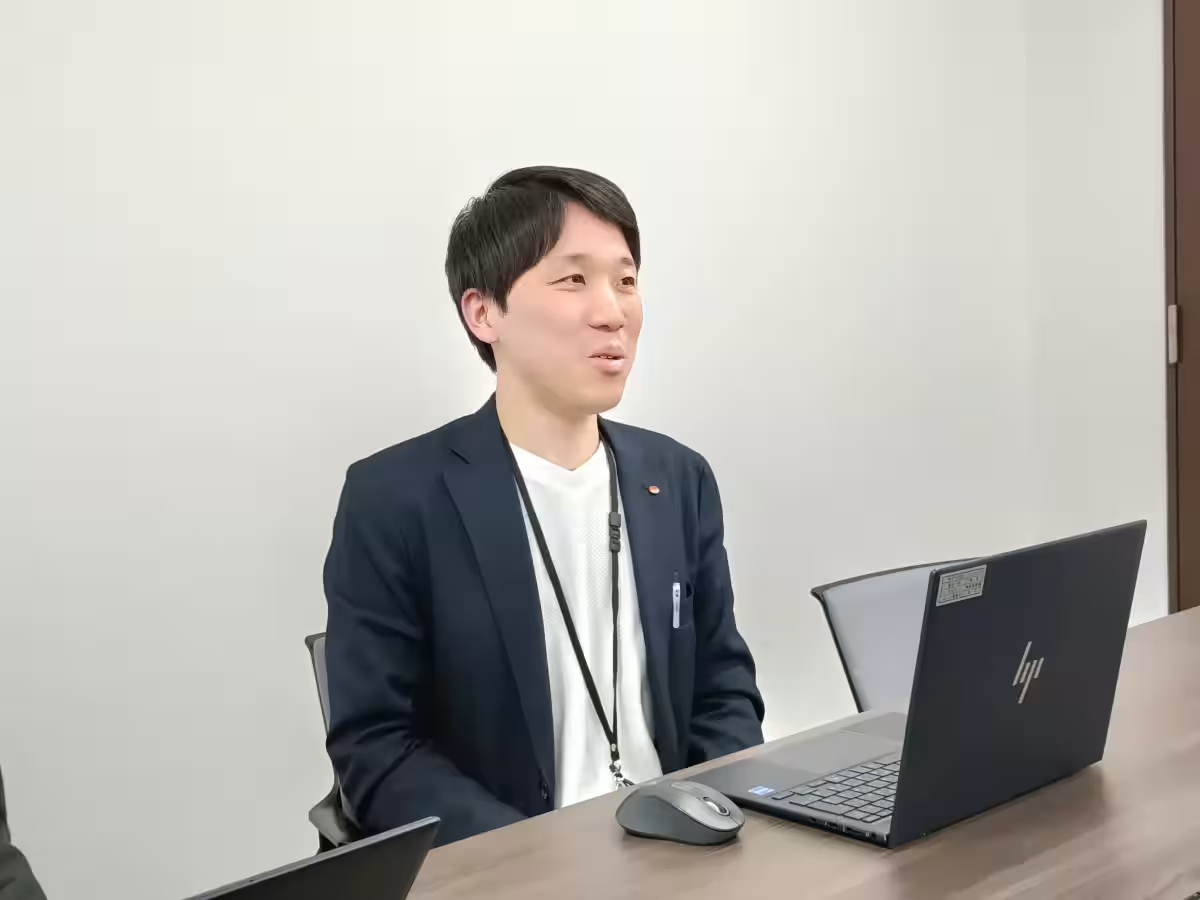
After our discussions, Takuma Asakawa, Manager of Strategic Planning, reflected on the operational experience:
"I initially thought we would pit seasoned shift creators against the system. Since the positioning of registers directly impacts sales, I had heard about the strong pride of experienced staff. Surprisingly, when we announced the system implementation, there were no negative reactions, highlighting that the mindset for data utilization was already ingrained in the company."
Company Overview
- - Name: OM Network, Inc.
- - Location: Niigata City, Niigata Prefecture
- - CEO: Shinya Yamagishi
- - Business Activities: Development of business systems, shift management system "R-Shift"
- - Website: OM Network




Topics Consumer Products & Retail)

【About Using Articles】
You can freely use the title and article content by linking to the page where the article is posted.
※ Images cannot be used.
【About Links】
Links are free to use.