



Hino City Implements Carbon-Pool Concrete for Eco-Friendly Roads and Sidewalks
Hino City Embraces Carbon-Pool Concrete to Combat CO2 Emissions
In a significant move towards achieving its vision of becoming a "Carbon Neutral City HINO," Hino City is pioneering the use of Carbon-Pool Concrete (CP Concrete) in its urban landscape. This initiative is particularly notable as it marks the first application of this innovative concrete material in road surfaces within the city. The city's Climate Citizen Council has been vocal about supporting businesses that focus on environmental sustainability and developing devices that help absorb CO2. The introduction of CP Concrete is a strategic effort to promote such new technologies that contribute to carbon neutrality.
What is Carbon-Pool Concrete?
Developed by a consortium of 15 private companies and universities under the auspices of NEDO (New Energy and Industrial Technology Development Organization), Carbon-Pool Concrete possesses unique properties that enable it to absorb and fix carbon dioxide. This revolutionary material not only aids in reducing environmental impact but also extends the longevity of infrastructure. CP Concrete is seen as a crucial tool in addressing the carbon footprint of sectors like civil engineering and construction, historically recognized for their substantial CO2 emissions.
Recent Developments in Hino City
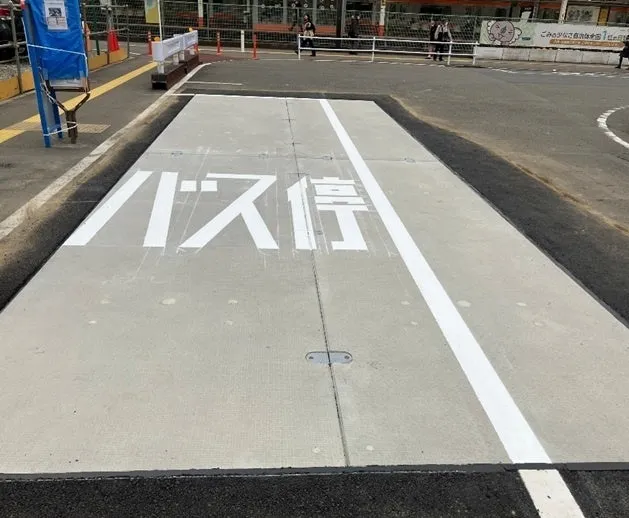
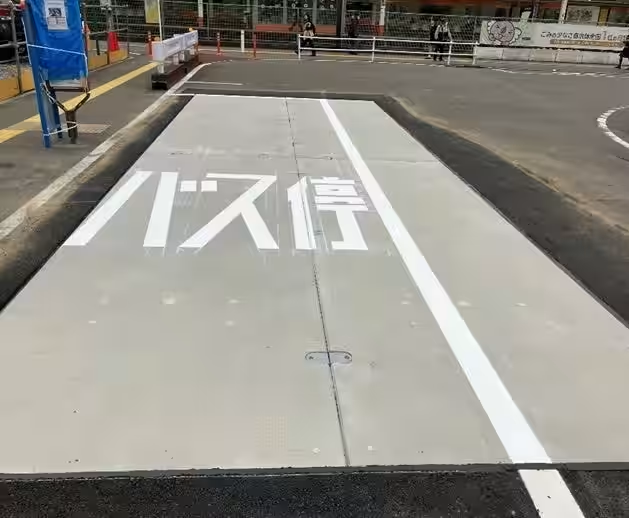
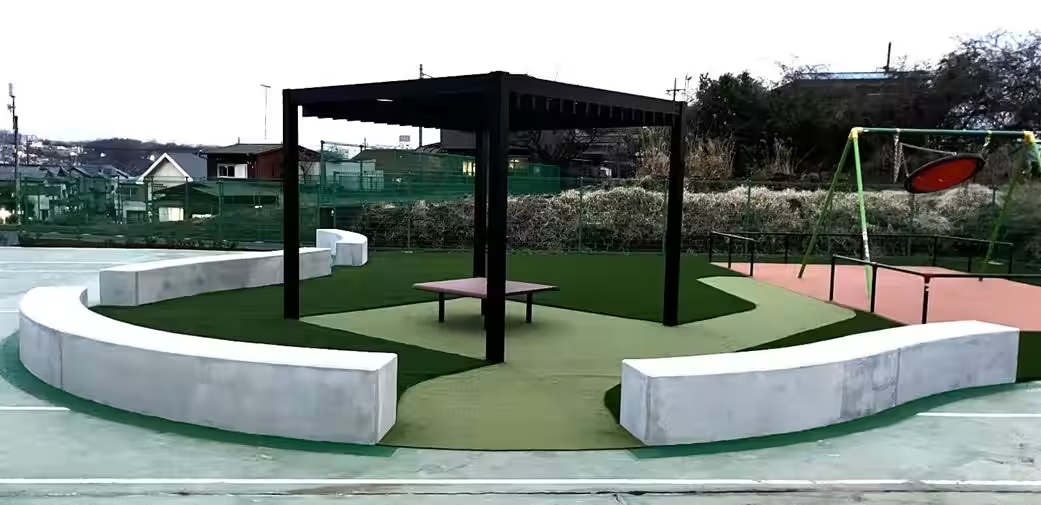
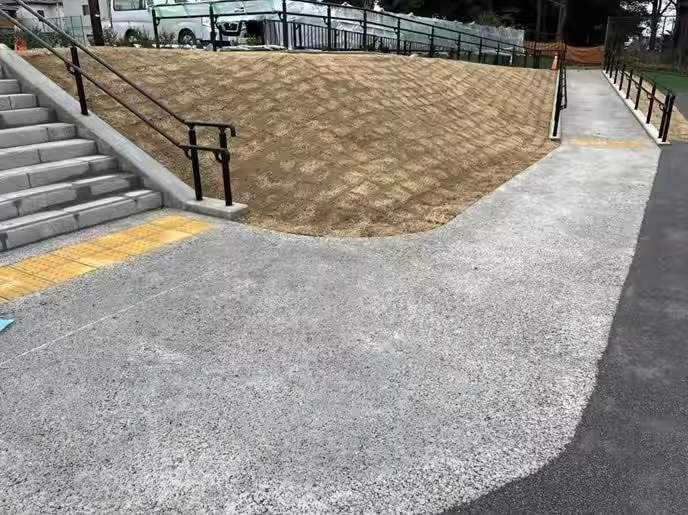
Hino City recently executed a series of installations of CP Concrete in various public spaces, showcasing its commitment to sustainability. Noteworthy projects include the installation of CP Concrete at the bus stop in front of Toyoda Station and the pathways at Nishihirayama Asobiba, making it the first instance of such application in Japanese public road infrastructure. Furthermore, concrete benches made from CP Concrete were placed in Nishihirayama Asobiba, marking another first in this initiative.
The application of CP Concrete at Toyoda Station's bus stop alone is expected to absorb approximately 0.1 tons of CO2, while the pathways and benches at Nishihirayama Asobiba will contribute to an impressive absorption of around 2.5 tons of CO2.
Long-term Benefits and Durability
One of the remarkable attributes of CP Concrete is its durability, matching or exceeding that of traditional concrete structures. By switching from asphalt to CP Concrete for paving, the lifespan of these infrastructure components is anticipated to increase fivefold. This extended durability can significantly reduce the frequency of repairs and reconstructions, thereby lowering lifecycle costs associated with these public facilities.
Implementation Timeline
The implementation of CP Concrete is expected to follow a specific timeline:
- - February 2026:
- Placement of benches at Nishihirayama Asobiba
- Pathway paving and construction of parking and entrance areas at Nishihirayama Asobiba
- - June 2026 (planned):
Quantitative Overview
- - Area of CP Concrete:
- Nishihirayama Asobiba benches: 5 units
- Nishihirayama Asobiba pathways, parking, and entrance: 237 m²
- - Estimated CO2 Absorption:
- Nishihirayama Asobiba benches: 0.9 tons
- Pathways and parking area: 1.6 tons
Conclusion
Hino City's initiative to integrate Carbon-Pool Concrete reflects its dedication to advancing environmental sustainability through innovative technology. As the city collects data and monitors the effectiveness of this concrete, it stands as a model for others aiming for carbon neutrality. With a clear roadmap and the involvement of various stakeholders, the journey towards a greener urban environment has begun in Hino City.
For more information on this project and to follow updates, visit the CP Concrete Consortium website or check their YouTube channel here. For inquiries, you can contact the relevant departments at the provided email addresses.
Topics Environment)




【About Using Articles】
You can freely use the title and article content by linking to the page where the article is posted.
※ Images cannot be used.
【About Links】
Links are free to use.