


Collaboration on Waste Recycling Initiatives at Gadjah Mada University
Collaboration on Waste Recycling Initiatives at Gadjah Mada University
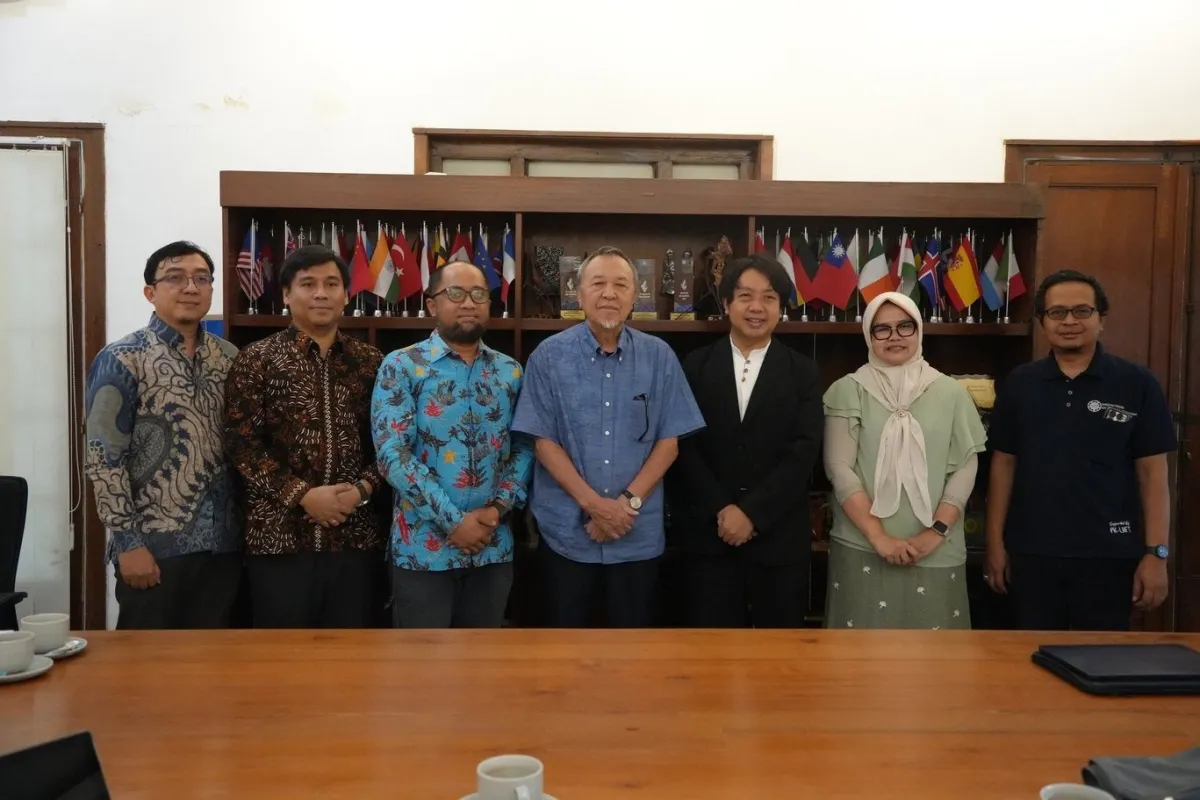
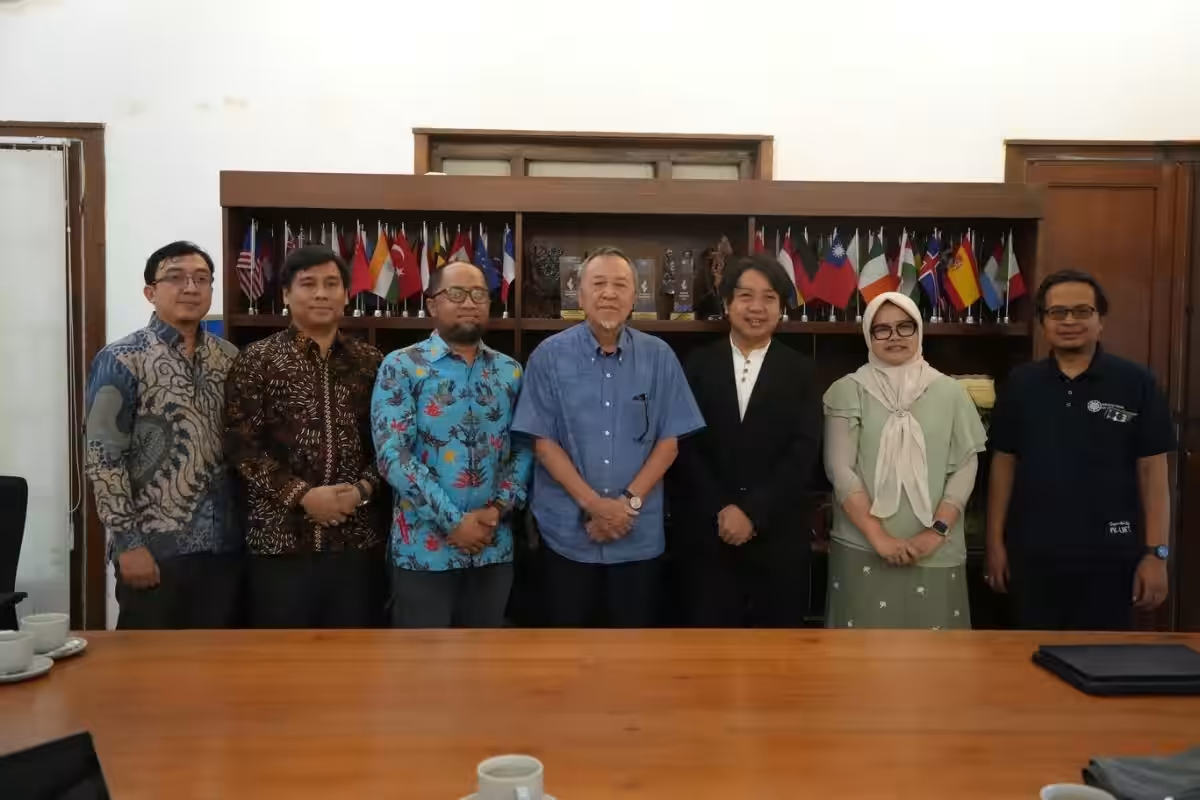
On August 15, 2026, representatives from Space Seed Holdings, led by President Kengo Suzuki, visited the Office of International Affairs at Gadjah Mada University (UGM) in Indonesia's Special Region of Yogyakarta. The meeting, which also included Hirohide Nakamura, Chairman of AAI Inc., aimed to discuss innovative approaches to waste recycling, particularly through biotechnological methods.
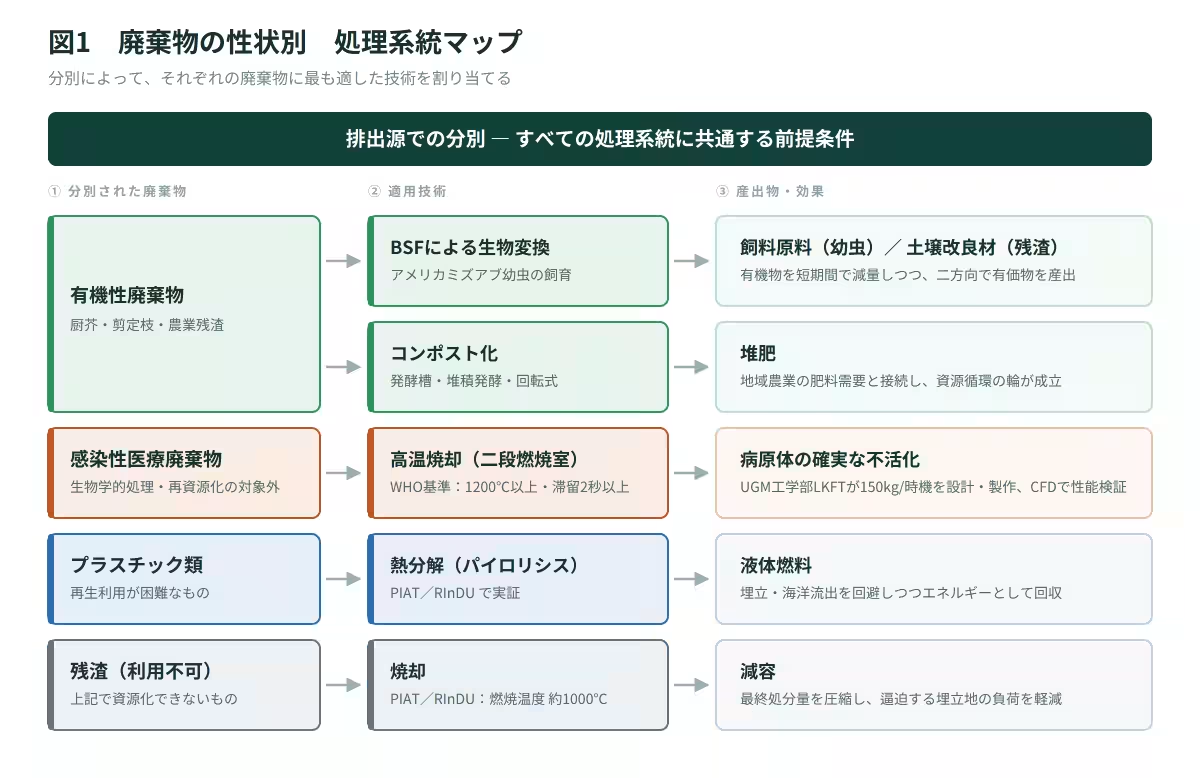
During the exchange of ideas, participants reached a consensus on the importance of waste separation at the source as a prerequisite for successfully utilizing biotechnology in recycling efforts. The dialogue centered on the transformative potential of using Black Soldier Flies (BSF) for waste conversion and composting practices to not only improve environmental conditions but also to achieve economic feasibility compared to traditional waste management techniques.
Context: Waste Management Challenges in Yogyakarta
The Special Region of Yogyakarta faces significant waste management issues, particularly after the phased closure of the Piyungan landfill, which had previously served as a primary waste disposal site. This transition has resulted in a shortage of facilities for waste collection and treatment, making urban waste management a pressing concern for local authorities. The increasing pressure on landfills and the decomposition of organic waste have heightened greenhouse gas emissions, exacerbating environmental burdens and contributing to financial strains on municipal budgets.
Medical waste, in particular, poses an even more severe challenge, with figures from 2019 indicating that Indonesia's 2,820 hospitals and 9,884 health centers generate approximately 290 tons of medical waste daily. However, licensed disposal facilities can only process about 220 tons, leaving around 70 tons unprocessed. In Yogyakarta, only one of the 78 hospitals required to manage hazardous waste has operational incineration permits.
In response, UGM has established a comprehensive waste task force and developed facilities dedicated to researching and treating waste, exploring several technologies including composting and biological conversion using insects. The university is committed to finding locally developed, distributed solutions rather than relying on large imported facilities.
Key Points from the Discussions
The preliminary discussions with assistant Hikmawan and his colleagues highlighted several critical points:
1. Source Separation as a Fundamental Requirement
The success of biological treatment depends on the quality of the organic input materials. If mixed with plastics, metals, or harmful substances, the efficiency of treatment and the quality of the resultant products cannot be guaranteed. This reaffirmed the necessity of rigorous source separation as a prerequisite for the adoption of biotechnology. Conversely, effective design of the separation process opens avenues for resource recovery without the need for expensive pre-treatment facilities.
2. Challenges with Medical Waste
Infectious medical waste necessitates secure inactivation of pathogens, making it unsuitable for biological treatment or recycling. High-temperature incineration remains the most appropriate solution for this waste category. UGM's engineering faculty is collaborating with local enterprises to design and manufacture an incineration facility equipped with dual combustion chambers. This facility aims to meet WHO standards for temperature and retention time.
Additionally, UGM's academic hospital is undertaking life cycle assessments (LCA) to quantitatively evaluate the environmental impacts associated with medical waste management.
3. Effective Technologies for Separated Organic Waste
For well-separated organic waste, the application of BSF for biological conversion and composting presents effective solutions. BSF larvae can significantly reduce waste volume and be used as feedstock, with the residual material serving as a soil amendment. This approach aligns perfectly with agricultural resource demand, facilitating a circular resource cycle.
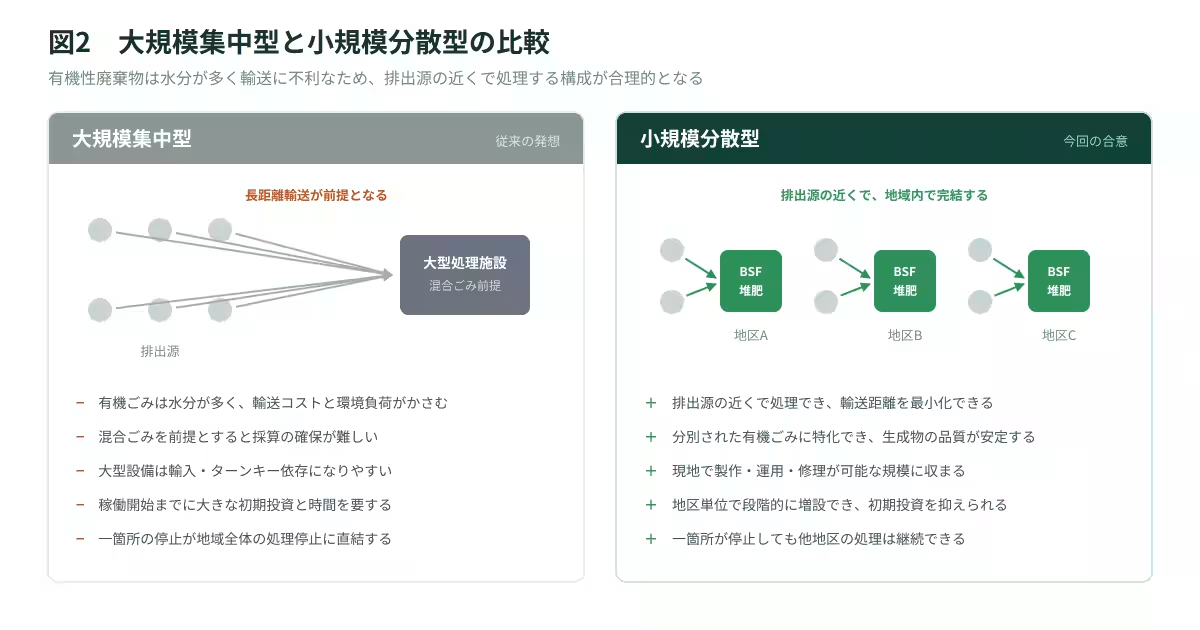
4. Distributed vs. Centralized Solutions
Given the high water content of organic waste, transporting it over long distances incurs additional costs and environmental impact. The consensus emerged that localized, small-scale systems would be both technically and economically viable. This strategy aligns with UGM's commitment to decentralized solutions through locally developed technologies.
5. Dual Benefits: Environmental and Economic
These practices not only mitigate environmental loads associated with landfilling and incineration, but also promise savings in collection and disposal costs while generating revenue through valuable by-products like animal feed and fertilizer. Consensus was reached that these suggestions hold economic merit when compared to traditional waste management methods.
Next Steps
As a follow-up to the positive discussions, Space Seed Holdings aims to collaborate closely with UGM and local stakeholders on establishing a collection system that prioritizes waste separation and the implementation of biotechnology-based recycling models.
About Gadjah Mada University
Gadjah Mada University, a prominent national university located in Yogyakarta, Indonesia, advocates for research grounded in local issues and promotes global partnerships. Their motto, "Locally Rooted, Globally Respected," embodies their commitment to solving regional challenges through collaborative research efforts. Visit their website at UGM.
About Space Seed Holdings
Space Seed Holdings is a deep-tech venture builder focused on turning science fiction into reality. The company is involved in researching, developing, and implementing innovative technologies to tackle societal challenges. More details can be found at Space Seed Holdings.
Looking Ahead
In conclusion, this collaboration marks a pivotal step towards innovating waste management systems in Indonesia, emphasizing biotechnology's role in sustainable resource recovery and the creation of a circular economy.
Topics Environment)



【About Using Articles】
You can freely use the title and article content by linking to the page where the article is posted.
※ Images cannot be used.
【About Links】
Links are free to use.