



Exploring the Reality of Youth Romance and the 'Waiting for Coincidence' Phenomenon
The New Face of Youth Romance: The Paradox of Waiting for 'Coincidence'
In recent years, there has been rising concern regarding the perceived disengagement of youth from romantic relationships. Pairs, a popular dating app in Japan run by Eureka Inc., conducted a survey titled "Survey on Serious Relationships and Meeting People" to understand the actual sentiments of the younger generation regarding love and dating. The findings, released on May 12, 2026, provide crucial insights into the romantic aspirations of individuals in their 20s and 30s.
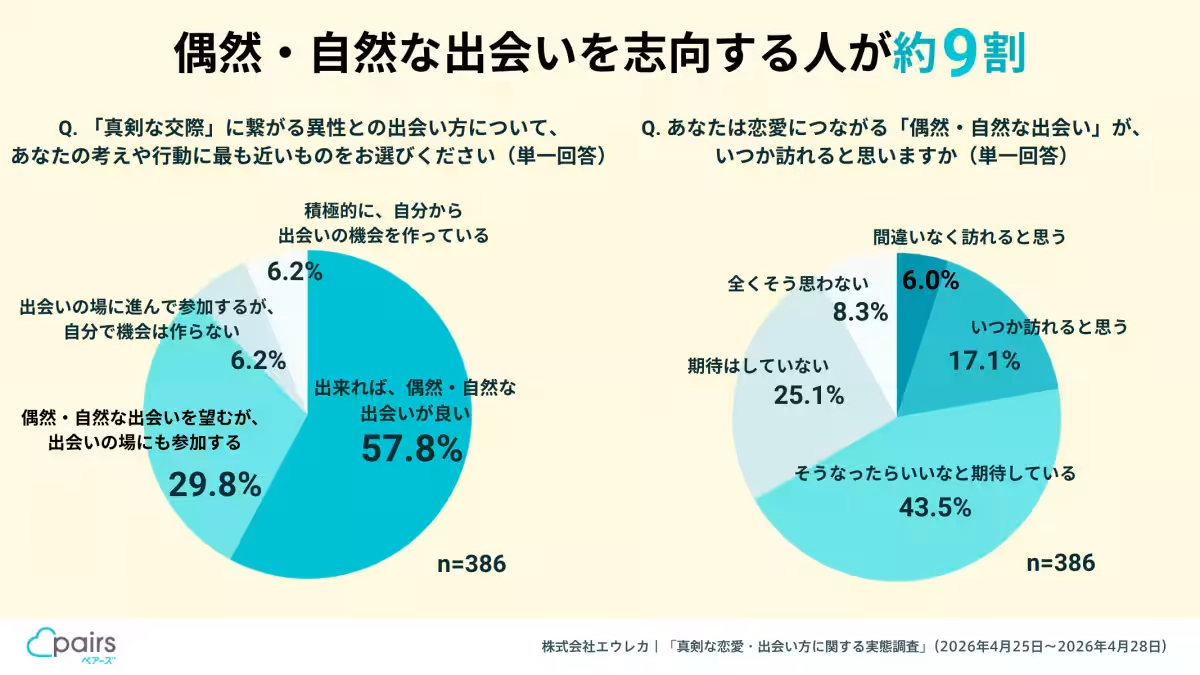
The survey revealed that a significant percentage of young adults, approximately 87.6%, prefer "natural encounters"—those that happen spontaneously rather than through planned interactions. The desire for these serendipitous meetings suggests a hopeful outlook toward love, with around 66.6% of respondents believing that such opportunities may arise in their lives.
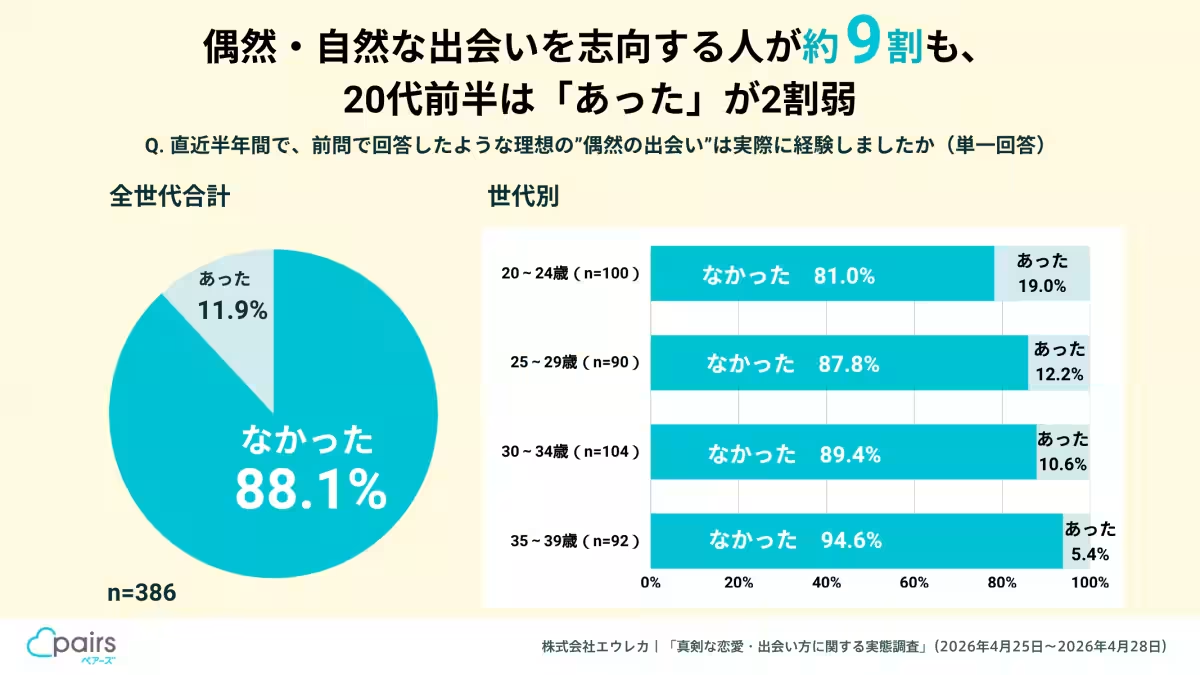
However, there is a notable contradiction in their experiences; nearly 88.1% reported having not encountered their ideal chance meetings within the past six months. This gap between expectation and reality sheds light on the reluctance of many young individuals to actively pursue romantic opportunities, often leading them to wait for luck or fate to take its course.
The findings were further elaborated upon by Gen Z analyst Yohei Harada, who posited that this phenomenon reflects a paradox faced by young people today. While they harbor hopes for romantic connections, the time they should be dedicating to such pursuits is often wasted in waiting, leading to a loss of precious youth. In essence, Harada described the current approach of waiting for 'miraculous' encounters as a significant miscalculation, considering that it is one of the least efficient forms of engaging in romantic pursuits.
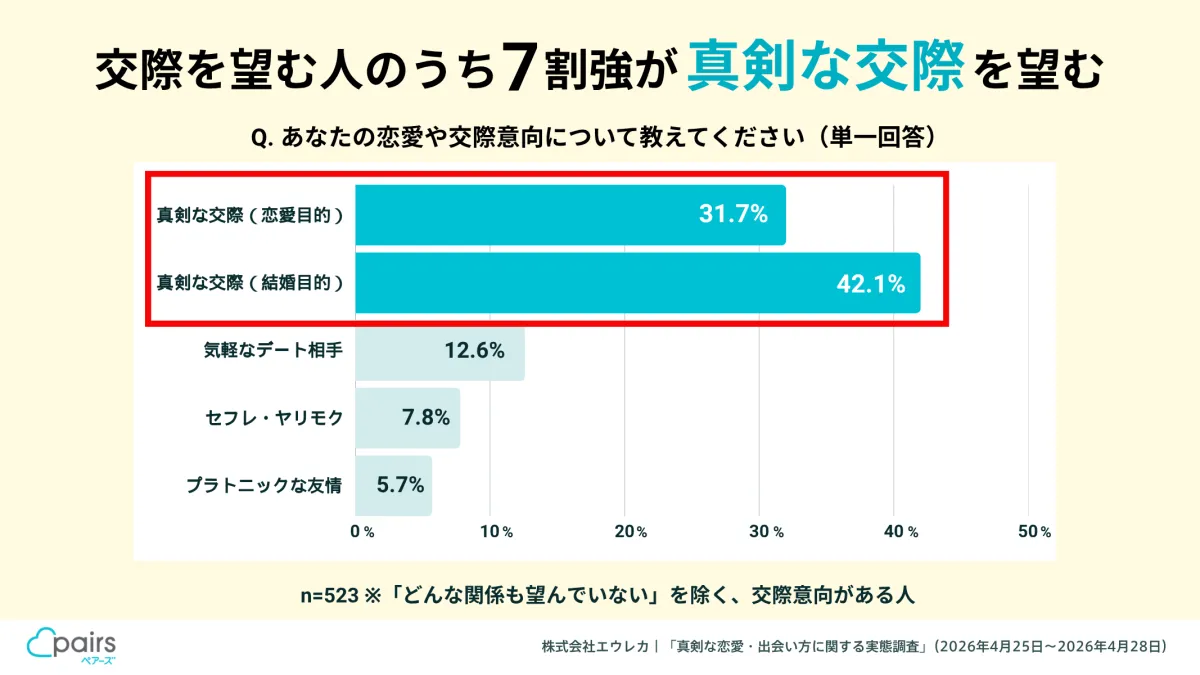
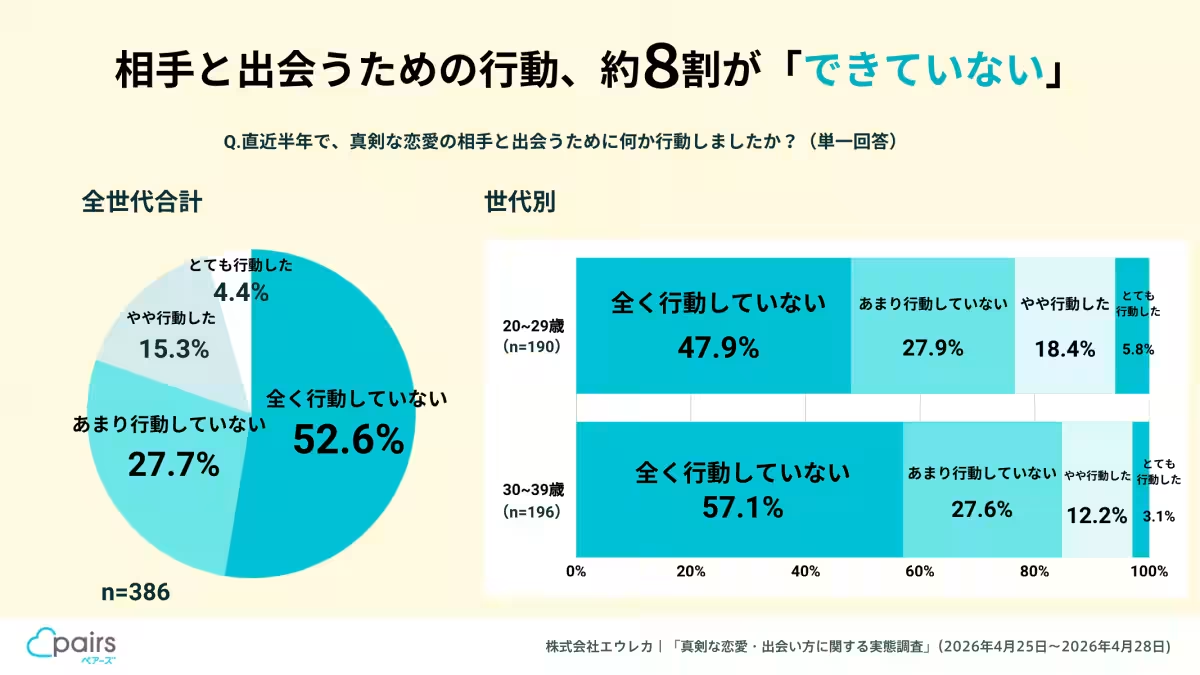
The survey reveals that while many young adults are open to serious relationships, they are hesitant to take active steps toward initiating connections. This hesitance is seen in the results: a mere 6.2% of individuals reported actively participating in environments conducive to meeting potential partners, while over 52% admitted to taking no steps at all in recently seeking love.
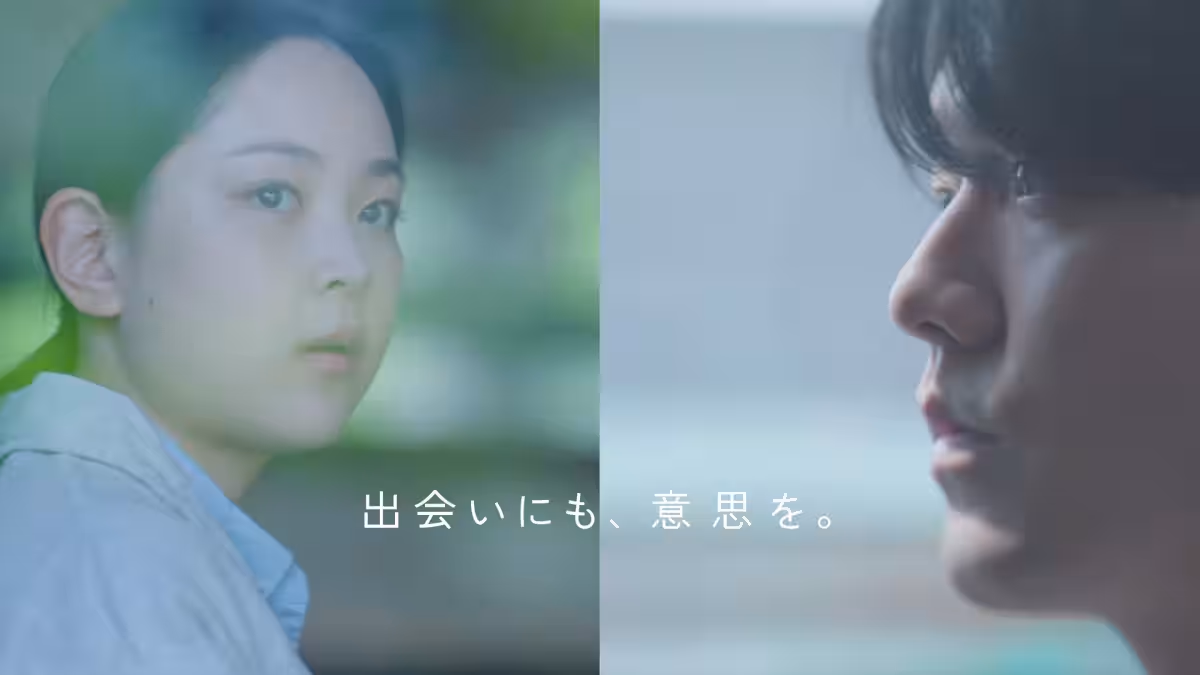
Pairs' initiative, reflected in the new tagline "Meeting with Intent," encourages users to embrace the idea that forming connections requires action. The survey clearly indicates a cultural shift among younger generations; they expect relationships to stem from meaningful encounters in their day-to-day lives—through friends, work, or natural social engagements.
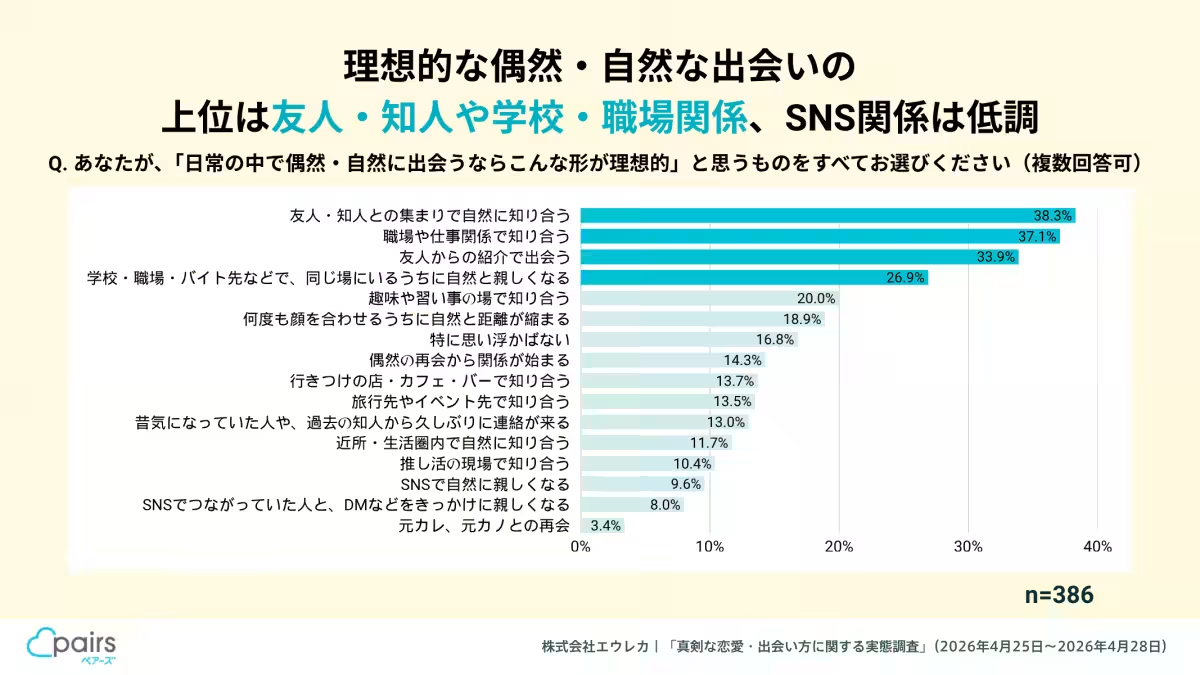
As revealed in the survey, the most favored avenues for these ideal encounters include social gatherings with friends, workplace interactions, and introductions through acquaintances—all rooted in organic social structures. However, the widespread use of social media does not seem to correlate with this trend, as less emphasis is placed on finding romance through digital platforms.
Despite a strong inclination toward serendipitous meetings, the actualization of these desires remains significantly low, leading to a discussion on the role of intentionality in modern relationships. Harada argues that while the youth longer times to decide on romantic engagements, what they are really craving is authentic connection—something that cannot be fabricated but must occur organically.
Ultimately, the characteristics of modern young love tell a complicated story. It's not that they are entirely uninterested in relationships; rather, they appear trapped in a cycle of waiting for something to happen rather than actively pursuing their desires. Pairs, through its survey and ongoing initiatives, seeks to navigate and redefine youth's relationship with romance, urging individuals to break free from the 'waiting game' and engage with new possibilities more intentionally.
Survey Overview
- - Survey Title: Survey on Serious Relationships and Meeting People
- - Survey Duration: April 25 - April 28, 2026
- - Methodology: Online survey
- - Participants: 1,019 individuals in their 20s and 30s, unmarried, and without partners, conducted by PRIZMA Research
The implications of this survey extend beyond mere statistics; they challenge the traditional narratives around youth romance, prompting society to consider the evolving dynamics of love, connection, and serendipity in the digital age.

Topics People & Culture)

【About Using Articles】
You can freely use the title and article content by linking to the page where the article is posted.
※ Images cannot be used.
【About Links】
Links are free to use.