



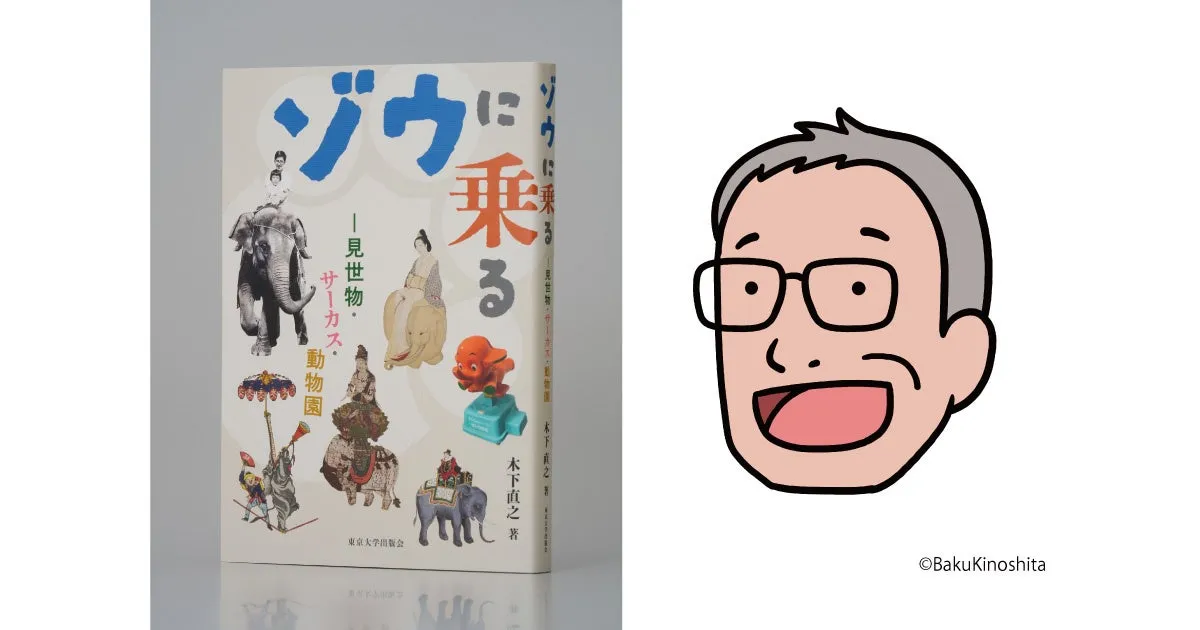
Celebrating the 36th Bunkamura Dumago Literary Prize Winner: 'On Elephants'
The 36th Bunkamura Dumago Literary Prize: Honoring 'On Elephants'
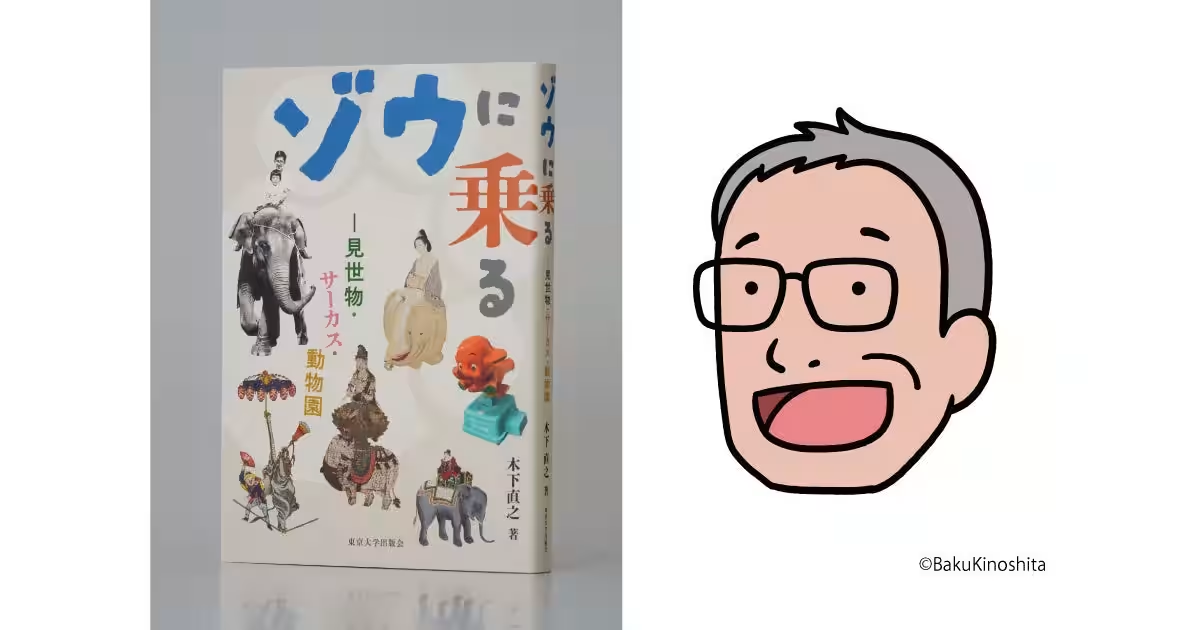
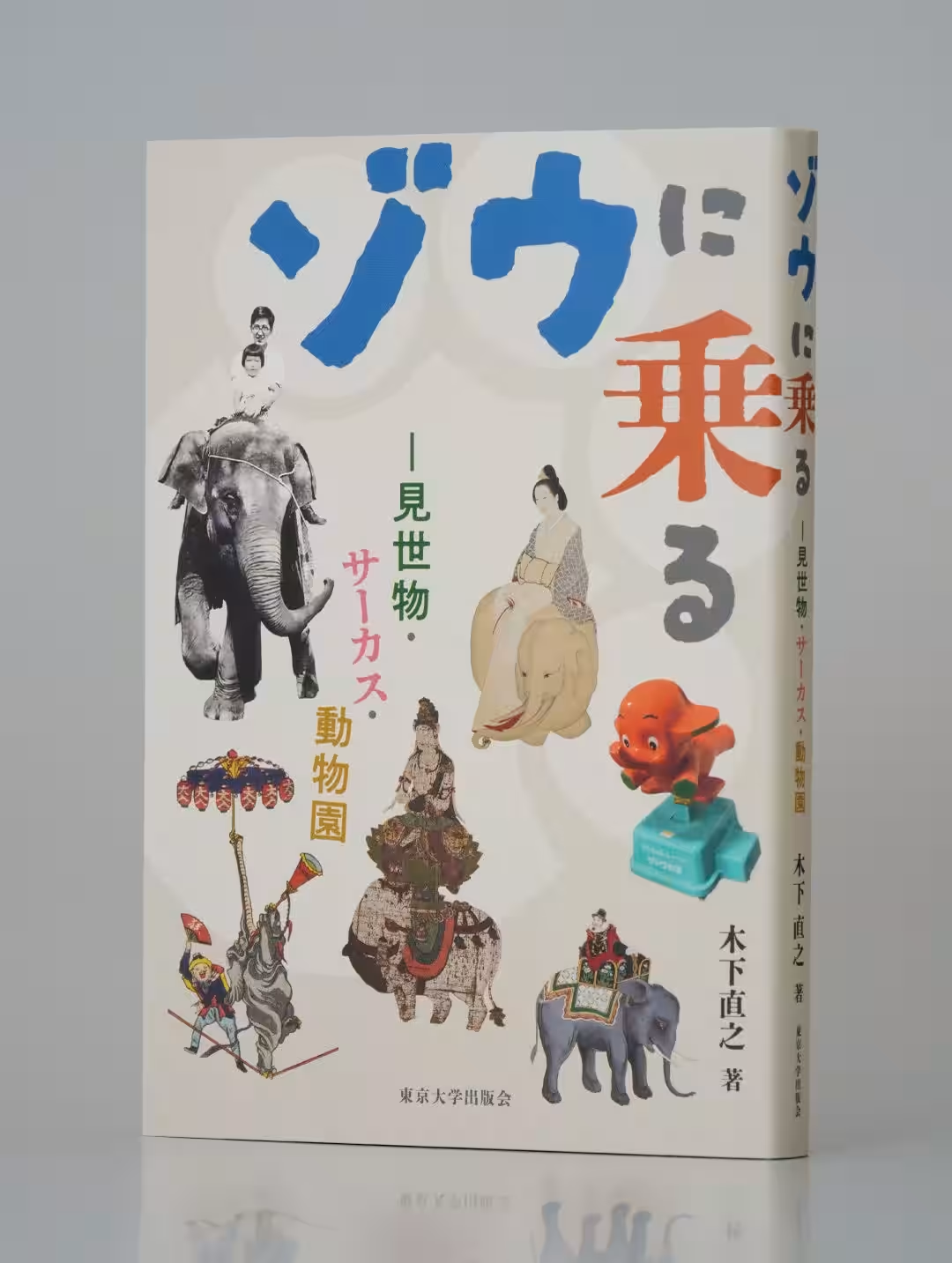
In a tale woven with cultural significance and personal exploration, Naoyuki Kinoshita's 'On Elephants' has emerged as the recipient of the esteemed 36th Bunkamura Dumago Literary Prize. This award, which has been dedicated to recognizing innovative literary talents since its inception in 1990, witnesses a new champion each year, evaluated by a single judge. This year, that responsibility fell to the notable Hiroshi Aramata, a polymath known for his roles as a biologist, novelist, and cultural commentator.
Kinoshita's work delves into the intricate relationship between humans and elephants, discussing various themes surrounding the presence of elephants in Japan. His narrative chronicles the story of Takachan, an Asian elephant, who became a famous figure residing on the rooftop of a department store shortly after World War II. Instead of merely presenting facts, Kinoshita embarks on an exploratory journey that examines how elephants are perceived and utilized in Japanese society through multiple lenses: utilizing themes such as riding, washing, leading, and even consuming elephants.
About the Award and Its Significance
The Bunkamura Dumago Literary Prize is a distinctive homage to the Duma Prize in Paris, which was created as a response to the prestigious Goncourt Prize in the 1930s. Unlike traditional awards that may lean heavily on established norms and authority, the Dumago Prize aims to promote originality and forward-thinking literature. The work chosen for this recognition must escape conventional definitions and engage with innovative viewpoints. Aramata's choice of Kinoshita’s 'On Elephants' reflects this ethos well.
Aramata has articulated the intense pressures of selecting a deserving winner, summarizing the daunting task as one fraught with responsibility and risk. His insight into the process sheds light on the honor, but also the precariousness, of being an arbiter of emergent literary voices.
The Background of Naoyuki Kinoshita
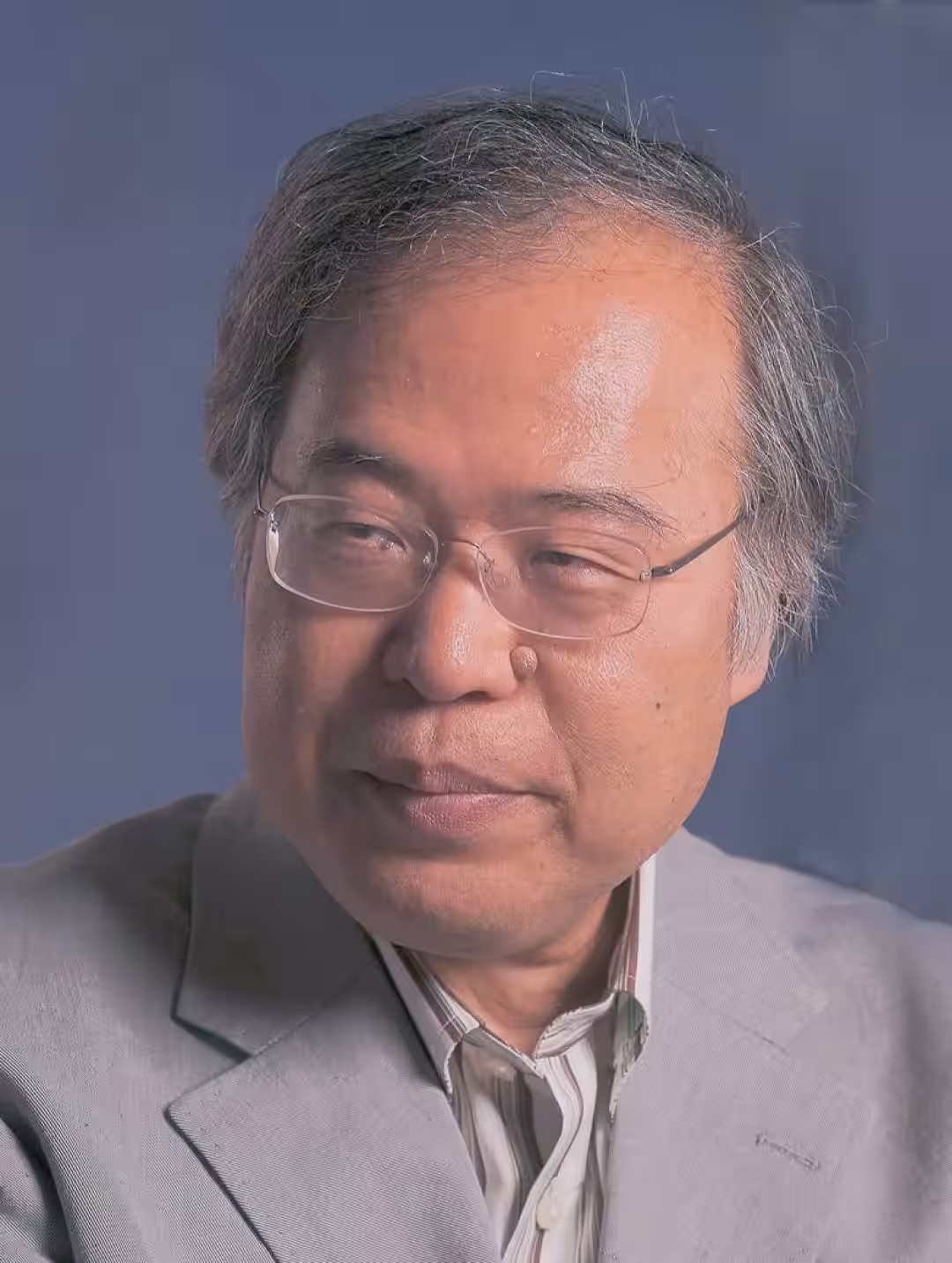
Born in Hamamatsu City, Shizuoka Prefecture in 1954, Kinoshita possesses an academic background that includes a previous position as an associate professor at the University of Tokyo. His unique exploration of art and culture has won him several distinguished awards, including the Suntory Arts Prize and the Minister of Education's Award for Fine Arts. Further, Kinoshita has challenged traditional perceptions of art by considering the construction of meaning within forms deemed non-artistic—like the naked statues inhabiting public spaces or festival floats that he embraces as 'cultural resources.' This innovative thinking marks him as a crucial figure in contemporary literature.
Aramata’s Critique and Praise
In his judgment of Kinoshita's work, Aramata shared reflections that highlight the profundity of seemingly valueless subjects. He sought to illuminate aspects of Kinoshita's engagement with elephants—an endeavor that resonates with the cultural tapestry of Japan. The inquiry surrounding why elephants, which he found to be a vital part of Japan's post-war cultural narrative, remain enigmatic opened the door to considerations of memory, loss, and societal neglect.
The narrative takes an intriguing turn when addressing the notable elephant featured in the film 'The Guys Who Ate Elephants,' suggesting a deeper thematic investigation that mirrors Japan's complex history with the animal. Aramata's commentary ultimately expresses appreciation for Kinoshita's willingness to tread on unconventional ground, tying it to a larger discourse on societal values, and illuminating the lesser-known stories that entwine contemporary and historical constructs.
Looking Ahead
The Bunkamura Dumago Literary Prize looks forward to its next selection, with the 37th iteration set to occur in 2027. The literary community eagerly awaits the insights and selections from the acclaimed writer and French literature scholar, Masatsugu Ono, who will take on the role of judge.
For those intrigued by the intersections of literary and cultural studies, Naoyuki Kinoshita's 'On Elephants' offers a fresh perspective on an often-overlooked symbol of strength and resilience. The work is not only a celebration of storytelling but also a poignant reminder of the narratives that shape our understanding of the relationship between humans and animals in society today.
To explore more about the award and past winners, you can visit the official website: Bunkamura Literary Awards


Topics People & Culture)
【About Using Articles】
You can freely use the title and article content by linking to the page where the article is posted.
※ Images cannot be used.
【About Links】
Links are free to use.