



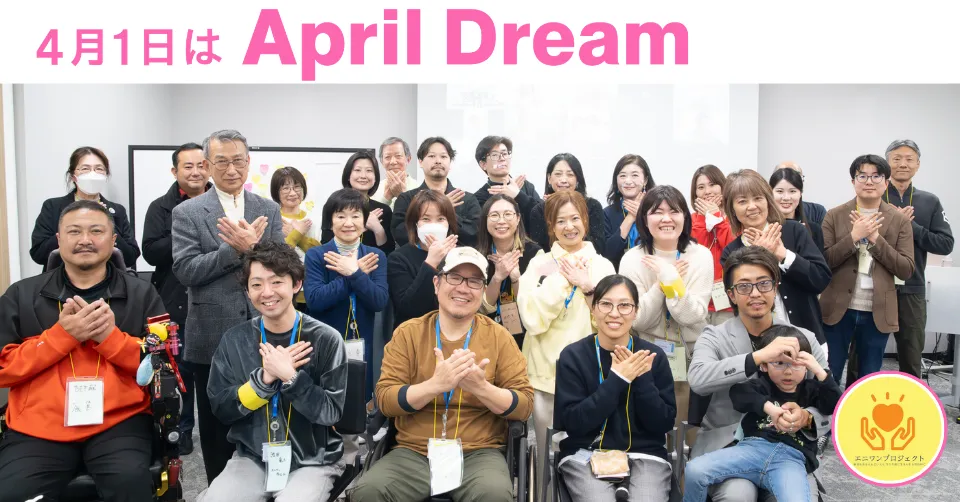
Building a Society Free of Prejudice Starts with Education of Children
A Vision for a Society Without Prejudice
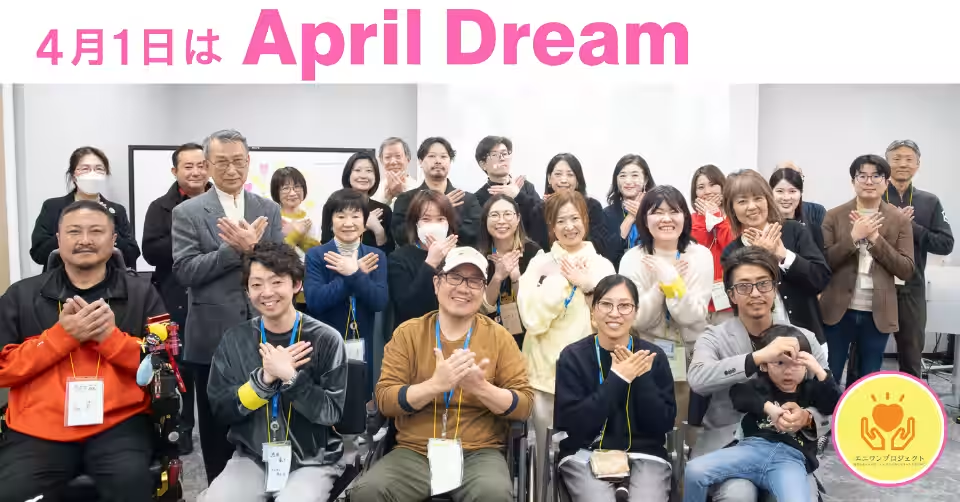
Creating a society where no one is left behind begins with education in childhood. The Enwan Project, led by Yuki Kozaki, is committed to this ideal by advocating for April 1 as a day to share dreams, aligning with the April Dream initiative. This press release is a testament to the vision of the Enwan Project.
The Future Aimed by the Enwan Project
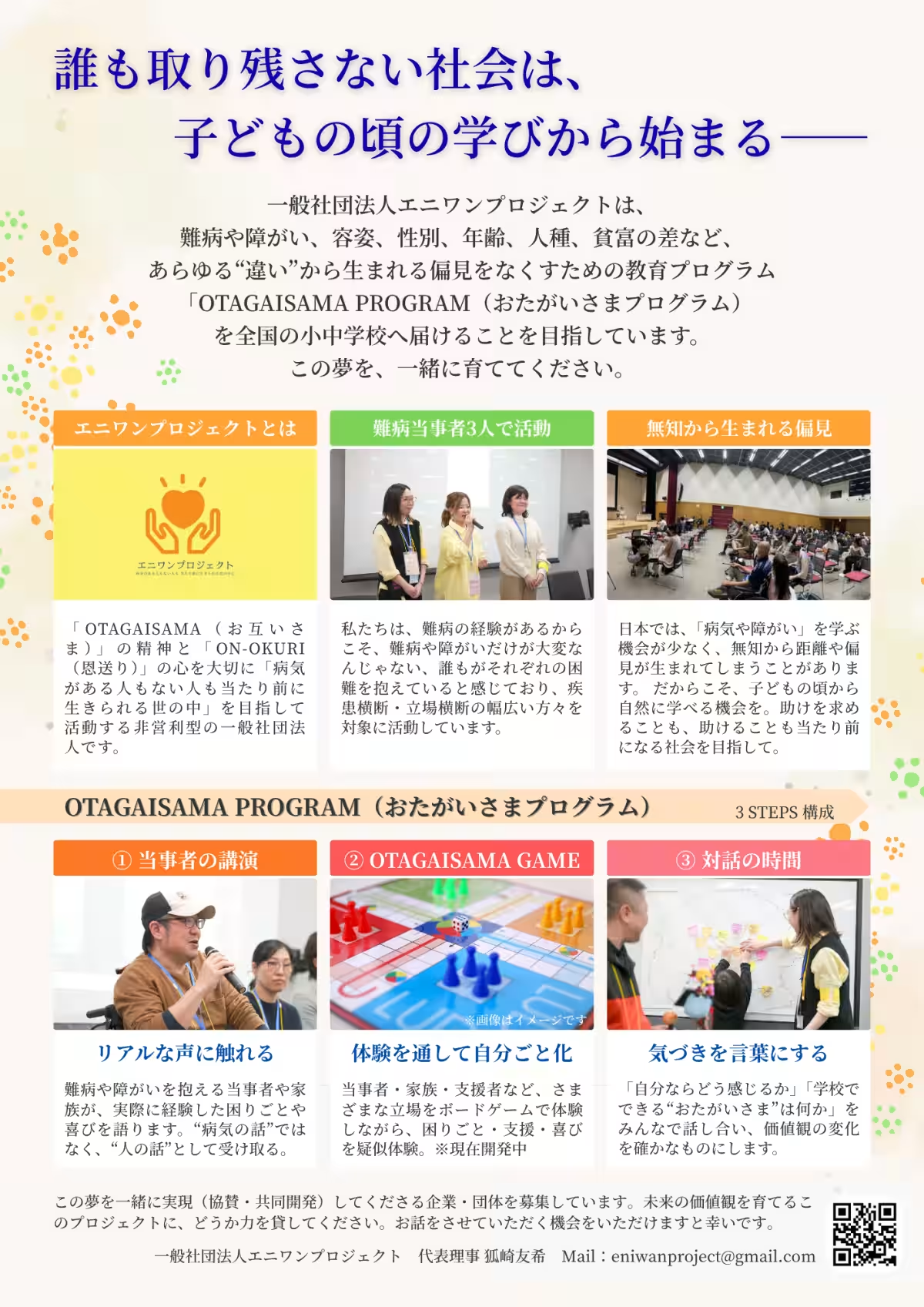
The Enwan Project is a non-profit organization that seeks to eliminate the prejudices arising from various differences, such as disabilities, illness, appearance, gender, age, race, and social status. To achieve this, the organization has developed the OTAGAISAMA PROGRAM, an educational initiative aimed at elementary and junior high schools across Japan. Founded by three individuals living with severe illnesses, the Enwan Project aims to share their personal experiences of the challenges they faced and the joy of being supported, instilling in children the importance of respecting differences.
Why Education in Childhood is Essential
In Japan, there are few opportunities for children to learn about disabilities or illnesses at a young age. As a result, when they encounter someone living with these conditions, they may not know how to approach them and may inadvertently create distance. Such prejudices born from ignorance don’t just hurt individuals; they also make it difficult for people to seek help.
However, if children could learn about these matters naturally from a young age, asking for help or offering assistance could become standard. The OTAGAISAMA PROGRAM is designed to create that future.
The Structure of the OTAGAISAMA PROGRAM
The OTAGAISAMA PROGRAM is not merely about playing games; it consists of three structured steps aimed at genuinely transforming children's perspectives:
1. Speaker Sessions (Hearing Real Voices)
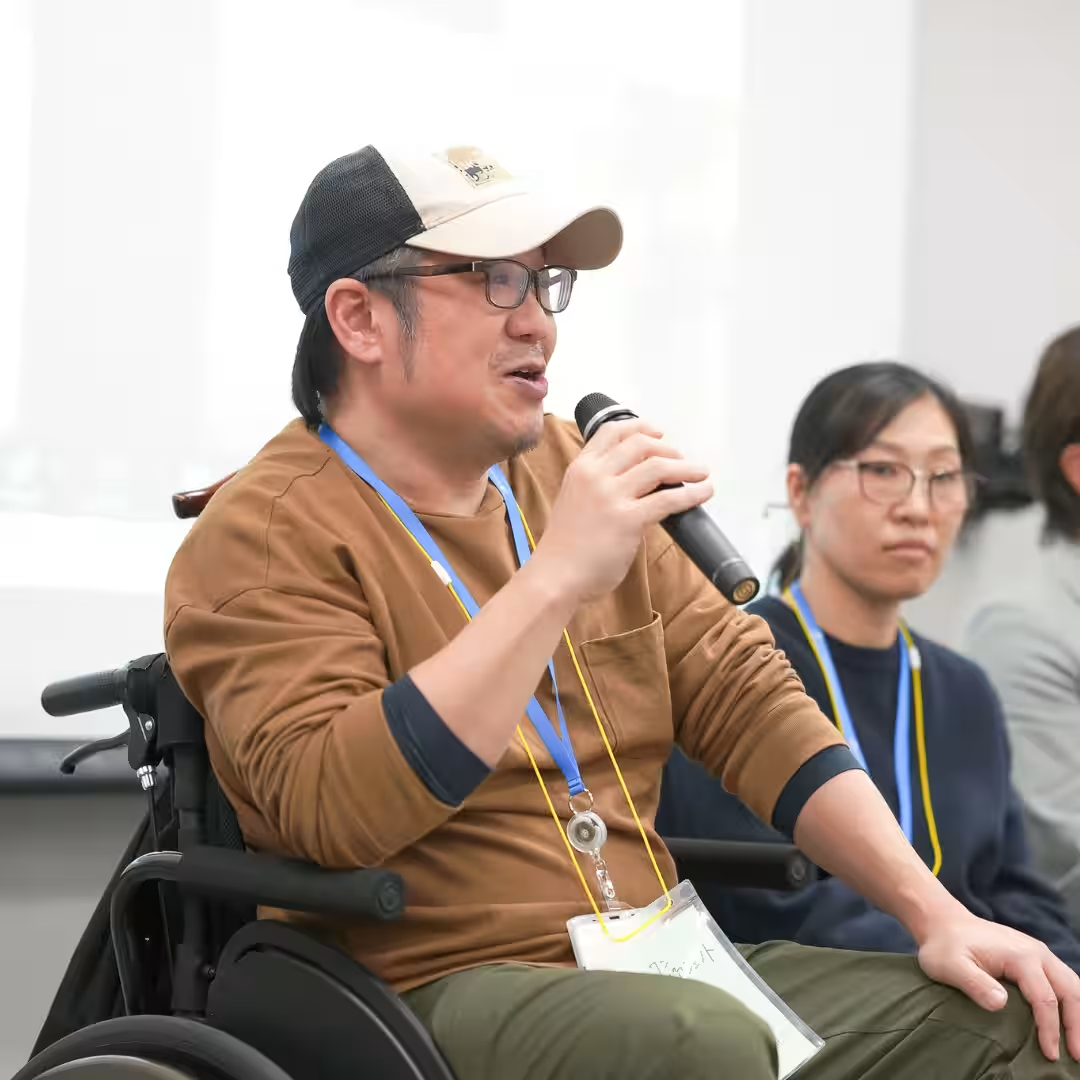
Individuals living with disabilities or illnesses, along with their families, will share their real-life experiences regarding challenges and joys. This session focuses on hearing their stories as “human experiences” rather than just discussions about disabilities.
2. OTAGAISAMA GAME (Experiencing First-Hand)
Currently under development, this experiential board game will allow participants to engage in various roles, including those of patients, families, and supporters. Players will jointly experience the challenges and joys faced by these individuals.
3. Dialogue Sessions (Articulating Insights)
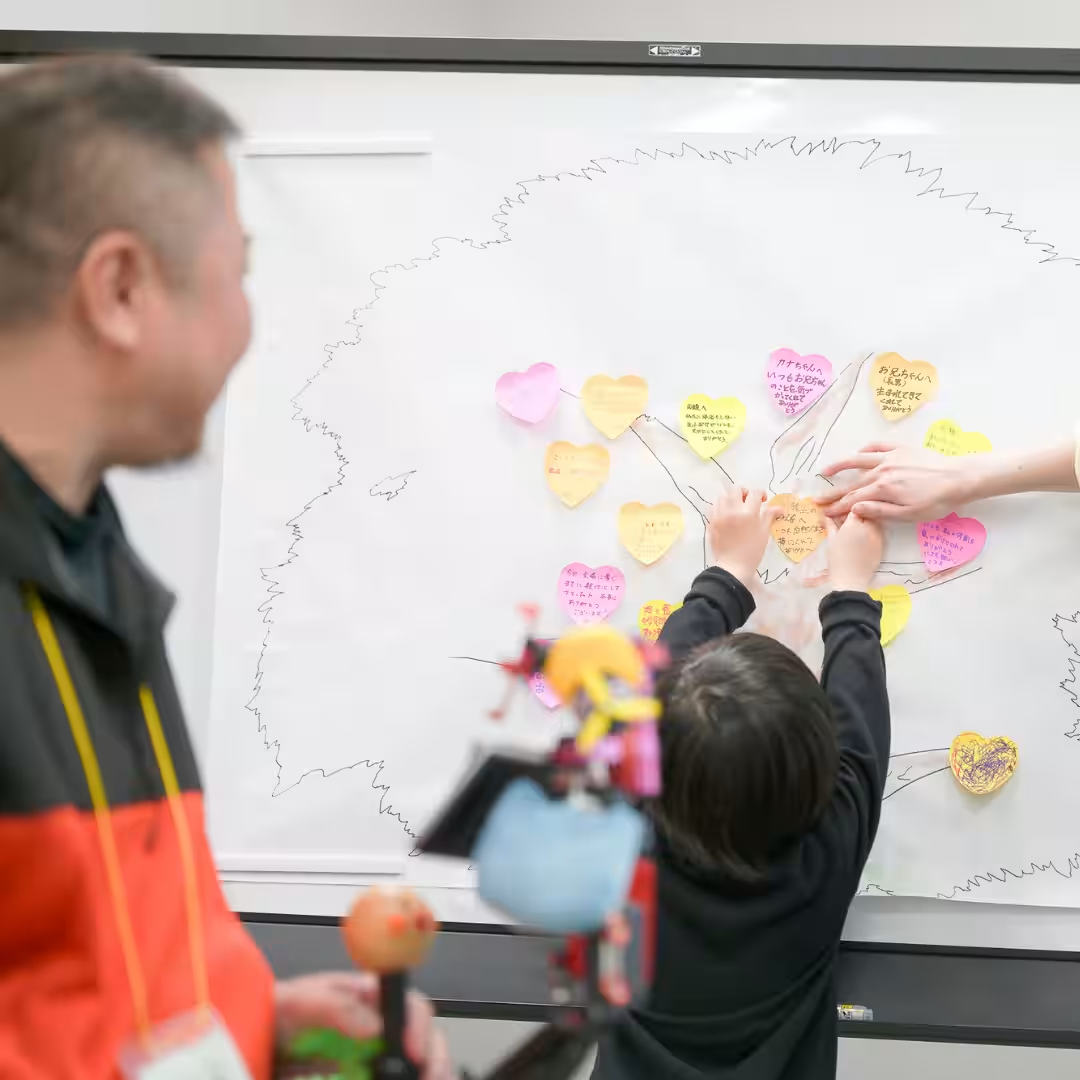
After the game, participants will discuss how they would feel if they were in similar situations and brainstorm what “otagai sama” means in their schools. This dialogue serves to solidify shifts in values and understanding.
Ongoing Development of the OTAGAISAMA GAME
The OTAGAISAMA GAME is still in development, actively gathering insights from individuals living with disabilities, their families, and supporters, aiming for completion by 2026. This initiative serves as an

Topics Other)
【About Using Articles】
You can freely use the title and article content by linking to the page where the article is posted.
※ Images cannot be used.
【About Links】
Links are free to use.