



Beat the Summer Heat with Indoor High-Altitude Training for Healthier Bodies
Combatting Heat Stress through High-Altitude Training
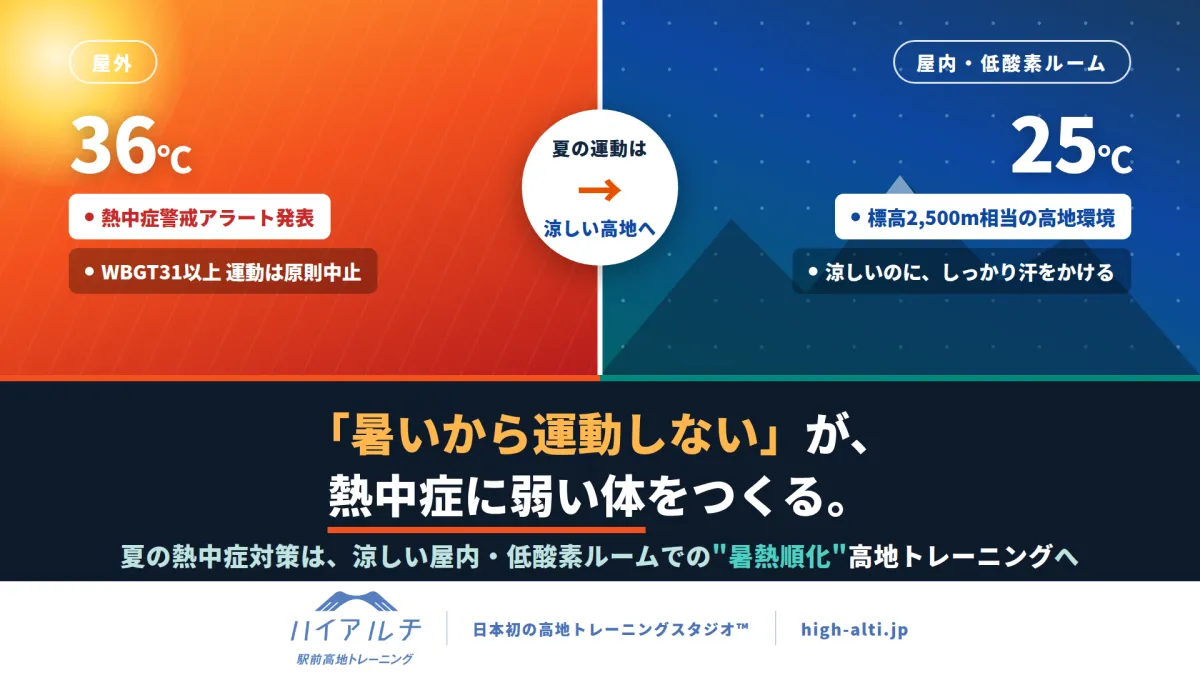
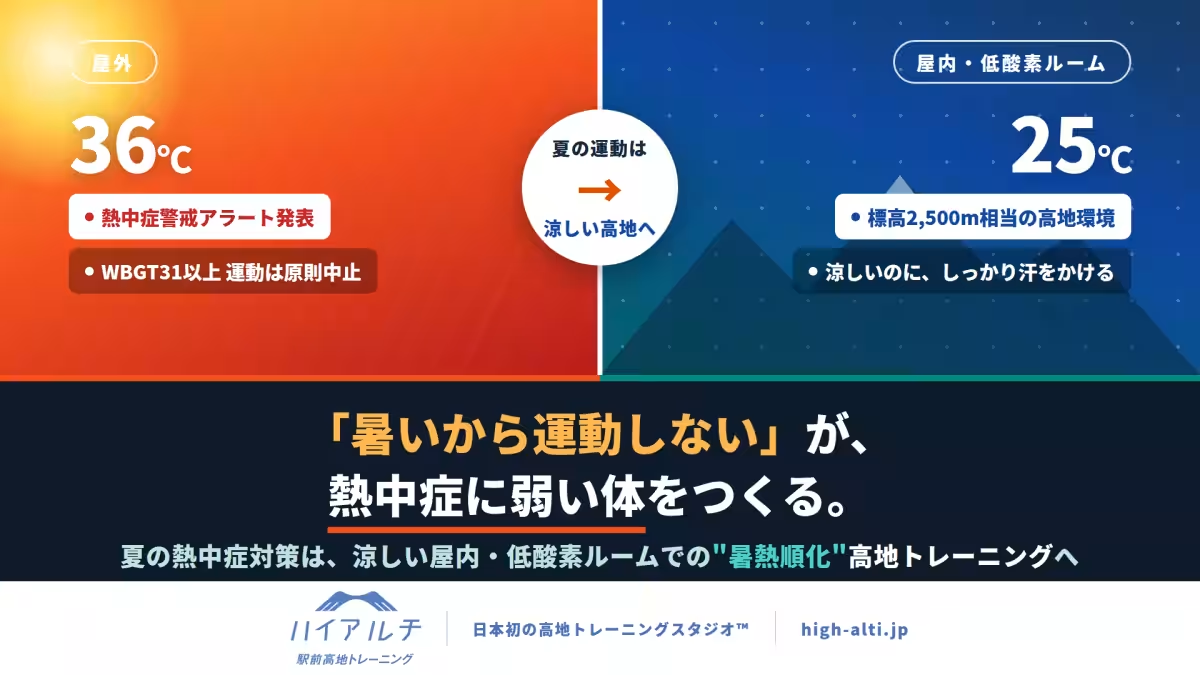
With the arrival of sweltering summer heat, the phrase "It's too hot to exercise" has become commonplace. However, this mindset can lead to developing a body that is more susceptible to heat-related illnesses such as heatstroke. In light of this, High Altitude Management Inc., based in Chuo-ku, Tokyo, introduces an innovative approach by advocating for the use of indoor low-oxygen training to help individuals acclimate to high temperatures while staying cool indoors.
Why Avoiding Exercise Can Be Detrimental
The Ministry of the Environment in Japan recommends refraining from outdoor exercise when the Wet Bulb Globe Temperature (WBGT) exceeds 31, urging individuals to stay cautious in heat-prone conditions. When heat alerts are issued, many individuals abandon outdoor activities altogether, stating, "It's too hot to run," or "I'm lacking practice due to the heat."
However, experts highlight the importance of regular sweat-inducing exercise known as heat acclimatization, which prepares the body to tolerate high temperatures. A survey by Daikin Industries in March 2025 revealed that more than half of respondents over 20 years old experienced heat-related health issues in the summer of 2024. This process of adapting to heat typically requires about two weeks of regular practice.
Thus, the dilemma remains: while exercising under the blazing sun is risky, completely halting exercise can make the body even more vulnerable to heat stress. The answer lies in indoor low-oxygen training where individuals can build a sweat-producing physique without exposure to external heat stress.
Learn More About High Alti's Benefits
What is Low-Oxygen Training?
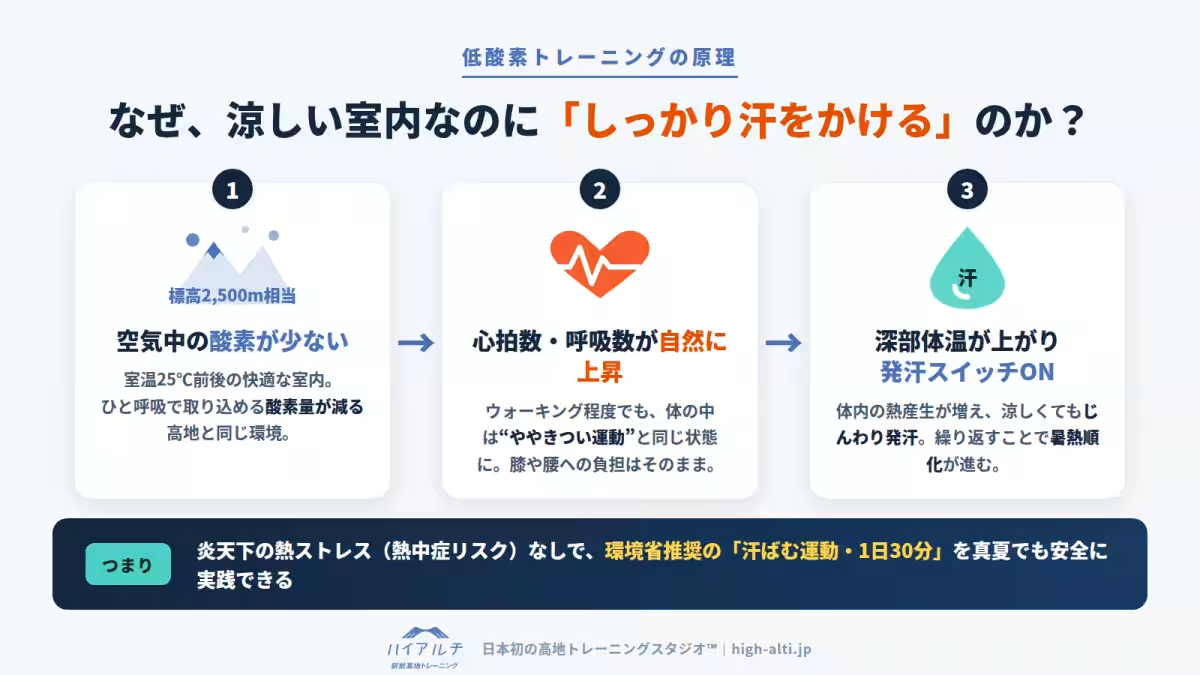
High Alti's training studio simulates an elevated environment equivalent to approximately 2,500 meters above sea level by lowering the oxygen concentration in the air (using a hypobaric method). In an air-conditioned environment, individuals can engage in effective training without the risk of heat-related issues.
This low-oxygen atmosphere allows for activities like brisk walking—even at low intensities for about 30 minutes—to elevate heart rates and produce similar results to training at sea level. Participants can thus experience significant physiological benefits, including improved endurance and enhanced metabolic rates, similar to elite athletes.
How Does This Training Work?
The secret of sweating abundantly in a cool environment lies in the low-oxygen room. The air here has a lower oxygen concentration than that at sea level, preventing efficient oxygen absorption. Consequently, even moderate-paced walking prompts the body to increase heart and respiratory rates to supply the necessary oxygen to muscles.
As heart rates rise, the core body temperature elevates, triggering a sweating response as the body attempts to cool down. This unique approach enables training without the risks associated with extreme outdoor heat, while still facilitating the crucial experience of increased heart rate and perspiration that comes with acclimatization.
The Environmental Ministry encourages individuals to engage in at least 30 minutes of exercise daily in moderately warm environments to successfully adapt to the heat. The low-oxygen training at High Alti offers a safe way to achieve this during the stifling summer months.
Preparing For Autumn Races
For runners aiming to improve their performance ahead of autumn races, this indoor training serves as an ideal substitute for outdoor sessions when high temperatures can impede training abilities.
Supporting Evidence and Community Feedback
Numerous studies back the effectiveness of heat acclimatization through consistent sweat-producing exercises. The Ministry states that continuous moderate exercise in warm conditions leads to improved thermoregulation and increased sweat yield.
According to the feedback from High Alti members, around 93% report feeling positive effects from low-oxygen training. Members express benefits such as no longer needing to worry about extreme heat or dehydration, reduced breathlessness, and improved overall health and sleep quality.
Q&A:
- - Is low-oxygen training difficult?
- - How frequently should I train?
- - How does this differ from outdoor exercise?
Current Promotions
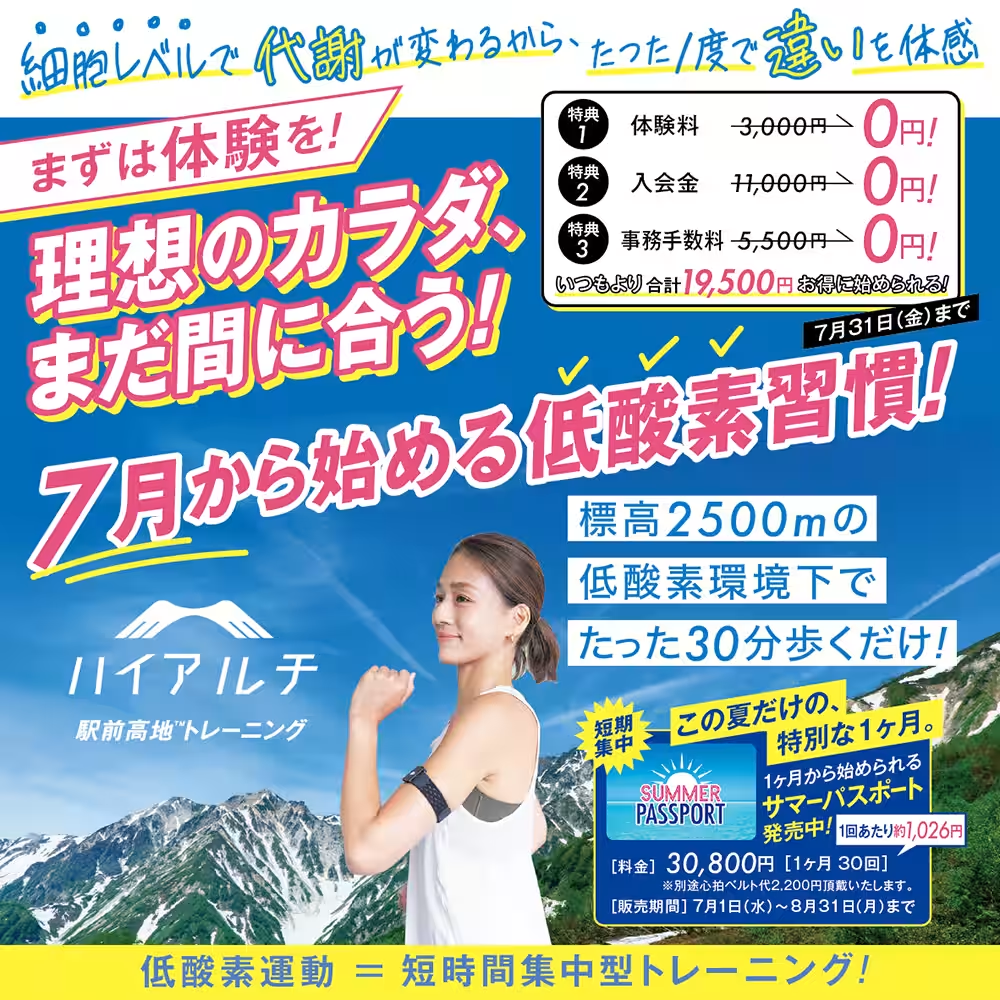
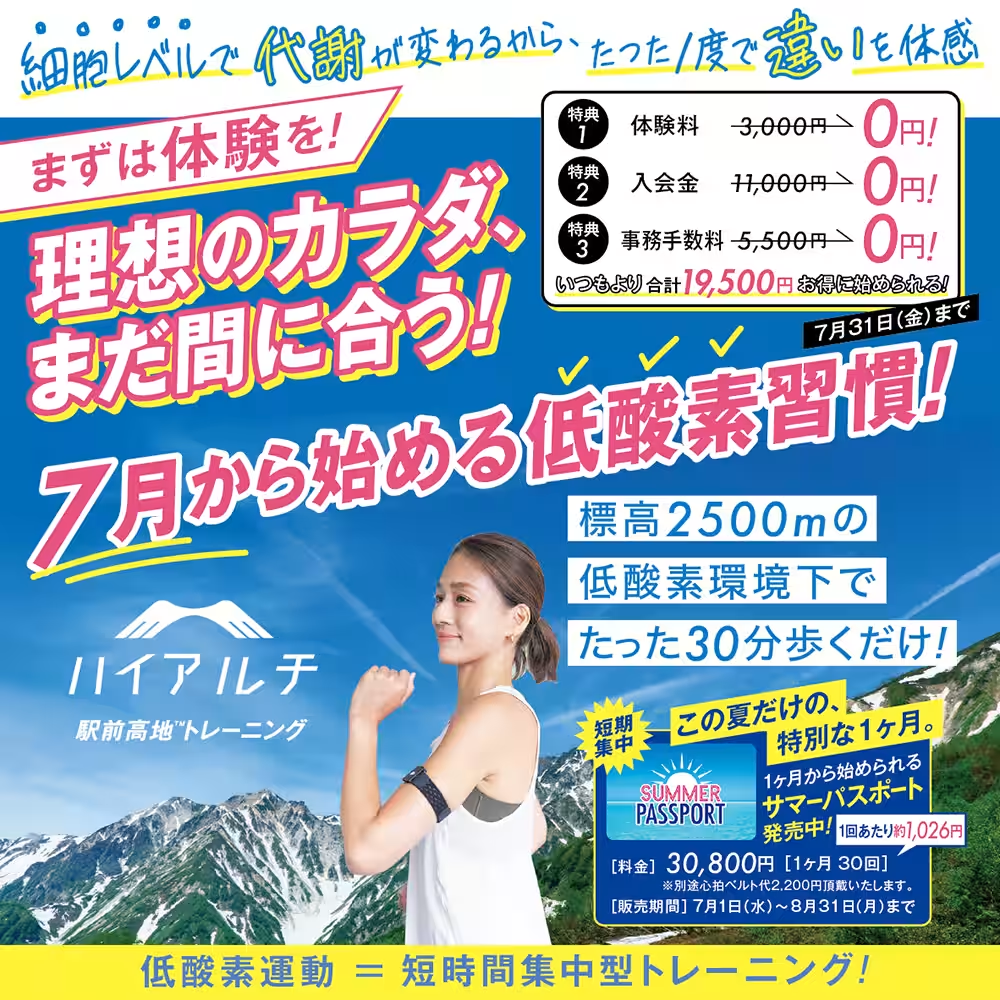
High Alti is currently running a promotion encouraging attendees to embrace their philosophy: "Get strong in cool places this summer!" Sign up for free trial sessions, membership fees waived, and exclusive summer passes available.
For more information, contact High Altitude Management Inc. or visit High Alti's Official Website.



Topics Health)
【About Using Articles】
You can freely use the title and article content by linking to the page where the article is posted.
※ Images cannot be used.
【About Links】
Links are free to use.