



Understanding the Differences Between Lipomas and Epidermoid Cysts: Insights from Dermatology Experts
Understanding Lipomas and Epidermoid Cysts
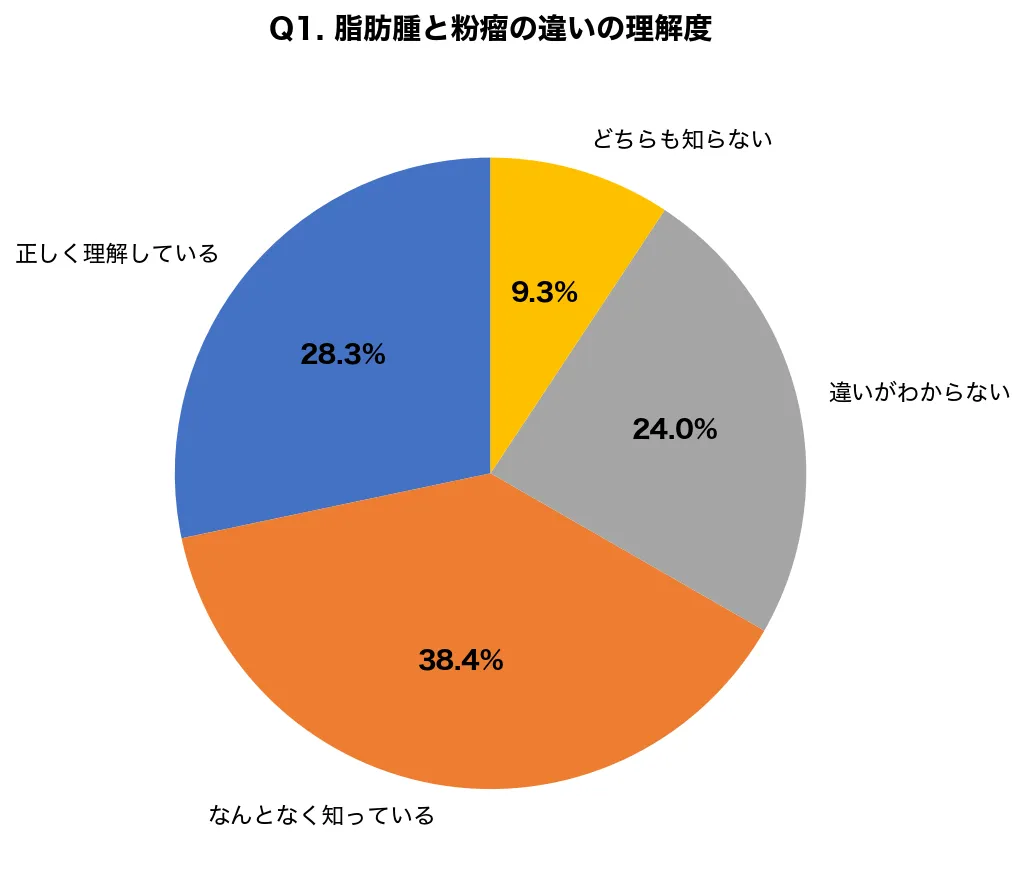
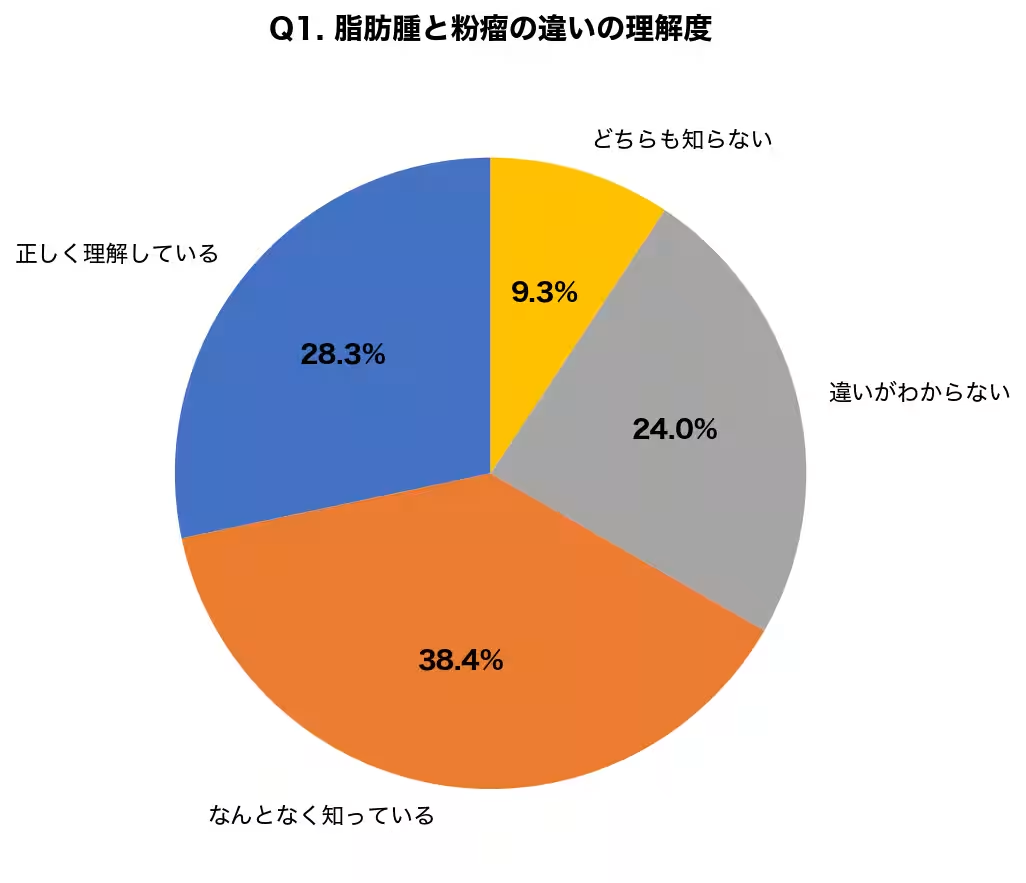
In the field of dermatology, a common concern arises from confusion between lipomas and epidermoid cysts. A recent survey conducted by the I.C. Clinic highlighted that approximately 70% of respondents struggle to differentiate between these two skin conditions. This confusion may lead to a delay in seeking appropriate medical care, potentially exacerbating the issue. With over 30,000 surgical procedures under their belt, the dermatology experts at I.C. Clinic provide essential insights into these conditions, aiming to educate the public.
What Are Lipomas and Epidermoid Cysts?
Lipomas
Lipomas are benign tumors made up of mature fat cells that form in the subcutaneous fat layer. They feel soft to the touch and are usually movable beneath the skin. Typically, they occur in middle-aged individuals, primarily on the back, shoulders, neck, and arms. Lipomas rarely become malignant, making them generally non-threatening. However, surgical intervention is recommended if a lipoma grows rapidly or exceeds 5 cm in size, or if it causes discomfort or cosmetic concerns.
Epidermoid Cysts
Epidermoid cysts, also known as sebaceous cysts, are benign tumors characterized by a sac-like structure under the skin, containing keratin and sebum. They often feature a central opening that can become inflamed, leading to redness, swelling, and pain. Unlike lipomas, epidermoid cysts have a higher tendency to become infected, necessitating prompt medical attention when symptoms arise.
Survey Insights: The Need for Awareness
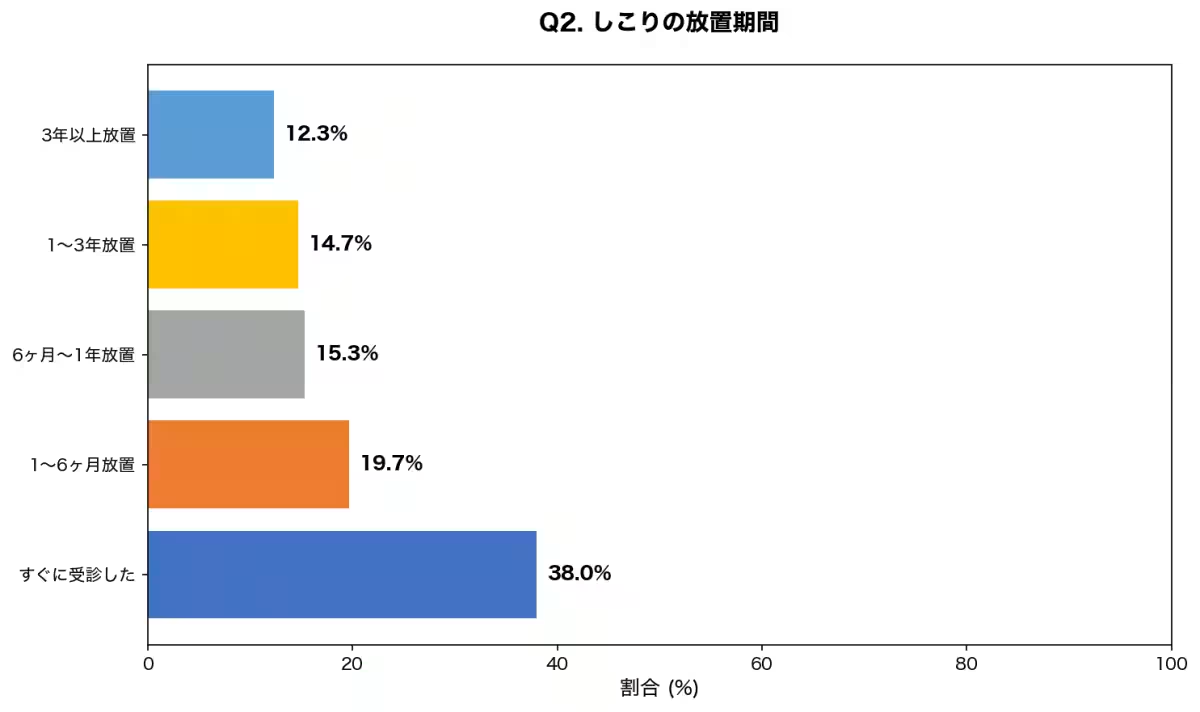
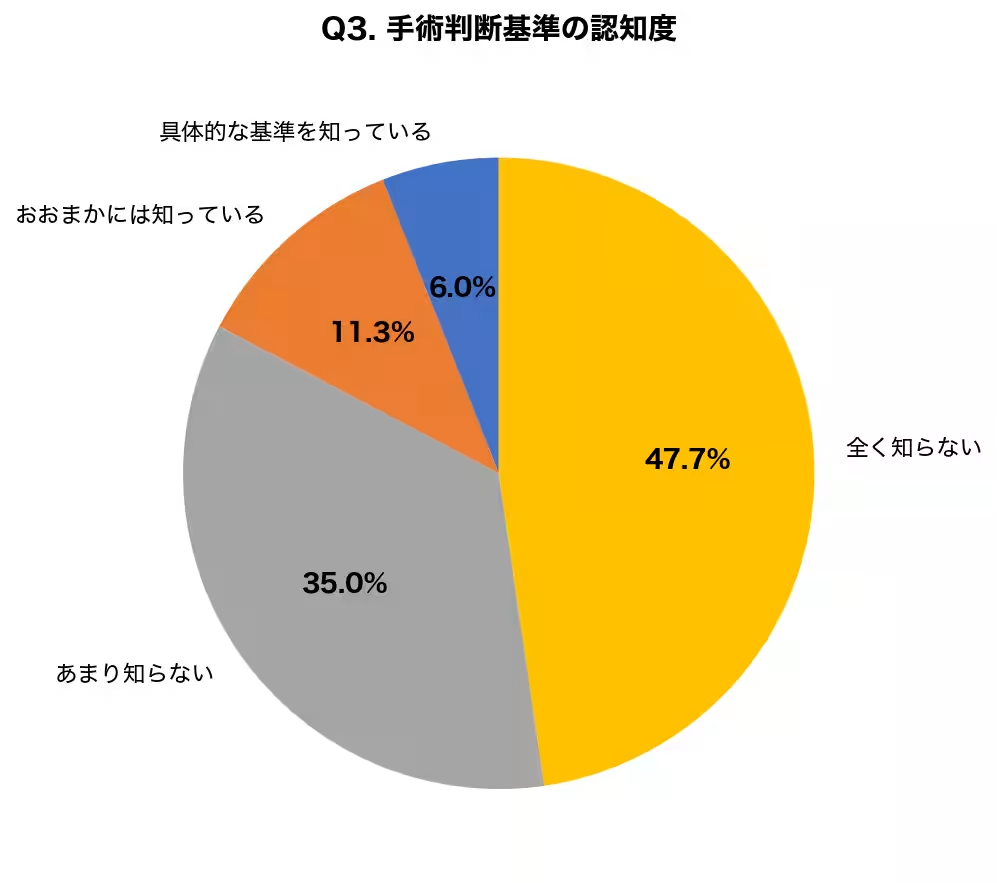
The aforementioned survey revealed that only 28.3% of participants accurately understood the differences between lipomas and epidermoid cysts. Additionally, it was found that 62% of individuals had previously neglected a skin lump, with over 30% of those allowing it to grow larger than 5 cm before seeking care. Alarmingly, 82.7% of respondents were unaware of the criteria for when surgical intervention is necessary. This lack of knowledge may result in unnecessary anxiety or delayed treatment.
Understanding Surgical Criteria
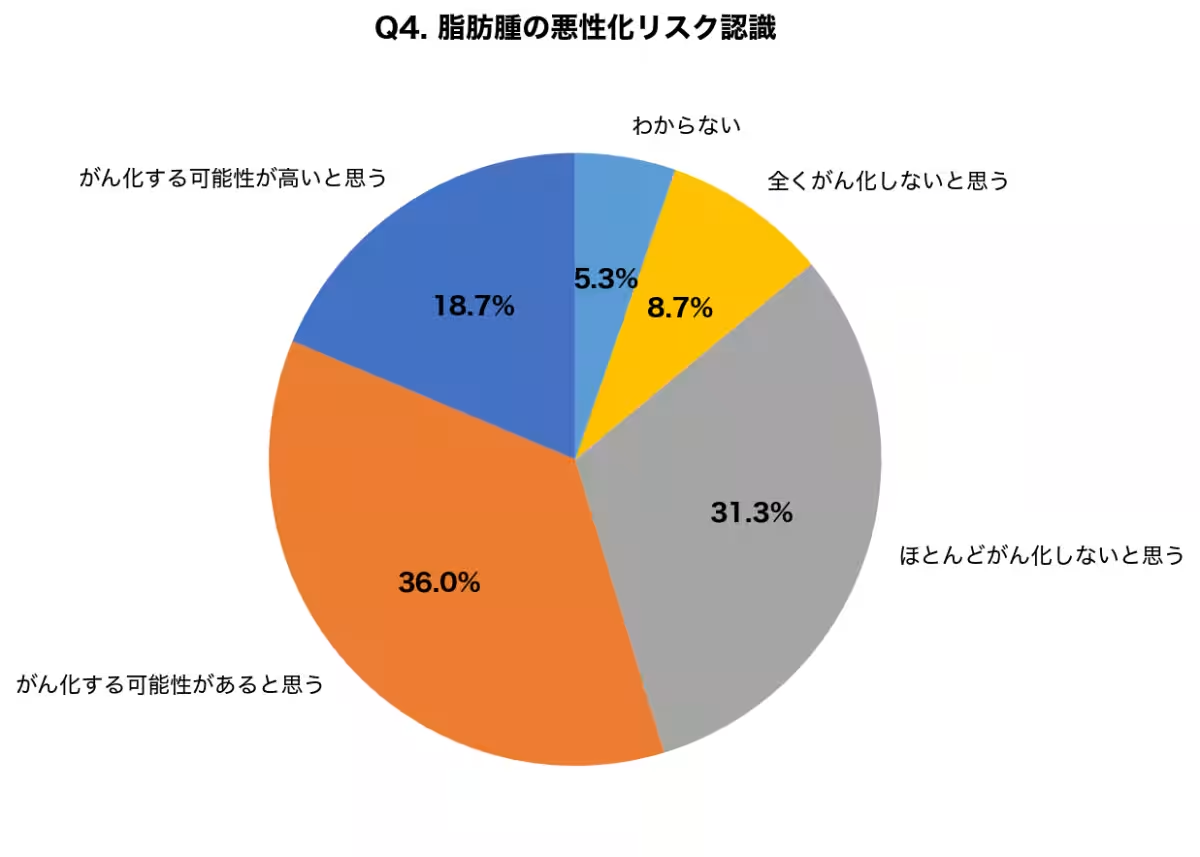
Among the respondents, a majority also incorrectly assessed the risk of malignancy associated with lipomas. In reality, the transformation from a lipoma to a malignant liposarcoma is exceedingly rare, but lack of awareness can lead individuals to either avoid seeking help out of fear or opting for unnecessary surgeries. The criteria for considering surgery include:
- - Diameter exceeding 5 cm
- - Rapid size increase over a short period
- - Associated pain or neurological symptoms
- - Cosmetic issues affecting daily life
- - Inability to rule out malignancy upon imaging tests
Key Differences Between Lipomas and Epidermoid Cysts
To help individuals recognize whether they are dealing with a lipoma or an epidermoid cyst, consider these points:
- - Location: Lipomas form deeper in the subcutaneous fat, while epidermoid cysts develop in the dermis or just beneath the epidermis.
- - Texture: Lipomas are soft and pliable; epidermoid cysts feel firmer and often display a dome shape.
- - Appearance: Lipomas typically maintain normal-colored skin, while epidermoid cysts often have a central black dot indicating an opening.
- - Inflammation Risk: Lipomas generally do not cause inflammation, while cysts are prone to infection and associated complications.
- - Malignant Potential: The risk of lipomas becoming malignant is extremely low compared to other forms of growths.
Recommendations for Patients
If you notice a lump underneath your skin, it’s crucial to seek the advice of a dermatology expert rather than attempting to self-diagnose. Proper evaluation through clinical examination and imaging, if necessary, can lead to accurate diagnosis and optimal treatment plans, minimizing the risk of complications down the line.
In light of these findings, it is clear that there remains a significant need for education regarding skin lumps, particularly the differences between lipomas and epidermoid cysts. At I.C. Clinic, our team is dedicated to improving public understanding and ensuring that individuals feel empowered to seek medical advice when necessary.
Conclusion
As dermatological conditions, lipomas and epidermoid cysts may appear similar but require distinct approaches in management. With proper understanding and timely medical consultations, patients can receive appropriate care and interventions, ensuring their skin health is maintained. For further information or if you have concerns regarding skin issues, feel free to contact I.C. Clinic, where we’re ready to assist you with our expert services.
Topics Health)
【About Using Articles】
You can freely use the title and article content by linking to the page where the article is posted.
※ Images cannot be used.
【About Links】
Links are free to use.