



Understanding the Impact of Winter Dryness on Skin: Research Findings
The Hidden Dangers of Itchiness in Winter: Insights from a New Survey
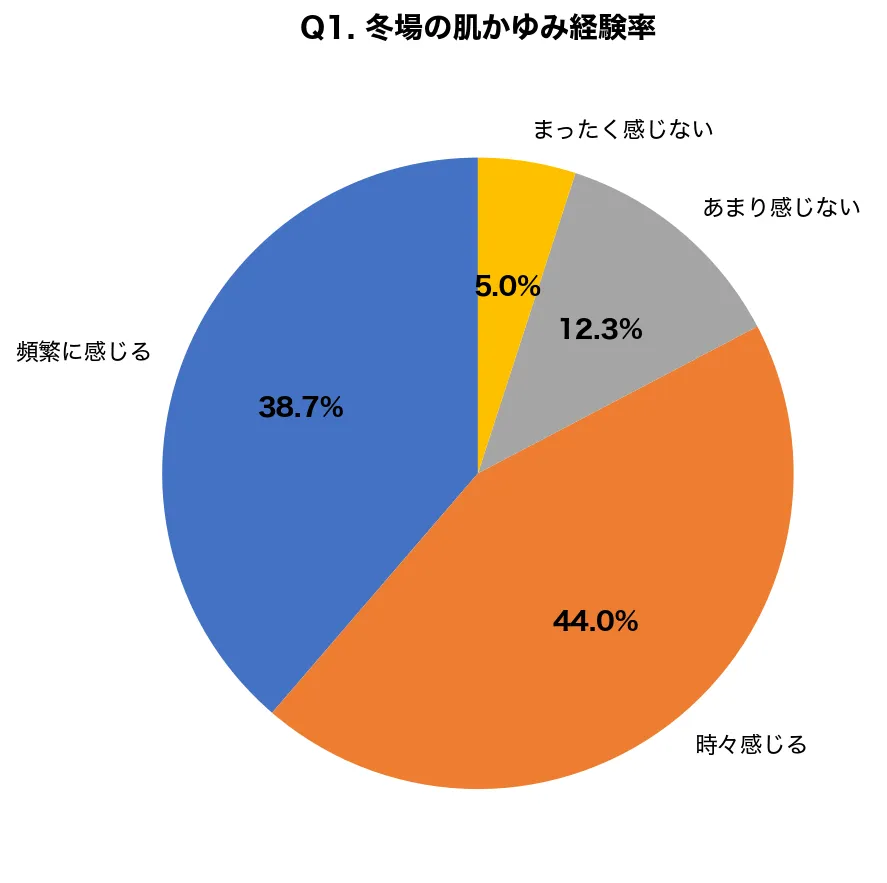
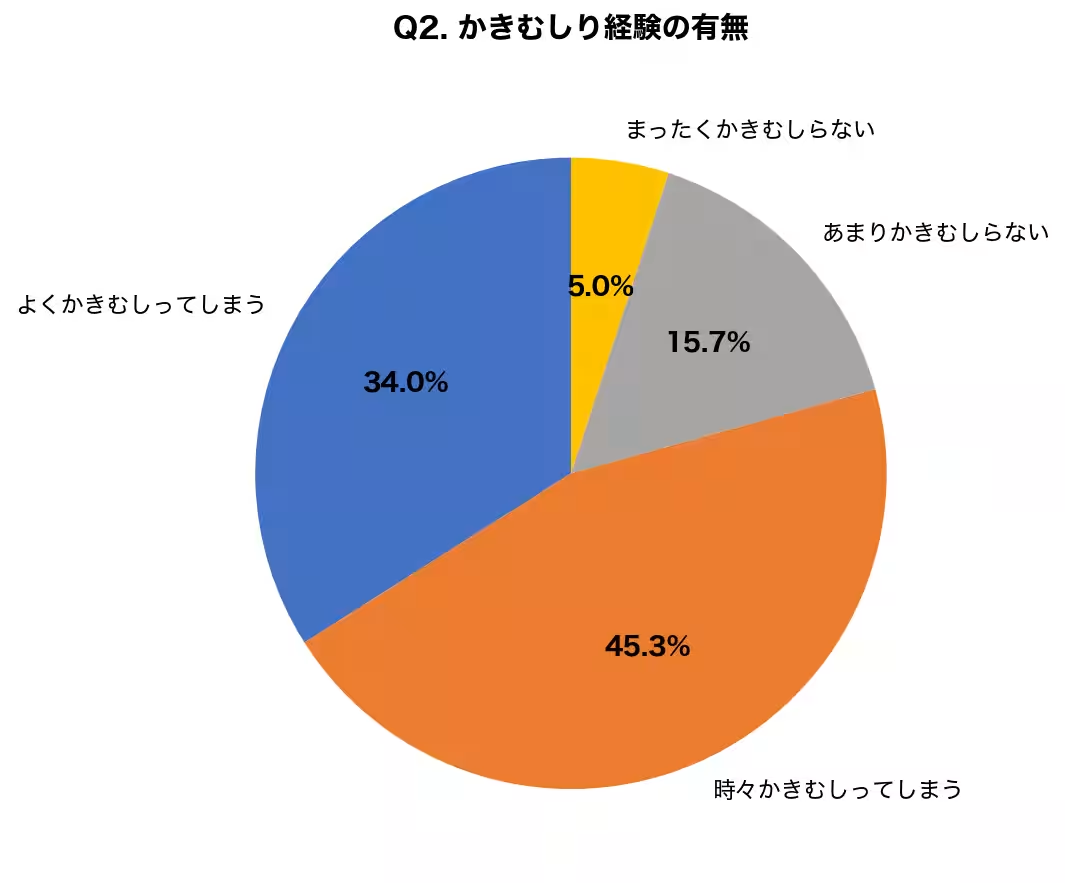
As winter approaches, many find themselves battling the unrelenting dryness in the air, leading to skin-related woes. A recent survey conducted by the ICI Clinic, focusing on individuals aged 20 to 60 in Japan, sheds light on just how pervasive these issues are. According to the data, a staggering 82.7% of respondents reported experiencing skin itchiness during the winter months. Delving deeper, the findings reveal that 79.3% of those who experience itchiness resort to scratching. This habitual scratching isn't just uncomfortable; it poses significant risks, including skin discoloration and the development of chronic conditions like eczema.
The Alarming Statistics
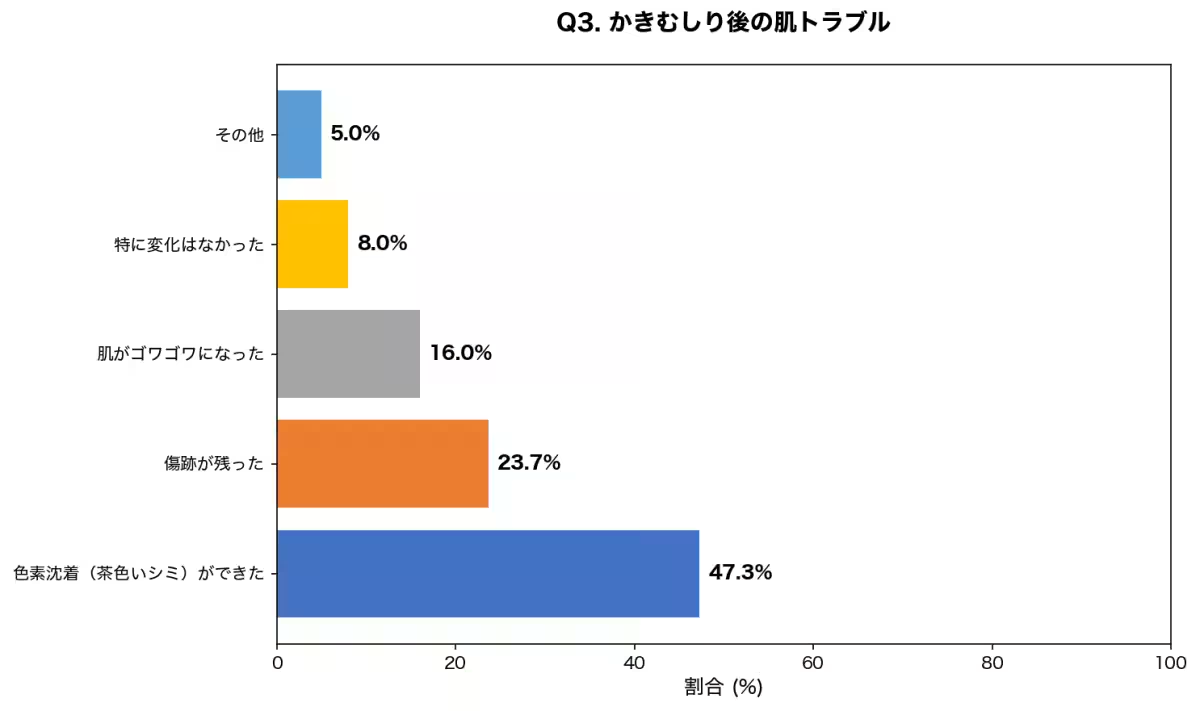
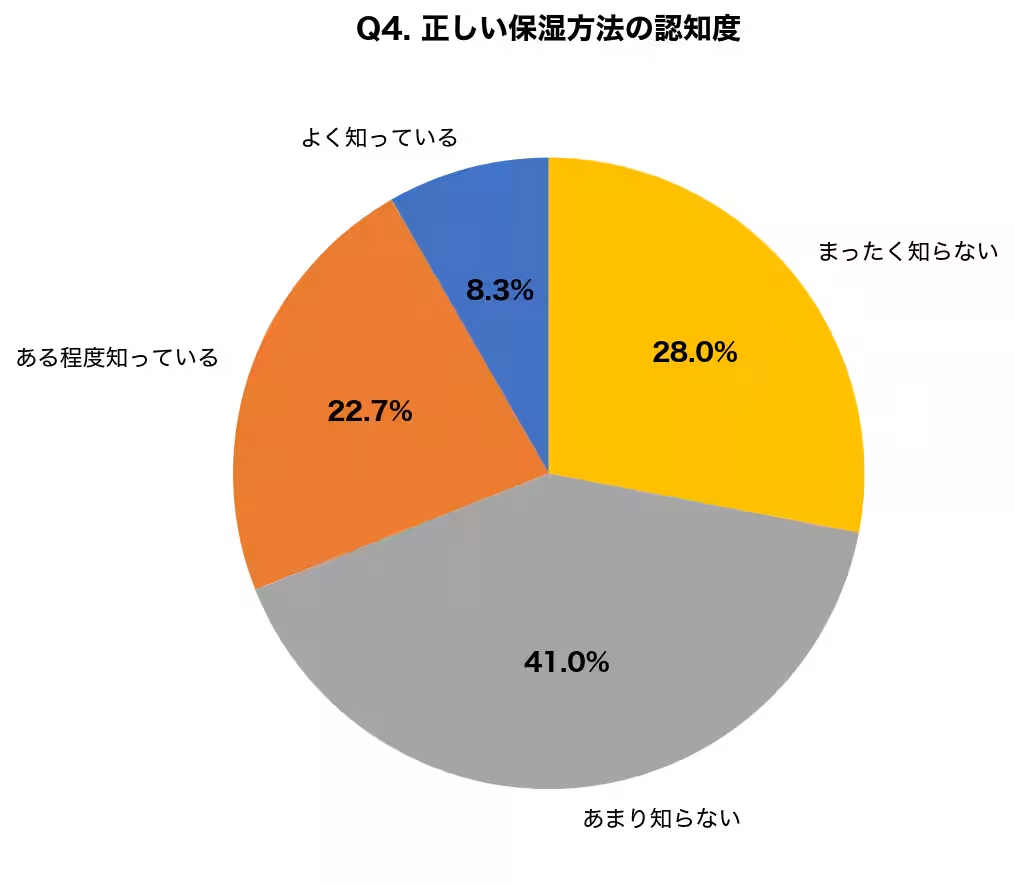
Among those who have scratched their skin, 47.3% reported concerns over discoloration and scarring, suggesting a direct relationship between the act of scratching and skin deterioration. Alarmingly, only 31.0% of respondents claimed to know effective moisturizing techniques that could mitigate these effects.
Understanding the Conditions
Dry Eczema (Seborrheic Eczema)
Dry eczema arises from a breakdown in the skin's barrier due to prolonged dryness, often leading to inflammation and itchiness. It is particularly prevalent among older adults and those with naturally dry skin. If untreated, this condition can become chronic, resulting in permanent discoloration and thickening of the skin.
Post-Inflammatory Hyperpigmentation (PIH)
This term refers to the dark spots left on the skin after inflammation. Many scratching incidents result in skin damage, prompting the body to produce excess melanin. Unfortunately, this can lead to persistent dark patches that take months or even years to fade.
The Role of Ceramides
Ceramides are critical components found in the skin's outer layer, playing an essential role in maintaining moisture and barrier functionality. However, aging and environmental factors can reduce ceramide levels, exacerbating dryness issues.
Self-Care vs. Dermatological Treatment: A Comparative Analysis
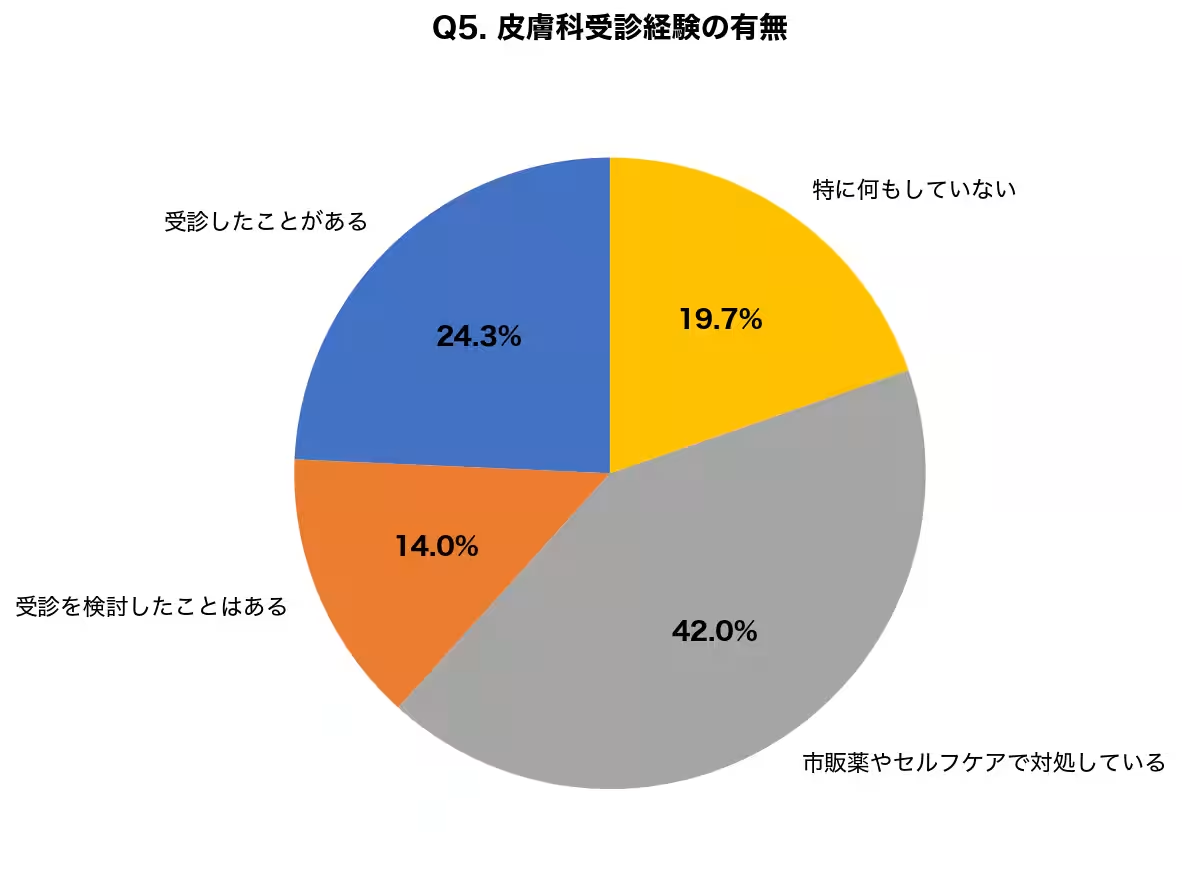
In addressing the often grim realities of winter skin care, individuals have two main avenues: self-care using over-the-counter moisturizers or seeking professional treatment from dermatologists. Here’s a comparative overview:
| Item | Self-Care (Over-the-Counter Moisturizers) | Dermatological Treatment |
|---|---|---|
| ------ | -------- | ------- |
| Effectiveness Timeline | 1–2 weeks | A few days to a week |
| Cost Estimate | 1,000–3,000 JPY/month | 1,000–2,000 JPY/visit (insurance applies) |
| Itch Relief | Mild to moderate | Moderate to severe |
| Discoloration Treatment | Prevention only | Treatment/relief possible |
| Prescription Types | Moisturizers only | Moisturizers + topical and oral medications |
| Expert Advice | None | Available |
Note: Individual experiences may vary.
Recommendations from the ICI Clinic
The ICI Clinic, operating six locations in the Tokyo metropolitan area, has underscored the need for awareness regarding winter dryness and its subsequent skin challenges. With over 15 years of clinical experience, Dr. Kouta Takakuwa, the supervising dermatologist, advocates preventative measures through proper moisturization and timely dermatological consultations. Winter dryness should not be taken lightly; understanding the risks and acting promptly can make a considerable difference in skin health.
Key Steps for Prevention
1. Moisturize Immediately Post-Bath: The first five minutes after bathing are crucial for applying moisturizers.
2. Choose Quality Products: Look for moisturizers containing heparin-like substances and ceramides to restore skin barriers.
3. Application Frequency: Aim for at least twice daily, especially on dry-prone areas.
4. Bathing Practices: Opt for tepid water instead of hot baths and avoid vigorous scrubbing.
5. Nail Care: Keep nails short to minimize skin damage if scratching should occur.
Seeking Professional Help
Individuals should consult dermatologists if:
- - Over-the-counter treatments do not yield results after two weeks.
- - There are visible marks of scratching or discoloration of concern.
- - Sleep is interrupted due to severe itchiness. Additionally, symptoms such as oozing or widespread itching require urgent professional attention.
In conclusion, as winter approaches, it’s imperative to take proactive steps in skin care to prevent the dry, itchy woes many face. With the right knowledge and treatment strategies, winter can be more bearable, allowing everyone to enjoy the season without the discomfort of skin issues.
Topics Health)









【About Using Articles】
You can freely use the title and article content by linking to the page where the article is posted.
※ Images cannot be used.
【About Links】
Links are free to use.