




Understanding Japanese Learners' Anxiety Over English Pronunciation
An Insight into English Pronunciation Anxiety Among Japanese Learners
A new survey conducted by NativeCamp, a leading online English conversation platform, highlights the fears surrounding pronunciation that many English learners in Japan experience. The research, which involved 1,832 English learners and 1,243 foreign instructors, reveals a significant gap between learners' anxiety over their spoken English and the understanding abilities of foreign teachers.
Key Findings
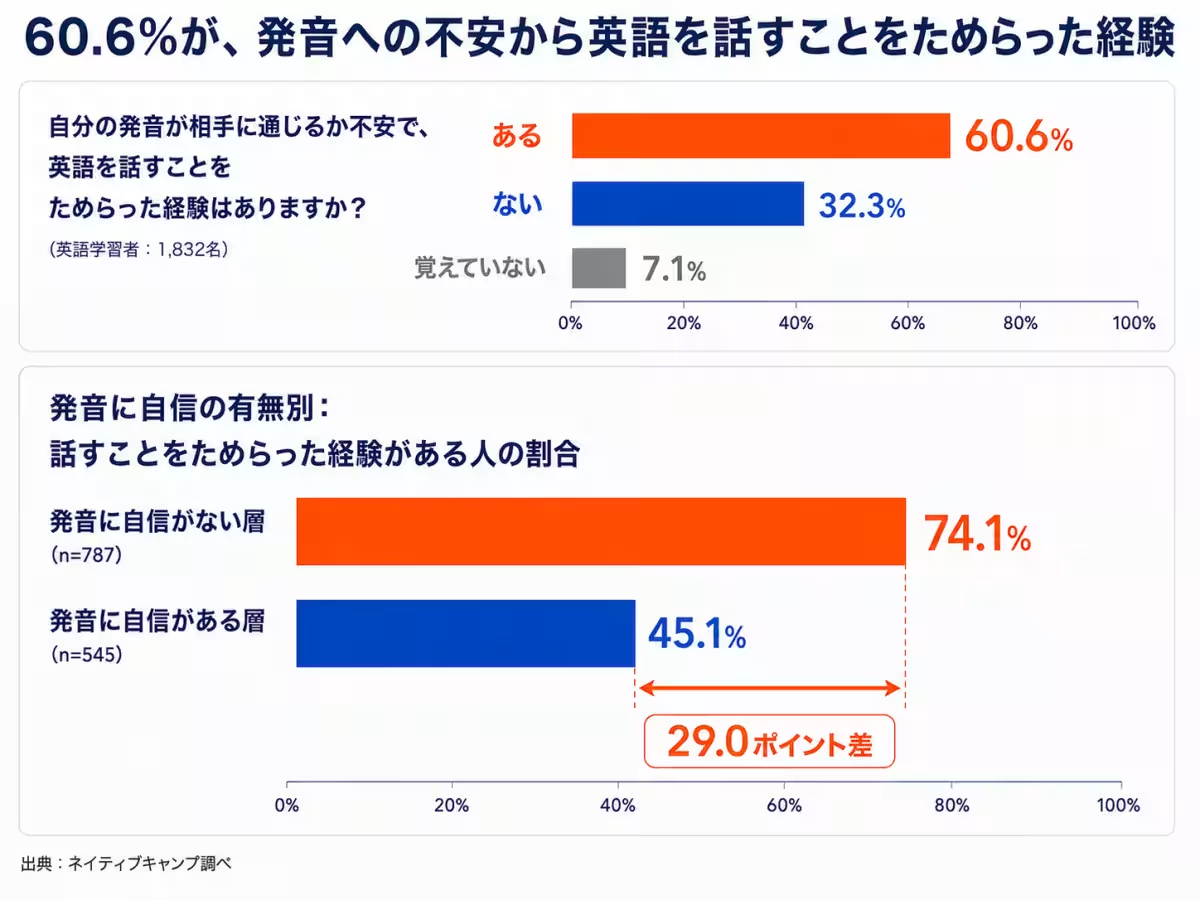
According to the survey, about 60.6% of English learners in Japan reported feeling anxious that their pronunciation may not be understood, leading them to hesitate when speaking. Notably, the data shows that among those who lack confidence in their pronunciation, the hesitation rate jumps to 74.1%, compared to just 45.1% among those who consider their pronunciation adequate.
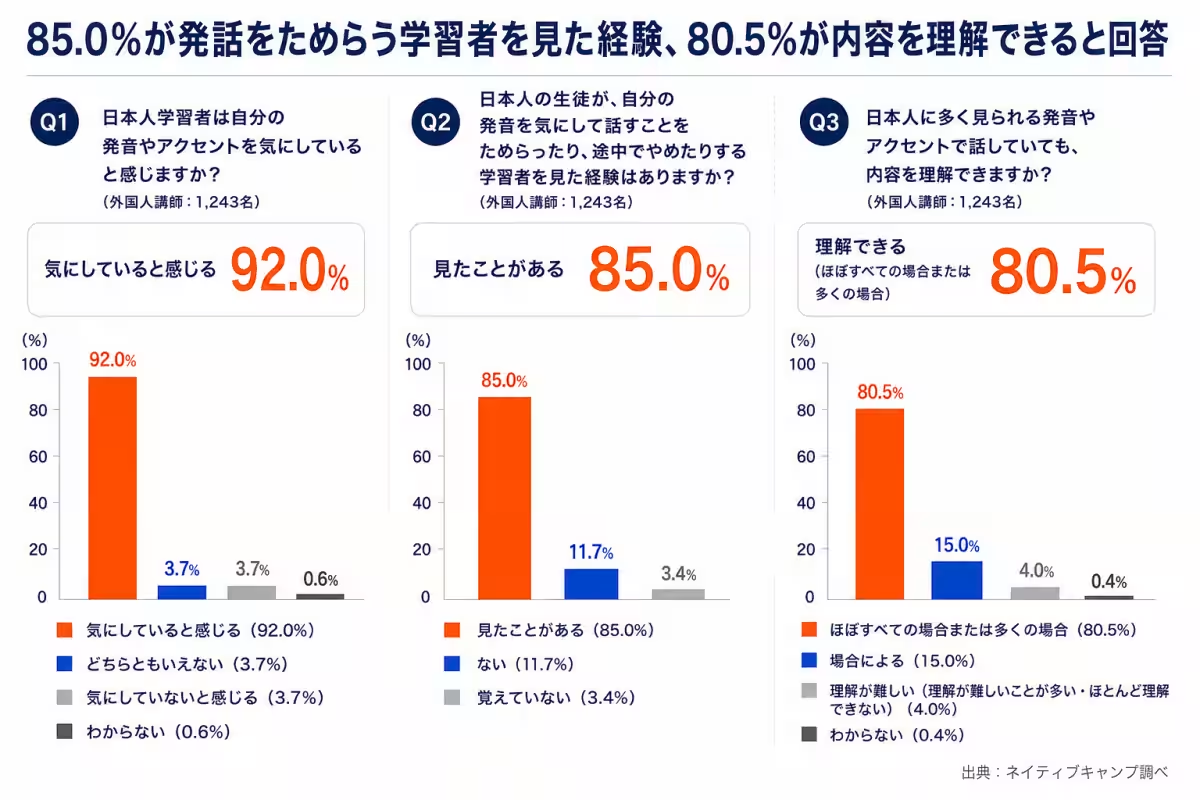
On the flip side, a substantial 80.5% of foreign instructors indicated that they could understand the content of conversations with Japanese learners even when they exhibited common Japanese pronunciation and accents. This highlights a striking disparity between the learners’ self-perception and the teachers’ actual comprehension abilities.
Factors Contributing to Anxiety
The survey suggests that the fear of making mistakes or not being understood can significantly hinder learners from practicing their spoken English. Many learners expressed that the pressure to pronounce words correctly resulted in anxiety that makes them reluctant to engage in conversations. This concept is echoed by 92.0% of foreign teachers, who noted that they frequently observe Japanese learners hesitating or stopping mid-sentence due to concerns about their pronunciation.
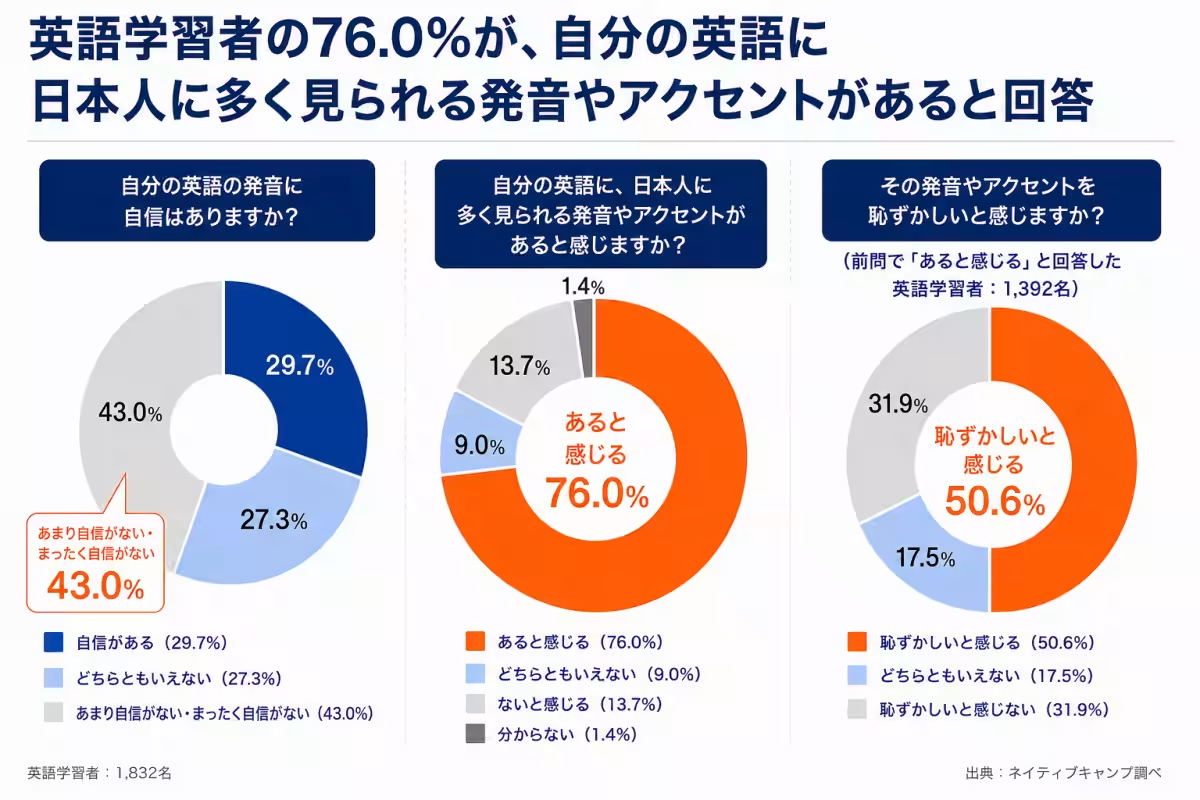
Interestingly, learners indicated that 76.0% felt they had noticeable Japanese accents or pronunciations, with 50.6% expressing embarrassment about these traits. The psychological barrier created by these insecurities can negatively impact their language acquisition experience.
Communicative Strategies Suggested by Teachers
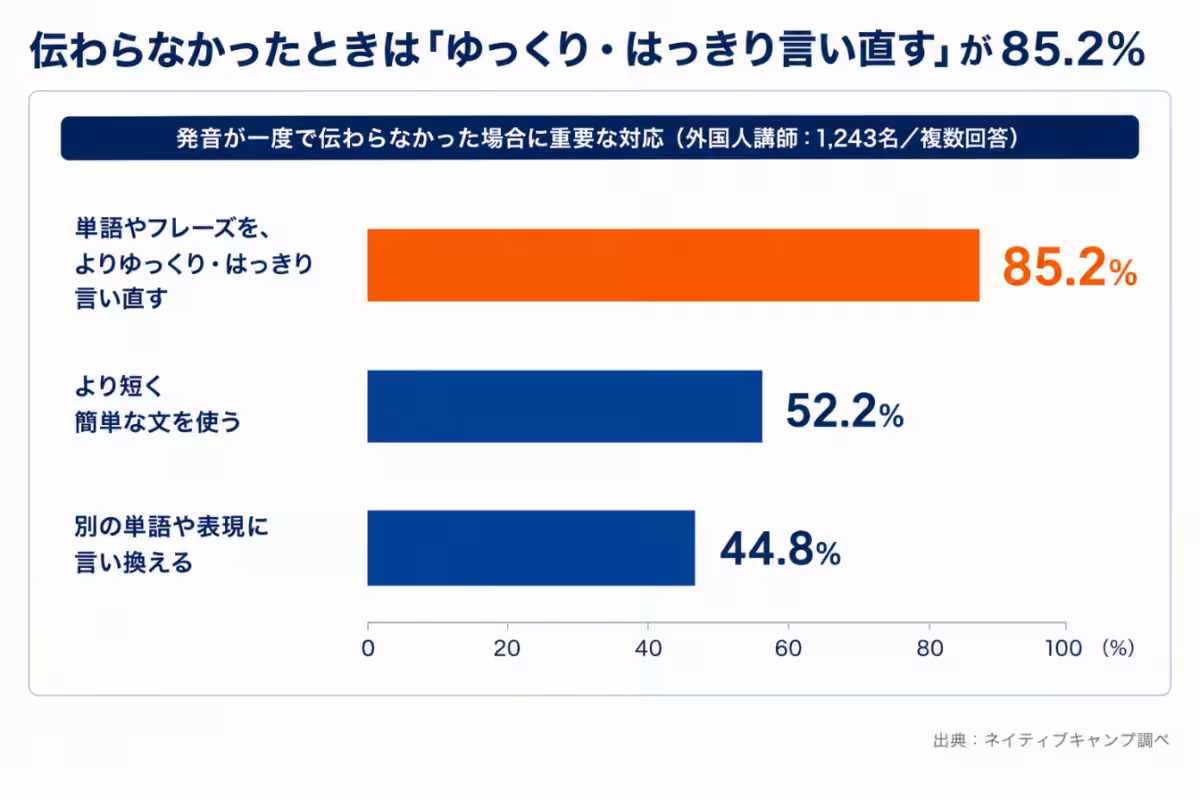
When it comes to strategies for maintaining conversation despite communication breakdowns, the response from foreign instructors was telling. An overwhelming 85.2% highlighted the importance of rephrasing or saying words more slowly and clearly to enhance understanding. Other strategies included using shorter and simpler sentences (52.2%) and substituting words with synonyms (44.8%).
This guidance underscores the importance of adaptability in communication and encourages learners not to shy away from speaking English, even when they fear their pronunciation might be subpar.
Boosting Confidence Through Practical Experience
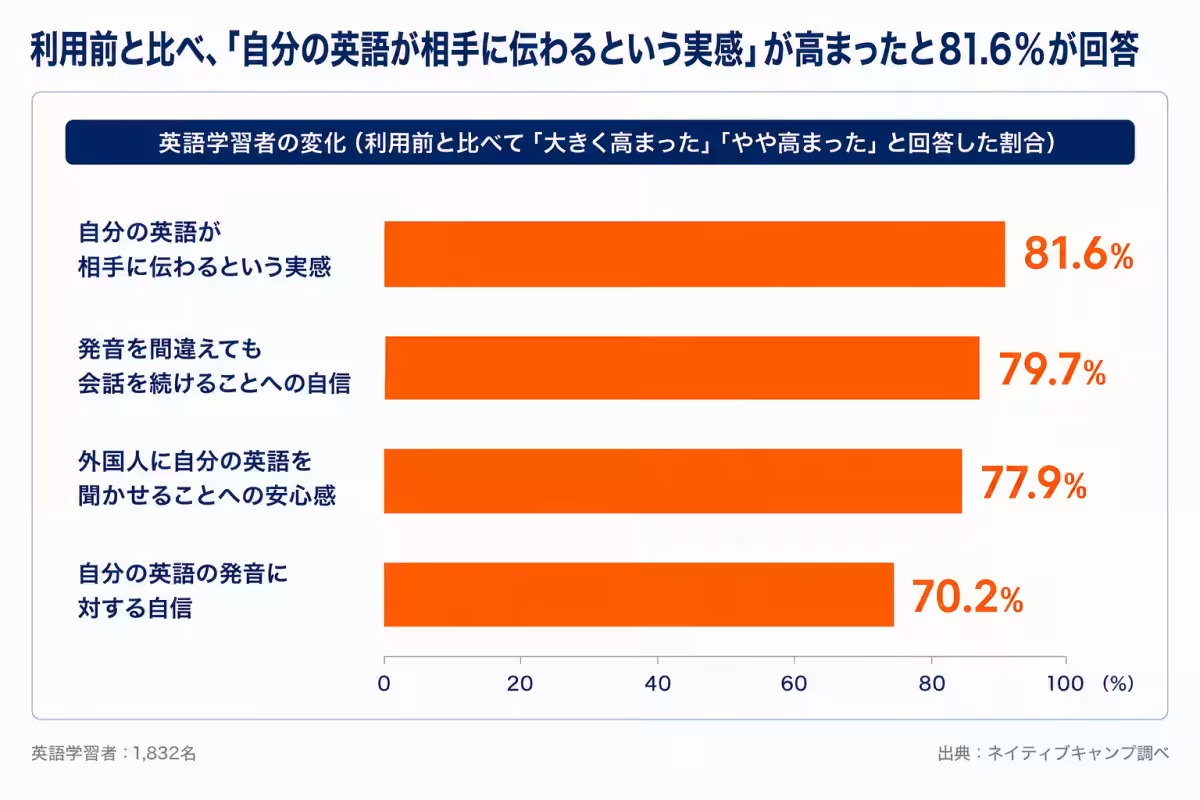
Moreover, a remarkable 81.6% of learners reported that their confidence in making themselves understood had increased since using NativeCamp. Added to this, around 79.7% indicated that their assurance in continuing conversations despite pronunciation errors had improved.
The findings contribute to a broader understanding of learners' experiences and the effectiveness of platforms like NativeCamp in providing a safe space for practicing spoken English without the fear of judgment.
Conclusion
The survey highlights crucial insights into the dynamics of language learning for Japanese learners, emphasizing the need for supportive educational environments encouraging frequent practice. NativeCamp aims to bridge the confidence gap by enabling its users to practice without the overbearing fear of pronunciation errors. By fostering a conversational atmosphere, learners can build their communication skills and gradually overcome their pronunciation anxieties.
In light of the survey, both educators and learners can benefit. It serves as a reminder that effective communication is not solely reliant on perfect pronunciation; understanding and connection remain at the forefront of language use. As learners continue to engage with English through platforms like NativeCamp, they are better positioned to develop robust speaking skills, regardless of accents or pronunciation differences.

Topics Other)







【About Using Articles】
You can freely use the title and article content by linking to the page where the article is posted.
※ Images cannot be used.
【About Links】
Links are free to use.