



Transforming Business Meetings with AI: Insights from the 2026 Research
The Evolution of Business Meetings: Insights from the 2026 Research
In May 2026, Nice Mobile Corporation, headquartered in Matsumoto, Nagano Prefecture, conducted a comprehensive survey titled Business Professionals' Meeting & AI Utilization Survey 2026. This research aimed to quantitatively assess the current state of meetings in Japanese companies, exploring various aspects such as frequency, time costs, types, purposes, satisfaction levels, and the utilization of AI in meetings. The survey involved 519 respondents, yielding 488 valid responses.
Key Findings of the Survey
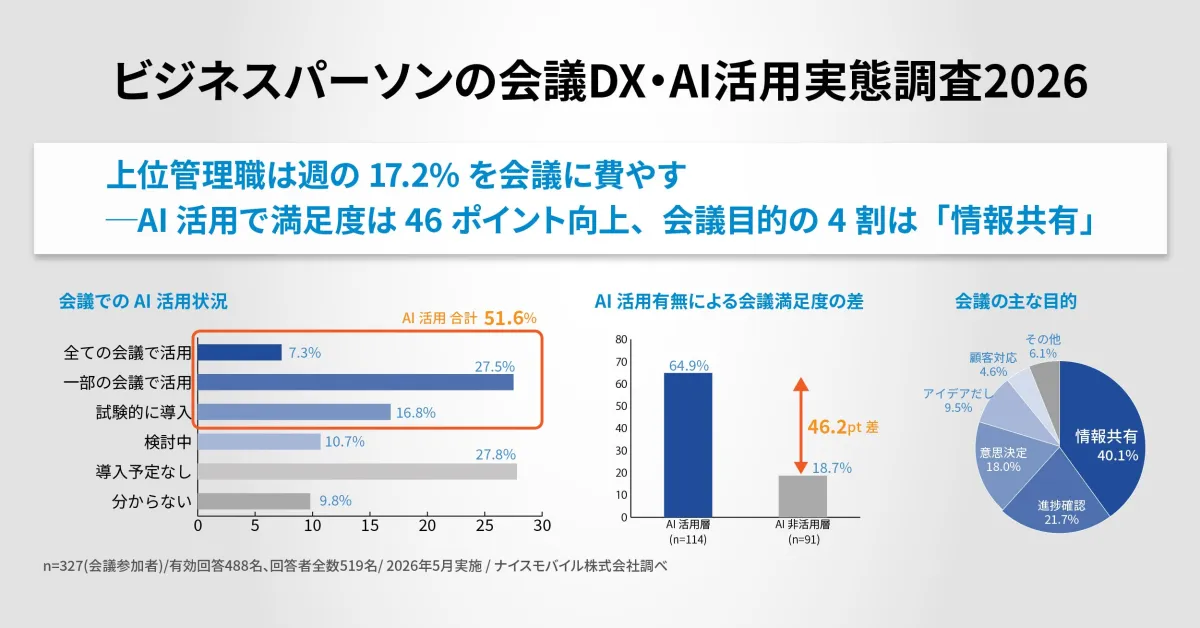
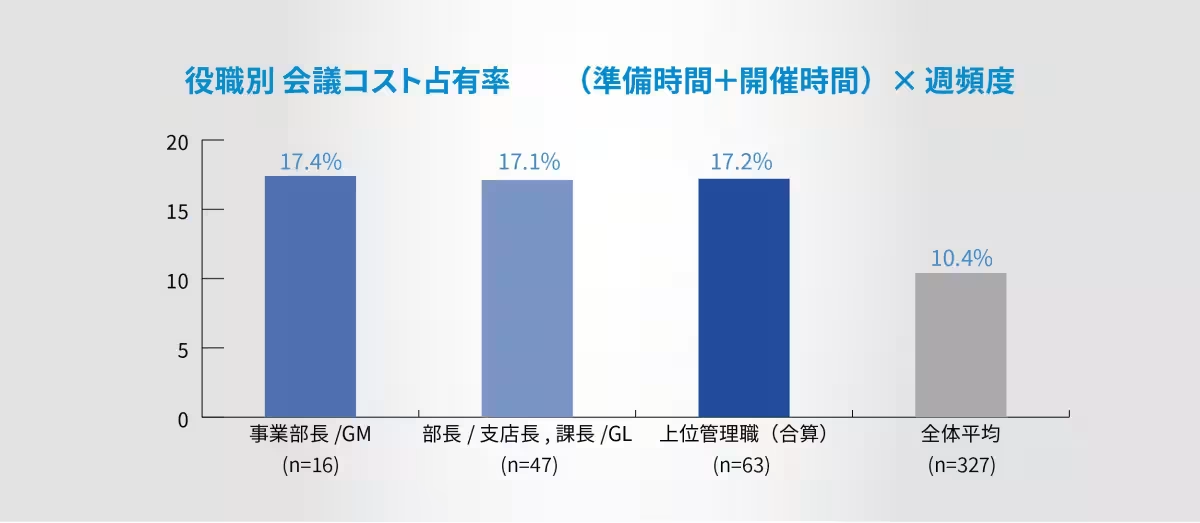
1. Time Cost of Meetings: Senior managers invest a staggering 17.2% of their work week—equivalent to about one business day—on meeting preparation and attendance.
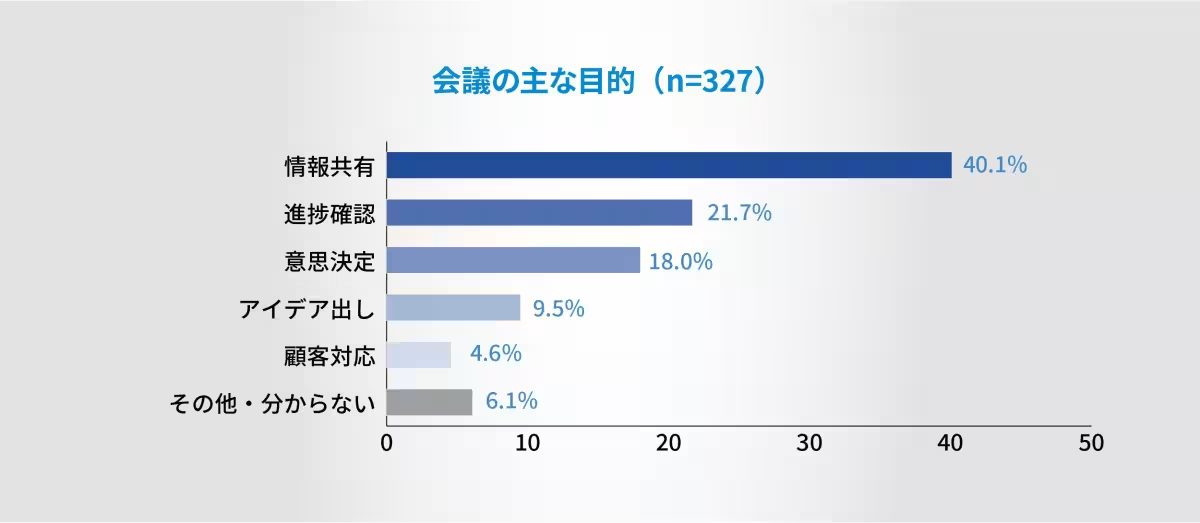
2. Purpose of Meetings: The primary objective of meetings was identified as information sharing, accounting for 40.1%. This indicates that many meetings are predominantly one-way information exchanges rather than collaborative discussions.
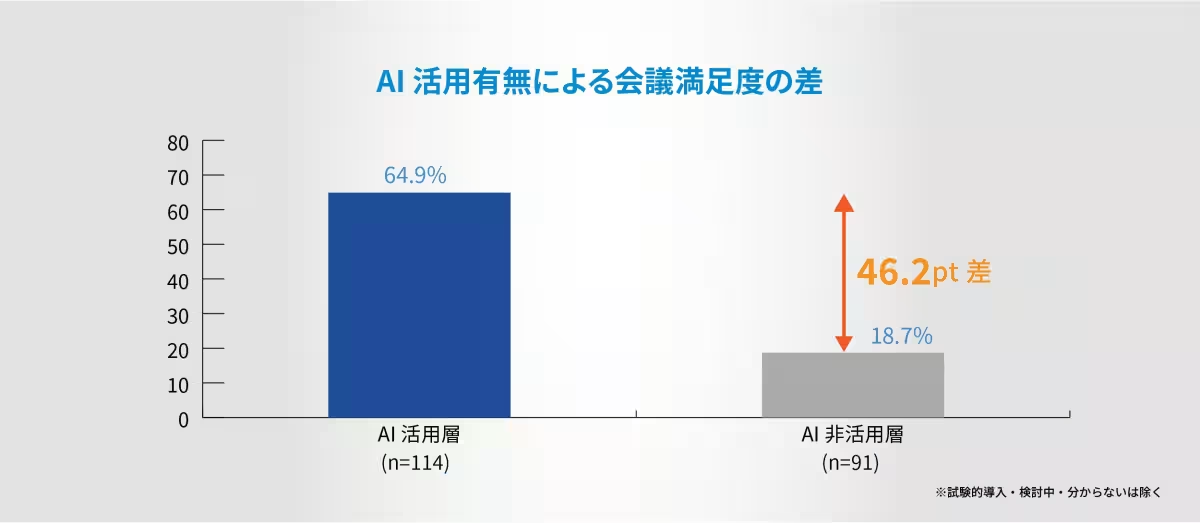
3. AI Utilization and Satisfaction: Meeting participants who leverage AI reported a satisfaction level of 64.9%, significantly higher than the 18.7% satisfaction rate among those who do not use AI—a difference of 46.2 percentage points.
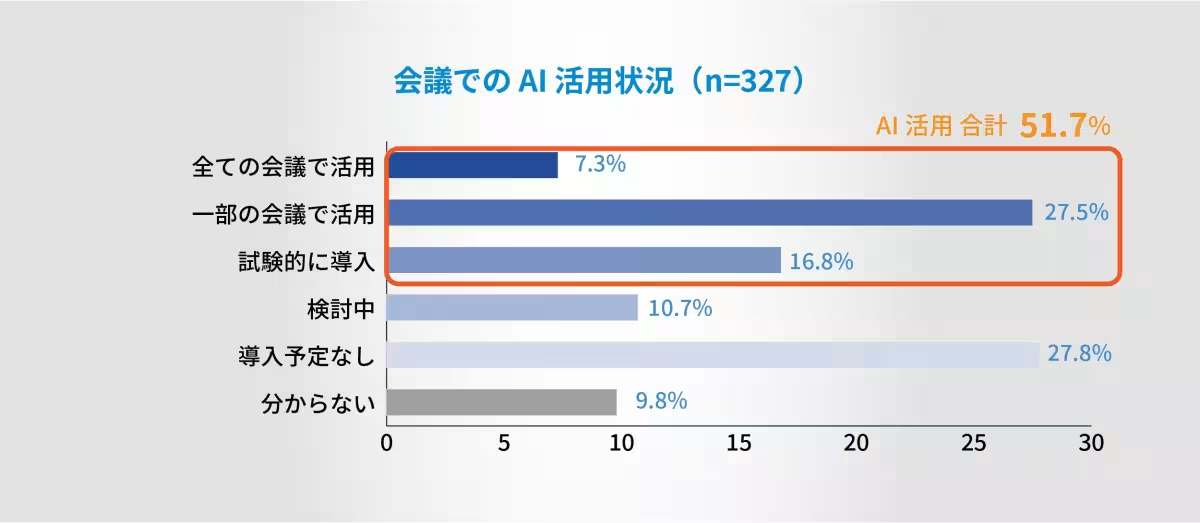
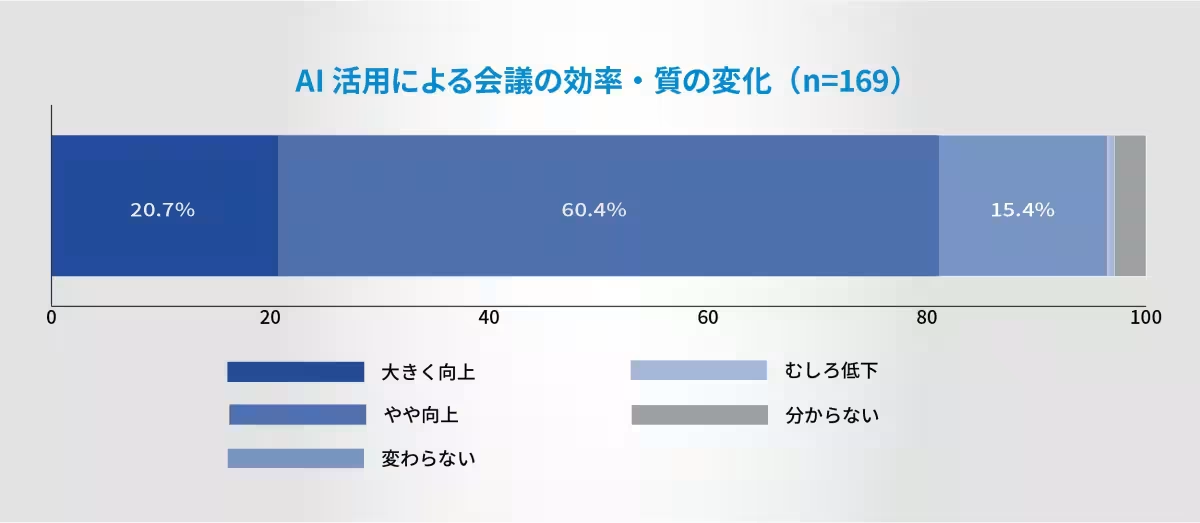
4. AI Adoption Rate: About 51.6% of respondents have started integrating AI tools into their meetings, with 81.1% of these users experiencing improved efficiency and quality.
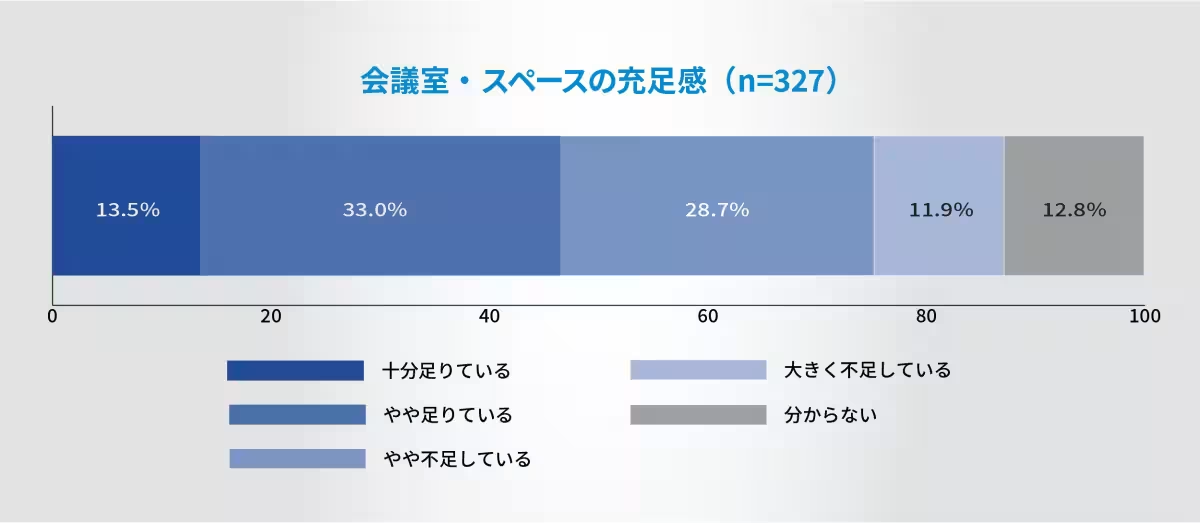
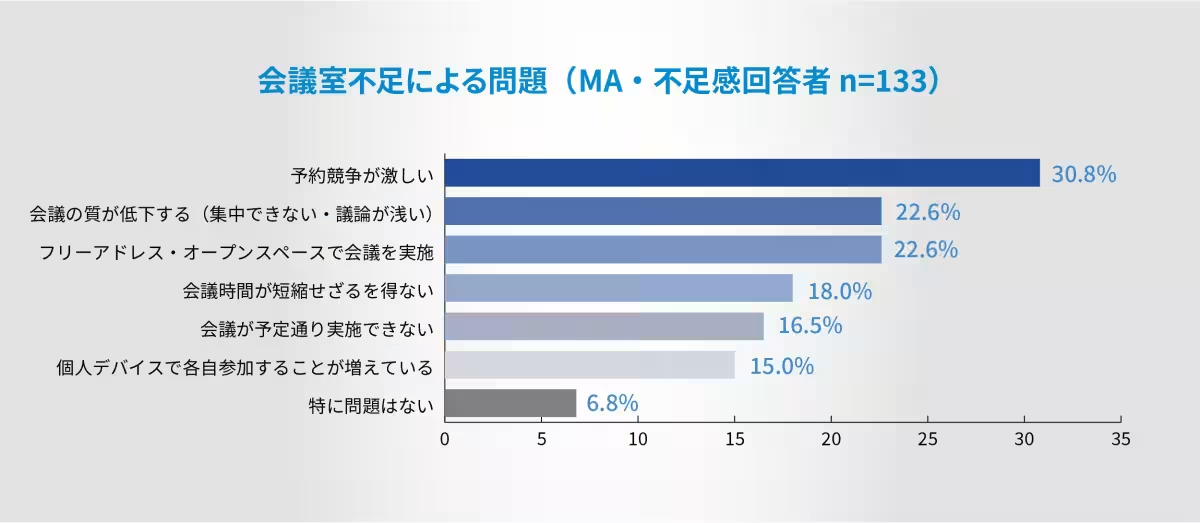
5. Space Challenges: Almost 40.6% of participants reported a lack of meeting rooms, leading to reservation competition and potentially diminishing meeting quality.
Changing Landscape of Meetings
The dynamics of workplace meetings in Japan are evolving rapidly, influenced by recent global events. With businesses adjusting to a post-pandemic world, many large companies have opted to replace overseas business trips with online meetings to cut costs. Additionally, efforts to formalize remote work days have gained traction, aiming for both cost reduction and environmental sustainability.
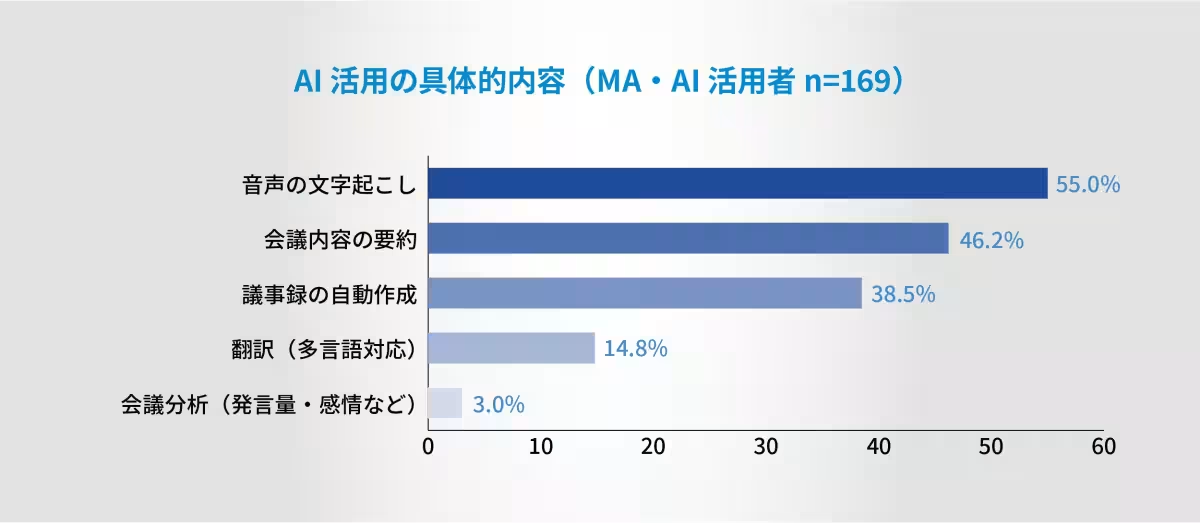
As organizations rethink how they conduct meetings—whether in-person, online, or hybrid—the essence of these gatherings is under scrutiny. The swift adoption of AI technologies is also transforming this space, as tools like automated minute-taking, speech transcription, and meeting summarization are becoming commonplace. This shift not only alleviates the workload post-meeting but also raises questions about the very purpose of meetings and how they can be optimized for enhanced productivity.
Analyzing Meeting Time Costs
According to the data, senior management attends meetings that consume a substantial portion of their working hours—17.2% weekly, which translates to almost one full business day. This revelation corroborates the long-held belief among many managers that meetings have become too frequent.
AI can dramatically improve meeting performance, but only if organizations learn to prioritize the right types of discussions. While some meetings are crucial for decision-making and brainstorming, a large percentage are simply for updates or confirmations—tasks that could often be accomplished through emails or written briefs.
Meeting Formats and Emerging Hybrid Challenges
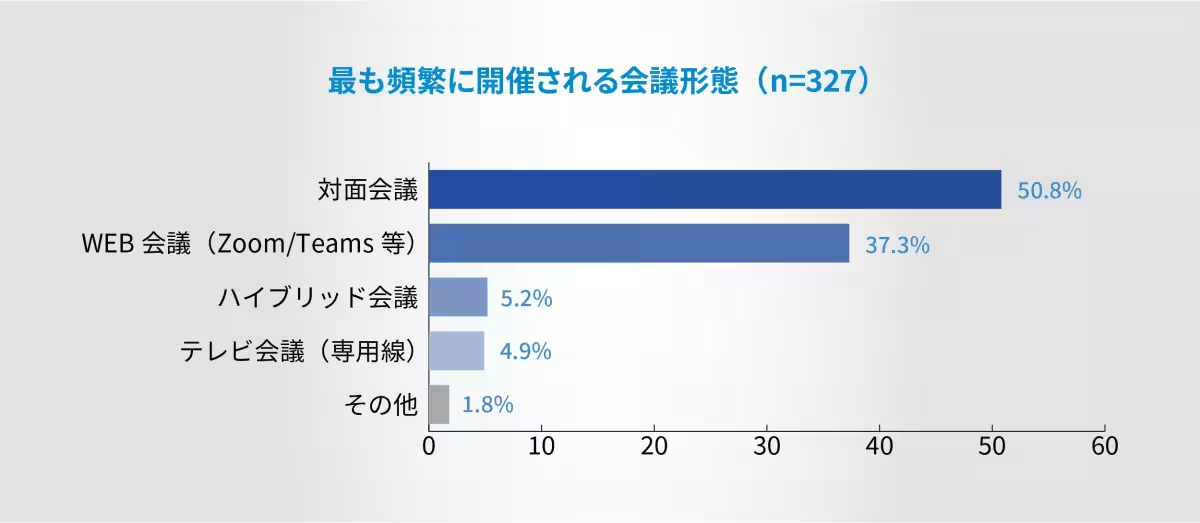
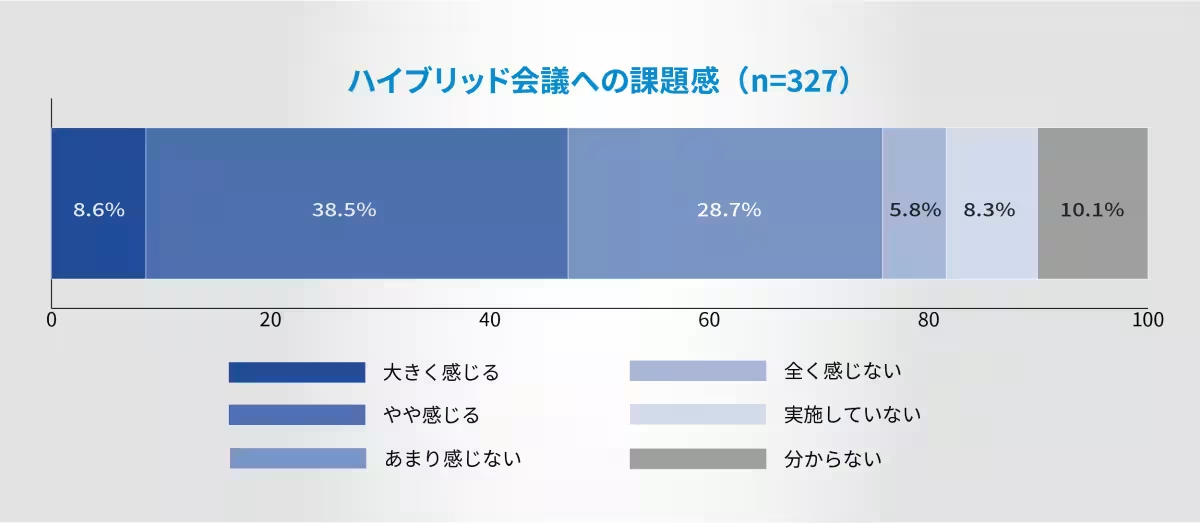
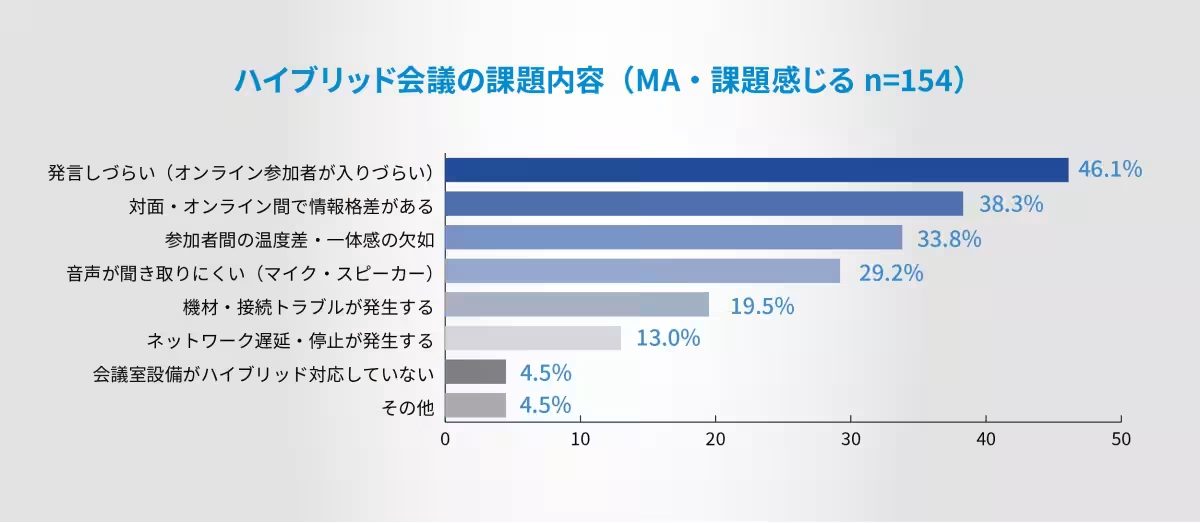
The survey indicated that traditional face-to-face meetings still dominate, comprising over 50% of all meetings, while online meetings constitute around 37.3%. However, hybrid meetings are fraught with challenges: for example, over 51.3% of hybrid meeting facilitators recognized their inefficacies, particularly in communicating equally with both in-person and remote participants.
Purpose and Quality of Meetings
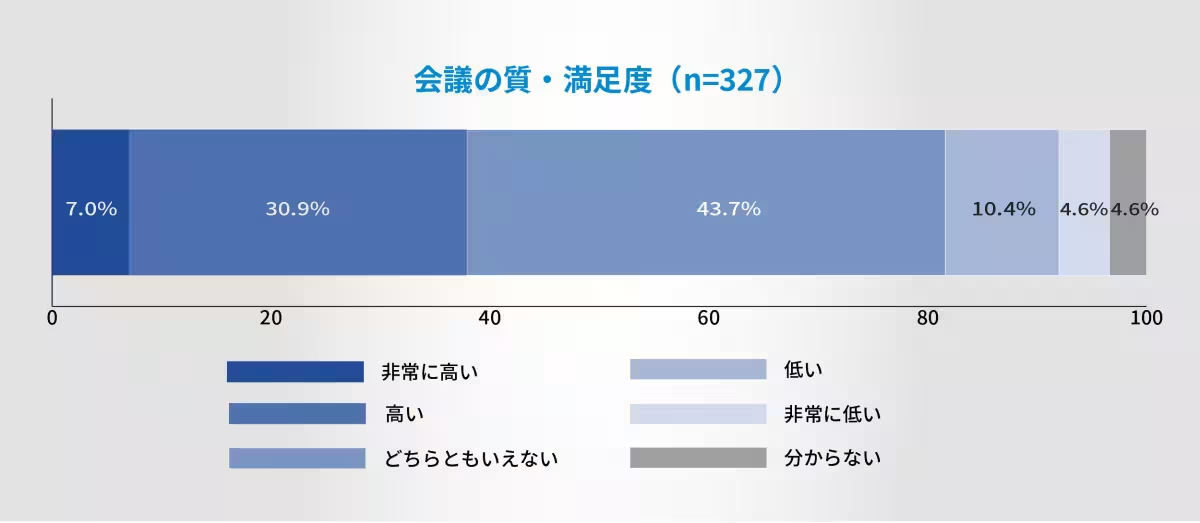
Analyzing meeting objectives revealed a worrying trend: 60% of meetings occur for sharing or confirming information, while only 18% are directed toward decision-making. This imbalance indicates that many organizations are not utilizing meetings effectively as decision-making platforms. Low satisfaction rates, with only 37.9% of participants reporting their meetings as valuable, further accentuate this issue.
AI’s Role in Transforming Meetings
Over 51% of attendees are embracing AI, employing it in various forms such as transcribing and summarizing discussions. The results are compelling: AI users experience higher satisfaction levels and perceive that these tools enhance efficiency and meeting quality.
Space Constraints and Future Outlook
Finally, the study highlighted a notable issue—almost 40% of respondents feel that meeting spaces are inadequate. Such limitations not only lead to logistical challenges but also hinder the quality of discussions, especially in sensitive matters requiring privacy.
Conclusion
Kengo Yoshimura, executive director of Nice Mobile, emphasized the survey's findings, highlighting that the considerable amount of time managers spend in meetings signifies a pressing issue for organizations. Furthermore, he noted the need for firms to rethink their meeting strategies critically. AI’s potential can be harnessed to foster more meaningful collaborations while ensuring that those involved feel more engaged and valued in the process.
As we move forward, the convergence of AI and traditional meeting practices presents a significant transformative opportunity for businesses looking to enhance productivity and decision-making efficacy. Continuing to embrace this change will be essential for future competitiveness in a fast-evolving global market.



Topics Business Technology)

【About Using Articles】
You can freely use the title and article content by linking to the page where the article is posted.
※ Images cannot be used.
【About Links】
Links are free to use.