



Revitalizing Connectivity in Southeast Asia with Global South Campus Initiative
Introduction
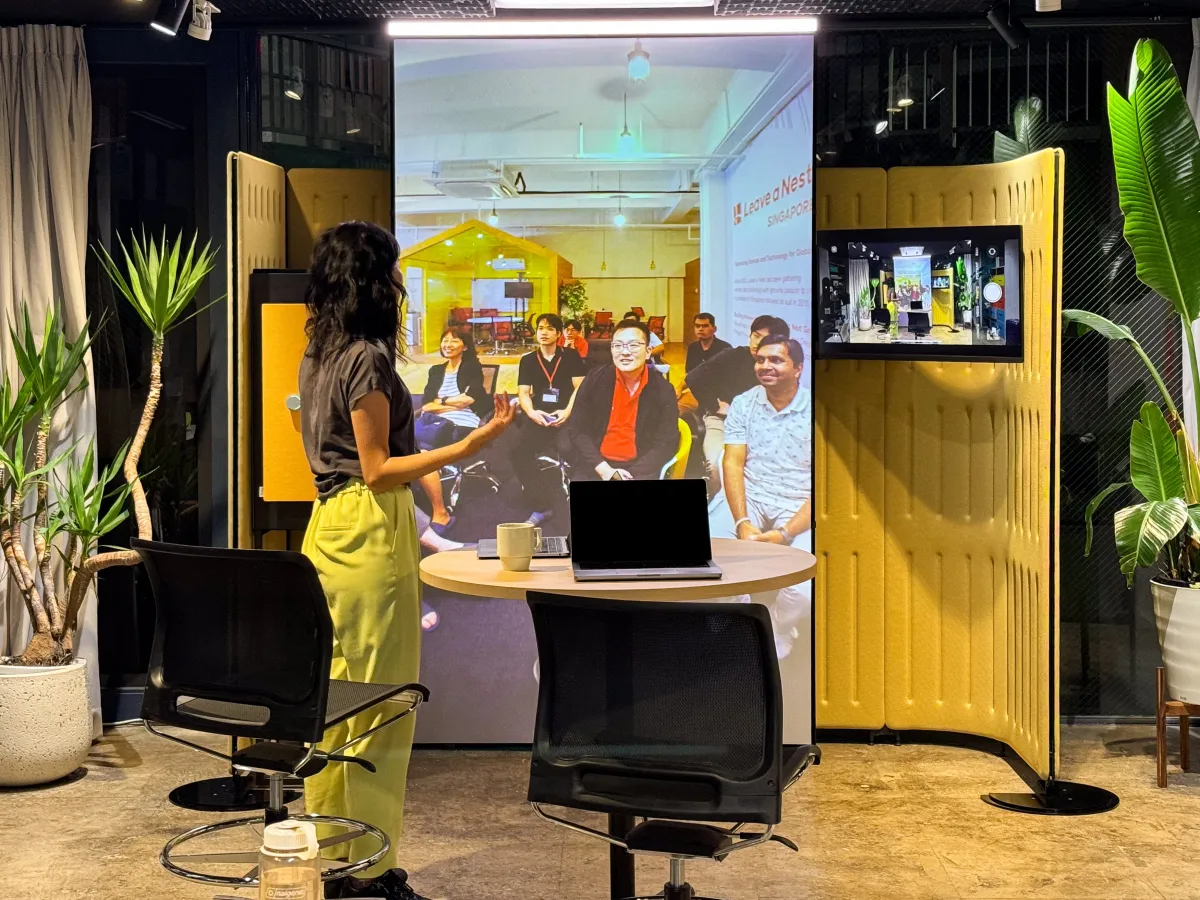
In an era where knowledge and collaboration are paramount, Revitalization is leading the charge with its groundbreaking initiative, the Global South Campus. Through innovative technology called tonari, the initiative aims to connect six key locations across Southeast Asia, enabling seamless communication and collaboration among researchers, educational institutions, and industries. This article explores how this initiative addresses the current challenges in intra-regional connectivity and fosters a new era of knowledge exchange in Asia.
The Challenges of Connectivity
Southeast Asia has long struggled with insufficient infrastructure for ground-based transportation, such as railways and highways, hindering the movement of people and ideas. Consequently, many activities rely on air travel, resulting in fragmented collaborations reminiscent of a “point-to-point” connection. This disconnect is particularly evident in fields demanding face-to-face discussions, like deep tech and manufacturing, where effective collaboration is crucial for progress. The Global South Campus initiative seeks to resolve these barriers by providing a reliable and constant digital connection across Japan, Singapore, Malaysia, and the Philippines—with tonari leading the way.
The Vision of Global South Campus
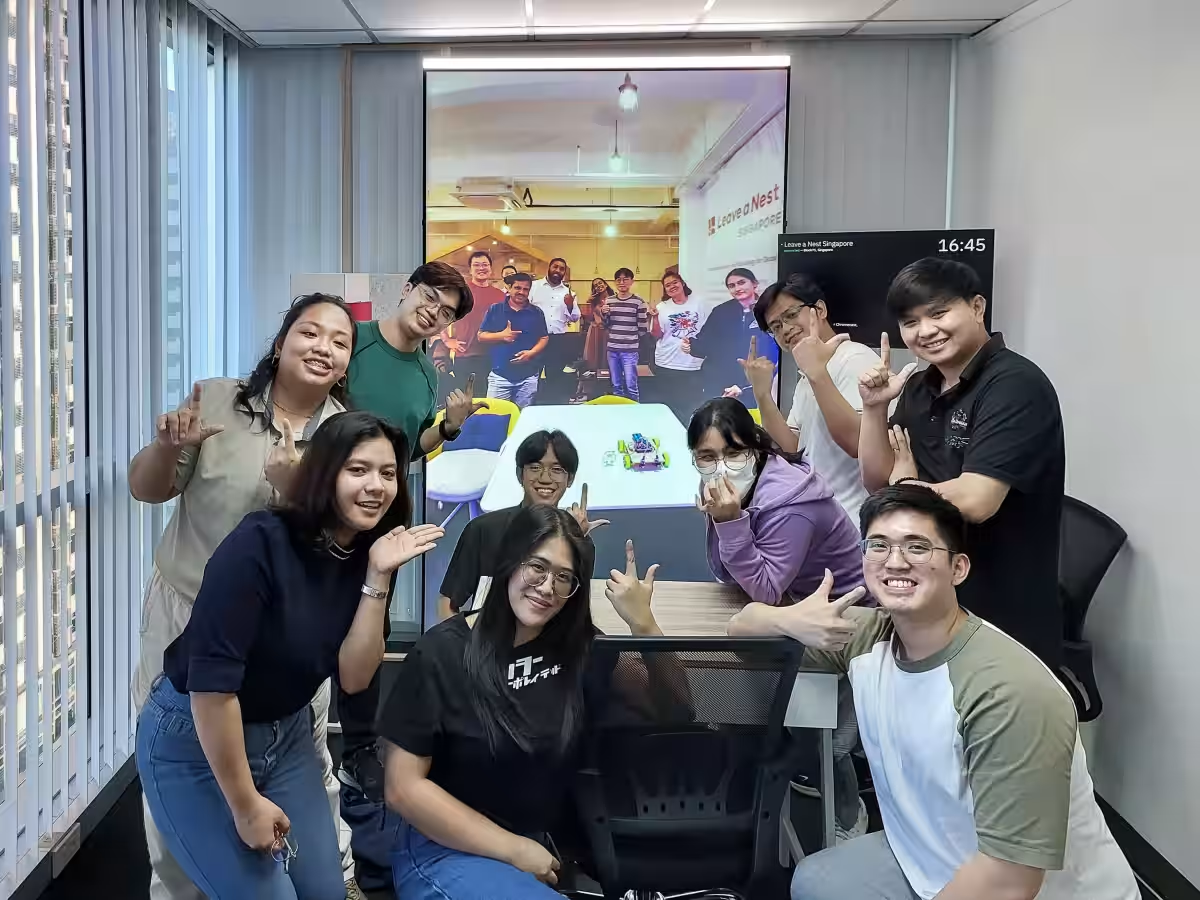
Leveraging tonari's space-expanding technology, the concept of a Global South Campus envisions a network that enables continuous connectivity between dispersed laboratories and production sites. By transcending geographical constraints, researchers, businesses, educational organizations, and administrations can build a collaborative environment that fosters innovation and knowledge sharing.
The initiative aims to encourage an organic, real-time exchange of knowledge, leading to substantial advancements in education and industry while facilitating the implementation of GX (Green Transformation) and DX (Digital Transformation).
Introducing tonari: The Connection Infrastructure
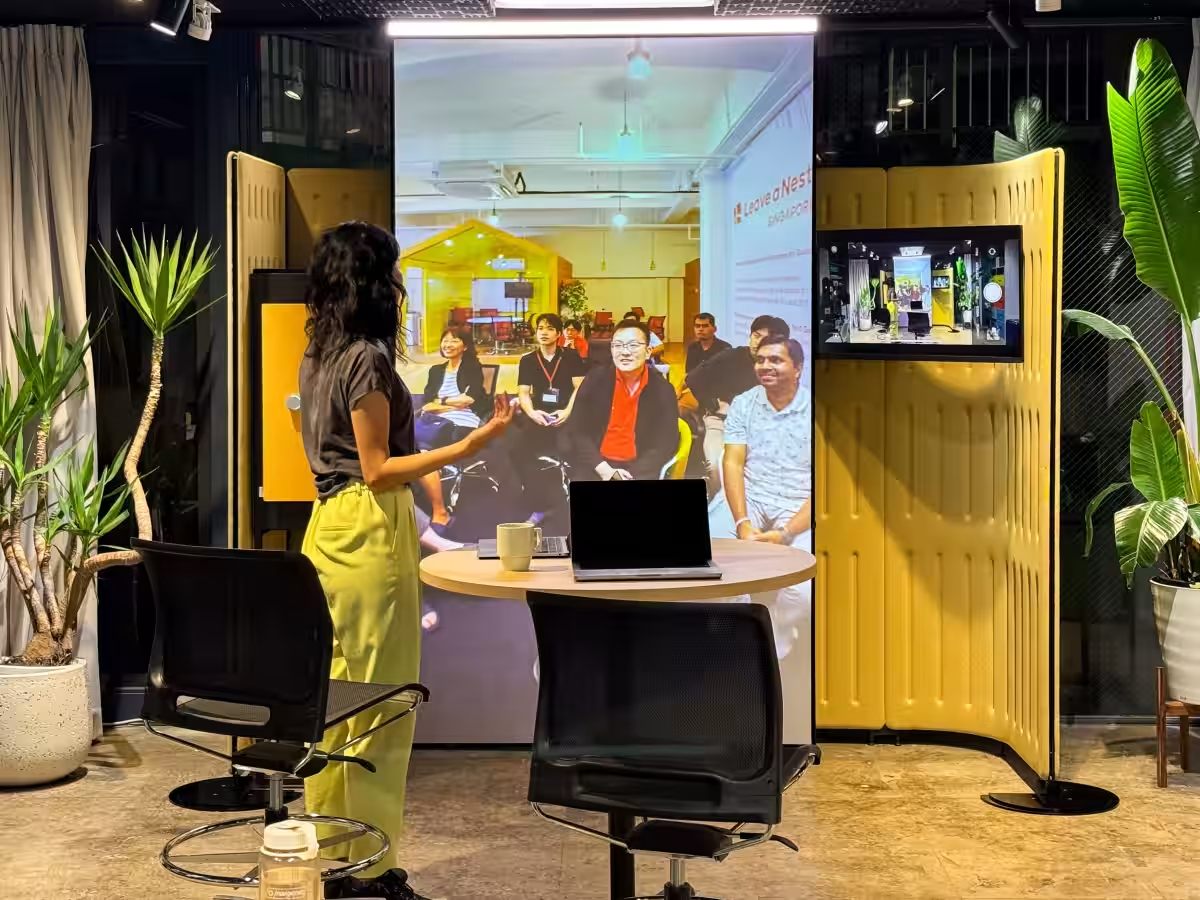
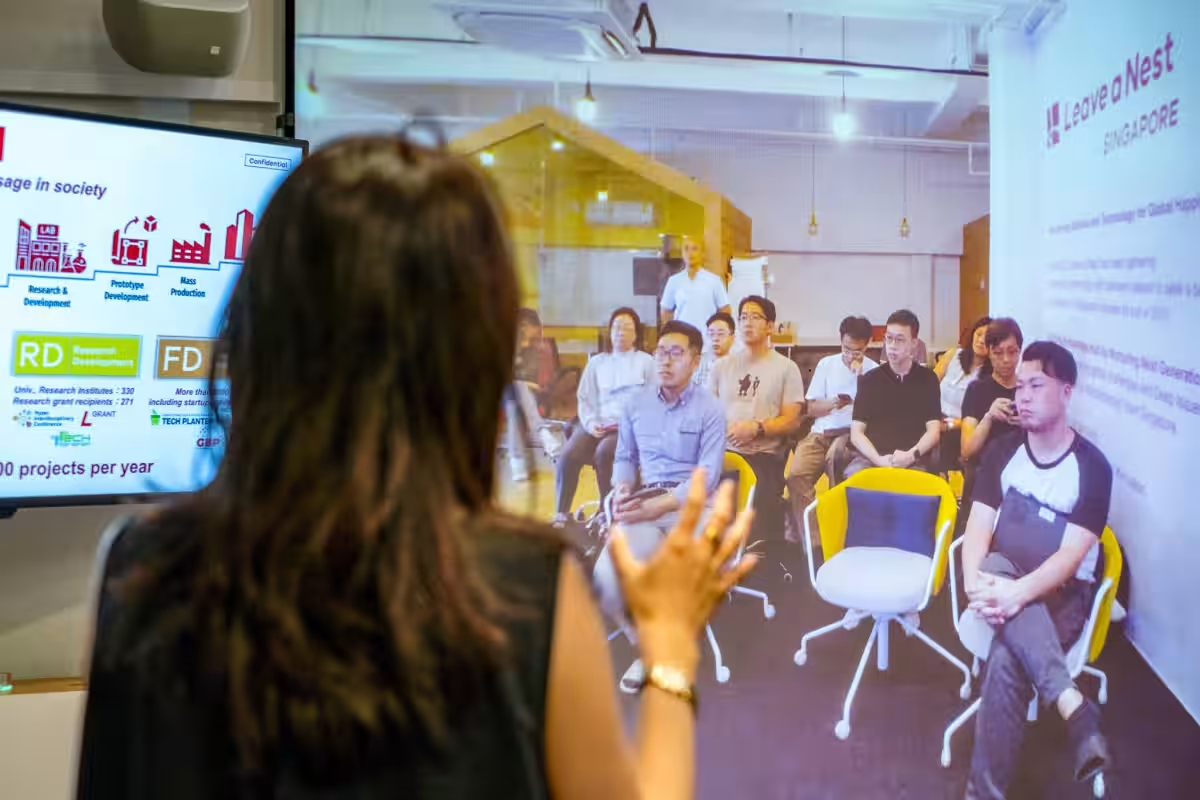
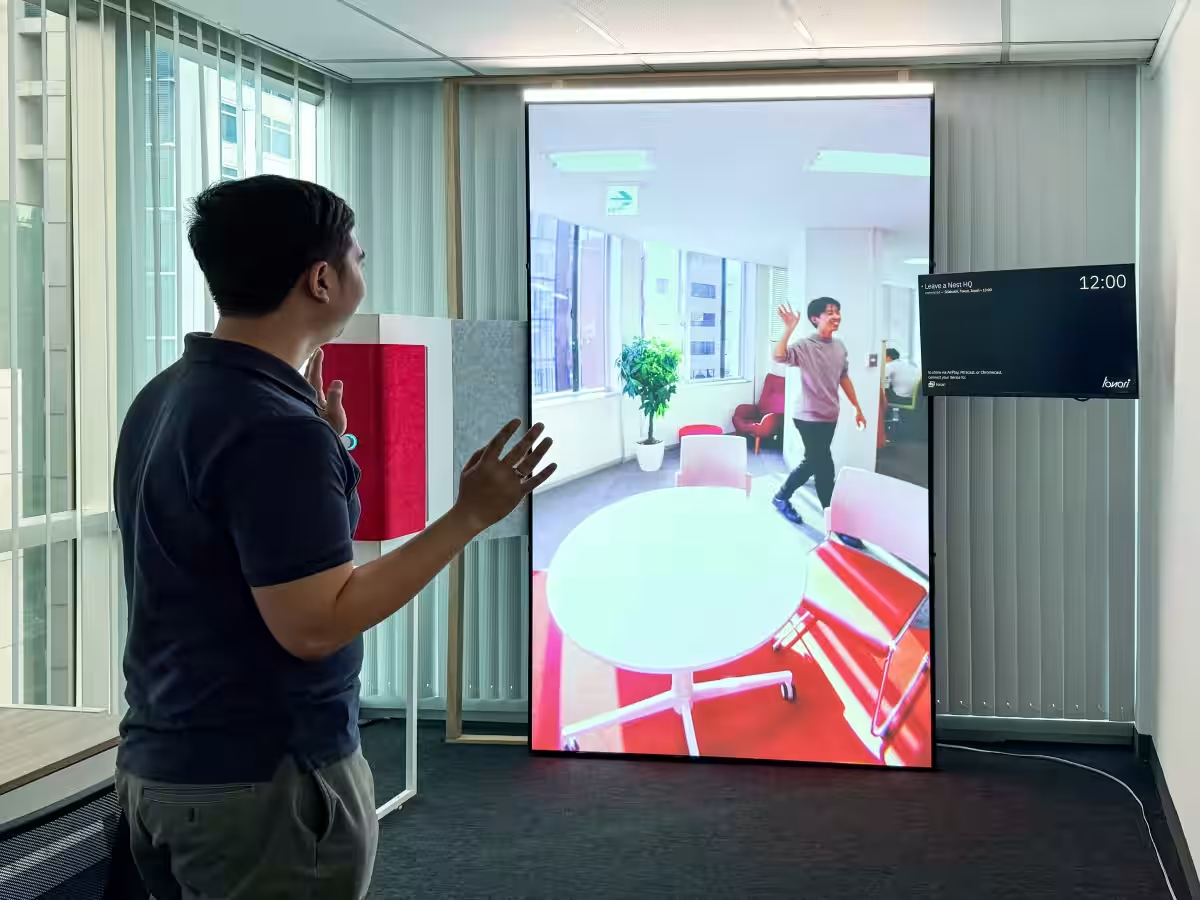
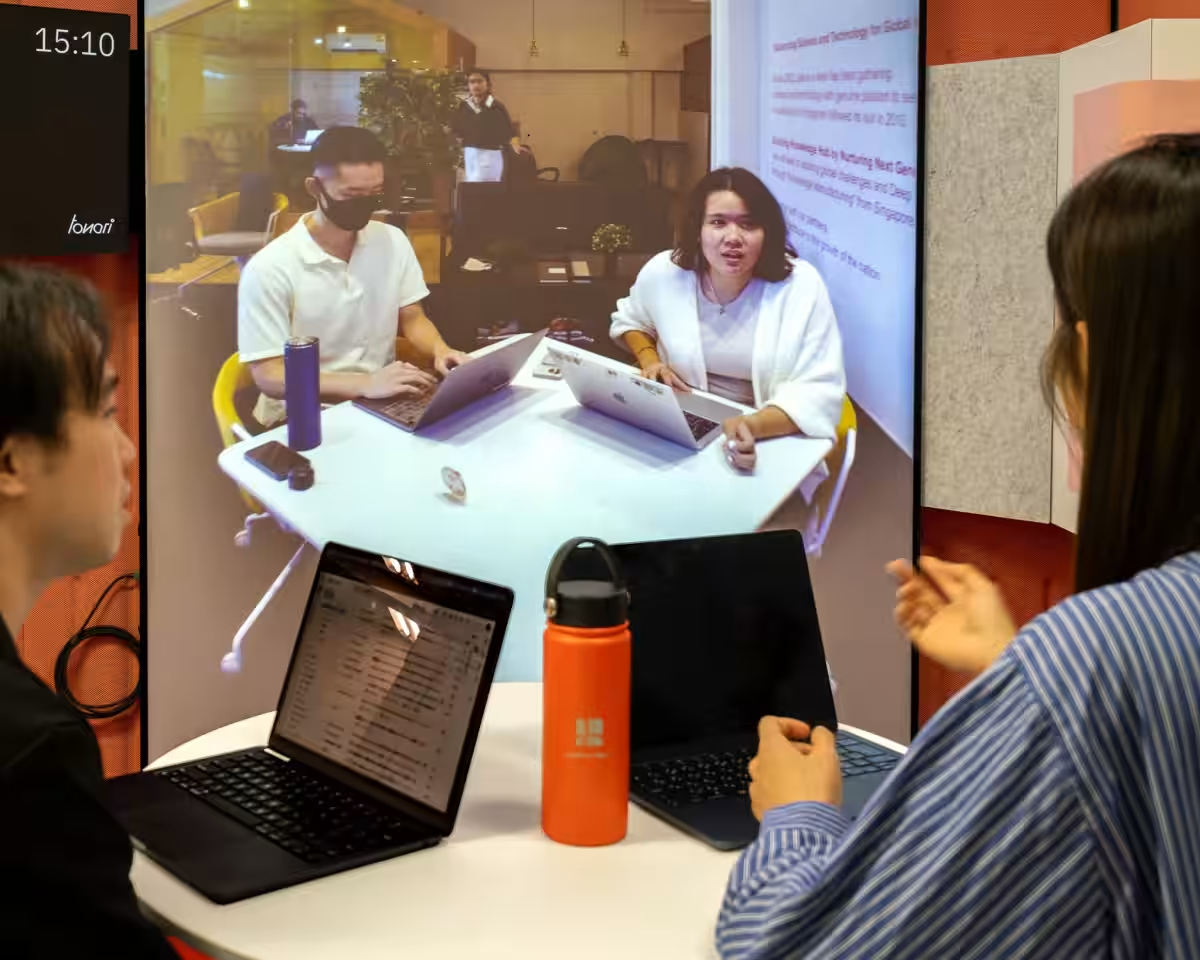
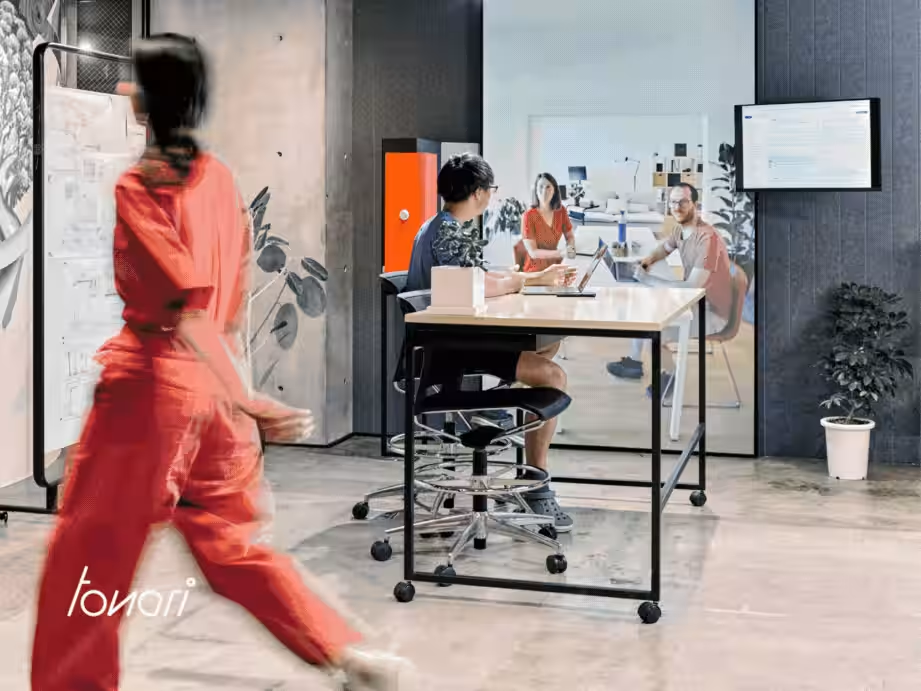
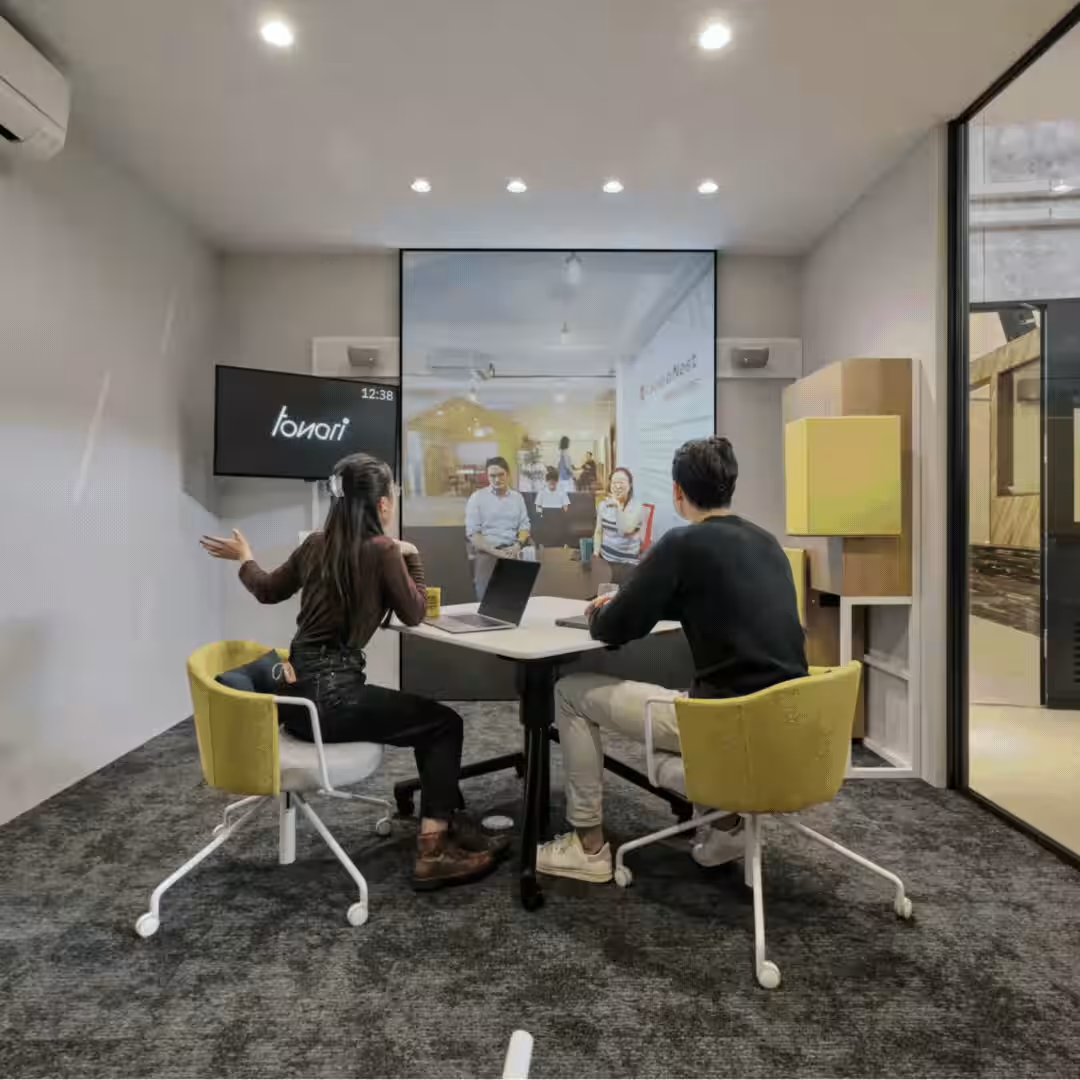
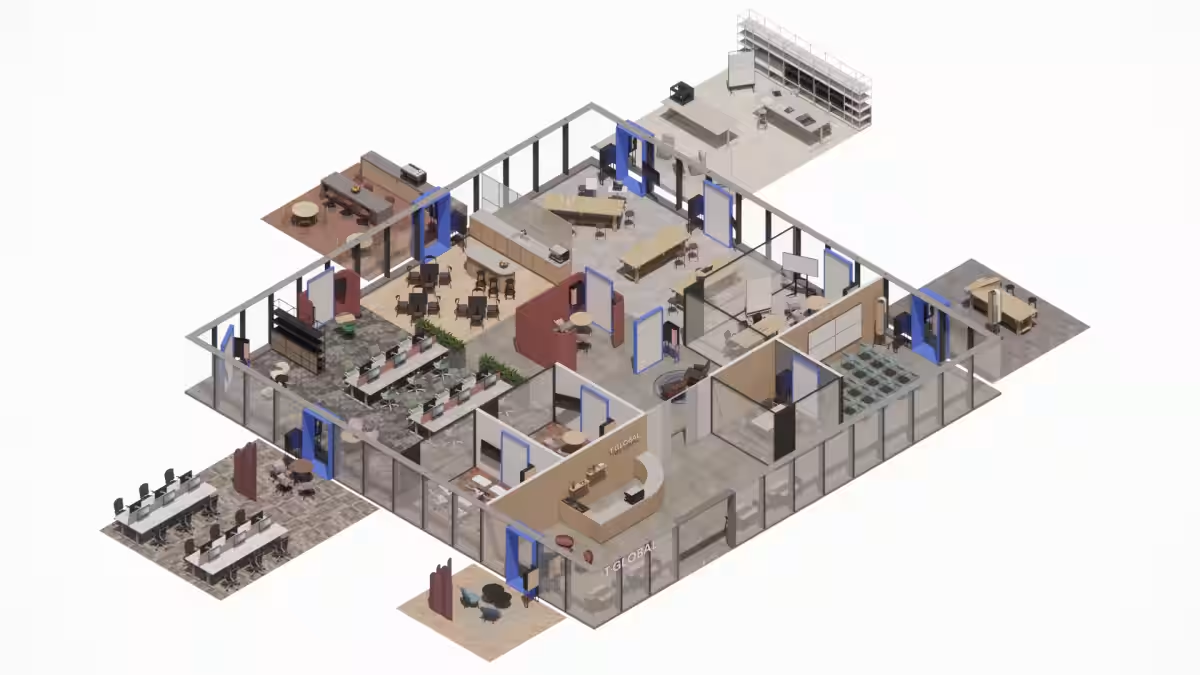
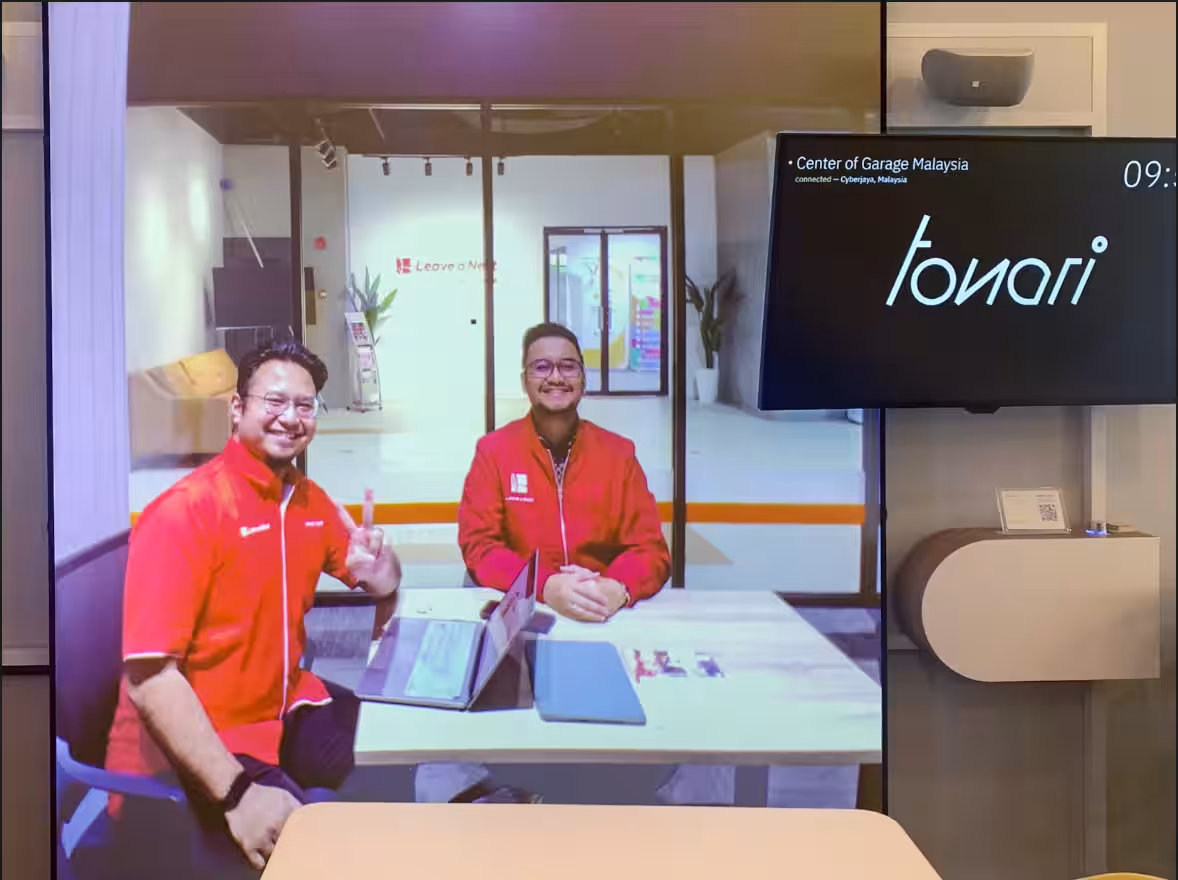
Tonari is a cutting-edge communication tool that bridges the distance between far-flung locations through life-sized screens offering ultra-low latency and high-definition visual experiences. This tool creates an environment akin to being in the same office, allowing for natural conversations, discussions, and collaborative activities without the burden of travel. By minimizing the need for in-person meetings, tonari enhances our daily interactions within the workplace—facilitating collaboration in research, education, and manufacturing where in-person presence is often a requirement.
Breaking Barriers: Overcoming Disconnection
Asia's lack of comprehensive land infrastructure translates to sporadic social and intellectual flow. For instance, the round trip from Tokyo to Kuala Lumpur usually takes about 10 hours and generates around 1 ton of CO₂ emissions per person. This “travel-dependent” culture contributes to increased travel for supervision and adjustments, slowing the pace of collaboration. To combat this, Riverness is implementing tonari to create a dedicated link among six points in Japan and ASEAN, moving from
Topics Other)
【About Using Articles】
You can freely use the title and article content by linking to the page where the article is posted.
※ Images cannot be used.
【About Links】
Links are free to use.